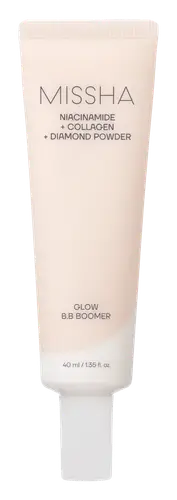
This barrier-repair moisturizer is formulated around Rosa Damascena Flower Water and Squalane to strengthen the skin barrier and hydrate skin.

What's inside
What's inside
 Key Ingredients
Benefits
Concerns
Ingredients Side-by-side
Water
Skin ConditioningCyclopentasiloxane
Emollient
Cyclohexasiloxane
Emollient
Butylene Glycol
Humectant

Glycerin
Humectant
Mica
Cosmetic ColorantPEG-10 Dimethicone
Skin Conditioning
CI 77891
Cosmetic ColorantNiacinamide
Smoothing









Pentylene Glycol
Skin Conditioning
Disteardimonium Hectorite
StabilisingDiamond Powder
Abrasive
Moringa Oleifera Seed Oil
Emollient




Ruby Powder
Skin ConditioningAmethyst Powder
Abrasive
Pearl Powder
Tourmaline
Chrysanthemum Morifolium Flower Extract
Skin ConditioningJasminum Officinale Extract
Masking

Platinum Powder
Abrasive
Dicaprylyl Carbonate
EmollientMagnesium Sulfate
Methyl Methacrylate Crosspolymer
Triethoxycaprylylsilane
Ethylhexylglycerin
Skin ConditioningAcrylates/Dimethicone Copolymer
Skin Conditioning
Adenosine
Skin Conditioning
Mannan
Squalane
Emollient
Polymethylsilsesquioxane
Caprylic/Capric Triglyceride
Masking
Tocopherol
Antioxidant

Talc
Abrasive
Disodium EDTA
ChelatingPhenoxyethanol
Preservative
Parfum
Masking

Water, Cyclopentasiloxane, Cyclohexasiloxane, Butylene Glycol, Glycerin, Mica, PEG-10 Dimethicone, CI 77891, Niacinamide, Pentylene Glycol, Disteardimonium Hectorite, Diamond Powder, Moringa Oleifera Seed Oil, Ruby Powder, Amethyst Powder, Pearl Powder, Tourmaline, Chrysanthemum Morifolium Flower Extract, Jasminum Officinale Extract, Platinum Powder, Dicaprylyl Carbonate, Magnesium Sulfate, Methyl Methacrylate Crosspolymer, Triethoxycaprylylsilane, Ethylhexylglycerin, Acrylates/Dimethicone Copolymer, Adenosine, Mannan, Squalane, Polymethylsilsesquioxane, Caprylic/Capric Triglyceride, Tocopherol, Talc, Disodium EDTA, Phenoxyethanol, Parfum
Rosa Damascena Flower Water
Masking
Butylene Glycol
Humectant
Hydrogenated Poly(C6-14 Olefin)
EmollientSqualane
Emollient
Glycerin
Humectant
Caprylic/Capric/Myristic/Stearic Triglyceride
EmollientButyrospermum Parkii Butter
Skin Conditioning
Cetearyl Alcohol
Emollient
Niacinamide
Smoothing
Macadamia Integrifolia Seed Oil
Skin Conditioning
Glyceryl Stearate
Emollient
Phytosteryl/Isostearyl/Cetyl/Stearyl/Behenyl Dimer Dilinoleate
Skin Conditioning
Cyclopentasiloxane
Emollient
Synthetic Beeswax
Emulsion Stabilising
PEG-40 Stearate
Emulsifying
Ceramide AP
Skin Conditioning
1,2-Hexanediol
Skin Conditioning
Water
Skin ConditioningCyclohexasiloxane
Emollient
PEG-100 Stearate
Surfactant
Caprylic/Capric Triglyceride
Masking
Dimethicone
Emollient
PEG-30 Dipolyhydroxystearate
Emulsifying
Caprylyl Glycol
Emollient
Polyacrylamide
C13-14 Isoparaffin
Emollient
Nelumbo Nucifera Flower Extract
Skin ConditioningPrunus Mume Fruit Extract
Humectant
Sodium Polyacrylate
Absorbent
Copernicia Cerifera Wax
Tocopheryl Acetate
Antioxidant
Citrus Aurantium Dulcis Peel Oil
Masking
Citrus Nobilis Peel Oil
Masking
Ethylhexyl Cocoate
Emollient
Ethylhexylglycerin
Skin ConditioningPolyglyceryl-6 Stearate
Emollient
Disodium EDTA
ChelatingLaureth-7
EmulsifyingEclipta Prostrata Extract
Skin Conditioning
Hippophae Rhamnoides Oil
Emollient
PPG-3 Benzyl Ether Myristate
EmollientCananga Odorata Flower Oil
Masking
Citrus Aurantium Amara Peel Oil
Skin Conditioning
Hydrolyzed Hibiscus Esculentus Extract
Skin ConditioningLupinus Albus Seed Extract
Skin ConditioningMoringa Oleifera Seed Extract
Skin Conditioning
Citrus Reticulata Leaf Oil
Masking
Polysorbate 20
Emulsifying
Melia Azadirachta Leaf Extract
Skin ConditioningPolyglyceryl-6 Behenate
Emulsion Stabilising
Helianthus Annuus Seed Oil Unsaponifiables
Emollient
Simmondsia Chinensis Seed Oil
Emollient
Sodium Hyaluronate
Humectant
Moringa Oleifera Seed Oil
Emollient
Tocopherol
Antioxidant
Xylitylglucoside
Humectant
Anhydroxylitol
Humectant
Xylitol
Humectant
Hydrogenated Lecithin
Emulsifying
Glucose
Humectant
Glycine
Buffering
Serine
Masking
Glutamic Acid
Humectant
Ceramide NP
Skin Conditioning
Hydrolyzed Collagen
Emollient
Aspartic Acid
Masking
Leucine
Skin ConditioningAlanine
Masking
Lysine
Skin ConditioningArginine
Masking
Tyrosine
MaskingPhenylalanine
Masking
Proline
Skin Conditioning
Threonine
Valine
MaskingIsoleucine
Skin ConditioningHistidine
Humectant
Cysteine
Antioxidant
Methionine
Skin ConditioningRosa Damascena Flower Water, Butylene Glycol, Hydrogenated Poly(C6-14 Olefin), Squalane, Glycerin, Caprylic/Capric/Myristic/Stearic Triglyceride, Butyrospermum Parkii Butter, Cetearyl Alcohol, Niacinamide, Macadamia Integrifolia Seed Oil, Glyceryl Stearate, Phytosteryl/Isostearyl/Cetyl/Stearyl/Behenyl Dimer Dilinoleate, Cyclopentasiloxane, Synthetic Beeswax, PEG-40 Stearate, Ceramide AP, 1,2-Hexanediol, Water, Cyclohexasiloxane, PEG-100 Stearate, Caprylic/Capric Triglyceride, Dimethicone, PEG-30 Dipolyhydroxystearate, Caprylyl Glycol, Polyacrylamide, C13-14 Isoparaffin, Nelumbo Nucifera Flower Extract, Prunus Mume Fruit Extract, Sodium Polyacrylate, Copernicia Cerifera Wax, Tocopheryl Acetate, Citrus Aurantium Dulcis Peel Oil, Citrus Nobilis Peel Oil, Ethylhexyl Cocoate, Ethylhexylglycerin, Polyglyceryl-6 Stearate, Disodium EDTA, Laureth-7, Eclipta Prostrata Extract, Hippophae Rhamnoides Oil, PPG-3 Benzyl Ether Myristate, Cananga Odorata Flower Oil, Citrus Aurantium Amara Peel Oil, Hydrolyzed Hibiscus Esculentus Extract, Lupinus Albus Seed Extract, Moringa Oleifera Seed Extract, Citrus Reticulata Leaf Oil, Polysorbate 20, Melia Azadirachta Leaf Extract, Polyglyceryl-6 Behenate, Helianthus Annuus Seed Oil Unsaponifiables, Simmondsia Chinensis Seed Oil, Sodium Hyaluronate, Moringa Oleifera Seed Oil, Tocopherol, Xylitylglucoside, Anhydroxylitol, Xylitol, Hydrogenated Lecithin, Glucose, Glycine, Serine, Glutamic Acid, Ceramide NP, Hydrolyzed Collagen, Aspartic Acid, Leucine, Alanine, Lysine, Arginine, Tyrosine, Phenylalanine, Proline, Threonine, Valine, Isoleucine, Histidine, Cysteine, Methionine
Reviews
Ingredients Explained
These ingredients are found in both products.
Ingredients higher up in an ingredient list are typically present in a larger amount.
Butylene Glycol (or BG) is used within cosmetic products for a few different reasons:
Overall, Butylene Glycol is a safe and well-rounded ingredient that works well with other ingredients.
Though this ingredient works well with most skin types, some people with sensitive skin may experience a reaction such as allergic rashes, closed comedones, or itchiness.
Learn more about Butylene GlycolCaprylic/Capric Triglyceride (aka MCT Oil) is a lightweight emollient, solvent, and texture enhancer. It is considered a skin-softener by helping to prevent moisture loss.
Though it behaves like an oil, it is not technically one due to its chemical composition. One perk of this ingredient is that it is very stable, resistant to oxidation, and unlikely to go rancid.
In practice, that translates to a long shelf life and a consistently elegant skin feel.
While there is an assumption Caprylic Triglyceride can clog pores due to it being derived from coconut oil, there is no research supporting this. Just patch test if you have concerns.
Fractionated coconut oil and MCT Oil are both listed as Caprylic/Capric Triglyceride according to INCI. This is because INCI names are based on the ingredient’s final chemical composition and not its marketing name or source.
This ingredient is treated as the gold standard fungal acne safe oil. Even though it is coconut derived, the problematic lauric acid is stripped out.
This leaves just caprylic (C8) and capric (C10) acid. These chain lengths actually trend antifungal; a 2020 study found caprylic acid was enough to disrupt Malassezia furfur cell membrane, with a caprylic acid derivative damaging membrane structures at concentrations as low as 0.2%.
Learn more about Caprylic/Capric TriglycerideCyclohexasiloxane is a type of silicone more commonly known as D6. It is an emollient and solvent.
Cyclohexasiloxane is used to evenly distribute ingredients throughout the product. When applied to the skin, Cyclohexasiloxane evaporates and leaves behind a silky feel.
As an emollient, it can help the skin feel soft and hydrated. It is also used to reduce frizz in hair products.
Learn more about CyclohexasiloxaneCyclopentasiloxane (D5) is a lightweight silicone that mostly acts as an emollient and solvent in cosmetics. Its the reason your products feel silky, fast-spreading, and non-greasy.
Since D5 is volatile, it does its thing and then evaporates off the skin quickly.
The safety profile of this ingredient is reassuring; the US CIR Expert Panel concluded D5 is safe as used in cosmetics and Health Canada concluded that D5 is not harmful to human health or the environment as currently used in cosmetics
There's a study that people mention about D5 in a rat study showing tumors. This study is related to long-term inhalation of high D5 levels.
Regulatory bodies have judged this study to be not applicable in topical skincare since skin absorption of D5 is very low and we're not really inhaling huge amounts of D5.
The only restriction for this ingredient is environmental. The European Chemicals Agency (ECHA) restricted D5 in wash-off cosmetics at or above 0.1% due to their persistence in water.
Learn more about CyclopentasiloxaneDisodium EDTA is a chelating agent. It grabs onto and deactivates metal ions that sneak into your products from water, packaging, or air.
This ingredient mainly works behind the scenes and helps with:
On top of that, this ingredient can counteract the effects of hard water by binding to the minerals in it.
One thing worth knowing is that Disodium EDTA has been shown to be a mild penetration enhancer. It can help other ingredients absorb into skin more effectively which can be a double-edged sword (great for actives, but can also make the active too strong if you have sensitive skin).
Clinical patch testing showed no significant skin irritation at typical use concentrations and minimal dermal absorption.
You'll most likely see this ingredient near the end of an ingredient list. It's typically found in concentrations less than 1%.
Learn more about Disodium EDTAEthylhexylglycerin is created from glycerin. It is a multitasker ingredient that:
The CIR Expert Panel found minimal skin absorption or sensitization of any kind in a safety assessment. Though this ingredient is considered well-tolerated, a small number of cases of allergic dermatitis have been published since 2002. Just be sure to patch test if you are unsure.
Industry-reported use ranges from 8% in rinse-off products and 2% in leave-on formulations.
Learn more about EthylhexylglycerinGlycerin (or glycerol) is a compound naturally found in your skin. It's a powerhouse humectant that pulls water into the stratum corneum.
Topically, glycerin does several things at once:
Your skin makes glycerin on its own (mostly from sebaceous oil breakdown) and shuttles it to your outermost layer of skin, or your epidermis, via aquaporin-3.
Aquaporin-3 is a transporter that is essential for normal skin hydration, elasticity, and repair. Interestingly, mice lacking in AQP3 have dry and less elastic skin that can be fully corrected with glycerin.
This ingredient is non-irritating, plays well with almost every ingredient, and works across all skin types. Typical use is anywhere between 3-10% but can go up to 79% in some leave-on products.
Just know very high concentrations (>40%) can feel tacky in low humidity.
Glycerin is the name for this ingredient in American English. British English uses Glycerol/Glycerine.
Learn more about GlycerinMoringa Oleifera Seed Oil is a lightweight oil from the seeds of the Moringa oleifera tree. In cosmetics, it's an emollient that forms a light film to slow water loss and soften skin.
Its fatty acid composition is dominated by oleic acid (70-78%), with smaller amounts of behenic, palmitic, and stearic acids (this profile is actually pretty similar to olive oil).
Notably, this ingredient is oxidatively stable for an oil and resists going rancid as fast as other oils.
A small, in vivo study on 32 participants found a cream with this ingredient increased skin hydration with no reported skin irritation. It also found the tocopherol content gave it some antioxidant activity as well.
One thing to flag for fungal acne:
Because this oil is so high in oleic acid, Malassezia can use it as a food source and this ingredient may not be fungal acne safe.
For everyone else, this ingredient is well-tolerated and nourishing with a good safety track record.
Learn more about Moringa Oleifera Seed OilNiacinamide is a multitasking form of vitamin B3 that strengthens the skin barrier, reduces pores and dark spots, regulates oil, and improves signs of aging.
And the best part? It's gentle and well-tolerated by most skin types, including sensitive and reactive skin.
You might have heard of "niacin flush", or the reddening of skin that causes itchiness. Niacinamide has not been found to cause this.
In very rare cases, some individuals may not be able to tolerate niacinamide at all or experience an allergic reaction to it.
If you are experiencing flaking, irritation, and dryness with this ingredient, be sure to double check all your products as this ingredient can be found in all categories of skincare.
When incorporating niacinamide into your routine, look out for concentration amounts. Typically, 5% niacinamide provides benefits such as fading dark spots. However, if you have sensitive skin, it is better to begin with a smaller concentration.
When you apply niacinamide to your skin, your body converts it into nicotinamide adenine dinucleotide (NAD). NAD is an essential coenzyme that is already found in your cells as "fuel" and powers countless biological processes.
In your skin, NAD helps repair cell damage, produce new healthy cells, support collagen production, strengthen the skin barrier, and fight environmental stressors (like UV and pollution).
Our natural NAD levels start to decline with age, leading to slower skin repair, visible aging, and a weaker skin barrier. By providing your skin niacinamide, you're recharging your skin's NAD levels. This leads to stronger, healthier, and younger looking skin.
Another name for vitamin B3 is nicotinamide. This vitamin is water-soluble and our bodies don't store it. We obtain Vitamin B3 from either food or skincare. Meat, fish, wheat, yeast, and leafy greens contain vitamin B3.
The type of niacinamide used in skincare is synthetically created.
Learn more about NiacinamideSqualane is the hydrogenated and shelf-stable form of squalene (a lipid that naturally occurs in human sebum).
It is an emollient and skin conditioning agent that is able to integrate seamlessly into the skin's lipid barrier without clogging pores.
This is due to how structurally similar it is to what your skin already produces.
Though it is mostly an emollient that helps soften and hydrate skin, it also has some humectant and occlusive action. Humectants help the skin retain moisture while occlusives seal it in, making squalane a triple-threat moisturizer.
Research shows it has antioxidant capabilities that help protect against stressors like UV exposure, specifically UVA induced oxidative stress. This study also found that it supports collagen biosynthesis in human dermal fibroblasts.
No clinical study has reported significant adverse effects and irritation reactions are very rare from this ingredient (even at 100% concentration).
Overall, it's a fantastic ingredient for hydration and is suitable for all skin types.
This depends on the source. Squalane can be derived from both plants and animals. Most squalane used in skincare comes from plants.
Please note: the source of squalane is only known if disclosed by the brand. We recommend reaching out to the brand if you have any questions about their squalane.
Read more about squalene with an "e".
Though squalane is often called an oil, it’s technically not one. It is a hydrocarbon, meaning it is only made of carbon and hydrogen. True oils are triglycerides and made of fatty acids and glycerol.
The term “oil-free” isn’t regulated so companies can define it however they want. Some exclude all oils, while others just avoid mineral oil or comedogenic oils.
Squalane has a comedogenic rating of 1 from the original 1972 study that tested raw ingredients under occlusion on rabbit ears. This system is not standardized or peer-reviewed, and using the raw ingredients is very different from how diluted cosmetic formulations are used on human skin.
A comedogenic rating of 1 means it is "unlikely to clog pores" according to the original rating system.
The overall formula of a product matters more than the individual ingredients on whether or not it will cause clogged pores.
Learn more about SqualaneTocopherol is a fat-soluble antioxidant known as Vitamin E.
You'll find this ingredient in the vast majority of skincare (for good reason). It works to neutralize free radicals, or unstable molecules generated by UV exposure, pollution, and other environmental stressors, before they can cause oxidative damage to your skin cells.
Topically applied tocopherol has been shown to protect against UV damage by ramping up the skin's own natural defense enzymes.
It also acts as a skin conditioning agent; some studies show that regular topical use can improve the skin's water-binding capacity over 2-4 weeks.
This ingredient is especially loved for being a team player. When combined with Vitamin C, the photoprotective effect of both ingredients roughly doubles and the combo also helps reduce UV-induced DNA damage.
This ingredient has some brightening potential but it's more of a prevention ingredient than spot-fader. Cell studies show it can slow down melanin production but it's worth noting that it's not the most powerful brightener out there.
In formulations, it also serves as a stabilizer that helps protect other oxidation-prone ingredients from degrading.
Concentrations usually range from 0.1-1% in most leave-on products.
Learn more about TocopherolWater. It's the most common cosmetic ingredient of all. You'll usually see it at the top of ingredient lists, meaning that it makes up the largest part of the product.
So why is it so popular? Water most often acts as a solvent - this means that it helps dissolve other ingredients into the formulation.
You'll also recognize water as that liquid we all need to stay alive. If you see this, drink a glass of water. Remember to stay hydrated!
Learn more about Water

