
What's inside
What's inside
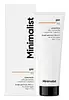 Key Ingredients
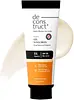
Benefits
Concerns
Ingredients Side-by-side
Water
Skin ConditioningOctocrylene
UV Absorber



Diisopropyl Adipate
EmollientPropylene Glycol Dicaprylate/Dicaprate
EmollientC12-15 Alkyl Benzoate
AntimicrobialDiisopropyl Sebacate
EmollientButyl Methoxydibenzoylmethane
UV Absorber
Isododecane
EmollientNiacinamide
Smoothing











Arachidyl Alcohol
Emollient
Behenyl Alcohol
Emollient
Arachidyl Glucoside
EmulsifyingCaprylic/Capric Triglyceride
Masking

Titanium Dioxide
Cosmetic Colorant
Ethylhexyl Triazone
UV Absorber
PEG-100 Stearate

Glyceryl Stearate
Emollient
Butylene Glycol
Humectant
Linoleic Acid
Cleansing
Linolenic Acid
Cleansing
Panthenol
Skin Conditioning
Sodium Hyaluronate
Humectant
Allantoin
Skin Conditioning
Tocopheryl Acetate
Antioxidant

Retinol
Skin Conditioning

Polysorbate 20
Emulsifying
Hydroxyethyl Acrylate/Sodium Acryloyldimethyl Taurate Copolymer
Emulsion StabilisingXanthan Gum
EmulsifyingPolyacrylate Crosspolymer-6
Emulsion StabilisingSilica
Abrasive
Acacia Senegal Gum
MaskingPhenoxyethanol
Preservative
Ethylhexylglycerin
Skin ConditioningTrisodium Ethylenediamine Disuccinate
Water, Octocrylene, Diisopropyl Adipate, Propylene Glycol Dicaprylate/Dicaprate, C12-15 Alkyl Benzoate, Diisopropyl Sebacate, Butyl Methoxydibenzoylmethane, Isododecane, Niacinamide, Arachidyl Alcohol, Behenyl Alcohol, Arachidyl Glucoside, Caprylic/Capric Triglyceride, Titanium Dioxide, Ethylhexyl Triazone, PEG-100 Stearate, Glyceryl Stearate, Butylene Glycol, Linoleic Acid, Linolenic Acid, Panthenol, Sodium Hyaluronate, Allantoin, Tocopheryl Acetate, Retinol, Polysorbate 20, Hydroxyethyl Acrylate/Sodium Acryloyldimethyl Taurate Copolymer, Xanthan Gum, Polyacrylate Crosspolymer-6, Silica, Acacia Senegal Gum, Phenoxyethanol, Ethylhexylglycerin, Trisodium Ethylenediamine Disuccinate
Water
Skin ConditioningC12-15 Alkyl Benzoate
AntimicrobialDiethylamino Hydroxybenzoyl Hexyl Benzoate
UV Filter
Ethylhexyl Triazone
UV Absorber
Bis-Ethylhexyloxyphenol Methoxyphenyl Triazine
Skin Conditioning
Phospholipids
Skin Conditioning
Polysorbate 80
Emulsifying
Butylene Glycol
Humectant
3-O-Ethyl Ascorbic Acid
Skin Conditioning
Glycerin
Humectant
Methylene Bis-Benzotriazolyl Tetramethylbutylphenol
UV Filter
Decyl Glucoside
Cleansing
Propylene Glycol
Humectant
Xanthan Gum
EmulsifyingEthylhexyl Salicylate
UV Absorber
Cetearyl Olivate
Sorbitan Olivate
Emulsifying
Coco-Caprylate/Caprate
Emollient
Polyglyceryl-2 Isostearate/Dimer Dilinoleate Copolymer
EmollientSqualane
Emollient
Butyloctyl Salicylate
Skin Conditioning
Sodium Carbomer
Emulsion StabilisingGlyceryl Dibehenate
Emollient
Phenoxyethanol
Preservative
Ethylhexylglycerin
Skin ConditioningHydrated Silica
Abrasive
Sodium Gluconate
Skin ConditioningGlycine Soja Oil
Emollient


Daucus Carota Sativa Root Extract
Skin Conditioning
Beta-Carotene
Skin ConditioningTocopherol
Antioxidant
Dehydroxanthan Gum
Emulsion StabilisingAcrylates/C10-30 Alkyl Acrylate Crosspolymer
Emulsion StabilisingTriethanolamine
BufferingWater, C12-15 Alkyl Benzoate, Diethylamino Hydroxybenzoyl Hexyl Benzoate, Ethylhexyl Triazone, Bis-Ethylhexyloxyphenol Methoxyphenyl Triazine, Phospholipids, Polysorbate 80, Butylene Glycol, 3-O-Ethyl Ascorbic Acid, Glycerin, Methylene Bis-Benzotriazolyl Tetramethylbutylphenol, Decyl Glucoside, Propylene Glycol, Xanthan Gum, Ethylhexyl Salicylate, Cetearyl Olivate, Sorbitan Olivate, Coco-Caprylate/Caprate, Polyglyceryl-2 Isostearate/Dimer Dilinoleate Copolymer, Squalane, Butyloctyl Salicylate, Sodium Carbomer, Glyceryl Dibehenate, Phenoxyethanol, Ethylhexylglycerin, Hydrated Silica, Sodium Gluconate, Glycine Soja Oil, Daucus Carota Sativa Root Extract, Beta-Carotene, Tocopherol, Dehydroxanthan Gum, Acrylates/C10-30 Alkyl Acrylate Crosspolymer, Triethanolamine
Reviews
Ingredients Explained
These ingredients are found in both products.
Ingredients higher up in an ingredient list are typically present in a larger amount.
Butylene Glycol (or BG) is used within cosmetic products for a few different reasons:
Overall, Butylene Glycol is a safe and well-rounded ingredient that works well with other ingredients.
Though this ingredient works well with most skin types, some people with sensitive skin may experience a reaction such as allergic rashes, closed comedones, or itchiness.
Learn more about Butylene GlycolC12-15 Alkyl Benzoate is made up of Benzoic Acid and long chain alcohols. It has a low molecular weight.
C12-15 Alkyl Benzoate is an emollient and texture enhancer. Due to its solubility, it is often used in sunscreens to help evenly distribute active ingredients.
As an emollient, C12-15 Alkyl Benzoate helps soften and hydrate your skin. Emollients create a film on your skin that traps moisture within.
This ingredient has been reported to cause eye irritation.
Learn more about C12-15 Alkyl BenzoateEthylhexyl Triazone is a modern chemical sunscreen that protects from UV-B radiation.
It is the most effective of existing UV-B filters, as it provides the highest level of photo-stable absorption. It protects from the entire UV-B range (280 to 320nm), with it's highest level of protection at 314nm.
Ethylhexyl Triazone is oil soluble, oderless and colorless, which mean it is able to be incorporated into a variety of different formulations.
It is not currently available within the United States due to slow changing FDA regulations. Outside of the US, it is used in formulations at concentrations up to 5%.
Learn more about Ethylhexyl TriazoneEthylhexylglycerin is created from glycerin. It is a multitasker ingredient that:
The CIR Expert Panel found minimal skin absorption or sensitization of any kind in a safety assessment. Though this ingredient is considered well-tolerated, a small number of cases of allergic dermatitis have been published since 2002. Just be sure to patch test if you are unsure.
Industry-reported use ranges from 8% in rinse-off products and 2% in leave-on formulations.
Learn more about EthylhexylglycerinPhenoxyethanol is a preservative that has germicide, antimicrobial, and aromatic properties. Studies show that phenoxyethanol can prevent microbial growth. By itself, it has a scent that is similar to that of a rose.
It's often used in formulations along with Caprylyl Glycol to preserve the shelf life of products.
Water. It's the most common cosmetic ingredient of all. You'll usually see it at the top of ingredient lists, meaning that it makes up the largest part of the product.
So why is it so popular? Water most often acts as a solvent - this means that it helps dissolve other ingredients into the formulation.
You'll also recognize water as that liquid we all need to stay alive. If you see this, drink a glass of water. Remember to stay hydrated!
Learn more about WaterXanthan gum is used as a stabilizer and thickener within cosmetic products. It helps give products a sticky, thick feeling - preventing them from being too runny.
On the technical side of things, xanthan gum is a polysaccharide - a combination consisting of multiple sugar molecules bonded together.
Xanthan gum is a pretty common and great ingredient. It is a natural, non-toxic, non-irritating ingredient that is also commonly used in food products.
Learn more about Xanthan Gum
