This anti-aging moisturizer is formulated around Hydroxypinacolone Retinoate and Sodium Hyaluronate to soften the look of wrinkles and refine skin texture.


What's inside
What's inside
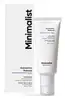 Key Ingredients
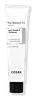
Benefits
Concerns
No concerns
Ingredients Side-by-side
Water
Skin ConditioningDimethyl Isosorbide
SolventEthoxydiglycol
HumectantCoco-Caprylate/Caprate
Emollient
Caprylic/Capric Triglyceride
Masking

Propanediol
Solvent
Hydroxypinacolone Retinoate
Skin Conditioning







Tocopheryl Acetate
Antioxidant

Arachidyl Alcohol
Emollient
Behenyl Alcohol
Emollient
Arachidyl Glucoside
EmulsifyingSodium Hyaluronate
Humectant

Lysine
Skin ConditioningHistidine
Humectant
Arginine
Masking
Aspartic Acid
Masking
Threonine
Serine
Masking
Glutamic Acid
Humectant
Proline
Skin Conditioning
Glycine
Buffering
Alanine
Masking
Valine
MaskingMethionine
Skin ConditioningIsoleucine
Skin ConditioningLeucine
Skin ConditioningTyrosine
MaskingPhenylalanine
Masking
Cysteine
Antioxidant
1,2-Hexanediol
Skin Conditioning
Phenoxyethanol
Preservative
Pullulan
Ethylhexylglycerin
Skin ConditioningXanthan Gum
EmulsifyingHydroxyethylcellulose
Emulsion StabilisingSclerotium Gum
Emulsion StabilisingTrisodium Ethylenediamine Disuccinate
Lecithin
Emollient
Water, Dimethyl Isosorbide, Ethoxydiglycol, Coco-Caprylate/Caprate, Caprylic/Capric Triglyceride, Propanediol, Hydroxypinacolone Retinoate, Tocopheryl Acetate, Arachidyl Alcohol, Behenyl Alcohol, Arachidyl Glucoside, Sodium Hyaluronate, Lysine, Histidine, Arginine, Aspartic Acid, Threonine, Serine, Glutamic Acid, Proline, Glycine, Alanine, Valine, Methionine, Isoleucine, Leucine, Tyrosine, Phenylalanine, Cysteine, 1,2-Hexanediol, Phenoxyethanol, Pullulan, Ethylhexylglycerin, Xanthan Gum, Hydroxyethylcellulose, Sclerotium Gum, Trisodium Ethylenediamine Disuccinate, Lecithin
Water
Skin ConditioningCaprylic/Capric Triglyceride
Masking
Propanediol
Solvent
Glycerin
Humectant
Tocopheryl Acetate
Antioxidant
Cetearyl Alcohol
Emollient




Butyrospermum Parkii Butter
Skin Conditioning
Panthenol
Skin Conditioning
Trehalose
Humectant
Glycine Soja Oil
Emollient

Ammonium Acryloyldimethyltaurate/Vp Copolymer
Dimethicone
Emollient
Glyceryl Polymethacrylate
Helianthus Annuus Seed Oil
Emollient
Polyglyceryl-10 Stearate
Skin Conditioning
Hydrogenated Lecithin
Emulsifying
Hydroxyethyl Acrylate/Sodium Acryloyldimethyl Taurate Copolymer
Emulsion StabilisingCarbomer
Emulsion StabilisingTromethamine
BufferingGlyceryl Stearate
Emollient
Polysilicone-11
Sodium Sulfite
Preservative
Tocopherol
Antioxidant
Daucus Carota Sativa Root Extract
Skin Conditioning
Allantoin
Skin Conditioning
Glyceryl Caprylate
EmollientOryza Sativa Bran Wax
Skin Conditioning
Retinol
Skin Conditioning
Tocotrienols
Skin Conditioning
Stearic Acid
Cleansing
Polyglyceryl-3 Methylglucose Distearate
Emulsifying
Palmitic Acid
Emollient
Disodium EDTA
Ethylhexylglycerin
Skin ConditioningAdenosine
Skin Conditioning
Sorbitan Isostearate
Emulsifying
Elaeis Guineensis Oil
Emollient
BHT
Antioxidant
Beta-Carotene
Skin ConditioningMyristic Acid
Cleansing
Lauric Acid
Cleansing
3-O-Ethyl Ascorbic Acid
Skin Conditioning
Ascorbic Acid
Antioxidant
Glutathione
Limnanthes Alba Seed Oil
Skin Conditioning
Sodium Hyaluronate
Humectant
1,2-Hexanediol
Skin Conditioning
Hydrolyzed Hyaluronic Acid
Humectant
Sodium Hyaluronate Crosspolymer
Humectant
Hyaluronic Acid
Humectant
Sodium Acetylated Hyaluronate
Humectant
Water, Caprylic/Capric Triglyceride, Propanediol, Glycerin, Tocopheryl Acetate, Cetearyl Alcohol, Butyrospermum Parkii Butter, Panthenol, Trehalose, Glycine Soja Oil, Ammonium Acryloyldimethyltaurate/Vp Copolymer, Dimethicone, Glyceryl Polymethacrylate, Helianthus Annuus Seed Oil, Polyglyceryl-10 Stearate, Hydrogenated Lecithin, Hydroxyethyl Acrylate/Sodium Acryloyldimethyl Taurate Copolymer, Carbomer, Tromethamine, Glyceryl Stearate, Polysilicone-11, Sodium Sulfite, Tocopherol, Daucus Carota Sativa Root Extract, Allantoin, Glyceryl Caprylate, Oryza Sativa Bran Wax, Retinol, Tocotrienols, Stearic Acid, Polyglyceryl-3 Methylglucose Distearate, Palmitic Acid, Disodium EDTA, Ethylhexylglycerin, Adenosine, Sorbitan Isostearate, Elaeis Guineensis Oil, BHT, Beta-Carotene, Myristic Acid, Lauric Acid, 3-O-Ethyl Ascorbic Acid, Ascorbic Acid, Glutathione, Limnanthes Alba Seed Oil, Sodium Hyaluronate, 1,2-Hexanediol, Hydrolyzed Hyaluronic Acid, Sodium Hyaluronate Crosspolymer, Hyaluronic Acid, Sodium Acetylated Hyaluronate
Reviews
Ingredients Explained
These ingredients are found in both products.
Ingredients higher up in an ingredient list are typically present in a larger amount.
1,2-Hexanediol is a synthetic liquid and another multi-functional powerhouse.
It is a:
- Humectant, drawing moisture into the skin
- Emollient, helping to soften skin
- Solvent, dispersing and stabilizing formulas
- Preservative booster, enhancing the antimicrobial activity of other preservatives
Caprylic/Capric Triglyceride (aka MCT Oil) is a lightweight emollient, solvent, and texture enhancer. It is considered a skin-softener by helping to prevent moisture loss.
Though it behaves like an oil, it is not technically one due to its chemical composition. One perk of this ingredient is that it is very stable, resistant to oxidation, and unlikely to go rancid.
In practice, that translates to a long shelf life and a consistently elegant skin feel.
While there is an assumption Caprylic Triglyceride can clog pores due to it being derived from coconut oil, there is no research supporting this. Just patch test if you have concerns.
Fractionated coconut oil and MCT Oil are both listed as Caprylic/Capric Triglyceride according to INCI. This is because INCI names are based on the ingredient’s final chemical composition and not its marketing name or source.
This ingredient is treated as the gold standard fungal acne safe oil. Even though it is coconut derived, the problematic lauric acid is stripped out.
This leaves just caprylic (C8) and capric (C10) acid. These chain lengths actually trend antifungal; a 2020 study found caprylic acid was enough to disrupt Malassezia furfur cell membrane, with a caprylic acid derivative damaging membrane structures at concentrations as low as 0.2%.
Learn more about Caprylic/Capric TriglycerideEthylhexylglycerin is created from glycerin. It is a multitasker ingredient that:
The CIR Expert Panel found minimal skin absorption or sensitization of any kind in a safety assessment. Though this ingredient is considered well-tolerated, a small number of cases of allergic dermatitis have been published since 2002. Just be sure to patch test if you are unsure.
Industry-reported use ranges from 8% in rinse-off products and 2% in leave-on formulations.
Learn more about EthylhexylglycerinPropanediol is an all-star ingredient. It softens, hydrates, and smooths the skin.
It’s often used to:
Propanediol is not likely to cause sensitivity and considered safe to use. It is derived from corn or petroleum with a clear color and no scent.
Learn more about PropanediolSodium Hyaluronate is the salt form of hyaluronic acid. It is a long sugar chain that is naturally found in your skin, joints, and connective tissue that maintains hydration and elasticity.
In skincare, it works as a humectant. It pulls water from the environment and deeper layers of skin and binds it to the surface.
Interestingly, the size of the molecule affects its behavior:
Some clinical evidence links low molecular weight versions to improved wrinkle depth, elasticity, anti-inflammatory effects, and barrier repair.
Many serums use a blend of both weights so you can get surface hydration plus longer-lasting and deeper effects.
You'll typically see concentrations between 0.1-2% for this ingredient.
Learn more about Sodium HyaluronateTocopheryl Acetate is a stable, shelf-friendly form of vitamin E.
Formulators love it because plain vitamin E oxidizes quickly once it hits air. This acetate version stays stable and resists going off, helping to extend a product's shelf life.
It's actually inactive on its own and works like a slow-release "storage" form; the enzymes in your skin called esterases gradually convert it into active vitamin E over time.
One in vivo study showed 5% of the acetate in the living layer of the epidermis converted to vitamin E after 5 days of application. This study also found the skin gained protection against UV damage even though the conversion was slow and small.
Once converted, vitamin E acts as a skin's main fat-soluble antioxidant that fights free radicals to protect skin from damage.
Topical vitamin E generally boosts the skin's photoprotection, and it reduced UV-damage in animal models.
This ingredient has some brightening potential but it's more of a prevention ingredient than spot-fader. Cell studies show it can slow down melanin production but it's worth noting that it's not the most powerful brightener out there.
Overall, it has a pretty solid safety profile and has been found to be non-irritating and non-comedogenic. Allergic reactions may happen but stay rare due to how widely the ingredient gets used.
The concentration will vary depending on the formula; industry data shows 0.1% in baby lotions, 3% in lipsticks, and 5% in foot powders. You can also find this ingredient at 100% in a pure vitamin E oil.
Most leave-on skincare keeps it at the lower end, often between 0.5-1%.
Learn more about Tocopheryl AcetateWater. It's the most common cosmetic ingredient of all. You'll usually see it at the top of ingredient lists, meaning that it makes up the largest part of the product.
So why is it so popular? Water most often acts as a solvent - this means that it helps dissolve other ingredients into the formulation.
You'll also recognize water as that liquid we all need to stay alive. If you see this, drink a glass of water. Remember to stay hydrated!
Learn more about Water

