
What's inside
What's inside
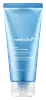 Key Ingredients
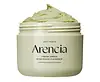
Benefits
Concerns
Ingredients Side-by-side
Water
Skin ConditioningGlycerin
Humectant


Myristic Acid
Cleansing

Sorbitol
Humectant
Palmitic Acid
Emollient
Potassium Hydroxide
BufferingStearic Acid
Cleansing
Lauric Acid
Cleansing
Cetearyl Olivate
Potassium Cocoyl Glycinate

Parfum
Masking



Sodium Cocoyl Isethionate
Cleansing
Sorbitan Olivate
Emulsifying
Potassium Cocoate
Emulsifying
Coconut Acid
Cleansing
Butylene Glycol
Humectant
Sodium Isethionate
CleansingSodium Polyacrylate
Absorbent
Portulaca Oleracea Extract
Skin Conditioning

Gaultheria Procumbens Leaf Extract
Perfuming
Disodium EDTA
Camellia Japonica Flower Extract
EmollientPropanediol
Solvent
Diisopropyl Adipate
EmollientLecithin
Emollient
1,2-Hexanediol
Skin Conditioning
Saponaria Officinalis Leaf Extract
AntimicrobialAcrylic Acid/Acrylamidomethyl Propane Sulfonic Acid Copolymer
Dimethylmethoxy Chromanol
Antioxidant
Glyceryl Caprylate
EmollientCitric Acid
Buffering

Potassium Sorbate
Preservative
Sodium Benzoate
Masking
Xanthan Gum
EmulsifyingChaenomeles Sinensis Fruit Extract
Antioxidant
Citrus Aurantium Dulcis Flower Extract
Skin ConditioningMelissa Officinalis Leaf Extract
Skin ConditioningWater, Glycerin, Myristic Acid, Sorbitol, Palmitic Acid, Potassium Hydroxide, Stearic Acid, Lauric Acid, Cetearyl Olivate, Potassium Cocoyl Glycinate, Parfum, Sodium Cocoyl Isethionate, Sorbitan Olivate, Potassium Cocoate, Coconut Acid, Butylene Glycol, Sodium Isethionate, Sodium Polyacrylate, Portulaca Oleracea Extract, Gaultheria Procumbens Leaf Extract, Disodium EDTA, Camellia Japonica Flower Extract, Propanediol, Diisopropyl Adipate, Lecithin, 1,2-Hexanediol, Saponaria Officinalis Leaf Extract, Acrylic Acid/Acrylamidomethyl Propane Sulfonic Acid Copolymer, Dimethylmethoxy Chromanol, Glyceryl Caprylate, Citric Acid, Potassium Sorbate, Sodium Benzoate, Xanthan Gum, Chaenomeles Sinensis Fruit Extract, Citrus Aurantium Dulcis Flower Extract, Melissa Officinalis Leaf Extract
Glycerin
Humectant
Water
Skin ConditioningSodium Cocoyl Isethionate
Cleansing
Prunus Amygdalus Dulcis Seed Meal
Abrasive
Sodium Cocoyl Glycinate
Cleansing
1,2-Hexanediol
Skin Conditioning
Coconut Acid
Cleansing
Sodium Methyl Cocoyl Taurate
Cleansing
Oryza Sativa Powder
Parfum
Masking
Kaolin
Abrasive


Sodium Isethionate
CleansingCamellia Sinensis Leaf Powder
Glyceryl Stearate
Emollient
Hydroxypropyl Starch Phosphate
Xanthan Gum
EmulsifyingSodium Chloride
MaskingDextrin
AbsorbentEthylhexylglycerin
Skin ConditioningGardenia Florida Fruit Extract
Skin ConditioningCamellia Sinensis Leaf Extract
Antimicrobial
Adansonia Digitata Fruit Extract
EmollientArtemisia Princeps Leaf Extract
Skin ConditioningAvena Sativa Kernel Extract
Abrasive
Caulerpa Lentillifera Extract
Centella Asiatica Extract
Cleansing
Chamomilla Recutita Flower Extract
Masking
Coffea Arabica Seed Extract
Masking
Eucalyptus Globulus Leaf Extract
Perfuming
Ficus Carica Fruit Extract
Humectant
Glycyrrhiza Uralensis Extract
EmollientHamamelis Virginiana Extract
Antiseborrhoeic
Hyssopus Officinalis Extract
MaskingLycium Chinense Fruit Extract
Antioxidant
Melaleuca Alternifolia Leaf Extract
Perfuming
Nelumbo Nucifera Leaf Extract
Skin ConditioningOryza Sativa Extract
Absorbent
Panax Ginseng Root Extract
Emollient
Portulaca Oleracea Extract
Skin Conditioning
Saururus Chinensis Extract
Skin ConditioningSolanum Melongena Fruit Extract
Skin ConditioningGlycerin, Water, Sodium Cocoyl Isethionate, Prunus Amygdalus Dulcis Seed Meal, Sodium Cocoyl Glycinate, 1,2-Hexanediol, Coconut Acid, Sodium Methyl Cocoyl Taurate, Oryza Sativa Powder, Parfum, Kaolin, Sodium Isethionate, Camellia Sinensis Leaf Powder, Glyceryl Stearate, Hydroxypropyl Starch Phosphate, Xanthan Gum, Sodium Chloride, Dextrin, Ethylhexylglycerin, Gardenia Florida Fruit Extract, Camellia Sinensis Leaf Extract, Adansonia Digitata Fruit Extract, Artemisia Princeps Leaf Extract, Avena Sativa Kernel Extract, Caulerpa Lentillifera Extract, Centella Asiatica Extract, Chamomilla Recutita Flower Extract, Coffea Arabica Seed Extract, Eucalyptus Globulus Leaf Extract, Ficus Carica Fruit Extract, Glycyrrhiza Uralensis Extract, Hamamelis Virginiana Extract, Hyssopus Officinalis Extract, Lycium Chinense Fruit Extract, Melaleuca Alternifolia Leaf Extract, Nelumbo Nucifera Leaf Extract, Oryza Sativa Extract, Panax Ginseng Root Extract, Portulaca Oleracea Extract, Saururus Chinensis Extract, Solanum Melongena Fruit Extract
Reviews
Ingredients Explained
These ingredients are found in both products.
Ingredients higher up in an ingredient list are typically present in a larger amount.
1,2-Hexanediol is a synthetic liquid and another multi-functional powerhouse.
It is a:
- Humectant, drawing moisture into the skin
- Emollient, helping to soften skin
- Solvent, dispersing and stabilizing formulas
- Preservative booster, enhancing the antimicrobial activity of other preservatives
Coconut acid is a mixture of fatty acids obtains by hydrolyzing coconut oil and then distilling the fatty acid portion. It works as a cleansing surfactant, emollient, and emulsifier depending on the formulation.
This ingredient is not a single compound but reflects the fatty acid profile of coconut oil itself, which is about 90% saturated. The dominant fatty acid is lauric acid (44-54%) and then myristic acid (13-19%). There are small amount of caprylic, capric, palmitic, oleic, and linoleic acids.
Human testing from CIR has shown no indication this ingredient to be a primary irritant, sensitizer, or phototoxic compound. It's also COSMOS-approved for natural and organic products.
Due to the high fatty acid content, this ingredient may not be fungal acne safe.
Learn more about Coconut AcidGlycerin (or glycerol) is a compound naturally found in your skin. It's a powerhouse humectant that pulls water into the stratum corneum.
Topically, glycerin does several things at once:
Your skin makes glycerin on its own (mostly from sebaceous oil breakdown) and shuttles it to your outermost layer of skin, or your epidermis, via aquaporin-3.
Aquaporin-3 is a transporter that is essential for normal skin hydration, elasticity, and repair. Interestingly, mice lacking in AQP3 have dry and less elastic skin that can be fully corrected with glycerin.
This ingredient is non-irritating, plays well with almost every ingredient, and works across all skin types. Typical use is anywhere between 3-10% but can go up to 79% in some leave-on products.
Just know very high concentrations (>40%) can feel tacky in low humidity.
Glycerin is the name for this ingredient in American English. British English uses Glycerol/Glycerine.
Learn more about GlycerinParfum is a catch-all term for an ingredient or more that is used to give a scent to products.
Also called "fragrance", this ingredient can be a blend of hundreds of chemicals or plant oils. This means every product with "fragrance" or "parfum" in the ingredients list is a different mixture.
For instance, Habanolide is a proprietary trade name for a specific aroma chemical. When used as a fragrance ingredient in cosmetics, most aroma chemicals fall under the broad labeling category of “FRAGRANCE” or “PARFUM” according to EU and US regulations.
The term 'parfum' or 'fragrance' is not regulated in many countries. In many cases, it is up to the brand to define this term.
For instance, many brands choose to label themselves as "fragrance-free" because they are not using synthetic fragrances. However, their products may still contain ingredients such as essential oils that are considered a fragrance by INCI standards.
One example is Calendula flower extract. Calendula is an essential oil that still imparts a scent or 'fragrance'.
Depending on the blend, the ingredients in the mixture can cause allergies and sensitivities on the skin. Some ingredients that are known EU allergens include linalool and citronellol.
Parfum can also be used to mask or cover an unpleasant scent.
The bottom line is: not all fragrances/parfum/ingredients are created equally. If you are worried about fragrances, we recommend taking a closer look at an ingredient. And of course, we always recommend speaking with a professional.
Learn more about ParfumThis extract comes from Purslane, a succulent. It has anti-inflammatory, antioxidant, and hydrating properties.
Purslane is very nutritious. It contains omega-3 fatty acids, NMFs, many vitamins, minerals, and antioxidants. The vitamins found in purslane include: Vitamin C, Vitamin A, and Vitamin E.
Fun fact: Purslane is a succulent with an extensive habitat. It is used in traditional Korean medicine to treat irritated skin.
Nowadays, purslane is becoming a superfood due to its highly nutritious content.
Learn more about Portulaca Oleracea ExtractSodium cocoyl isethionate is a natural ingredient from coconut oil. It is an ultra gentle cleanser that gives a nice foam without drying the skin or impacting the skin barrier.
The amount of foam created depends on the amount of sodium cocoyl isethionate used in the product.
This ingredient also helps improve the spreadability of a product.
This ingredient hasn’t been shown in studies to feed fungal acne yeast.
Learn more about Sodium Cocoyl IsethionateWe don't have a description for Sodium Isethionate yet.
Water. It's the most common cosmetic ingredient of all. You'll usually see it at the top of ingredient lists, meaning that it makes up the largest part of the product.
So why is it so popular? Water most often acts as a solvent - this means that it helps dissolve other ingredients into the formulation.
You'll also recognize water as that liquid we all need to stay alive. If you see this, drink a glass of water. Remember to stay hydrated!
Learn more about WaterXanthan gum is used as a stabilizer and thickener within cosmetic products. It helps give products a sticky, thick feeling - preventing them from being too runny.
On the technical side of things, xanthan gum is a polysaccharide - a combination consisting of multiple sugar molecules bonded together.
Xanthan gum is a pretty common and great ingredient. It is a natural, non-toxic, non-irritating ingredient that is also commonly used in food products.
Learn more about Xanthan Gum
