MDSolarSciences MD Restore Eye Gel Versus Estée Lauder Advanced Night Repair Eye Lift + Sculpt Eye Cream
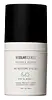
This anti-aging eye moisturizer is formulated around Palmitoyl Tetrapeptide-7 and Acetyl Hexapeptide-8 to soften the look of wrinkles.
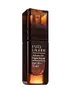
This anti-aging eye moisturizer is formulated around Bifida Ferment Filtrate and Acetyl Hexapeptide-8 to soften the look of wrinkles and strengthen the skin barrier.

What's inside
What's inside
 Key Ingredients
Benefits
Concerns
Ingredients Side-by-side
Water
Skin ConditioningDimethicone
Emollient

Dimethicone Crosspolymer
Emulsion Stabilising
Propanediol
Solvent

Glycerin
Humectant
PEG-10 Dimethicone
Skin Conditioning
Ferric Hexapeptide-35
Skin Conditioning
Palmitoyl Tetrapeptide-7
Skin Conditioning

Dipeptide-2
Skin Conditioning
Palmitoyl Tripeptide-1
Skin Conditioning
Acetyl Hexapeptide-8
Humectant
Caffeine
Skin Conditioning
Niacinamide
Smoothing






Sodium Ascorbyl Phosphate
Antioxidant

Sodium Hyaluronate
Humectant
Tremella Fuciformis Extract
Humectant
Lecithin
Emollient
Allantoin
Skin Conditioning
Panthenol
Skin Conditioning
Tocopherol
Antioxidant
Aloe Barbadensis Leaf Extract
Emollient
Camellia Sinensis Leaf Extract
Antimicrobial
Chamomilla Recutita Extract
Skin Conditioning
Laminaria Digitata Extract
Skin Protecting

Vitis Vinifera Callus Culture Extract
Zea Mays Oil
Emulsifying



Phenylpropanol
Masking
Helianthus Annuus Seed Oil
Emollient
Rosmarinus Officinalis Leaf Extract
AntimicrobialProline
Skin Conditioning
Diatomaceous Earth
Abrasive
Rosa Moschata Seed Oil
Emollient
Caprylyl Glycol
Emollient
Butylene Glycol
Humectant
Disteardimonium Hectorite
StabilisingSorbitol
Humectant
Caprylhydroxamic Acid
ChelatingHesperidin Methyl Chalcone
Antioxidant
Carbomer
Emulsion StabilisingXanthan Gum
EmulsifyingPolysorbate 20
Emulsifying
Disodium EDTA
ChelatingGlyceryl Caprylate
EmollientSteareth-20
CleansingWater, Dimethicone, Dimethicone Crosspolymer, Propanediol, Glycerin, PEG-10 Dimethicone, Ferric Hexapeptide-35, Palmitoyl Tetrapeptide-7, Dipeptide-2, Palmitoyl Tripeptide-1, Acetyl Hexapeptide-8, Caffeine, Niacinamide, Sodium Ascorbyl Phosphate, Sodium Hyaluronate, Tremella Fuciformis Extract, Lecithin, Allantoin, Panthenol, Tocopherol, Aloe Barbadensis Leaf Extract, Camellia Sinensis Leaf Extract, Chamomilla Recutita Extract, Laminaria Digitata Extract, Vitis Vinifera Callus Culture Extract, Zea Mays Oil, Phenylpropanol, Helianthus Annuus Seed Oil, Rosmarinus Officinalis Leaf Extract, Proline, Diatomaceous Earth, Rosa Moschata Seed Oil, Caprylyl Glycol, Butylene Glycol, Disteardimonium Hectorite, Sorbitol, Caprylhydroxamic Acid, Hesperidin Methyl Chalcone, Carbomer, Xanthan Gum, Polysorbate 20, Disodium EDTA, Glyceryl Caprylate, Steareth-20
Water
Skin ConditioningDimethicone
Emollient
Glycerin
Humectant
Butylene Glycol
Humectant
Isohexadecane
EmollientBis-PEG-18 Methyl Ether Dimethyl Silane
EmollientPEG-10 Dimethicone
Skin Conditioning
Disteardimonium Hectorite
StabilisingBifida Ferment Filtrate
Skin Conditioning
Isopropyl Isostearate
Emollient
PPG-15 Stearyl Ether
EmollientTripeptide-32
Skin Conditioning
Acetyl Hexapeptide-8
Humectant
Hexapeptide-9
Skin Conditioning
Bifida Ferment Lysate
Skin Conditioning
Adansonia Digitata Seed Extract
Skin ConditioningSodium Hyaluronate
Humectant
Lactobacillus Ferment
Skin Conditioning
Faex Extract
Skin ConditioningAminopropyl Ascorbyl Phosphate
Antioxidant
Laminaria Digitata Extract
Skin Protecting
Tocopherol
Antioxidant
Tocopheryl Acetate
Antioxidant
Caffeine
Skin Conditioning
Algae Extract
Emollient
Hydrolyzed Algin
Whey Protein
Skin ConditioningHelianthus Annuus Seed Extract
Skin Conditioning
Citrullus Lanatus Fruit Extract
Skin Conditioning
Lens Esculenta Fruit Extract
Skin ConditioningPyrus Malus Fruit Extract
Skin Conditioning
Hordeum Vulgare Extract
EmollientGlycine Soja Seed Extract
Skin Conditioning
Cucumis Sativus Fruit Extract
Emollient
Anthemis Nobilis Flower Extract
Masking
Betula Alba Bark Extract
Masking
Propylene Glycol Dicaprate
EmollientSodium Polyaspartate
HumectantSodium Lactate
Buffering
Sodium Rna
Skin ConditioningSodium PCA
Humectant
Ethylhexylglycerin
Skin ConditioningGlucose
Humectant
Sucrose
Humectant
Fructose
Humectant
Polyacrylate Crosspolymer-6
Emulsion Stabilising1,2-Hexanediol
Skin Conditioning
Propylene Carbonate
SolventPolysilicone-11
Hydroxyacetophenone
Antioxidant
Lecithin
Emollient
BHT
Antioxidant
Disodium EDTA
ChelatingPhenoxyethanol
Preservative
Sodium Dehydroacetate
Preservative
Potassium Sorbate
Preservative
Sodium Benzoate
Masking
CI 77491
Cosmetic ColorantWater, Dimethicone, Glycerin, Butylene Glycol, Isohexadecane, Bis-PEG-18 Methyl Ether Dimethyl Silane, PEG-10 Dimethicone, Disteardimonium Hectorite, Bifida Ferment Filtrate, Isopropyl Isostearate, PPG-15 Stearyl Ether, Tripeptide-32, Acetyl Hexapeptide-8, Hexapeptide-9, Bifida Ferment Lysate, Adansonia Digitata Seed Extract, Sodium Hyaluronate, Lactobacillus Ferment, Faex Extract, Aminopropyl Ascorbyl Phosphate, Laminaria Digitata Extract, Tocopherol, Tocopheryl Acetate, Caffeine, Algae Extract, Hydrolyzed Algin, Whey Protein, Helianthus Annuus Seed Extract, Citrullus Lanatus Fruit Extract, Lens Esculenta Fruit Extract, Pyrus Malus Fruit Extract, Hordeum Vulgare Extract, Glycine Soja Seed Extract, Cucumis Sativus Fruit Extract, Anthemis Nobilis Flower Extract, Betula Alba Bark Extract, Propylene Glycol Dicaprate, Sodium Polyaspartate, Sodium Lactate, Sodium Rna, Sodium PCA, Ethylhexylglycerin, Glucose, Sucrose, Fructose, Polyacrylate Crosspolymer-6, 1,2-Hexanediol, Propylene Carbonate, Polysilicone-11, Hydroxyacetophenone, Lecithin, BHT, Disodium EDTA, Phenoxyethanol, Sodium Dehydroacetate, Potassium Sorbate, Sodium Benzoate, CI 77491
Ingredients Explained
These ingredients are found in both products.
Ingredients higher up in an ingredient list are typically present in a larger amount.
Acetyl Hexapeptide-8 (also known as Argireline) is a synthetic hexapeptide that is often called a "topical Botox alternative".
It works by mimicking how Botox relaxes muscles; it interferes with the signaling process that tells your facial muscles to contract. This can help soften expression lines like forehead wrinkles or crow's feet over time.
The comparison to Botox does have limits because the molecule is water-loving and relatively large.
Acetyl Hexapeptide-8 has a hard time absorbing deeply enough through the skin's outer barrier to actually reach the muscles.
So whether it truly works the way Botox does at a biological level is still up for debate, but early clinical outcomes are fairly encouraging.
A 12 week human study of a multi-ingredient regimen containing this ingredient saw:
While some studies have observed improvements in wrinkle appearance, it is important to note that more consistent results are seen in multi-ingredient formulations (vs just Acetyl Hexapeptide-8 alone).
Some research studies also used higher concentrations (up to 10%) while this ingredient is usually found in concentrations up to 0.005% in leave-on formulations.
Learn more about Acetyl Hexapeptide-8Butylene Glycol (or BG) is used within cosmetic products for a few different reasons:
Overall, Butylene Glycol is a safe and well-rounded ingredient that works well with other ingredients.
Though this ingredient works well with most skin types, some people with sensitive skin may experience a reaction such as allergic rashes, closed comedones, or itchiness.
Learn more about Butylene GlycolCaffeine is a naturally occurring plant compound found in coffee beans, tea leaves, cocoa pods, and guarana.
As an antioxidant, caffeine protects your skin from free radical damage caused by UV exposure and envionrmnetal stressors.
Early research also shows that caffeine can help calm redness, soothe irritated skin, and support hair growth by stimulating microcirculation in the scalp.
You might have seen eye creams marketing caffeine as a depuffing ingredient. This is because it is a vasoconstrictor meaning it can temporarily constrict blood vessels, though clinical evidence for this specific use is still limited.
Most skincare products contain this ingredient at concentrations between 1-6%. It is able to penetrate skin easily regardless of skin type or thickness.
Just so you know, a very small number of case reports describe caffeine-induced allergy. This ingredient is generally well-tolerated, non-irritating, and non-sensitizing for the majority of people.
Learn more about CaffeineDimethicone is a type of synthetic silicone created from natural materials such as quartz. It is also known as polydimethylsiloxane.
What it does:
Dimethicone comes in different viscosities:
Depending on the viscosity, dimethicone has different properties.
Ingredients lists don't always show which type is used, so we recommend reaching out to the brand if you have questions about the viscosity.
This ingredient is unlikely to cause irritation because it does not get absorbed into skin. However, people with silicone allergies should be careful about using this ingredient.
Note: Dimethicone may contribute to pilling. This is because it is not oil or water soluble, so pilling may occur when layered with products. When mixed with heavy oils in a formula, the outcome is also quite greasy.
Learn more about DimethiconeDisodium EDTA is a chelating agent. It grabs onto and deactivates metal ions that sneak into your products from water, packaging, or air.
This ingredient mainly works behind the scenes and helps with:
On top of that, this ingredient can counteract the effects of hard water by binding to the minerals in it.
One thing worth knowing is that Disodium EDTA has been shown to be a mild penetration enhancer. It can help other ingredients absorb into skin more effectively which can be a double-edged sword (great for actives, but can also make the active too strong if you have sensitive skin).
Clinical patch testing showed no significant skin irritation at typical use concentrations and minimal dermal absorption.
You'll most likely see this ingredient near the end of an ingredient list. It's typically found in concentrations less than 1%.
Learn more about Disodium EDTADisteardimonium Hectorite comes from the clay mineral named hectorite. It is used to add thickness to a product.
It can also help stabilize a product by helping to disperse other ingredients.
Hectorite is a rare, white clay mineral.
Learn more about Disteardimonium HectoriteGlycerin (or glycerol) is a compound naturally found in your skin. It's a powerhouse humectant that pulls water into the stratum corneum.
Topically, glycerin does several things at once:
Your skin makes glycerin on its own (mostly from sebaceous oil breakdown) and shuttles it to your outermost layer of skin, or your epidermis, via aquaporin-3.
Aquaporin-3 is a transporter that is essential for normal skin hydration, elasticity, and repair. Interestingly, mice lacking in AQP3 have dry and less elastic skin that can be fully corrected with glycerin.
This ingredient is non-irritating, plays well with almost every ingredient, and works across all skin types. Typical use is anywhere between 3-10% but can go up to 79% in some leave-on products.
Just know very high concentrations (>40%) can feel tacky in low humidity.
Glycerin is the name for this ingredient in American English. British English uses Glycerol/Glycerine.
Learn more about GlycerinLaminaria Digitata Extract comes from the big brown seaweed (or kelp) that grows in the North Atlantic. In skincare, it's mostly used as a skin protectant and conditioning agent.
The most interesting stuff inside is mostly just sugars and minerals: fucoidan (a sulfated polysaccharide), laminarin (a beta-glucan), alginates, and phlorotannins (seaweed polyphenols).
Any antioxidant and soothing claims mostly come from those polysaccharides; crude laminarin and fucoidan from Laminaria digitata do show antioxidant and anti-inflammatory activity in lab assays.
Just know that the lab assays are test-tube work on isolated compounds and not clinical trials on the finished extract.
Realistically, this ingredient is a nice-feeling and hydrating skin conditioner (not really an active).
Safety-wise, it's one of the better documented seaweeds and safe to be used in cosmetics according to the CIR Expert Panel.
Industry surveys find that usage concentrations run can be found up to 5% in bubble baths and leave-on usage is more likely 0.1-3%.
The risk of allergy is also quite low as human repeat insult patch tests (under 5% and blends containing 8-12%) came back non-irritating and non-sensitizing. Rabbit studies came back negative too, though one trade mixture at 1.5-2.5% in water + propylene glycol did cause moderate irritation at 30 minutes.
Reported seaweed allergies in the literature are almost all occupational (people handling wet kelp) or from a totally unrelated blue/green alga.
You'll see seaweed listed as a 5/5 on a lot of pore-clogging charts and that number doesn't come from anywhere; it's not in the original rabbit-ear studies that most comedogenic ratings trace back to.
The reasoning behind the reputation is that seaweed is high in iodine and iodine can trigger acne-like breakouts when eaten. This traces back to a 1976 letter in Archives of Dermatology describing two women whose breakouts cleared after they stopped taking high-dose kelp supplements orally.
And the reaction of these two women wasn't clogged pores at all: it was an iodine-triggered pustular rash. Later research found normal dietary iodine doesn't meaningfully affect acne either and nobody has shown topical algae delivers enough iodine to matter.
What we do have is dozens of brown and red algae ingredients found to be non-irritating and non-sensitizing, and a handful of studies that found algae compounds may actually help acne.
However, plenty of people do report breaking out from algae-containing products. Skin is individual and it's worth avoiding if yours has reacted to algae before.
The 0-5 scale comes from applying ingredients to the inside of an albino rabbit's ear. Rabbit follicles are far more reactive than human ones so it over-predicts. Even petrolatum was reassigned as non-comedogenic by the original scientist, Kligman.
Here are three more problems of comedogenic ratings:
Learn more about Laminaria Digitata ExtractLecithin is a term for a group of substances found in the cell membranes of plants, animals, and humans. They are made up of phospholipids.
Thanks to its amphiphilic structure (water-loving head and oil-loving tail), it is a true multitasker:
It plays well with most ingredients and is typically used at 0.1-1%. However, concentrations up to 50% have been reported in moisturizers.
Learn more about LecithinPeg-10 Dimethicone is silicone with conditioner and emulsifier properties. It mostly acts as an emollient in skincare and and humectant in haircare.
According to the manufacturer, acidic formulations decrease the stability of this ingredient. It works best in neutral or near neutral formulations.
Sodium Hyaluronate is the salt form of hyaluronic acid. It is a long sugar chain that is naturally found in your skin, joints, and connective tissue that maintains hydration and elasticity.
In skincare, it works as a humectant. It pulls water from the environment and deeper layers of skin and binds it to the surface.
Interestingly, the size of the molecule affects its behavior:
Some clinical evidence links low molecular weight versions to improved wrinkle depth, elasticity, anti-inflammatory effects, and barrier repair.
Many serums use a blend of both weights so you can get surface hydration plus longer-lasting and deeper effects.
You'll typically see concentrations between 0.1-2% for this ingredient.
Learn more about Sodium HyaluronateTocopherol is a fat-soluble antioxidant known as Vitamin E.
You'll find this ingredient in the vast majority of skincare (for good reason). It works to neutralize free radicals, or unstable molecules generated by UV exposure, pollution, and other environmental stressors, before they can cause oxidative damage to your skin cells.
Topically applied tocopherol has been shown to protect against UV damage by ramping up the skin's own natural defense enzymes.
It also acts as a skin conditioning agent; some studies show that regular topical use can improve the skin's water-binding capacity over 2-4 weeks.
This ingredient is especially loved for being a team player. When combined with Vitamin C, the photoprotective effect of both ingredients roughly doubles and the combo also helps reduce UV-induced DNA damage.
This ingredient has some brightening potential but it's more of a prevention ingredient than spot-fader. Cell studies show it can slow down melanin production but it's worth noting that it's not the most powerful brightener out there.
In formulations, it also serves as a stabilizer that helps protect other oxidation-prone ingredients from degrading.
Concentrations usually range from 0.1-1% in most leave-on products.
Learn more about TocopherolWater. It's the most common cosmetic ingredient of all. You'll usually see it at the top of ingredient lists, meaning that it makes up the largest part of the product.
So why is it so popular? Water most often acts as a solvent - this means that it helps dissolve other ingredients into the formulation.
You'll also recognize water as that liquid we all need to stay alive. If you see this, drink a glass of water. Remember to stay hydrated!
Learn more about Water

