
What's inside
What's inside
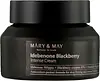 Key Ingredients
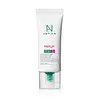
Benefits
Concerns
Ingredients Side-by-side
Rubus Fruticosus Fruit Extract 21%
AstringentEuterpe Oleracea Fruit Extract 21%

Vaccinium Angustifolium Fruit Extract 21%
Skin Protecting
Glycerin
Humectant



Butylene Glycol
Humectant
Water
Skin ConditioningCaprylic/Capric Triglyceride
Masking
1,2-Hexanediol
Skin Conditioning
Niacinamide
Smoothing





Cetearyl Alcohol
Emollient



Cetyl Ethylhexanoate
EmollientIsododecane
EmollientEthylhexyl Palmitate
Emollient
Cetearyl Olivate
Panthenol
Skin Conditioning
Polyglyceryl-3 Methylglucose Distearate
Emulsifying
Polyglyceryl-10 Laurate
Skin Conditioning
Sorbitan Olivate
Emulsifying
Sodium Polyacrylate
Absorbent
Hydrogenated Lecithin
Emulsifying
Ammonium Acryloyldimethyltaurate/Vp Copolymer
Acrylates/C10-30 Alkyl Acrylate Crosspolymer
Emulsion StabilisingArginine
Masking
Hydrogenated Polydecene
EmollientEthylhexylglycerin
Skin ConditioningHydroxydecyl Ubiquinone
Antioxidant
Adenosine
Skin Conditioning
Pentylene Glycol
Skin ConditioningTrideceth-6
EmulsifyingDisodium EDTA
Glyceryl Acrylate/Acrylic Acid Copolymer
HumectantSodium Hyaluronate
Humectant
Caprylyl Glycol
Emollient
Sodium Hyaluronate Crosspolymer
Humectant
Stearic Acid
Cleansing
Hydrolyzed Hyaluronic Acid
Humectant
Hyaluronic Acid
Humectant
Hydrolyzed Sodium Hyaluronate
Skin Conditioning
Ceramide NP
Skin Conditioning
Ceramide Ns
Skin Conditioning
Phytosphingosine
Skin Conditioning
Cholesterol
Emollient
Ceramide As
Skin Conditioning
Ceramide AP
Skin Conditioning
Ceramide EOP
Skin Conditioning
Rubus Fruticosus Fruit Extract 21%, Euterpe Oleracea Fruit Extract 21%, Vaccinium Angustifolium Fruit Extract 21%, Glycerin, Butylene Glycol, Water, Caprylic/Capric Triglyceride, 1,2-Hexanediol, Niacinamide, Cetearyl Alcohol, Cetyl Ethylhexanoate, Isododecane, Ethylhexyl Palmitate, Cetearyl Olivate, Panthenol, Polyglyceryl-3 Methylglucose Distearate, Polyglyceryl-10 Laurate, Sorbitan Olivate, Sodium Polyacrylate, Hydrogenated Lecithin, Ammonium Acryloyldimethyltaurate/Vp Copolymer, Acrylates/C10-30 Alkyl Acrylate Crosspolymer, Arginine, Hydrogenated Polydecene, Ethylhexylglycerin, Hydroxydecyl Ubiquinone, Adenosine, Pentylene Glycol, Trideceth-6, Disodium EDTA, Glyceryl Acrylate/Acrylic Acid Copolymer, Sodium Hyaluronate, Caprylyl Glycol, Sodium Hyaluronate Crosspolymer, Stearic Acid, Hydrolyzed Hyaluronic Acid, Hyaluronic Acid, Hydrolyzed Sodium Hyaluronate, Ceramide NP, Ceramide Ns, Phytosphingosine, Cholesterol, Ceramide As, Ceramide AP, Ceramide EOP
Water
Skin ConditioningC12-15 Alkyl Benzoate
AntimicrobialTitanium Dioxide
Cosmetic Colorant

Butylene Glycol
Humectant
Butyloctyl Salicylate
Skin Conditioning
Polymethylsilsesquioxane

Glycerin
Humectant
Caprylyl Methicone
Skin Conditioning
1,2-Hexanediol
Skin Conditioning
Aluminum Stearate
Cosmetic ColorantPolyhydroxystearic Acid
Emulsifying
Dipropylene Glycol
HumectantPentylene Glycol
Skin ConditioningLavandula Hybrida Oil
Emollient
Citrus Paradisi Peel Oil
Masking
Rosmarinus Officinalis Leaf Oil
Masking
Helianthus Annuus Seed Oil
Emollient
Chamomilla Recutita Flower Oil
Masking
Forsythia Suspensa Fruit Extract
Antioxidant
Aniba Rosaeodora Wood Oil
Astringent
Caprylic Acid
CleansingAlumina
Abrasive
P-Cresol
Antimicrobial
Ammonium Acryloyldimethyltaurate/Vp Copolymer
Polyacrylate Crosspolymer-6
Emulsion StabilisingSodium Stearoyl Glutamate
CleansingHydroxypropyl Methylcellulose Stearoxy Ether
Ethylhexylglycerin
Skin ConditioningStearic Acid
Cleansing
Ceramide NP
Skin Conditioning
Allantoin
Skin Conditioning
Water, C12-15 Alkyl Benzoate, Titanium Dioxide, Butylene Glycol, Butyloctyl Salicylate, Polymethylsilsesquioxane, Glycerin, Caprylyl Methicone, 1,2-Hexanediol, Aluminum Stearate, Polyhydroxystearic Acid, Dipropylene Glycol, Pentylene Glycol, Lavandula Hybrida Oil, Citrus Paradisi Peel Oil, Rosmarinus Officinalis Leaf Oil, Helianthus Annuus Seed Oil, Chamomilla Recutita Flower Oil, Forsythia Suspensa Fruit Extract, Aniba Rosaeodora Wood Oil, Caprylic Acid, Alumina, P-Cresol, Ammonium Acryloyldimethyltaurate/Vp Copolymer, Polyacrylate Crosspolymer-6, Sodium Stearoyl Glutamate, Hydroxypropyl Methylcellulose Stearoxy Ether, Ethylhexylglycerin, Stearic Acid, Ceramide NP, Allantoin
Reviews
Ingredients Explained
These ingredients are found in both products.
Ingredients higher up in an ingredient list are typically present in a larger amount.
1,2-Hexanediol is a synthetic liquid and another multi-functional powerhouse.
It is a:
- Humectant, drawing moisture into the skin
- Emollient, helping to soften skin
- Solvent, dispersing and stabilizing formulas
- Preservative booster, enhancing the antimicrobial activity of other preservatives
Ammonium Acryloyldimethyltaurate/Vp Copolymer (let's call it AAVC for short) is a synthetically created polymer. It's used as a film-forming agent and used to thicken the consistency of products.
AAVC is able to increase the consistency and viscosity of products due to its large molecule size. It also prevents ingredients from separating.
Butylene Glycol (or BG) is used within cosmetic products for a few different reasons:
Overall, Butylene Glycol is a safe and well-rounded ingredient that works well with other ingredients.
Though this ingredient works well with most skin types, some people with sensitive skin may experience a reaction such as allergic rashes, closed comedones, or itchiness.
Learn more about Butylene GlycolCeramide NP is a type of ceramide and formally known as ceramide 3.
Ceramides are intercellular lipids naturally found in our skin that bonds dead skin cells together to create a barrier. They are known for their ability to hold water and thus are a great ingredient for dry skin.
Ceramides are an important building block for our skin barrier. A stronger barrier helps the skin look more firm and hydrated. By bolstering the skin ceramides act as a barrier against irritating ingredients. This can help with inflammation as well.
If you would like to eat ceramides, sweet potatoes contain a small amount.
Read more about other common types of ceramides here:
Ceramide AP
Ceramide EOP
Ethylhexylglycerin (we can't pronounce this either) is commonly used as a preservative and skin softener. It is derived from glyceryl.
You might see Ethylhexylglycerin often paired with other preservatives such as phenoxyethanol. Ethylhexylglycerin has been found to increase the effectiveness of these other preservatives.
Glycerin is already naturally found in your skin. It helps moisturize and protect your skin.
A study from 2016 found glycerin to be more effective as a humectant than AHAs and hyaluronic acid.
As a humectant, it helps the skin stay hydrated by pulling moisture to your skin. The low molecular weight of glycerin allows it to pull moisture into the deeper layers of your skin.
Hydrated skin improves your skin barrier; Your skin barrier helps protect against irritants and bacteria.
Glycerin has also been found to have antimicrobial and antiviral properties. Due to these properties, glycerin is often used in wound and burn treatments.
In cosmetics, glycerin is usually derived from plants such as soybean or palm. However, it can also be sourced from animals, such as tallow or animal fat.
This ingredient is organic, colorless, odorless, and non-toxic.
Glycerin is the name for this ingredient in American English. British English uses Glycerol/Glycerine.
Learn more about GlycerinPentylene glycol is typically used within a product to thicken it. It also adds a smooth, soft, and moisturizing feel to the product. It is naturally found in plants such as sugar beets.
The hydrophilic trait of Pentylene Glycol makes it a humectant. As a humectant, Pentylene Glycol helps draw moisture from the air to your skin. This can help keep your skin hydrated.
This property also makes Pentylene Glycol a great texture enhancer. It can also help thicken or stabilize a product.
Pentylene Glycol also acts as a mild preservative and helps to keep a product microbe-free.
Some people may experience mild eye and skin irritation from Pentylene Glycol. We always recommend speaking with a professional about using this ingredient in your routine.
Pentylene Glycol has a low molecular weight and is part of the 1,2-glycol family.
Learn more about Pentylene GlycolStearic Acid is a fatty acid. It is an emollient, emulsifier, and texture enhancer.
As an emollient, stearic acid helps soften skin. It aids the skin's protective barrier by preventing water loss. It also provides a gentle cleansing effect without stripping away natural oils.
Stearic acid may also be used to enhance the texture of products. It can add volume and stabilize ingredients such as water and oil. This can help water and oil ingredients from separating.
Sources of stearic acid include animal or vegetable fats/oils such as coconut or shea. It can be naturally found in butter, cocoa butter, shea butter, vegetable fats, and animal tallow.
This ingredient may not be Malassezia folliculitis, or fungal-acne safe.
Learn more about Stearic AcidWater. It's the most common cosmetic ingredient of all. You'll usually see it at the top of ingredient lists, meaning that it makes up the largest part of the product.
So why is it so popular? Water most often acts as a solvent - this means that it helps dissolve other ingredients into the formulation.
You'll also recognize water as that liquid we all need to stay alive. If you see this, drink a glass of water. Stay hydrated!
Learn more about Water
