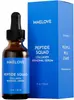
This anti-aging serum is formulated around Niacinamide and Copper Tripeptide-1 to soften the look of wrinkles and strengthen the skin barrier.
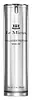
This anti-aging serum is formulated around Palmitoyl Tripeptide-1 and Palmitoyl Tetrapeptide-7 to soften the look of wrinkles and refine skin texture.

What's inside
What's inside
 Key Ingredients
Benefits
Concerns
Ingredients Side-by-side
Water
Skin ConditioningGlycerin
Humectant


Propanediol
Solvent
Caprylyl Glycol
Emollient
Niacinamide
Smoothing









Panthenol
Skin Conditioning
Simmondsia Chinensis Seed Oil
Emollient


Copper Tripeptide-1
Skin Conditioning
Ceramide EOP
Skin Conditioning
Ceramide NP
Skin Conditioning
Acetyl Hexapeptide-8
Humectant
Ceramide AP
Skin Conditioning
Allantoin
Skin Conditioning
Sodium Hyaluronate
Humectant
Palmitoyl Tripeptide-1
Skin Conditioning
Palmitoyl Tetrapeptide-7
Skin Conditioning
Hydrolyzed Rice Protein
Skin ConditioningAloe Barbadensis Flower Extract
EmollientBisabolol
Antioxidant
Curcuma Longa Root Extract
Antioxidant
Camellia Sinensis Leaf Extract
Antimicrobial
Melia Azadirachta Leaf Extract
Skin ConditioningMelia Azadirachta Flower Extract
Skin ConditioningHamamelis Virginiana Water
Astringent


Chondrus Crispus Extract
Skin Conditioning
Glycine
Buffering
Pullulan
Sodium Lactate
Buffering
Coccinia Indica Fruit Extract
Skin Conditioning
Cholesterol
Emollient
Carbomer
Emulsion StabilisingSolanum Melongena Fruit Extract
Skin ConditioningDimethicone
Emollient
Butylene Glycol
Humectant
Polysorbate 20
Emulsifying
Sodium Gluconate
ChelatingMadecassoside
Antioxidant
Hydrolyzed Gardenia Florida Extract
Antioxidant
Phytosphingosine
Skin Conditioning
Corallina Officinalis Extract
Skin Conditioning
Ocimum Sanctum Leaf Extract
Skin ConditioningSodium Lauroyl Lactylate
EmulsifyingSclerotium Gum
Emulsion StabilisingMaltodextrin
Absorbent
Ethylhexylglycerin
Skin ConditioningProline
Skin Conditioning
Xanthan Gum
EmulsifyingSodium PCA
Humectant
Sodium Hydroxide
BufferingLecithin
Emollient
Phenoxyethanol
Preservative
Citric Acid
Buffering
Alcohol
Antimicrobial
Alcohol Denat.
Antimicrobial
Water, Glycerin, Propanediol, Caprylyl Glycol, Niacinamide, Panthenol, Simmondsia Chinensis Seed Oil, Copper Tripeptide-1, Ceramide EOP, Ceramide NP, Acetyl Hexapeptide-8, Ceramide AP, Allantoin, Sodium Hyaluronate, Palmitoyl Tripeptide-1, Palmitoyl Tetrapeptide-7, Hydrolyzed Rice Protein, Aloe Barbadensis Flower Extract, Bisabolol, Curcuma Longa Root Extract, Camellia Sinensis Leaf Extract, Melia Azadirachta Leaf Extract, Melia Azadirachta Flower Extract, Hamamelis Virginiana Water, Chondrus Crispus Extract, Glycine, Pullulan, Sodium Lactate, Coccinia Indica Fruit Extract, Cholesterol, Carbomer, Solanum Melongena Fruit Extract, Dimethicone, Butylene Glycol, Polysorbate 20, Sodium Gluconate, Madecassoside, Hydrolyzed Gardenia Florida Extract, Phytosphingosine, Corallina Officinalis Extract, Ocimum Sanctum Leaf Extract, Sodium Lauroyl Lactylate, Sclerotium Gum, Maltodextrin, Ethylhexylglycerin, Proline, Xanthan Gum, Sodium PCA, Sodium Hydroxide, Lecithin, Phenoxyethanol, Citric Acid, Alcohol, Alcohol Denat.
Hyaluronic Acid
Humectant
Acetyl Tetrapeptide-2
Skin Conditioning
Palmitoyl Tripeptide-1
Skin Conditioning
Palmitoyl Tetrapeptide-7
Skin Conditioning
Palmitoyl Pentapeptide-4
Skin Conditioning
Palmitoyl Tripeptide-5
Skin Conditioning
Acetyl Octapeptide-3
Humectant
Oryza Sativa Bran Water
Masking
Epigallocatechin Gallatyl Glucoside
Antioxidant
Camellia Sinensis Leaf Extract
Antimicrobial
Hydrolyzed Avocado Protein
Skin ConditioningGlycine Soja Seed Extract
Skin Conditioning
Teprenone
Skin ConditioningCaprylic/Capric Triglyceride
Masking
Ceramide Ns
Skin Conditioning
Ceramide NP
Skin Conditioning
Tocotrienols
Skin Conditioning
Brassica Campestris Sterols
EmollientButyrospermum Parkii Butter
Skin Conditioning
Sodium Palmitoyl Proline
Skin ConditioningNymphaea Alba Flower Extract
Skin ConditioningMalus Domestica Fruit Cell Culture Extract
Skin ConditioningDipalmitoyl Hydroxyproline
Skin Conditioning
Sodium Carboxymethyl Beta-Glucan
CleansingSuperoxide Dismutase
Antioxidant
Glucosamine Hcl
Laminaria Digitata Extract
Skin Protecting
Saccharomyces Cerevisiae Extract
Skin Conditioning
Sodium PCA
Humectant
Enteromorpha Compressa Extract
Skin Protecting
Urea
Buffering
Retinyl Palmitate
Skin Conditioning
Isomalt
HumectantCaprylyl Glycol
Emollient
Ethylhexylglycerin
Skin ConditioningUndecylenoyl Glycine
CleansingCapryloyl Glycine
CleansingHyaluronic Acid, Acetyl Tetrapeptide-2, Palmitoyl Tripeptide-1, Palmitoyl Tetrapeptide-7, Palmitoyl Pentapeptide-4, Palmitoyl Tripeptide-5, Acetyl Octapeptide-3, Oryza Sativa Bran Water, Epigallocatechin Gallatyl Glucoside, Camellia Sinensis Leaf Extract, Hydrolyzed Avocado Protein, Glycine Soja Seed Extract, Teprenone, Caprylic/Capric Triglyceride, Ceramide Ns, Ceramide NP, Tocotrienols, Brassica Campestris Sterols, Butyrospermum Parkii Butter, Sodium Palmitoyl Proline, Nymphaea Alba Flower Extract, Malus Domestica Fruit Cell Culture Extract, Dipalmitoyl Hydroxyproline, Sodium Carboxymethyl Beta-Glucan, Superoxide Dismutase, Glucosamine Hcl, Laminaria Digitata Extract, Saccharomyces Cerevisiae Extract, Sodium PCA, Enteromorpha Compressa Extract, Urea, Retinyl Palmitate, Isomalt, Caprylyl Glycol, Ethylhexylglycerin, Undecylenoyl Glycine, Capryloyl Glycine
Reviews
Alternatives
Ingredients Explained
These ingredients are found in both products.
Ingredients higher up in an ingredient list are typically present in a larger amount.
Camellia Sinensis Leaf Extract (tea extract) is one of the most well-researched plant extracts in skincare with an impressive resume.
Black tea, green tea, and oolong tea are all harvested from the Camellia Sinensis plant.
Studies show green tea extract and its catechins (like epigallocatechin gallate (EGCG)) help your skin cells product energy more efficiently and reducing the number of free-radicals that can damage your skin from the inside.
In lab-grown skin models, this translated to younger, healthier, and stronger skin.
There's also good sun protection data; researchers saw less DNA damage and redness on human skin when green tea was applied before UVB exposure. And the more they applied, the better the protection.
Needless to say, this ingredient shouldn't replace your sunscreen. But it is a great supportive ingredient that you can already find in many sunscreens and antioxidant serums.
A 2009 study found a 2% green tea lotion was effective for mild-to-moderate acne thanks to its anti-inflammatory and mild antimicrobial activity.
The quality of the extract matters a lot here:
Good extracts contain 50-90% catechins while lower quality ones are mostly there for marketing. We recommend reaching out to the brand if you have questions about the quality or source of their ingredients.
Human Repeated Insult Patch Testing showed no irritation or sensitization at use concentrations (0.86% in leave-on products and up to 30% as leaf water).
Learn more about Camellia Sinensis Leaf ExtractCaprylyl Glycol is a humectant, skin conditioner, emollient, and preservative booster derived from either caprylic acid or synthetically created.
Typical use levels vary from 0.3-1% as a preservative booster and go up to 2% to condition skin.
Because it is not a free-fatty acid, this ingredient is fungal acne safe (there's nothing for Malassezia to feed on).
Learn more about Caprylyl GlycolCeramide NP (formerly known as Ceramide 3) is one of the skin's naturally occurring lipids.
Since ceramides are the major lipid components of the skin, they are crucial for maintaining skin barrier and hydration. Ceramide NP most closely mirrors the dominant kind in human skin amongst ceramide subtypes.
This ceramide works by slotting into gaps within the stratum corneum's lipid matrix to limit trans-epidermal water loss (TEWL) and shield the skin against external irritants.
A study with 312 patients found that using a ceramide-containing routine for 4 weeks reduced the severity of atopic dermatitis by over 61%.
Another clinical study in subjects aged 60 and older found that a ceramide body wash and moisturizer improved skin dryness and itchy skin in 15 days.
Overall, ceramides are considered non-irritating and safety tests have found little to no observable adverse effects from using this ingredient.
Ceramide NP is usually sourced from plants (like soybean or rice bran), or produced synthetically.
Learn more about Ceramide NPEthylhexylglycerin is created from glycerin. It is a multitasker ingredient that:
The CIR Expert Panel found minimal skin absorption or sensitization of any kind in a safety assessment. Though this ingredient is considered well-tolerated, a small number of cases of allergic dermatitis have been published since 2002. Just be sure to patch test if you are unsure.
Industry-reported use ranges from 8% in rinse-off products and 2% in leave-on formulations.
Learn more about EthylhexylglycerinPalmitoyl Tetrapeptide-7 (formerly Palmitoyl Tetrapeptide-3) is a synthetic peptide. Its main job is to fight what researchers call "inflammaging".
"Inflammaging" is the slow, low-grade chronic inflammation that quietly breaks down collagen as we age.
This ingredient calms down a specific inflammation signal in your skin cells (called IL-6). When left unchecked, this signal triggers enzymes that break down collagen and elastin.
Clinical testing showed statistically significant improvements in:
Studies also found the more of this ingredient used, the more your skin produces Collagen I, fibronectin, and hyaluronic acid.
You'll likely see this ingredient paired with Palmitoyl Tripeptide-1 in the well-known Matrixyl 3000 complex for enhanced anti-aging effects.
A 3% concentration applied twice daily for two months showed meaningful skin rejuvenation results in clinical panels.
Fungal acne note:
Usually a palmitic acid component can feed Malassezia in unbound form, but here is is covalently bonded to the peptide. This means it is very difficult for Malassezia to access, and therefore very unlikely to cause fungal acne.
Palmitoyl Tripeptide-1 (aka Pal-GHK) is a synthetic signal peptide made of three amino acids attached to palmitic acid.
That fatty acid attachment is the key: it boosts the peptide's ability to penetrate the skin barrier. This puts it closer to the dermal cells where it can actually make a difference.
Once there, it acts as a matrikine, a signaling peptide that prompts fibroblasts to produce more collagen, fibronectin, and hyaluronic acid.
In vitro studies show it can boost collagen production in skin cells even when UV-damaged skin samples were treated with it at a tiny concentration (it almost fully restored dermal collagen at 5ppm). It achieved this at 100x lower concentration than retinoic acid, which needed 500 ppm to do the same thing.
Human clinical data is promising, but modest:
A study of 23 female volunteers found a small but statistically significant increase (~4%) in skin thickness after treatment at 4 ppm.
A separate small trial of 15 women showed statistically significant reductions in wrinkle length, depth, and skin roughness after applying it twice daily for four weeks.
You'll likely see Pal-GHK paired with Palmitoyl Tetrapeptide-7 as part of the Matrixyl 3000 complex.
Fungal acne note:
Usually a palmitic acid component can feed Malassezia in unbound form, but here is is covalently bonded to the peptide. This means it is very difficult for Malassezia to access, and therefore very unlikely to cause fungal acne.
Sodium PCA (the salt of PCA) is one of the most well-established humectants in skincare.
Why is it so special? Your skin already makes it naturally; it's a natural component of your skin's Natural Moisturizing Factor (NMF), or the mix of water-binding compounds inside your skin cells that keeps things soft and hydrated.
As a cosmetic ingredient, it grabs water and holds it in the upper layers of skin to smooth roughness and ease dehydration.
There's some clinical support for the NMF approach with a study showing that a cream built to mimic the skin's NMF significantly boosted hydration.
Safety-wise, this ingredient non-irritating, non-comedogenic, and non-phototoxic in testing, with minimal skin absorption.
It also works really well with other hydrators like glycerin or hyaluronic acid, and typical usage is somewhere between 0.2-4%.
Learn more about Sodium PCA

