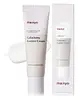
This barrier-repair moisturizer is formulated around Galactomyces Ferment Filtrate and Niacinamide to strengthen the skin barrier and soften the look of wrinkles.
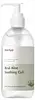
This calming moisturizer is formulated around Aloe Barbadensis Leaf Extract and Panthenol to calm redness and hydrate skin.

What's inside
What's inside
 Key Ingredients
Benefits
Concerns
Ingredients Side-by-side
Galactomyces Ferment Filtrate 24.8%
Humectant







Hydrolyzed Collagen Extract
Skin Protecting
Squalane
Emollient
Cetearyl Alcohol
Emollient




Glycerin
Humectant
Caprylic/Capric Triglyceride
Masking
Propanediol
Solvent
1,2-Hexanediol
Skin Conditioning
Niacinamide
Smoothing





Phaseolus Radiatus Seed Water
Hamamelis Virginiana Water
Astringent

Oryza Sativa Bran Water
Masking
Rosa Centifolia Flower Water
Skin ConditioningPolyglyceryl-6 Stearate
Emollient
Panthenol
Skin Conditioning
Centella Asiatica Extract
Cleansing
Glycyrrhiza Uralensis Root Extract
Skin Conditioning
Saccharomyces Ferment Filtrate
Humectant
Dioscorea Japonica Root Extract
Skin Conditioning
Salix Alba Bark Extract
Astringent
Simmondsia Chinensis Seed Oil
Emollient
Betaine
Humectant
Centella Asiatica Leaf Extract
Skin Conditioning
Mangifera Indica Seed Butter
Skin Conditioning
Polyglyceryl-2 Stearate
Emulsifying
Glyceryl Stearate
Emollient
Stearyl Alcohol
Emollient
Laminaria Japonica Extract
Skin Protecting
Cassia Italica Leaf Extract
Skin ConditioningRosmarinus Officinalis Leaf Extract
AntimicrobialChamomilla Recutita Flower Extract
Masking
Camellia Sinensis Leaf Extract
Antimicrobial
Sh-Oligopeptide-1
Skin Conditioning
Sh-Oligopeptide-2
Skin Conditioning
Sh-Polypeptide-1
Skin Conditioning
Sh-Polypeptide-2
Skin Conditioning
Sodium Hyaluronate
Humectant
Polygonum Cuspidatum Root Extract
Antioxidant
Scutellaria Baicalensis Root Extract
Astringent
Ethylhexylglycerin
Skin ConditioningMacadamia Integrifolia Seed Oil
Skin Conditioning
Propanediol Dicaprylate
EmollientBeta-Glucan
Skin Conditioning
Hydrogenated Olive Oil Unsaponifiables
Emollient
Enantia Chlorantha Bark Extract
Skin ConditioningOleanolic Acid
Skin ConditioningPolyglyceryl-6 Behenate
Emulsion Stabilising
Acanthopanax Senticosus Root Extract
Skin ConditioningGlutathione
Maltodextrin
Absorbent
Hydrolyzed Avocado Protein
Skin ConditioningTrehalose
Humectant
Glyceryl Caprylate
EmollientCeramide NP
Skin Conditioning
Carnosine
Skin Conditioning
Viscum Album Extract
Skin ConditioningRosa Damascena Flower Oil
Masking

Rose Flower Oil
Masking
Adenosine
Skin Conditioning
Galactomyces Ferment Filtrate 24.8%, Hydrolyzed Collagen Extract, Squalane, Cetearyl Alcohol, Glycerin, Caprylic/Capric Triglyceride, Propanediol, 1,2-Hexanediol, Niacinamide, Phaseolus Radiatus Seed Water, Hamamelis Virginiana Water, Oryza Sativa Bran Water, Rosa Centifolia Flower Water, Polyglyceryl-6 Stearate, Panthenol, Centella Asiatica Extract, Glycyrrhiza Uralensis Root Extract, Saccharomyces Ferment Filtrate, Dioscorea Japonica Root Extract, Salix Alba Bark Extract, Simmondsia Chinensis Seed Oil, Betaine, Centella Asiatica Leaf Extract, Mangifera Indica Seed Butter, Polyglyceryl-2 Stearate, Glyceryl Stearate, Stearyl Alcohol, Laminaria Japonica Extract, Cassia Italica Leaf Extract, Rosmarinus Officinalis Leaf Extract, Chamomilla Recutita Flower Extract, Camellia Sinensis Leaf Extract, Sh-Oligopeptide-1, Sh-Oligopeptide-2, Sh-Polypeptide-1, Sh-Polypeptide-2, Sodium Hyaluronate, Polygonum Cuspidatum Root Extract, Scutellaria Baicalensis Root Extract, Ethylhexylglycerin, Macadamia Integrifolia Seed Oil, Propanediol Dicaprylate, Beta-Glucan, Hydrogenated Olive Oil Unsaponifiables, Enantia Chlorantha Bark Extract, Oleanolic Acid, Polyglyceryl-6 Behenate, Acanthopanax Senticosus Root Extract, Glutathione, Maltodextrin, Hydrolyzed Avocado Protein, Trehalose, Glyceryl Caprylate, Ceramide NP, Carnosine, Viscum Album Extract, Rosa Damascena Flower Oil, Rose Flower Oil, Adenosine
Aloe Barbadensis Leaf Extract 90.1%
Emollient
Butylene Glycol
Humectant
Glycerin
Humectant
Propanediol
Solvent
Camellia Sinensis Leaf Water
Masking
Rosmarinus Officinalis Leaf Extract
AntimicrobialSodium Hyaluronate
Humectant
Panthenol
Skin Conditioning
1,2-Hexanediol
Skin Conditioning
Beta-Glucan
Skin Conditioning
Rosa Damascena Flower Water
Masking
Allantoin
Skin Conditioning
Glycyrrhiza Glabra Root Water
Antioxidant
Ginkgo Biloba Leaf Water
Masking
Anthemis Nobilis Flower Water
Masking
Calendula Officinalis Flower Extract
Masking
Scutellaria Baicalensis Root Extract
Astringent
Sodium Carbomer
Emulsion StabilisingWater
Skin ConditioningXylitol
Humectant
Illicium Verum Fruit Extract
Perfuming
Polyglyceryl-10 Laurate
Skin Conditioning
Polyglyceryl-10 Myristate
Skin Conditioning
Rosa Damascena Flower Oil
Masking
Eucalyptus Globulus Leaf Oil
Perfuming
Aniba Rosodora Wood Oil
Astringent
Linalool
Perfuming
Aloe Barbadensis Leaf Extract 90.1%, Butylene Glycol, Glycerin, Propanediol, Camellia Sinensis Leaf Water, Rosmarinus Officinalis Leaf Extract, Sodium Hyaluronate, Panthenol, 1,2-Hexanediol, Beta-Glucan, Rosa Damascena Flower Water, Allantoin, Glycyrrhiza Glabra Root Water, Ginkgo Biloba Leaf Water, Anthemis Nobilis Flower Water, Calendula Officinalis Flower Extract, Scutellaria Baicalensis Root Extract, Sodium Carbomer, Water, Xylitol, Illicium Verum Fruit Extract, Polyglyceryl-10 Laurate, Polyglyceryl-10 Myristate, Rosa Damascena Flower Oil, Eucalyptus Globulus Leaf Oil, Aniba Rosodora Wood Oil, Linalool
Ingredients Explained
These ingredients are found in both products.
Ingredients higher up in an ingredient list are typically present in a larger amount.
1,2-Hexanediol is a synthetic liquid and another multi-functional powerhouse.
It is a:
- Humectant, drawing moisture into the skin
- Emollient, helping to soften skin
- Solvent, dispersing and stabilizing formulas
- Preservative booster, enhancing the antimicrobial activity of other preservatives
Beta-Glucan is a soluble polysaccharide (a chain of glucose sugars) sourced from the cells walls of oats, baker's yeast, mushrooms, and seaweed.
It's a rare ingredient that pulls double-duty as a heavy-duty hydrator and skin-soothing repair agent.
On the surface, it acts as a humectant that holds water in place and reduces moisture loss for a plumper, smoother feel, while its anti-inflammatory and antioxidant properties make it a great pick for calming redness or sensitive skin
The more interesting story is underneath:
Despite its large molecular size, oat beta-glucan has been shown to penetrate the epidermis and reach the dermis by slipping between skin cells. Here, it interacts with fibroblasts and macrophages to nudge collagen synthesis and support wound repair.
A small 2005 split-face clinical study of 27 subjects found topical beta-glucan produced measurable reductions in wrinkle depth, height, and roughness after 8 weeks of use.
It is worth noting the trial was small and the penetration testing used frozen, irradiated skin so the anti-aging data is encouraging rather than definitive.
This ingredient gets along with pretty much everything and is typically used around 0.1-1%.
Fungal acne: This ingredient is not a food source for the Malassezia yeast because it is a glucose polysaccharide with no fatty acid or ester component.
Learn more about Beta-GlucanGlycerin (or glycerol) is a compound naturally found in your skin. It's a powerhouse humectant that pulls water into the stratum corneum.
Topically, glycerin does several things at once:
Your skin makes glycerin on its own (mostly from sebaceous oil breakdown) and shuttles it to your outermost layer of skin, or your epidermis, via aquaporin-3.
Aquaporin-3 is a transporter that is essential for normal skin hydration, elasticity, and repair. Interestingly, mice lacking in AQP3 have dry and less elastic skin that can be fully corrected with glycerin.
This ingredient is non-irritating, plays well with almost every ingredient, and works across all skin types. Typical use is anywhere between 3-10% but can go up to 79% in some leave-on products.
Just know very high concentrations (>40%) can feel tacky in low humidity.
Glycerin is the name for this ingredient in American English. British English uses Glycerol/Glycerine.
Learn more about GlycerinPanthenol is a common ingredient that helps hydrate and soothe the skin. It is found naturally in our skin and hair.
There are two forms of panthenol: D and L.
D-panthenol is also known as dexpanthenol. Most cosmetics use dexpanthenol or a mixture of D and L-panthenol.
Panthenol is famous due to its ability to go deeper into the skin's layers. Using this ingredient has numerous pros (and no cons):
Like hyaluronic acid, panthenol is a humectant. Humectants are able to bind and hold large amounts of water to keep skin hydrated.
This ingredient works well for wound healing. It works by increasing tissue in the wound and helps close open wounds.
Once oxidized, panthenol converts to pantothenic acid. Panthothenic acid is found in all living cells.
This ingredient is also referred to as pro-vitamin B5.
Learn more about PanthenolPropanediol is an all-star ingredient. It softens, hydrates, and smooths the skin.
It’s often used to:
Propanediol is not likely to cause sensitivity and considered safe to use. It is derived from corn or petroleum with a clear color and no scent.
Learn more about PropanediolRosa Damascena Flower Oil is an essential oil made from the Damask Rose. It is often used as a fragrance in cosmetics.
Rose Oil has antibacterial and antioxidant properties due to its terpene, glycoside, flavonoid, anthocyanin, and Vitamin C content.
Other major parts of Rose Oil include citronellol and geraniol. Both of these are known EU allergens and cause contact-allergies.
The downsides of this ingredient outweight the positives.
Learn more about Rosa Damascena Flower OilThis is a botanical extract from the rosemary plant (the same one you cook with). In skincare, it mostly works as a skin conditioning agent.
Its activity comes from a handful of polyphenols, carnosic acid, carnosol, and rosmarinic acid. Almost 90% of the antioxidant activity of this ingredient can be attributed to canosol and carnosic acid.
These compounds protect your skin two ways:
1) They fight off free radicals, or the unstable molecules from things like sun and pollution that age and damage skin.
2) They help calm inflammation by switching off the chemical signals that tell skin to get red and irritated.
Lab studies also suggest that rosmarinic acid may help protect collagen and slow sugar-related damage to it.
The Cosmetic Ingredient Review has concluded rosemary-derived ingredients to be safe when formulated to be non-sensitizing.
Rosemary can occasionally cause allergic contact dermatitis (due to carnosol), so be sure to patch test if you have reactive or fragrance-sensitive skin.
Learn more about Rosmarinus Officinalis Leaf ExtractScutellaria Baicalensis Root Extract comes from the Baikal skullcap or Chinese skullcap plant. This plant is native to Northeast Asia and can be found in China, Mongolia, Korea, and Siberia.
In cosmetics, Scutellaria Baicalensis Root Extract provides antioxidant and anti-inflammatory benefits. This is due to the flavonoid composition of Scutellaria Baicalensis Root Extract.
In Chinese traditional folk medicine, Scutellaria Baicalensis Root Extract is used to help treat lung issues and hypertension.
Learn more about Scutellaria Baicalensis Root ExtractSodium Hyaluronate is the salt form of hyaluronic acid. It is a long sugar chain that is naturally found in your skin, joints, and connective tissue that maintains hydration and elasticity.
In skincare, it works as a humectant. It pulls water from the environment and deeper layers of skin and binds it to the surface.
Interestingly, the size of the molecule affects its behavior:
Some clinical evidence links low molecular weight versions to improved wrinkle depth, elasticity, anti-inflammatory effects, and barrier repair.
Many serums use a blend of both weights so you can get surface hydration plus longer-lasting and deeper effects.
You'll typically see concentrations between 0.1-2% for this ingredient.
Learn more about Sodium Hyaluronate

