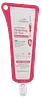
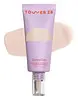
Luxe Organix High Protection Perfecting UV Tint Serum Sunscreen SPF 50 PA +++ Versus Tower 28 Beauty SunnyDays Tinted SPF 30
This hybrid sunscreen covers the full UV range and blocks ~98% of UVB at SPF 50.


What's inside
What's inside
 Key Ingredients
Benefits
Concerns
Ingredients Side-by-side
Water
Skin ConditioningCyclopentasiloxane
Emollient
Ethylhexyl Methoxycinnamate
UV Absorber


C12-15 Alkyl Benzoate
AntimicrobialTitanium Dioxide
Cosmetic Colorant
Butylene Glycol
Humectant

4-Methylbenzylidene Camphor
UV Absorber
Glycereth-26
Humectant
Niacinamide
Smoothing










Cetyl PEG/PPG-10/1 Dimethicone
Emulsifying
Methylene Bis-Benzotriazolyl Tetramethylbutylphenol
UV Filter
Caprylic/Capric Triglyceride
Masking
Phenyl Trimethicone
Skin Conditioning
Ascorbic Acid
Antioxidant

Lauryl PEG-9 Polydimethylsiloxyethyl Dimethicone
Skin Conditioning
Disteardimonium Hectorite
StabilisingSodium Chloride
MaskingMethyl Methacrylate Crosspolymer
CI 77492
Cosmetic ColorantDecyl Glucoside
Cleansing
CI 77491
Cosmetic ColorantCI 77499
Cosmetic ColorantDimethicone/Vinyl Dimethicone Crosspolymer
Skin Conditioning
Dimethicone
Emollient
Polyepsilon-Lysine
Skin ConditioningAdenosine
Skin Conditioning
Disodium EDTA
Triethoxycaprylylsilane
1,2-Hexanediol
Skin Conditioning
Propylene Glycol
Humectant

Quartz
Abrasive
Xanthan Gum
EmulsifyingSodium Hyaluronate
Humectant
BHT
Antioxidant
Tocopherol
Antioxidant
Hydrolyzed Collagen
Emollient
Centella Asiatica Extract
Cleansing
Pentylene Glycol
Skin Conditioning
Chrysanthemum Indicum Flower Extract
Skin Conditioning
Chrysanthemum Morifolium Flower Extract
Skin ConditioningCamellia Japonica Flower Extract
EmollientPrunus Mume Flower Extract
Skin ConditioningMagnolia Kobus Branch/Flower/Leaf Extract
Skin ConditioningPrunus Serrulata Flower Extract
Skin ConditioningNelumbo Nucifera Flower Extract
Skin ConditioningLonicera Japonica Flower Extract
Skin ConditioningCarthamus Tinctorius Flower Extract
Skin ConditioningLilium Tigrinum Extract
Skin ConditioningSodium Hyaluronate Crosspolymer
Humectant
Hydrolyzed Hyaluronic Acid
Humectant
Hyaluronic Acid
Humectant
Ethylhexylglycerin
Skin ConditioningHydrolyzed Sodium Hyaluronate
Skin Conditioning
Water, Cyclopentasiloxane, Ethylhexyl Methoxycinnamate, C12-15 Alkyl Benzoate, Titanium Dioxide, Butylene Glycol, 4-Methylbenzylidene Camphor, Glycereth-26, Niacinamide, Cetyl PEG/PPG-10/1 Dimethicone, Methylene Bis-Benzotriazolyl Tetramethylbutylphenol, Caprylic/Capric Triglyceride, Phenyl Trimethicone, Ascorbic Acid, Lauryl PEG-9 Polydimethylsiloxyethyl Dimethicone, Disteardimonium Hectorite, Sodium Chloride, Methyl Methacrylate Crosspolymer, CI 77492, Decyl Glucoside, CI 77491, CI 77499, Dimethicone/Vinyl Dimethicone Crosspolymer, Dimethicone, Polyepsilon-Lysine, Adenosine, Disodium EDTA, Triethoxycaprylylsilane, 1,2-Hexanediol, Propylene Glycol, Quartz, Xanthan Gum, Sodium Hyaluronate, BHT, Tocopherol, Hydrolyzed Collagen, Centella Asiatica Extract, Pentylene Glycol, Chrysanthemum Indicum Flower Extract, Chrysanthemum Morifolium Flower Extract, Camellia Japonica Flower Extract, Prunus Mume Flower Extract, Magnolia Kobus Branch/Flower/Leaf Extract, Prunus Serrulata Flower Extract, Nelumbo Nucifera Flower Extract, Lonicera Japonica Flower Extract, Carthamus Tinctorius Flower Extract, Lilium Tigrinum Extract, Sodium Hyaluronate Crosspolymer, Hydrolyzed Hyaluronic Acid, Hyaluronic Acid, Ethylhexylglycerin, Hydrolyzed Sodium Hyaluronate
Zinc Oxide 12.6%
Cosmetic Colorant
Water
Skin ConditioningIsononyl Isononanoate
EmollientC9-12 Alkane
SolventButyloctyl Salicylate
Skin Conditioning
Polyglyceryl-6 Polyricinoleate
Emulsifying
Caprylic/Capric Triglyceride
Masking
Glycerin
Humectant
Ethylhexyl Methoxycrylene
Skin Conditioning
Trimethylsiloxysilicate
Emollient
Mica
Cosmetic ColorantPolyglyceryl-2 Isostearate
Emulsifying
Sodium Chloride
MaskingPhenoxyethanol
Preservative
Disteardimonium Hectorite
StabilisingPolyglyceryl-3 Polyricinoleate
Emulsifying
Polyhydroxystearic Acid
Emulsifying
Coco-Caprylate/Caprate
Emollient
Isostearic Acid
Cleansing
Lecithin
Emollient
Polyglyceryl-6 Polyhydroxystearate
Emulsifying
Jojoba Esters
Emollient
Ethylhexylglycerin
Skin ConditioningSodium Phytate
Aloe Barbadensis Leaf Water
MaskingCentella Asiatica Extract
Cleansing
Opuntia Tuna Fruit
Skin ConditioningSalvia Officinalis Extract
Antimicrobial
Iron Oxides
CI 77891
Cosmetic ColorantZinc Oxide 12.6%, Water, Isononyl Isononanoate, C9-12 Alkane, Butyloctyl Salicylate, Polyglyceryl-6 Polyricinoleate, Caprylic/Capric Triglyceride, Glycerin, Ethylhexyl Methoxycrylene, Trimethylsiloxysilicate, Mica, Polyglyceryl-2 Isostearate, Sodium Chloride, Phenoxyethanol, Disteardimonium Hectorite, Polyglyceryl-3 Polyricinoleate, Polyhydroxystearic Acid, Coco-Caprylate/Caprate, Isostearic Acid, Lecithin, Polyglyceryl-6 Polyhydroxystearate, Jojoba Esters, Ethylhexylglycerin, Sodium Phytate, Aloe Barbadensis Leaf Water, Centella Asiatica Extract, Opuntia Tuna Fruit, Salvia Officinalis Extract, Iron Oxides, CI 77891
Reviews
Ingredients Explained
These ingredients are found in both products.
Ingredients higher up in an ingredient list are typically present in a larger amount.
Caprylic/Capric Triglyceride (aka MCT Oil) is a lightweight emollient, solvent, and texture enhancer. It is considered a skin-softener by helping to prevent moisture loss.
Though it behaves like an oil, it is not technically one due to its chemical composition. One perk of this ingredient is that it is very stable, resistant to oxidation, and unlikely to go rancid.
In practice, that translates to a long shelf life and a consistently elegant skin feel.
While there is an assumption Caprylic Triglyceride can clog pores due to it being derived from coconut oil, there is no research supporting this. Just patch test if you have concerns.
Fractionated coconut oil and MCT Oil are both listed as Caprylic/Capric Triglyceride according to INCI. This is because INCI names are based on the ingredient’s final chemical composition and not its marketing name or source.
This ingredient is treated as the gold standard fungal acne safe oil. Even though it is coconut derived, the problematic lauric acid is stripped out.
This leaves just caprylic (C8) and capric (C10) acid. These chain lengths actually trend antifungal; a 2020 study found caprylic acid was enough to disrupt Malassezia furfur cell membrane, with a caprylic acid derivative damaging membrane structures at concentrations as low as 0.2%.
Learn more about Caprylic/Capric TriglycerideCentella Asiatica Extract (Centella) is one of the most researched botanical extracts in skincare with decades of studies backing its effects on inflammation, collagen, and the skin barrier.
That research keeps pointing back to the same four triterpenoid saponins: Asiaticoside, Madecassoside, Asiatic Acid, and Madecassic Acid.
These compounds allow centella to dial back inflammation, encourage the skin to build and hold onto collagen, support the barrier and hydration, and bring solid antioxidant activity to protect against signs of aging.
Centella also carries a nice supporting cast of Vitamin A, vitamin C, several B vitamins, and amino acids. Put it all together and you get an ingredient that soothes, hydrates, and protects, all at once.
Most of centella's magic comes from the four big compounds (Asiaticoside, Madecassoside, Asiatic Acid, and Madecassic Acid). These are the actives doing the heavy lifting in almost every centella study.
Here is the short version of what they do in the skin:
So it is not just soothing for the sake of soothing. Centella calms the skin AND helps it rebuild.
Just FYI, not all centella on an ingredient list is the same. What you are getting actually depends on the extract:
Fun fact on the ratios: the leaves tend to be richest in Madecassoside and Asiaticoside, and lower in the two acids. The exact amounts shift with where the plant is grown and how it is processed. This means purity really does vary brand to brand.
Centella is one of the most easygoing actives out there.
It layers well with basically everything: niacinamide, hyaluronic acid, peptides, and vitamin C, and also pairs nicely with stronger actives like retinoids and exfoliating acids where it can help take the edge off irritation.
On the safety side, centella and its triterpenes are classified as weak sensitizers, meaning allergic reactions are possible but uncommon.
Patch tests at 1% and 5% came back negative in test panels, and creams at typical use levels did not cause allergic reactions across large groups of people.
But as with any new active, a patch test is still a smart move for very reactive skin.
Centella is widely used because it is effective at low percentages. For context, human safety testing found no meaningful irritation from creams containing centella extract at everyday use levels (the tested amounts were well under 1%).
The irritancy threshold in animal testing was also above 30% (so real-world formulas sit far below anything concerning).
In collagen lab studies, higher concentrations drove more collagen synthesis, so serums built around centella tend to feature it more prominently.
Bottom line: you will find centella working nicely anywhere from a fraction of a percent up to hero-ingredient levels depending on whether it is a supporting soother or the main event.
Fun fact: Centella has been used as a medicine and in food for many centuries. As a medicine, it is used to treat burns, scratches, and wounds.
Learn more about Centella Asiatica ExtractDisteardimonium Hectorite comes from the clay mineral named hectorite. It is used to add thickness to a product.
It can also help stabilize a product by helping to disperse other ingredients.
Hectorite is a rare, white clay mineral.
Learn more about Disteardimonium HectoriteEthylhexylglycerin is created from glycerin. It is a multitasker ingredient that:
The CIR Expert Panel found minimal skin absorption or sensitization of any kind in a safety assessment. Though this ingredient is considered well-tolerated, a small number of cases of allergic dermatitis have been published since 2002. Just be sure to patch test if you are unsure.
Industry-reported use ranges from 8% in rinse-off products and 2% in leave-on formulations.
Learn more about EthylhexylglycerinChances are, you eat sodium chloride every day. Sodium Chloride is also known as table salt. This ingredient has many purposes in skincare: thickener, emulsifier, and exfoliator.
You'll most likely find this ingredient in cleansers where it is used to create a gel-like texture. As an emulsifier, it also prevents ingredients from separating.
You might see people debate whether Sodium Chloride is comedogenic, but there actually haven't been any comedogenic tests done on it. Either way, the overall formulation of a product matters a lot more than any single ingredient.
You might see this ingredient used in scrubs as a primary exfoliating ingredient.
Learn more about Sodium ChlorideWater. It's the most common cosmetic ingredient of all. You'll usually see it at the top of ingredient lists, meaning that it makes up the largest part of the product.
So why is it so popular? Water most often acts as a solvent - this means that it helps dissolve other ingredients into the formulation.
You'll also recognize water as that liquid we all need to stay alive. If you see this, drink a glass of water. Remember to stay hydrated!
Learn more about Water

