

What's inside
What's inside
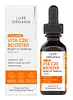 Key Ingredients
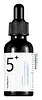
Benefits
Concerns
Ingredients Side-by-side
Water
Skin ConditioningAscorbyl Glucoside
Antioxidant



Propylene Glycol
Humectant


Thioctic Acid
Antioxidant
Propanediol
Solvent
Niacinamide
Smoothing







Dimethyl Isosorbide
SolventPhenoxyethanol
Preservative
Chlorphenesin
Antimicrobial
Chondrus Crispus Extract
Skin Conditioning
Xanthan Gum
EmulsifyingSodium Polyacrylate
Absorbent
Sodium Hydroxide
BufferingSodium Citrate
BufferingTrisodium Ethylenediamine Disuccinate
Caprylyl Glycol
Emollient
Gluconolactone
Skin Conditioning
Citric Acid
Buffering
Sodium Benzoate
Masking
Sodium Hyaluronate
Humectant
Water, Ascorbyl Glucoside, Propylene Glycol, Thioctic Acid, Propanediol, Niacinamide, Dimethyl Isosorbide, Phenoxyethanol, Chlorphenesin, Chondrus Crispus Extract, Xanthan Gum, Sodium Polyacrylate, Sodium Hydroxide, Sodium Citrate, Trisodium Ethylenediamine Disuccinate, Caprylyl Glycol, Gluconolactone, Citric Acid, Sodium Benzoate, Sodium Hyaluronate
Vaccinium Vitis-Idaea Fruit Extract
Antioxidant
Butylene Glycol
Humectant
Niacinamide
Smoothing
Panthenol
Skin Conditioning
Tranexamic Acid
Astringent
Water
Skin Conditioning1,2-Hexanediol
Skin Conditioning
Neopentyl Glycol Dicaprate
EmollientCaprylic/Capric Triglyceride
Masking
Sorbitol
Humectant
Bifida Ferment Lysate
Skin Conditioning
Chondrus Crispus Extract
Skin Conditioning
Butyrospermum Parkii Butter
Skin Conditioning


Saccharum Officinarum Extract
MoisturisingAlpha-Arbutin
Antioxidant
Sodium Hyaluronate
Humectant
Melia Azadirachta Flower Extract
Skin ConditioningOcimum Sanctum Leaf Extract
Skin ConditioningMelia Azadirachta Leaf Extract
Skin ConditioningCurcuma Longa Root Extract
Masking
Corallina Officinalis Extract
Skin Conditioning
Tremella Fuciformis Extract
Humectant
Pentylene Glycol
Skin Conditioning
Glycerin
Humectant
3-O-Ethyl Ascorbic Acid
Skin Conditioning
Bisabolol
Antioxidant
Tromethamine
BufferingEthylhexylglycerin
Skin ConditioningAdenosine
Skin Conditioning
Hydrogenated Lecithin
Emulsifying
Allantoin
Skin Conditioning
Glutathione
Ceramide NP
Skin Conditioning
Beta-Glucan
Skin Conditioning
Dipotassium Glycyrrhizate
Humectant
Tocopherol
Antioxidant
Ascorbic Acid
Antioxidant
Ascorbyl Glucoside
Antioxidant
Tocopheryl Acetate
Antioxidant
Hydroxypropyl Cyclodextrin
MaskingUbiquinone
Antioxidant
Thioctic Acid
Antioxidant
Potassium Hydroxide
BufferingBehenyl Alcohol
Emollient
Carbomer
Emulsion StabilisingXanthan Gum
EmulsifyingDisodium EDTA
Vaccinium Vitis-Idaea Fruit Extract, Butylene Glycol, Niacinamide, Panthenol, Tranexamic Acid, Water, 1,2-Hexanediol, Neopentyl Glycol Dicaprate, Caprylic/Capric Triglyceride, Sorbitol, Bifida Ferment Lysate, Chondrus Crispus Extract, Butyrospermum Parkii Butter, Saccharum Officinarum Extract, Alpha-Arbutin, Sodium Hyaluronate, Melia Azadirachta Flower Extract, Ocimum Sanctum Leaf Extract, Melia Azadirachta Leaf Extract, Curcuma Longa Root Extract, Corallina Officinalis Extract, Tremella Fuciformis Extract, Pentylene Glycol, Glycerin, 3-O-Ethyl Ascorbic Acid, Bisabolol, Tromethamine, Ethylhexylglycerin, Adenosine, Hydrogenated Lecithin, Allantoin, Glutathione, Ceramide NP, Beta-Glucan, Dipotassium Glycyrrhizate, Tocopherol, Ascorbic Acid, Ascorbyl Glucoside, Tocopheryl Acetate, Hydroxypropyl Cyclodextrin, Ubiquinone, Thioctic Acid, Potassium Hydroxide, Behenyl Alcohol, Carbomer, Xanthan Gum, Disodium EDTA
Reviews
Ingredients Explained
These ingredients are found in both products.
Ingredients higher up in an ingredient list are typically present in a larger amount.
Ascorbyl Glucoside (AA-2G) is one of the most stable vitamin C derivatives out there.
It's made by attaching a glucose molecule to ascorbic acid; this glucose "cap" shields the vitamin C from air, light, heat, and metal ions that normally cause pure ascorbic acid to oxidize.
Once on your skin, the enzyme alpha-glucosidase snips off the glucose and gradually releases active ascorbic acid right where it's needed. Basically, it behaves like a slow-release pro-vitamin C with less of a stinging that high-strength ascorbic acid can cause.
The research supports the classic vitamin C benefits as well. In lab and human studies, AA-2G slowed down the skin's production of melanin (the pigment behind dark spots) and helped shield skin cells against sun damage better than ascorbyl phosphate.
These studies also showed AA-2G released vitamin C over a longer period.
A frequently cited manufacturer trial found that a 2% AA-2G face cream significantly improved wrinkle depth and skin roughness after 45 days.
And in 2009, a clinical trial showed it meaningfully lightened dark patches on the gums compared to a placebo.
There's also collagen-synthesis support (since vitamin C is a required cofactor for that) and an antioxidant effect too.
Typical usage is usually between 0.5-5% and most studies/products land around 2%.
AA-2G performs best when formulated at a mildly acidic pH (~5-7) which is much gentler than the pH that pure vitamin C demands (~2.5-3.5).
Just one thing worth knowing: the in-skin conversation rate is only about 55-60% by weight. So a 5% AA-2G product delivers roughly 2.75-3% of actual active vitamin C. On top of that, skin absorption is relatively low because the ingredient is water-soluble.
Learn more about Ascorbyl GlucosideChondrus Crispus Extract comes from a red algae native to the northern Atlantic coasts of Europe and North America. It helps hydrate the skin and is rich in antioxidants.
The antioxidants in chondrus crispus include lutein and zeaxanthin. Lutein has the ability to filter blue light from screens.
Other contents of chondrus crispus include polysaccharides, peptides, and amino acids. These help hydrate the skin.
What's the difference between algae and seaweed?
Algae is a broad term that includes seaweed. Not all algae is seaweed.
Niacinamide is a multitasking form of vitamin B3 that strengthens the skin barrier, reduces pores and dark spots, regulates oil, and improves signs of aging.
And the best part? It's gentle and well-tolerated by most skin types, including sensitive and reactive skin.
You might have heard of "niacin flush", or the reddening of skin that causes itchiness. Niacinamide has not been found to cause this.
In very rare cases, some individuals may not be able to tolerate niacinamide at all or experience an allergic reaction to it.
If you are experiencing flaking, irritation, and dryness with this ingredient, be sure to double check all your products as this ingredient can be found in all categories of skincare.
When incorporating niacinamide into your routine, look out for concentration amounts. Typically, 5% niacinamide provides benefits such as fading dark spots. However, if you have sensitive skin, it is better to begin with a smaller concentration.
When you apply niacinamide to your skin, your body converts it into nicotinamide adenine dinucleotide (NAD). NAD is an essential coenzyme that is already found in your cells as "fuel" and powers countless biological processes.
In your skin, NAD helps repair cell damage, produce new healthy cells, support collagen production, strengthen the skin barrier, and fight environmental stressors (like UV and pollution).
Our natural NAD levels start to decline with age, leading to slower skin repair, visible aging, and a weaker skin barrier. By providing your skin niacinamide, you're recharging your skin's NAD levels. This leads to stronger, healthier, and younger looking skin.
Another name for vitamin B3 is nicotinamide. This vitamin is water-soluble and our bodies don't store it. We obtain Vitamin B3 from either food or skincare. Meat, fish, wheat, yeast, and leafy greens contain vitamin B3.
The type of niacinamide used in skincare is synthetically created.
Learn more about NiacinamideSodium Hyaluronate is the salt form of hyaluronic acid. It is a long sugar chain that is naturally found in your skin, joints, and connective tissue that maintains hydration and elasticity.
In skincare, it works as a humectant. It pulls water from the environment and deeper layers of skin and binds it to the surface.
Interestingly, the size of the molecule affects its behavior:
Some clinical evidence links low molecular weight versions to improved wrinkle depth, elasticity, anti-inflammatory effects, and barrier repair.
Many serums use a blend of both weights so you can get surface hydration plus longer-lasting and deeper effects.
You'll typically see concentrations between 0.1-2% for this ingredient.
Learn more about Sodium HyaluronateThioctic Acid is an enzyme and antioxidant. A more common name for this is Alpha Lipoic Acid.
Alpha Lipoic Acid can be naturally found in the mitochondria of every cell.
Antioxidants help fight free-radicals. Free-radicals are molecules that may damage your skin cells. The antioxidants in Alpha Lipoic Acid have been shown to fight damage from cigarette smoke.
Studies also show Alpha Lipoic Acid plays a role in wound healing.
Thioctic Acid will break down when exposed to sunlight.
Many foods contain thioctic acid, including tomato, brussel sprouts, spinach, and broccoli.
Learn more about Thioctic AcidWater. It's the most common cosmetic ingredient of all. You'll usually see it at the top of ingredient lists, meaning that it makes up the largest part of the product.
So why is it so popular? Water most often acts as a solvent - this means that it helps dissolve other ingredients into the formulation.
You'll also recognize water as that liquid we all need to stay alive. If you see this, drink a glass of water. Remember to stay hydrated!
Learn more about WaterXanthan gum is used as a stabilizer and thickener within cosmetic products. It helps give products a sticky, thick feeling - preventing them from being too runny.
On the technical side of things, xanthan gum is a polysaccharide - a combination consisting of multiple sugar molecules bonded together.
Xanthan gum is a pretty common and great ingredient. It is a natural, non-toxic, non-irritating ingredient that is also commonly used in food products.
Learn more about Xanthan Gum
