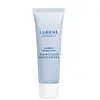
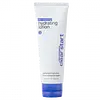
Lumene Herkkä Nordic Sensitive Weightless Moisturizer Versus Dermalogica Clear Start Skin Soothing Hydrating Lotion
This barrier-repair moisturizer is formulated around Xylitol and Squalane to strengthen the skin barrier and calm redness.
This acne moisturizer is formulated around Squalane and Salicylic Acid to clear breakouts and hydrate skin.


What's inside
What's inside
 Key Ingredients
Benefits
Concerns
Ingredients Side-by-side
Water
Skin ConditioningCaprylic/Capric Glycerides
EmollientXylitol
Humectant

Squalane
Emollient
Glycerin
Humectant
Coco-Caprylate/Caprate
Emollient
Vaccinium Myrtillus Fruit Juice
Skin ConditioningCanola Oil
Emollient





Sucrose Stearate
EmollientPentylene Glycol
Skin Conditioning
Betaine
Humectant
Cetearyl Alcohol
Emollient
Avena Sativa Kernel Extract
Abrasive


Brassica Campestris Sterols
EmollientButyrospermum Parkii Butter
Skin Conditioning
Inulin
Skin Conditioning
Avena Sativa Kernel Oil
Skin Conditioning
Vaccinium Myrtillus Seed Oil
Skin Conditioning
Ceramide NP
Skin Conditioning
Ceramide AP
Skin Conditioning
Phytosphingosine
Skin Conditioning
Cholesterol
Emollient
Ceramide EOP
Skin Conditioning
Hydroxyacetophenone
Antioxidant
Tocopherol
Antioxidant


Saccharide Isomerate
Humectant
Propanediol
Solvent
Cetyl Alcohol
Emollient
Sclerotium Gum
Emulsion StabilisingEthylhexylglycerin
Skin ConditioningMicrocrystalline Cellulose
AbsorbentHelianthus Annuus Seed Oil
Emollient
Sodium Gluconate
Skin ConditioningHydrogenated Olive Oil Unsaponifiables
Emollient
Sodium Stearoyl Glutamate
CleansingPhenoxyethanol
Preservative
Cellulose Gum
Emulsion StabilisingPolyglyceryl-10 Stearate
Skin Conditioning
Lactic Acid
Buffering




Xanthan Gum
EmulsifyingTriethyl Citrate
Masking

Polyglyceryl-6 Behenate
Emulsion Stabilising
Citric Acid
Buffering
Sodium Citrate
BufferingSodium Carrageenan
Emulsion StabilisingBehenic Acid
Cleansing
Glyceryl Stearate
Emollient
Sodium Levulinate
Skin ConditioningPotassium Sorbate
Preservative
Maris Sal
Skin ConditioningSodium Cetearyl Sulfate
Cleansing
Rosmarinus Officinalis Leaf Extract
AntimicrobialWater, Caprylic/Capric Glycerides, Xylitol, Squalane, Glycerin, Coco-Caprylate/Caprate, Vaccinium Myrtillus Fruit Juice, Canola Oil, Sucrose Stearate, Pentylene Glycol, Betaine, Cetearyl Alcohol, Avena Sativa Kernel Extract, Brassica Campestris Sterols, Butyrospermum Parkii Butter, Inulin, Avena Sativa Kernel Oil, Vaccinium Myrtillus Seed Oil, Ceramide NP, Ceramide AP, Phytosphingosine, Cholesterol, Ceramide EOP, Hydroxyacetophenone, Tocopherol, Saccharide Isomerate, Propanediol, Cetyl Alcohol, Sclerotium Gum, Ethylhexylglycerin, Microcrystalline Cellulose, Helianthus Annuus Seed Oil, Sodium Gluconate, Hydrogenated Olive Oil Unsaponifiables, Sodium Stearoyl Glutamate, Phenoxyethanol, Cellulose Gum, Polyglyceryl-10 Stearate, Lactic Acid, Xanthan Gum, Triethyl Citrate, Polyglyceryl-6 Behenate, Citric Acid, Sodium Citrate, Sodium Carrageenan, Behenic Acid, Glyceryl Stearate, Sodium Levulinate, Potassium Sorbate, Maris Sal, Sodium Cetearyl Sulfate, Rosmarinus Officinalis Leaf Extract
Water
Skin ConditioningSqualane
Emollient
Butylene Glycol
Humectant
C14-22 Alcohols
Emulsion Stabilising
Naringenin
Skin ConditioningSalicylic Acid
Masking


Sodium Hyaluronate
Humectant
Citrus Grandis Peel Oil
Masking
Zingiber Officinale Root Oil
Masking
Citrus Aurantium Dulcis Peel Oil
Masking
Saccharide Isomerate
Humectant
Glyceryl Caprylate
EmollientTriethyl Citrate
Masking
C12-20 Alkyl Glucoside
EmulsifyingAcrylates/C10-30 Alkyl Acrylate Crosspolymer
Emulsion StabilisingPanthenyl Triacetate
Caprylhydroxamic Acid
Methylpropanediol
SolventAminomethyl Propanol
BufferingPolysorbate 20
Emulsifying
Xanthan Gum
EmulsifyingBenzoic Acid
Masking
Ethylhexylglycerin
Skin ConditioningCaprylic/Capric Triglyceride
Masking
Citric Acid
Buffering
Sodium Citrate
BufferingLimonene
Perfuming
Citral
Perfuming
Phenoxyethanol
Preservative
Water, Squalane, Butylene Glycol, C14-22 Alcohols, Naringenin, Salicylic Acid, Sodium Hyaluronate, Citrus Grandis Peel Oil, Zingiber Officinale Root Oil, Citrus Aurantium Dulcis Peel Oil, Saccharide Isomerate, Glyceryl Caprylate, Triethyl Citrate, C12-20 Alkyl Glucoside, Acrylates/C10-30 Alkyl Acrylate Crosspolymer, Panthenyl Triacetate, Caprylhydroxamic Acid, Methylpropanediol, Aminomethyl Propanol, Polysorbate 20, Xanthan Gum, Benzoic Acid, Ethylhexylglycerin, Caprylic/Capric Triglyceride, Citric Acid, Sodium Citrate, Limonene, Citral, Phenoxyethanol
Reviews
Ingredients Explained
These ingredients are found in both products.
Ingredients higher up in an ingredient list are typically present in a larger amount.
Citric Acid is an alpha hydroxy acid (AHA) naturally found in citrus fruits like oranges, lemons, and limes.
Like other AHAs, citric acid can exfoliate skin by breaking down the bonds that hold dead skin cells together. This helps reveal smoother and brighter skin underneath.
However, this exfoliating effect only happens at high concentrations (20%) which can be hard to find in cosmetic products.
Due to this, citric acid is usually included in small amounts as a pH adjuster. This helps keep products slightly more acidic and compatible with skin's natural pH.
In skincare formulas, citric acid can:
While it can provide some skin benefits, research shows lactic acid and glycolic acid are generally more effective and less irritating exfoliants.
Most citric acid used in skincare today is made by fermenting sugars (usually from molasses). This synthetic version is identical to the natural citrus form but easier to stabilize and use in formulations.
Rosacea skin has a lower threshold for acids generally, with 62.5% of rosacea subjects in one study reacting to lactic acid in a sting test. This is why we mark citric acid as a potential rosacea trigger.
However, this ingredient shows up as a pH adjuster or chelator at roughly 0.1-1% in many products. These low levels are unlikely to be an issue for rosacea skin and becomes a potential trigger at exfoliating concentrations (20%). Because everybody's skin is unique, we recommend a patch test if you are unsure.
Learn more about Citric AcidEthylhexylglycerin is created from glycerin. It is a multitasker ingredient that:
The CIR Expert Panel found minimal skin absorption or sensitization of any kind in a safety assessment. Though this ingredient is considered well-tolerated, a small number of cases of allergic dermatitis have been published since 2002. Just be sure to patch test if you are unsure.
Industry-reported use ranges from 8% in rinse-off products and 2% in leave-on formulations.
Learn more about EthylhexylglycerinPhenoxyethanol is one of the most widely used preservatives in skincare (and for good reason!).
It has a large spectrum of antimicrobial activity and especially effective bacteria, yeast, and mold while only having a weak effect on your skin's natural microbiome.
On a cellular level, it disrupts the cell membranes of microbes by poking holes that make the cell leak. This shuts down the chemical reactions the microbe needs to make energy so it can no longer survive.
Another perk of this ingredient is that it stays functional across a wide pH range (3-10).
You'll often see it paired with boosters like Ethylhexylglycerin; one study showed that a 1:9 ratio of Ethylhexylglycerin to Phenoxyethanol damages bacterial membranes as effectively as doubling the Phenoxyethanol concentration on its own.
Typical use concentrations range from 0.3-1% depending on the formula, and this ingredient is capped at 1% int the EU.
Safety-wise, the fear mongering does not hold up to the evidence. The EU's Scientific Committee on Consumer Safety and FDA consider it safe as a preservative at up to 1%, including for children of all ages.
Adverse systemic effects only showed up in animal studies at exposures roughly 200x higher than what people get from cosmetics. And despite its very widespread use, this ingredient is a rare sensitizer and allergic reactions are uncommon.
Learn more about PhenoxyethanolSaccharide Isomerate comes from sugars found in corn. It is a skin hydrator.
The structure of this ingredient can be altered to be more similar to the carbohydrates found in our skin. This ability to mimic our skin gives it hydrating properties.
Specifically, saccharide Isomerate is a humectant. Humectants draw moisture from the air to our skin.
Research shows Saccharide Isomerate to be an effective moisturizer.
Learn more about Saccharide IsomerateSodium Citrate is the sodium salts of citric acid. In skincare, it is used to alter pH levels and acts as a preservative.
Its main functions are to maintain the pH of a product and neutralize metal ions.
The acidity of our skin is maintained by our glands and skin biome; normal pH level of skin is slightly acidic (~4.75-5.5).
Being slightly acidic allows our skin to create an "acid mantle". This acid mantle is a thin barrier that protects our skin from bacteria and contaminants.
Learn more about Sodium CitrateSqualane is the hydrogenated and shelf-stable form of squalene (a lipid that naturally occurs in human sebum).
It is an emollient and skin conditioning agent that is able to integrate seamlessly into the skin's lipid barrier without clogging pores.
This is due to how structurally similar it is to what your skin already produces.
Though it is mostly an emollient that helps soften and hydrate skin, it also has some humectant and occlusive action. Humectants help the skin retain moisture while occlusives seal it in, making squalane a triple-threat moisturizer.
Research shows it has antioxidant capabilities that help protect against stressors like UV exposure, specifically UVA induced oxidative stress. This study also found that it supports collagen biosynthesis in human dermal fibroblasts.
No clinical study has reported significant adverse effects and irritation reactions are very rare from this ingredient (even at 100% concentration).
Overall, it's a fantastic ingredient for hydration and is suitable for all skin types.
This depends on the source. Squalane can be derived from both plants and animals. Most squalane used in skincare comes from plants.
Please note: the source of squalane is only known if disclosed by the brand. We recommend reaching out to the brand if you have any questions about their squalane.
Read more about squalene with an "e".
Though squalane is often called an oil, it’s technically not one. It is a hydrocarbon, meaning it is only made of carbon and hydrogen. True oils are triglycerides and made of fatty acids and glycerol.
The term “oil-free” isn’t regulated so companies can define it however they want. Some exclude all oils, while others just avoid mineral oil or comedogenic oils.
Squalane has a comedogenic rating of 1 from the original 1972 study that tested raw ingredients under occlusion on rabbit ears. This system is not standardized or peer-reviewed, and using the raw ingredients is very different from how diluted cosmetic formulations are used on human skin.
A comedogenic rating of 1 means it is "unlikely to clog pores" according to the original rating system.
The overall formula of a product matters more than the individual ingredients on whether or not it will cause clogged pores.
Learn more about SqualaneTriethyl Citrate comes from citric acid. It has masking, perfuming, and solvent properties. As a solvent, this ingredient helps disperse ingredients evenly in skincare.
One manufacturer claims this ingredient can:
According to perfume manufacturers, this ingredient is almost odorless but has a mild fruity, wine and plum scent. It can be used to mask the scent of other ingredients.
This ingredient can be plant-sourced or synthetic; it can naturally be found in cabbage and white wine.
Learn more about Triethyl CitrateWater. It's the most common cosmetic ingredient of all. You'll usually see it at the top of ingredient lists, meaning that it makes up the largest part of the product.
So why is it so popular? Water most often acts as a solvent - this means that it helps dissolve other ingredients into the formulation.
You'll also recognize water as that liquid we all need to stay alive. If you see this, drink a glass of water. Remember to stay hydrated!
Learn more about WaterXanthan gum is used as a stabilizer and thickener within cosmetic products. It helps give products a sticky, thick feeling - preventing them from being too runny.
On the technical side of things, xanthan gum is a polysaccharide - a combination consisting of multiple sugar molecules bonded together.
Xanthan gum is a pretty common and great ingredient. It is a natural, non-toxic, non-irritating ingredient that is also commonly used in food products.
Learn more about Xanthan Gum


