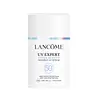
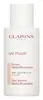
Lancôme UV Expert Supra Screen Invisible UV Serum SPF 50+ Versus Clarins UV Plus Day Screen Multi-Protection SPF 50 PA++++
This oil-control day moisturizer is formulated around Niacinamide to balance excess oil and fade the look of dark spots.
This hybrid sunscreen covers the full UV range and blocks ~98% of UVB at SPF 50.

What's inside
What's inside
 Key Ingredients
Benefits
Concerns
Ingredients Side-by-side
Water
Skin ConditioningDicaprylyl Carbonate
EmollientPhenylbenzimidazole Sulfonic Acid
UV Absorber
Alcohol Denat.
Antimicrobial




Dimethicone
Emollient

Niacinamide
Smoothing










Propanediol
Solvent
Bis-Ethylhexyloxyphenol Methoxyphenyl Triazine
UV Absorber
Butyl Methoxydibenzoylmethane
UV Absorber
Ethylhexyl Triazone
UV Absorber
Methylene Bis-Benzotriazolyl Tetramethylbutylphenol
UV Filter
Silica
Abrasive
Diethylamino Hydroxybenzoyl Hexyl Benzoate
UV Filter
Cetearyl Alcohol
Emollient




Hydroxyethyl Acrylate/Sodium Acryloyldimethyl Taurate Copolymer
Emulsion StabilisingSodium Hydroxide
BufferingTocopherol
Antioxidant

Sodium Stearoyl Glutamate
CleansingPhenoxyethanol
Preservative
PEG-20
HumectantTrisodium Ethylenediamine Disuccinate
ChelatingPolyglyceryl-10 Laurate
Skin Conditioning
Cellulose
Absorbent
Maltodextrin
Absorbent
Polysorbate 60
Emulsifying
Pentylene Glycol
Skin Conditioning
Xanthan Gum
EmulsifyingParfum
Masking

Taraxacum Officinale Rhizome/Root Extract
Skin ConditioningTaraxacum Officinale Extract
Skin ConditioningSorbitan Isostearate
Emulsifying
Butylene Glycol
Humectant
Cetearyl Glucoside
Emulsifying
Lauroyl Lysine
Skin Conditioning
Inulin Lauryl Carbamate
Emulsion StabilisingBixa Orellana Seed Extract
MaskingGlycerin
Humectant
Water, Dicaprylyl Carbonate, Phenylbenzimidazole Sulfonic Acid, Alcohol Denat., Dimethicone, Niacinamide, Propanediol, Bis-Ethylhexyloxyphenol Methoxyphenyl Triazine, Butyl Methoxydibenzoylmethane, Ethylhexyl Triazone, Methylene Bis-Benzotriazolyl Tetramethylbutylphenol, Silica, Diethylamino Hydroxybenzoyl Hexyl Benzoate, Cetearyl Alcohol, Hydroxyethyl Acrylate/Sodium Acryloyldimethyl Taurate Copolymer, Sodium Hydroxide, Tocopherol, Sodium Stearoyl Glutamate, Phenoxyethanol, PEG-20, Trisodium Ethylenediamine Disuccinate, Polyglyceryl-10 Laurate, Cellulose, Maltodextrin, Polysorbate 60, Pentylene Glycol, Xanthan Gum, Parfum, Taraxacum Officinale Rhizome/Root Extract, Taraxacum Officinale Extract, Sorbitan Isostearate, Butylene Glycol, Cetearyl Glucoside, Lauroyl Lysine, Inulin Lauryl Carbamate, Bixa Orellana Seed Extract, Glycerin
Dimethicone
Emollient
Water
Skin ConditioningTitanium Dioxide
Cosmetic Colorant
Ethylhexyl Methoxycinnamate
UV Absorber
Isododecane
EmollientAlcohol
Antimicrobial
Methylene Bis-Benzotriazolyl Tetramethylbutylphenol
UV Filter
Polyglyceryl-3 Polydimethylsiloxyethyl Dimethicone
Skin Conditioning
CI 77891
Cosmetic ColorantNylon-12
Aluminum Hydroxide
EmollientStearic Acid
Cleansing
Mica
Cosmetic ColorantSodium Chloride
MaskingPEG/PPG-18/18 Dimethicone
Emulsifying
Phenoxyethanol
Preservative
Decyl Glucoside
Cleansing
Parfum
Masking
Tocopheryl Acetate
Antioxidant
Cetyl PEG/PPG-10/1 Dimethicone
Emulsifying
Hexyl Laurate
Emollient
Polyglyceryl-4 Isostearate
Emulsifying
Disodium EDTA
ChelatingSodium Hyaluronate
Humectant
Butylene Glycol
Humectant
Triethoxycaprylylsilane
Glycerin
Humectant
CI 77492
Cosmetic ColorantCI 77491
Cosmetic ColorantPropylene Glycol
Humectant
Xanthan Gum
EmulsifyingIsopropyl Titanium Triisostearate
Emollient
Hydroxypropyltrimonium Maltodextrin Crosspolymer
SurfactantThermus Thermophillus Ferment
Skin ConditioningBHT
Antioxidant
Ribes Nigrum Bud Extract
Perfuming
CI 77499
Cosmetic ColorantCamellia Sinensis Leaf Extract
Antimicrobial
Cucumis Melo Fruit Extract
Skin ConditioningPotassium Sorbate
Preservative
Lapsana Communis Flower/Leaf/Stem Extract
Skin ConditioningSodium Lauryl Sulfate
Cleansing
Dimethicone, Water, Titanium Dioxide, Ethylhexyl Methoxycinnamate, Isododecane, Alcohol, Methylene Bis-Benzotriazolyl Tetramethylbutylphenol, Polyglyceryl-3 Polydimethylsiloxyethyl Dimethicone, CI 77891, Nylon-12, Aluminum Hydroxide, Stearic Acid, Mica, Sodium Chloride, PEG/PPG-18/18 Dimethicone, Phenoxyethanol, Decyl Glucoside, Parfum, Tocopheryl Acetate, Cetyl PEG/PPG-10/1 Dimethicone, Hexyl Laurate, Polyglyceryl-4 Isostearate, Disodium EDTA, Sodium Hyaluronate, Butylene Glycol, Triethoxycaprylylsilane, Glycerin, CI 77492, CI 77491, Propylene Glycol, Xanthan Gum, Isopropyl Titanium Triisostearate, Hydroxypropyltrimonium Maltodextrin Crosspolymer, Thermus Thermophillus Ferment, BHT, Ribes Nigrum Bud Extract, CI 77499, Camellia Sinensis Leaf Extract, Cucumis Melo Fruit Extract, Potassium Sorbate, Lapsana Communis Flower/Leaf/Stem Extract, Sodium Lauryl Sulfate
Reviews
Ingredients Explained
These ingredients are found in both products.
Ingredients higher up in an ingredient list are typically present in a larger amount.
Butylene Glycol (or BG) is used within cosmetic products for a few different reasons:
Overall, Butylene Glycol is a safe and well-rounded ingredient that works well with other ingredients.
Though this ingredient works well with most skin types, some people with sensitive skin may experience a reaction such as allergic rashes, closed comedones, or itchiness.
Learn more about Butylene GlycolDimethicone is a type of synthetic silicone created from natural materials such as quartz. It is also known as polydimethylsiloxane.
What it does:
Dimethicone comes in different viscosities:
Depending on the viscosity, dimethicone has different properties.
Ingredients lists don't always show which type is used, so we recommend reaching out to the brand if you have questions about the viscosity.
This ingredient is unlikely to cause irritation because it does not get absorbed into skin. However, people with silicone allergies should be careful about using this ingredient.
Note: Dimethicone may contribute to pilling. This is because it is not oil or water soluble, so pilling may occur when layered with products. When mixed with heavy oils in a formula, the outcome is also quite greasy.
Learn more about DimethiconeGlycerin (or glycerol) is a compound naturally found in your skin. It's a powerhouse humectant that pulls water into the stratum corneum.
Topically, glycerin does several things at once:
Your skin makes glycerin on its own (mostly from sebaceous oil breakdown) and shuttles it to your outermost layer of skin, or your epidermis, via aquaporin-3.
Aquaporin-3 is a transporter that is essential for normal skin hydration, elasticity, and repair. Interestingly, mice lacking in AQP3 have dry and less elastic skin that can be fully corrected with glycerin.
This ingredient is non-irritating, plays well with almost every ingredient, and works across all skin types. Typical use is anywhere between 3-10% but can go up to 79% in some leave-on products.
Just know very high concentrations (>40%) can feel tacky in low humidity.
Glycerin is the name for this ingredient in American English. British English uses Glycerol/Glycerine.
Learn more about GlycerinThis ingredient is also known as Tinosorb M or Bisoctrizole and is a bit of an overachiever in the sunscreen world.
It's a hybrid broad-spectrum filter that covers UVA and UVB (~280-400nm) with peak absorption around 305nm for UVB or 360nm for UVA (and a tiny bit in blue-light territory as well).
One of its best party tricks is photostability; it doesn't break down with repeated sun exposure and doesn't generate free radicals in the process either. You'll also see it paired with wobbly filters like avobenzone because it helps stabilize them.
The safety profile is assuring as well. Because it's a large molecule, it doesn't easily absorb into skin and rarely causes irritation.
It's approved in the EU, Asia, and Australia up to 10% and most formulas land somewhere in the 2-10% range.
You won't find it as a sunscreen active in the US, but it can make an appearance as a formula-protecting UV-absorber.
Learn more about Methylene Bis-Benzotriazolyl TetramethylbutylphenolParfum is a catch-all term for an ingredient or more that is used to give a scent to products.
Also called "fragrance", this ingredient can be a blend of hundreds of chemicals or plant oils. This means every product with "fragrance" or "parfum" in the ingredients list is a different mixture.
For instance, Habanolide is a proprietary trade name for a specific aroma chemical. When used as a fragrance ingredient in cosmetics, most aroma chemicals fall under the broad labeling category of “FRAGRANCE” or “PARFUM” according to EU and US regulations.
The term 'parfum' or 'fragrance' is not regulated in many countries. In many cases, it is up to the brand to define this term.
For instance, many brands choose to label themselves as "fragrance-free" because they are not using synthetic fragrances. However, their products may still contain ingredients such as essential oils that are considered a fragrance by INCI standards.
One example is Calendula flower extract. Calendula is an essential oil that still imparts a scent or 'fragrance'.
Depending on the blend, the ingredients in the mixture can cause allergies and sensitivities on the skin. Some ingredients that are known EU allergens include linalool and citronellol.
Parfum can also be used to mask or cover an unpleasant scent.
The bottom line is: not all fragrances/parfum/ingredients are created equally. If you are worried about fragrances, we recommend taking a closer look at an ingredient. And of course, we always recommend speaking with a professional.
Learn more about ParfumPhenoxyethanol is one of the most widely used preservatives in skincare (and for good reason!).
It has a large spectrum of antimicrobial activity and especially effective bacteria, yeast, and mold while only having a weak effect on your skin's natural microbiome.
On a cellular level, it disrupts the cell membranes of microbes by poking holes that make the cell leak. This shuts down the chemical reactions the microbe needs to make energy so it can no longer survive.
Another perk of this ingredient is that it stays functional across a wide pH range (3-10).
You'll often see it paired with boosters like Ethylhexylglycerin; one study showed that a 1:9 ratio of Ethylhexylglycerin to Phenoxyethanol damages bacterial membranes as effectively as doubling the Phenoxyethanol concentration on its own.
Typical use concentrations range from 0.3-1% depending on the formula, and this ingredient is capped at 1% int the EU.
Safety-wise, the fear mongering does not hold up to the evidence. The EU's Scientific Committee on Consumer Safety and FDA consider it safe as a preservative at up to 1%, including for children of all ages.
Adverse systemic effects only showed up in animal studies at exposures roughly 200x higher than what people get from cosmetics. And despite its very widespread use, this ingredient is a rare sensitizer and allergic reactions are uncommon.
Learn more about PhenoxyethanolWater. It's the most common cosmetic ingredient of all. You'll usually see it at the top of ingredient lists, meaning that it makes up the largest part of the product.
So why is it so popular? Water most often acts as a solvent - this means that it helps dissolve other ingredients into the formulation.
You'll also recognize water as that liquid we all need to stay alive. If you see this, drink a glass of water. Remember to stay hydrated!
Learn more about WaterXanthan gum is used as a stabilizer and thickener within cosmetic products. It helps give products a sticky, thick feeling - preventing them from being too runny.
On the technical side of things, xanthan gum is a polysaccharide - a combination consisting of multiple sugar molecules bonded together.
Xanthan gum is a pretty common and great ingredient. It is a natural, non-toxic, non-irritating ingredient that is also commonly used in food products.
Learn more about Xanthan Gum

