Lancôme Rénergie H.C.F Triple Serum Versus Elizabeth Arden Retinol Ceramide Capsules Line Erasing Night Serum
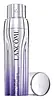
This anti-aging serum is formulated around Niacinamide and 3-O-Ethyl Ascorbic Acid to soften the look of wrinkles and fade the look of dark spots.
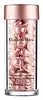
This anti-aging serum is formulated around Ceramide NP and Palmitoyl Tripeptide-1 to soften the look of wrinkles and refine skin texture.


What's inside
What's inside
 Key Ingredients
Benefits
Concerns
Ingredients Side-by-side
Water
Skin ConditioningDipropylene Glycol
HumectantGlycerin
Humectant


Butylene Glycol
Humectant
Propylene Glycol
Humectant

Alcohol
Antimicrobial


Niacinamide
Smoothing









Isopropyl Lauroyl Sarcosinate
Skin ConditioningPentylene Glycol
Skin Conditioning
CI 77891
Cosmetic ColorantGuanosine
Skin ConditioningMica
Cosmetic ColorantTocopheryl Acetate
Antioxidant

Hydrolyzed Linseed Extract
Skin ConditioningSodium Acetylated Hyaluronate
Humectant
Sodium Benzoate
Masking
Phenoxyethanol
Preservative
Phenylethyl Resorcinol
Antioxidant
Stearic Acid
Cleansing

Adenosine
Skin Conditioning
Caffeine
Skin Conditioning
PEG-100 Stearate
Surfactant
Polyacrylate Crosspolymer-6
Emulsion StabilisingSilica Silylate
Emollient
Palmitic Acid
Emollient
Polysorbate 20
Emulsifying
Polysorbate 80
Emulsifying
Ammonium Polyacryloyldimethyl Taurate
Emulsion StabilisingLimonene
Perfuming

Xanthan Gum
EmulsifyingTin Oxide
Abrasive
Benzyl Alcohol
Perfuming
Isohexadecane
Emollient3-O-Ethyl Ascorbic Acid
Skin Conditioning
Caprylyl Glycol
Emollient
Capryloyl Salicylic Acid
Exfoliating
Boron Nitride
Absorbent
Ferulic Acid
Antimicrobial
Acrylamide/Sodium Acryloyldimethyltaurate Copolymer
Emulsion StabilisingSorbitan Oleate
Emulsifying
Myristic Acid
Cleansing
Geraniol
Perfuming
Octocrylene
UV Absorber

Butyl Methoxydibenzoylmethane
UV Absorber
Potassium Cetyl Phosphate
EmulsifyingOctyldodecanol
Emollient
Cetyl Alcohol
Emollient
Octyldodecyl Xyloside
EmulsifyingCitric Acid
Buffering
Citronellol
Perfuming
Glyceryl Stearate
Emollient
Parfum
Masking
Water, Dipropylene Glycol, Glycerin, Butylene Glycol, Propylene Glycol, Alcohol, Niacinamide, Isopropyl Lauroyl Sarcosinate, Pentylene Glycol, CI 77891, Guanosine, Mica, Tocopheryl Acetate, Hydrolyzed Linseed Extract, Sodium Acetylated Hyaluronate, Sodium Benzoate, Phenoxyethanol, Phenylethyl Resorcinol, Stearic Acid, Adenosine, Caffeine, PEG-100 Stearate, Polyacrylate Crosspolymer-6, Silica Silylate, Palmitic Acid, Polysorbate 20, Polysorbate 80, Ammonium Polyacryloyldimethyl Taurate, Limonene, Xanthan Gum, Tin Oxide, Benzyl Alcohol, Isohexadecane, 3-O-Ethyl Ascorbic Acid, Caprylyl Glycol, Capryloyl Salicylic Acid, Boron Nitride, Ferulic Acid, Acrylamide/Sodium Acryloyldimethyltaurate Copolymer, Sorbitan Oleate, Myristic Acid, Geraniol, Octocrylene, Butyl Methoxydibenzoylmethane, Potassium Cetyl Phosphate, Octyldodecanol, Cetyl Alcohol, Octyldodecyl Xyloside, Citric Acid, Citronellol, Glyceryl Stearate, Parfum
Cyclopentasiloxane
Emollient
Dimethicone Crosspolymer
Emulsion Stabilising
C12-15 Alkyl Benzoate
AntimicrobialBHT
Antioxidant
C18-36 Acid Triglyceride
EmollientCamellia Sinensis Leaf Extract
Antimicrobial
Ceramide NP
Skin Conditioning
Ceramide Ns
Skin Conditioning
Cyclohexasiloxane
Emollient
Dimethiconol
Emollient
Ethylhexyl Cocoate
Emollient
Helianthus Annuus Seed Oil
Emollient
Lauryl Methacrylate/Glycol Dimethacrylate Crosspolymer
Lecithin
Emollient
Olea Europaea Fruit Oil
Masking
Palmitoyl Tetrapeptide-7
Skin Conditioning
Palmitoyl Tripeptide-1
Skin Conditioning
Persea Gratissima Oil
Skin Conditioning
Phytosphingosine
Skin Conditioning
Phytosterols
Skin Conditioning
Polysorbate 20
Emulsifying
Propylene Glycol Dicaprylate/Dicaprate
EmollientRetinol
Skin Conditioning
Sorbitan Laurate
Emulsifying
Tetrahydrodiferuloylmethane
Antioxidant
Phenoxyethanol
Preservative
Cyclopentasiloxane, Dimethicone Crosspolymer, C12-15 Alkyl Benzoate, BHT, C18-36 Acid Triglyceride, Camellia Sinensis Leaf Extract, Ceramide NP, Ceramide Ns, Cyclohexasiloxane, Dimethiconol, Ethylhexyl Cocoate, Helianthus Annuus Seed Oil, Lauryl Methacrylate/Glycol Dimethacrylate Crosspolymer, Lecithin, Olea Europaea Fruit Oil, Palmitoyl Tetrapeptide-7, Palmitoyl Tripeptide-1, Persea Gratissima Oil, Phytosphingosine, Phytosterols, Polysorbate 20, Propylene Glycol Dicaprylate/Dicaprate, Retinol, Sorbitan Laurate, Tetrahydrodiferuloylmethane, Phenoxyethanol
Reviews
Ingredients Explained
These ingredients are found in both products.
Ingredients higher up in an ingredient list are typically present in a larger amount.
Phenoxyethanol is one of the most widely used preservatives in skincare (and for good reason!).
It has a large spectrum of antimicrobial activity and especially effective bacteria, yeast, and mold while only having a weak effect on your skin's natural microbiome.
On a cellular level, it disrupts the cell membranes of microbes by poking holes that make the cell leak. This shuts down the chemical reactions the microbe needs to make energy so it can no longer survive.
Another perk of this ingredient is that it stays functional across a wide pH range (3-10).
You'll often see it paired with boosters like Ethylhexylglycerin; one study showed that a 1:9 ratio of Ethylhexylglycerin to Phenoxyethanol damages bacterial membranes as effectively as doubling the Phenoxyethanol concentration on its own.
Typical use concentrations range from 0.3-1% depending on the formula, and this ingredient is capped at 1% int the EU.
Safety-wise, the fear mongering does not hold up to the evidence. The EU's Scientific Committee on Consumer Safety and FDA consider it safe as a preservative at up to 1%, including for children of all ages.
Adverse systemic effects only showed up in animal studies at exposures roughly 200x higher than what people get from cosmetics. And despite its very widespread use, this ingredient is a rare sensitizer and allergic reactions are uncommon.
Learn more about PhenoxyethanolPolysorbate 20 is a gentle, water-soluble emulsifier and mild surfactant. It stops oil and water from separating to keep your formulas blended and stable.
It also acts as a mild penetration enhancer by helping active ingredients absorb slightly better.
The common safety discussion around this ingredient involves a manufacturing byproduct called 1,4-dioxane.
Trace amounts can form during production but the EU's Scientific Committee on Consumer Safety has concluded that levels at/below 10 ppm in finished products are safe (commercial products consistently fall within acceptable margins).
True allergic reactions are uncommon and the CIR Expert Panel has confirmed this ingredient to be safe as used in cosmetics.
Because it is derived from lauric acid, it may not be fungal acne safe.
Learn more about Polysorbate 20

