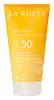
This chemical sunscreen covers the full UV range and blocks ~98% of UVB at SPF 50.
This chemical sunscreen covers the full UV range and blocks ~98% of UVB at SPF 50.


What's inside
What's inside
 Key Ingredients
Benefits
Concerns
Ingredients Side-by-side
Water
Skin ConditioningDicaprylyl Carbonate
EmollientDiethylamino Hydroxybenzoyl Hexyl Benzoate
UV Filter
Propanediol
Solvent

Decyl Oleate
Emollient




Coco-Caprylate/Caprate
Emollient
Bis-Ethylhexyloxyphenol Methoxyphenyl Triazine
UV Absorber
Phenylbenzimidazole Sulfonic Acid
UV Absorber
Prunus Armeniaca Kernel Oil
Masking
Ethylhexyl Triazone
UV Absorber
Lactobacillus Ferment
Skin Conditioning
Cetearyl Glucoside
Emulsifying
Lactobacillus
Skin ConditioningPotassium Cetyl Phosphate
EmulsifyingTriacontanyl Pvp
HumectantParfum
Masking


Tocopherol
Antioxidant




Cocos Nucifera Fruit Extract
Emollient
Aloe Barbadensis Leaf Juice Powder
Skin Conditioning
Avena Sativa Kernel Extract
Abrasive
Helianthus Annuus Seed Oil
Emollient
Glycerin
Humectant
Hydrogenated Vegetable Glycerides Citrate
EmollientXanthan Gum
EmulsifyingSorbitan Olivate
Emulsifying
Ethylhexylglycerin
Skin ConditioningSodium Hydroxide
BufferingPanthenol
Skin Conditioning
Cetearyl Alcohol
Emollient
Maltodextrin
Absorbent
Citric Acid
Buffering
Water, Dicaprylyl Carbonate, Diethylamino Hydroxybenzoyl Hexyl Benzoate, Propanediol, Decyl Oleate, Coco-Caprylate/Caprate, Bis-Ethylhexyloxyphenol Methoxyphenyl Triazine, Phenylbenzimidazole Sulfonic Acid, Prunus Armeniaca Kernel Oil, Ethylhexyl Triazone, Lactobacillus Ferment, Cetearyl Glucoside, Lactobacillus, Potassium Cetyl Phosphate, Triacontanyl Pvp, Parfum, Tocopherol, Cocos Nucifera Fruit Extract, Aloe Barbadensis Leaf Juice Powder, Avena Sativa Kernel Extract, Helianthus Annuus Seed Oil, Glycerin, Hydrogenated Vegetable Glycerides Citrate, Xanthan Gum, Sorbitan Olivate, Ethylhexylglycerin, Sodium Hydroxide, Panthenol, Cetearyl Alcohol, Maltodextrin, Citric Acid
Water
Skin ConditioningPropanediol
Solvent
Dibutyl Adipate
EmollientBis-Ethylhexyloxyphenol Methoxyphenyl Triazine
UV Absorber
Butylene Glycol
Humectant
Diethylamino Hydroxybenzoyl Hexyl Benzoate
UV Filter
CI 77891
Cosmetic ColorantButyloctyl Salicylate
Skin Conditioning
Panthenol
Skin Conditioning
Phenethyl Benzoate
Emollient
Isononyl Isononanoate
EmollientPentylene Glycol
Skin Conditioning
1,2-Hexanediol
Skin Conditioning
Ethylhexyl Triazone
UV Absorber
Polyglyceryl-3 Methylglucose Distearate
Emulsifying
Polysilicone-15
UV Filter
Potassium Cetyl Phosphate
EmulsifyingStearic Acid
Cleansing
Palmitic Acid
Emollient
Glyceryl Stearate
Emollient
Hydroxyacetophenone
Antioxidant
Poly C10-30 Alkyl Acrylate
Emulsion StabilisingC12-16 Alcohols
EmollientAluminum Hydroxide
EmollientCetearyl Alcohol
Emollient
Acrylates/C10-30 Alkyl Acrylate Crosspolymer
Emulsion StabilisingPolyhydroxystearic Acid
Emulsifying
Hydroxyethyl Acrylate/Sodium Acryloyldimethyl Taurate Copolymer
Emulsion StabilisingTromethamine
BufferingHydrogenated Lecithin
Emulsifying
Vinyl Dimethicone/Methicone Silsesquioxane Crosspolymer

Polyglyceryl-2 Dipolyhydroxystearate
Skin Conditioning
Dipropylene Glycol
HumectantDisodium EDTA
ChelatingSodium Polyacrylate
Absorbent
Sorbitan Isostearate
Emulsifying
Bambusa Vulgaris Water
Skin ConditioningAllantoin
Skin Conditioning
Ectoin
Skin Conditioning
Camellia Sinensis Leaf Extract
Antimicrobial
Mentha Rotundifolia Leaf Extract
TonicThymus Vulgaris Leaf Extract
Skin ProtectingHyaluronic Acid
Humectant
Ethylhexylglycerin
Skin ConditioningHydrolyzed Hyaluronic Acid
Humectant
Sodium Hyaluronate
Humectant
Water, Propanediol, Dibutyl Adipate, Bis-Ethylhexyloxyphenol Methoxyphenyl Triazine, Butylene Glycol, Diethylamino Hydroxybenzoyl Hexyl Benzoate, CI 77891, Butyloctyl Salicylate, Panthenol, Phenethyl Benzoate, Isononyl Isononanoate, Pentylene Glycol, 1,2-Hexanediol, Ethylhexyl Triazone, Polyglyceryl-3 Methylglucose Distearate, Polysilicone-15, Potassium Cetyl Phosphate, Stearic Acid, Palmitic Acid, Glyceryl Stearate, Hydroxyacetophenone, Poly C10-30 Alkyl Acrylate, C12-16 Alcohols, Aluminum Hydroxide, Cetearyl Alcohol, Acrylates/C10-30 Alkyl Acrylate Crosspolymer, Polyhydroxystearic Acid, Hydroxyethyl Acrylate/Sodium Acryloyldimethyl Taurate Copolymer, Tromethamine, Hydrogenated Lecithin, Vinyl Dimethicone/Methicone Silsesquioxane Crosspolymer, Polyglyceryl-2 Dipolyhydroxystearate, Dipropylene Glycol, Disodium EDTA, Sodium Polyacrylate, Sorbitan Isostearate, Bambusa Vulgaris Water, Allantoin, Ectoin, Camellia Sinensis Leaf Extract, Mentha Rotundifolia Leaf Extract, Thymus Vulgaris Leaf Extract, Hyaluronic Acid, Ethylhexylglycerin, Hydrolyzed Hyaluronic Acid, Sodium Hyaluronate
Reviews
Ingredients Explained
These ingredients are found in both products.
Ingredients higher up in an ingredient list are typically present in a larger amount.
This ingredient is better known as bemotrizinol or Tinosorb S and is one of the best broad-spectrum UV filters in modern sunscreen.
It works by absorbing UV light across a whole range (280-400 nm) with peaks around 310 nm (UVB) and 340-345 nm (UVA). This means it covers UVB plus the deeper UVA wavelengths that drive photoaging and pigmentation.
Another pro?
It's exceptionally photostable, barely degrades in sunlight, and acts as a "bodyguard" for less stable filters.
That's why you'll see it paired with avobenzone or octinoxate; this team up ensures they keep working through sun exposure.
Safety reviews have been reassuring across the board. This ingredient shows low absorption through the skin, rarely irritates, and lab studies found it doesn't act like a hormone in the body (a concern that's been raised about some older sunscreen filters).
On maximum concentrations:
In 2026, the US F.D.A finally added it as an OTC sunscreen ingredient at concentrations up to 6% for adults / children 6 months and older
Learn more about Bis-Ethylhexyloxyphenol Methoxyphenyl TriazineCetearyl alcohol is a waxy mixture of two fatty alcohols: cetyl alcohol and stearyl alcohol. It is an emollient and emulsifier.
Despite having "alcohol" in its name, it has nothing to do with drying solvent alcohols; the FDA also allows "alcohol-free" products to contain fatty alcohols like this ingredient.
It plays several roles in a formula:
Typical use levels for this ingredient sit around 1-10% and the Cosmetic Ingredient Review Expert Panel has affirmed safety at concentrations up to 25% in leave-on products.
Multiple assessments have found it to be non-irritating and non-sensitizing to most people.
However, there have been some cases of allergic contact dermatitis in patients with chronically compromised skin barriers.
Cetearyl alcohol has a comedogenic rating of 2 and irritancy rating of 1. Both of these numbers come from the 1989 study that used rabbit ears; a "2" means mildly comedogenic and a "1" means low irritancy.
Here's the catch: rabbit skin is more sensitive than human skin and throws a lot of false positives. A 1996 reappraisal found that ingredients rated 1-2 in the rabbit ear tests are generally safe for humans.
Remember comedogenic ratings are unable to assess the entire formula of a product or how it will react on your skin. Just be sure to patch test if you are unsure about certain ingredients.
This ingredient is not fungal acne safe. Cetearyl alcohol is a fatty alcohol with chain lengths that fall within the range that Malassezia can metabolize.
A 2019 study has also observed Malassezia growth in the presence of this ingredient, confirming it to be not-fungal acne safe.
Learn more about Cetearyl AlcoholDiethylamino Hydroxybenzoyl Hexyl Benzoate (DHHB) is a chemical UV-A absorber. It is formulated for high UVA protection (320-400 nm).
DHHB is well-liked for:
DHHB has been approved by the EU, Japan, Taiwan, and South America for use up to 10%. Unfortunately, it has not been approved for use in the US or Canada due to slow regulatory processes.
This ingredient is soluble in oils, fats, and lipids.
Learn more about Diethylamino Hydroxybenzoyl Hexyl BenzoateEthylhexyl Triazone (aka Octyl Triazone) is an oil-soluble organic UVB filter. It has peak absorption around 314 nm, right in the middle of the UVB range.
This ingredient is described as one of the most effective UVB filters available and small concentrations are enough to deliver a high SPF thanks to its strong UV absorbing power.
Formulators love it for its stability; its ability to filter UV stays practically unchanged even under intense radiation and it can also help boost the photostability of less stable filters like avobenzone.
It's also a great pick for water resistant products because it's insoluble in water and has a good affinity for keratin.
Because it's a big, heavy molecule, the European Scientific Committee has found to to have very low dermal penetration and negative results for allergenicity.
In vitro testing also showed a low absorption rate and clean results on irritation.
Typical use levels are 1-5% with 5% being the maximum in the EU, Japan, and other markets that allow it. However, this ingredient is not approved yet in the US or Canada.
Learn more about Ethylhexyl TriazoneEthylhexylglycerin is created from glycerin. It is a multitasker ingredient that:
The CIR Expert Panel found minimal skin absorption or sensitization of any kind in a safety assessment. Though this ingredient is considered well-tolerated, a small number of cases of allergic dermatitis have been published since 2002. Just be sure to patch test if you are unsure.
Industry-reported use ranges from 8% in rinse-off products and 2% in leave-on formulations.
Learn more about EthylhexylglycerinPanthenol is a common ingredient that helps hydrate and soothe the skin. It is found naturally in our skin and hair.
There are two forms of panthenol: D and L.
D-panthenol is also known as dexpanthenol. Most cosmetics use dexpanthenol or a mixture of D and L-panthenol.
Panthenol is famous due to its ability to go deeper into the skin's layers. Using this ingredient has numerous pros (and no cons):
Like hyaluronic acid, panthenol is a humectant. Humectants are able to bind and hold large amounts of water to keep skin hydrated.
This ingredient works well for wound healing. It works by increasing tissue in the wound and helps close open wounds.
Once oxidized, panthenol converts to pantothenic acid. Panthothenic acid is found in all living cells.
This ingredient is also referred to as pro-vitamin B5.
Learn more about PanthenolPotassium Cetyl Phosphate is the potassium salt of a mixture. This mixture consists of the esters from phosphoricacid and cetyl alcohol.
Potassium Cetyl Phosphate is an emulsifier and cleansing agent. Emulsifiers help stabilize a product. It does this by preventing certain ingredients from separating.
As a cleansing agent, Potassium Cetyl Phosphate helps gather oils, dirts, and pollutants from your skin. This makes it easier to rinse them away with water.
Learn more about Potassium Cetyl PhosphatePropanediol is an all-star ingredient. It softens, hydrates, and smooths the skin.
It’s often used to:
Propanediol is not likely to cause sensitivity and considered safe to use. It is derived from corn or petroleum with a clear color and no scent.
Learn more about PropanediolWater. It's the most common cosmetic ingredient of all. You'll usually see it at the top of ingredient lists, meaning that it makes up the largest part of the product.
So why is it so popular? Water most often acts as a solvent - this means that it helps dissolve other ingredients into the formulation.
You'll also recognize water as that liquid we all need to stay alive. If you see this, drink a glass of water. Remember to stay hydrated!
Learn more about Water

