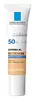
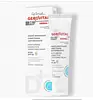
La Roche-Posay Uvidea Anthelios Tinted BB Cream SPF 50+ Versus Gerovital H3 Derma+ Moisturizing Corrective Smoothing Cream SPF 30


What's inside
What's inside
 Key Ingredients
Benefits
Concerns
Ingredients Side-by-side
Water
Skin ConditioningCI 77891
Cosmetic ColorantEthylhexyl Methoxycinnamate
UV Absorber


Glycerin
Humectant


Drometrizole Trisiloxane
UV Absorber
Dimethicone
Emollient
Alcohol Denat.
Antimicrobial



Titanium Dioxide
Cosmetic Colorant
Terephthalylidene Dicamphor Sulfonic Acid
UV Absorber
Propylene Glycol
Humectant
Diethylamino Hydroxybenzoyl Hexyl Benzoate
UV Filter
Triethanolamine
BufferingCI 77491
Cosmetic ColorantCI 77492
Cosmetic ColorantCI 77499
Cosmetic ColorantBis-Ethylhexyloxyphenol Methoxyphenyl Triazine
UV Absorber
Stearic Acid
Cleansing

Potassium Cetyl Phosphate
EmulsifyingPentylene Glycol
Skin Conditioning
Aluminum Hydroxide
EmollientBHT
Antioxidant
Butylene Glycol
Humectant
Butyrospermum Parkii Seedcake Extract
Skin Protecting
Caprylyl Glycol
Emollient
Carbomer
Emulsion StabilisingCarnosine
Skin Conditioning
Cetyl Alcohol
Emollient
Disodium EDTA
ChelatingGlyceryl Stearate
Emollient
Myristic Acid
Cleansing
Myristyl Alcohol
Emollient
Palmitic Acid
Emollient
PEG-100 Stearate
Surfactant
Phenoxyethanol
Preservative
Sodium Chloride
MaskingSodium Cocoyl Sarcosinate
Cleansing
Stearyl Alcohol
Emollient
Tocopherol
Antioxidant



Tromethamine
BufferingXanthan Gum
EmulsifyingWater, CI 77891, Ethylhexyl Methoxycinnamate, Glycerin, Drometrizole Trisiloxane, Dimethicone, Alcohol Denat., Titanium Dioxide, Terephthalylidene Dicamphor Sulfonic Acid, Propylene Glycol, Diethylamino Hydroxybenzoyl Hexyl Benzoate, Triethanolamine, CI 77491, CI 77492, CI 77499, Bis-Ethylhexyloxyphenol Methoxyphenyl Triazine, Stearic Acid, Potassium Cetyl Phosphate, Pentylene Glycol, Aluminum Hydroxide, BHT, Butylene Glycol, Butyrospermum Parkii Seedcake Extract, Caprylyl Glycol, Carbomer, Carnosine, Cetyl Alcohol, Disodium EDTA, Glyceryl Stearate, Myristic Acid, Myristyl Alcohol, Palmitic Acid, PEG-100 Stearate, Phenoxyethanol, Sodium Chloride, Sodium Cocoyl Sarcosinate, Stearyl Alcohol, Tocopherol, Tromethamine, Xanthan Gum
Water
Skin ConditioningEthylhexyl Salicylate
UV Absorber
Dibutyl Adipate
EmollientGlycerin
Humectant
Glyceryl Stearate
Emollient
Diethylamino Hydroxybenzoyl Hexyl Benzoate
UV Filter
Pentylene Glycol
Skin Conditioning
Methylene Bis-Benzotriazolyl Tetramethylbutylphenol
UV Filter
Phenylbenzimidazole Sulfonic Acid
UV Absorber
C12-15 Alkyl Benzoate
AntimicrobialBis-Ethylhexyloxyphenol Methoxyphenyl Triazine
UV Absorber
Cetyl Alcohol
Emollient
Ethylhexyl Triazone
UV Absorber
Hydroxyethyl Acrylate/Sodium Acryloyldimethyl Taurate Copolymer
Emulsion StabilisingButyrospermum Parkii Butter
Skin Conditioning
Sodium Stearoyl Glutamate
CleansingXylitylglucoside
Humectant
Phenoxyethanol
Preservative
Tromethamine
BufferingPEG-75 Stearate
Surfactant
Cetearyl Alcohol
Emollient
Anhydroxylitol
Humectant
Xylitol
Humectant
Ceteth-20
CleansingSteareth-20
CleansingSqualane
Emollient
Decyl Glucoside
Cleansing
Glucosyl Ceramide
Skin Conditioning

Sodium Hyaluronate
Humectant
Glyceryl Laurate
Emollient
Sorbitan Isostearate
Emulsifying
Polysorbate 60
Emulsifying
Xanthan Gum
EmulsifyingSodium Citrate
BufferingPropylene Glycol
Humectant
Tetrasodium EDTA
ChelatingSodium Hydroxide
BufferingBHA
Antioxidant
CI 77891
Cosmetic ColorantCI 77492
Cosmetic ColorantCI 77491
Cosmetic ColorantCI 77499
Cosmetic ColorantWater, Ethylhexyl Salicylate, Dibutyl Adipate, Glycerin, Glyceryl Stearate, Diethylamino Hydroxybenzoyl Hexyl Benzoate, Pentylene Glycol, Methylene Bis-Benzotriazolyl Tetramethylbutylphenol, Phenylbenzimidazole Sulfonic Acid, C12-15 Alkyl Benzoate, Bis-Ethylhexyloxyphenol Methoxyphenyl Triazine, Cetyl Alcohol, Ethylhexyl Triazone, Hydroxyethyl Acrylate/Sodium Acryloyldimethyl Taurate Copolymer, Butyrospermum Parkii Butter, Sodium Stearoyl Glutamate, Xylitylglucoside, Phenoxyethanol, Tromethamine, PEG-75 Stearate, Cetearyl Alcohol, Anhydroxylitol, Xylitol, Ceteth-20, Steareth-20, Squalane, Decyl Glucoside, Glucosyl Ceramide, Sodium Hyaluronate, Glyceryl Laurate, Sorbitan Isostearate, Polysorbate 60, Xanthan Gum, Sodium Citrate, Propylene Glycol, Tetrasodium EDTA, Sodium Hydroxide, BHA, CI 77891, CI 77492, CI 77491, CI 77499
Ingredients Explained
These ingredients are found in both products.
Ingredients higher up in an ingredient list are typically present in a larger amount.
This ingredient is better known as bemotrizinol or Tinosorb S and is one of the best broad-spectrum UV filters in modern sunscreen.
It works by absorbing UV light across a whole range (280-400 nm) with peaks around 310 nm (UVB) and 340-345 nm (UVA). This means it covers UVB plus the deeper UVA wavelengths that drive photoaging and pigmentation.
Another pro?
It's exceptionally photostable, barely degrades in sunlight, and acts as a "bodyguard" for less stable filters.
That's why you'll see it paired with avobenzone or octinoxate; this team up ensures they keep working through sun exposure.
Safety reviews have been reassuring across the board. This ingredient shows low absorption through the skin, rarely irritates, and lab studies found it doesn't act like a hormone in the body (a concern that's been raised about some older sunscreen filters).
On maximum concentrations:
In 2026, the US F.D.A finally added it as an OTC sunscreen ingredient at concentrations up to 6% for adults / children 6 months and older
Learn more about Bis-Ethylhexyloxyphenol Methoxyphenyl TriazineCetyl Alcohol is a fatty alcohol. Fatty Alcohols are most often used as an emollient or to thicken a product.
Its main roles are:
Though it has "alcohol" in the name, it is not related to denatured alcohol or ethyl alcohol.
The FDA allows products labeled "alcohol-free" to have fatty alcohols.
This ingredient may not be fungal acne safe. It is a primary fatty alcohol with a chain length above 12 carbons. A study from 2019 show Malassezia can feed on fatty alcohols in this range, so it may trigger fungal acne in those prone to it.
Learn more about Cetyl AlcoholCi 77491 is also hydrated iron III oxide. It's sole purpose is to give a red/pink hue to products.
Iron III oxides are classified as inorganic chemicals for coloring.
Synthetically created Ci 77491 is considered safer than those naturally found. This is because the synthetically created version may contain less impurities. Iron oxides are generally non-toxic and non-allergenic.
Learn more about CI 77491CI 77492 is also hydrated iron III oxide. It's sole purpose is to give a yellow hue to products.
Iron III oxides are classified as inorganic chemicals for coloring.
Synthetically created CI 77492 is considered safer than those naturally found. This is because the synthetically created version may contain less impurities. Iron oxides are generally non-toxic and non-allergenic.
Learn more about CI 77492Ci 77499 is also hydrated iron III oxide. It is created from mixing red and black iron oxides. This helps give shades of darkness to a product.
Iron III oxides are classified as inorganic chemicals for coloring.
Ci 77891 is a white pigment from Titanium dioxide. It is naturally found in minerals such as rutile and ilmenite.
It's main function is to add a white color to cosmetics. It can also be mixed with other colors to create different shades.
Ci 77891 is commonly found in sunscreens due to its ability to block UV rays.
Learn more about CI 77891Diethylamino Hydroxybenzoyl Hexyl Benzoate (DHHB) is a chemical UV-A absorber. It is formulated for high UVA protection (320-400 nm).
DHHB is well-liked for:
DHHB has been approved by the EU, Japan, Taiwan, and South America for use up to 10%. Unfortunately, it has not been approved for use in the US or Canada due to slow regulatory processes.
This ingredient is soluble in oils, fats, and lipids.
Learn more about Diethylamino Hydroxybenzoyl Hexyl BenzoateGlycerin (or glycerol) is a compound naturally found in your skin. It's a powerhouse humectant that pulls water into the stratum corneum.
Topically, glycerin does several things at once:
Your skin makes glycerin on its own (mostly from sebaceous oil breakdown) and shuttles it to your outermost layer of skin, or your epidermis, via aquaporin-3.
Aquaporin-3 is a transporter that is essential for normal skin hydration, elasticity, and repair. Interestingly, mice lacking in AQP3 have dry and less elastic skin that can be fully corrected with glycerin.
This ingredient is non-irritating, plays well with almost every ingredient, and works across all skin types. Typical use is anywhere between 3-10% but can go up to 79% in some leave-on products.
Just know very high concentrations (>40%) can feel tacky in low humidity.
Glycerin is the name for this ingredient in American English. British English uses Glycerol/Glycerine.
Learn more about GlycerinGlyceryl Stearate is made by reacting glycerin with stearic acid (typically sourced from plant oils like palm or coconut). It's an emulsifier, emollient, and mild occlusive.
Emulsifiers help ingredients like oil and water stay mixed so your formula stays nicely blended and uniform in texture.
This ingredient is typically used in concentrations between 1-10%. Studies have found it to be non-sensitizing, non-phototoxic, and non-photoallergenic.
A close cousin of this ingredient is Glyceryl Stearate SE ("self-emulsifying"). This just has a small amount of sodium or potassium stearate added so it can emulsify without a co-emulsifier.
Since this ingredient is an ester of a C18 fatty acid, it may not be fungal acne safe. The Malassezia yeast can potentially metabolize within the C11-C24 range.
Fun fact: The human body also creates Glyceryl Stearate naturally.
Learn more about Glyceryl StearatePentylene Glycol (1,2-pentanediol) is a multitasking little diol with three main roles in a formula:
Research on alkanediols (the family pentylene glycol belongs to) show they work by disrupting microbial cell membranes. This disruption helps the primary preservative system in a product work more effectively at lower doses.
On the safety side, the Cosmetic Ingredient Review Expert Panel has concluded this ingredient to be safe as used in current cosmetic practices + concentrations.
Typical use levels in a formula run about 1-5%.
Learn more about Pentylene GlycolPhenoxyethanol is one of the most widely used preservatives in skincare (and for good reason!).
It has a large spectrum of antimicrobial activity and especially effective bacteria, yeast, and mold while only having a weak effect on your skin's natural microbiome.
On a cellular level, it disrupts the cell membranes of microbes by poking holes that make the cell leak. This shuts down the chemical reactions the microbe needs to make energy so it can no longer survive.
Another perk of this ingredient is that it stays functional across a wide pH range (3-10).
You'll often see it paired with boosters like Ethylhexylglycerin; one study showed that a 1:9 ratio of Ethylhexylglycerin to Phenoxyethanol damages bacterial membranes as effectively as doubling the Phenoxyethanol concentration on its own.
Typical use concentrations range from 0.3-1% depending on the formula, and this ingredient is capped at 1% int the EU.
Safety-wise, the fear mongering does not hold up to the evidence. The EU's Scientific Committee on Consumer Safety and FDA consider it safe as a preservative at up to 1%, including for children of all ages.
Adverse systemic effects only showed up in animal studies at exposures roughly 200x higher than what people get from cosmetics. And despite its very widespread use, this ingredient is a rare sensitizer and allergic reactions are uncommon.
Learn more about PhenoxyethanolPropylene Glycol is a synthetic, colorless, odorless liquid that has been a staple in cosmetics for decades. It is a skin conditioning agent, humectant, and solvent.
As a humectant, it draw water to the skin to reduce flaking and restore suppleness. It's also a solvent that helps dissolve other actives and keeps formulas stable across temperature changes.
The CIR Expert Panel has confirmed this ingredient to be nontoxic and clinical studies show no sensitization at cosmetic use concentrations.
True allergic reactions are quite rare: a 15-year retrospective study of 6,751 patients found only 0.31% had a positive reaction (and less than half were considered clinically relevant).
It seemed that when sensitization does occur, it's most commonly linked to topical medication (like corticosteroids) and not cosmetics. Allergic contact dermatitis also appears largely limited to individuals with underlying skin conditions.
Overall, propylene glycol is a well-studied ingredient that most people can tolerate without issue.
Learn more about Propylene GlycolTromethamine (aka THAM) is a synthetic amino acid that shows up in skincare as a helper ingredient.
It functions as a pH adjuster to help neutralize acidic ingredients and set a formula's pH to the right spot.
This matters a lot because a lot of actives (like vitamin C) needs a specific pH to work well and feel comfortable on skin.
Concentration use ranges from 0.1-1.0% depending on the formula.
Learn more about TromethamineWater. It's the most common cosmetic ingredient of all. You'll usually see it at the top of ingredient lists, meaning that it makes up the largest part of the product.
So why is it so popular? Water most often acts as a solvent - this means that it helps dissolve other ingredients into the formulation.
You'll also recognize water as that liquid we all need to stay alive. If you see this, drink a glass of water. Remember to stay hydrated!
Learn more about WaterXanthan gum is used as a stabilizer and thickener within cosmetic products. It helps give products a sticky, thick feeling - preventing them from being too runny.
On the technical side of things, xanthan gum is a polysaccharide - a combination consisting of multiple sugar molecules bonded together.
Xanthan gum is a pretty common and great ingredient. It is a natural, non-toxic, non-irritating ingredient that is also commonly used in food products.
Learn more about Xanthan Gum

