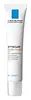
This acne day moisturizer is formulated around Niacinamide and Zinc PCA to clear breakouts and balance excess oil.
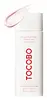
This hybrid sunscreen covers the full UV range and blocks ~98% of UVB at SPF 50.


What's inside
What's inside
 Key Ingredients
Benefits
Concerns
Ingredients Side-by-side
Water
Skin ConditioningOctocrylene
UV Absorber



Glycerin
Humectant


Homosalate
Skin Conditioning
Ethylhexyl Salicylate
UV Absorber
Alcohol Denat.
Antimicrobial


Niacinamide
Smoothing









Butyl Methoxydibenzoylmethane
UV Absorber
Dimethicone
Emollient
Sorbitan Stearate
Emulsifying
Silica
Abrasive
Isopropyl Lauroyl Sarcosinate
Skin ConditioningStyrene/Acrylates Copolymer
Propylene Glycol
Humectant
Potassium Cetyl Phosphate
EmulsifyingDiisopropyl Sebacate
EmollientPEG-20
HumectantPEG-8 Laurate
Emulsifying
Zinc PCA
Humectant
Dimethicone/Vinyl Dimethicone Crosspolymer
Skin Conditioning
2-Oleamido-1,3-Octadecanediol
Skin ConditioningInulin Lauryl Carbamate
Emulsion StabilisingCarnosine
Skin Conditioning
Poloxamer 338
EmulsifyingAmmonium Polyacryloyldimethyl Taurate
Emulsion StabilisingDisodium EDTA
ChelatingSucrose Cocoate
Emulsifying
Capryloyl Salicylic Acid
Exfoliating
Xanthan Gum
EmulsifyingT-Butyl Alcohol
Perfuming

BHT
Antioxidant
Salicylic Acid
Masking

Parfum
Masking
Water, Octocrylene, Glycerin, Homosalate, Ethylhexyl Salicylate, Alcohol Denat., Niacinamide, Butyl Methoxydibenzoylmethane, Dimethicone, Sorbitan Stearate, Silica, Isopropyl Lauroyl Sarcosinate, Styrene/Acrylates Copolymer, Propylene Glycol, Potassium Cetyl Phosphate, Diisopropyl Sebacate, PEG-20, PEG-8 Laurate, Zinc PCA, Dimethicone/Vinyl Dimethicone Crosspolymer, 2-Oleamido-1,3-Octadecanediol, Inulin Lauryl Carbamate, Carnosine, Poloxamer 338, Ammonium Polyacryloyldimethyl Taurate, Disodium EDTA, Sucrose Cocoate, Capryloyl Salicylic Acid, Xanthan Gum, T-Butyl Alcohol, BHT, Salicylic Acid, Parfum
Hippophae Rhamnoides Water
Masking
Dibutyl Adipate
EmollientPropanediol
Solvent
Titanium Dioxide
Cosmetic Colorant
Butyloctyl Salicylate
Skin Conditioning
Caprylic/Capric Triglyceride
Masking
Glycerin
Humectant
Butylene Glycol
Humectant
Diethylamino Hydroxybenzoyl Hexyl Benzoate
UV Filter
Ethylhexyl Triazone
UV Absorber
1,2-Hexanediol
Skin Conditioning
Niacinamide
Smoothing
Caprylyl Methicone
Skin Conditioning
Diethylhexyl Butamido Triazone
UV Absorber
Water
Skin ConditioningHippophae Rhamnoides Fruit Extract
Skin Conditioning
Pentylene Glycol
Skin Conditioning
Sodium Hyaluronate
Humectant
Polymethylsilsesquioxane
Polyhydroxystearic Acid
Emulsifying
Dimethicone/Vinyl Dimethicone Crosspolymer
Skin Conditioning
Stearic Acid
Cleansing
Dimethiconol
Emollient
Trisiloxane
Skin Conditioning
Sodium Polyacryloyldimethyl Taurate
Emulsion StabilisingAmmonium Polyacryloyldimethyl Taurate
Emulsion StabilisingAlumina
Abrasive
Hydroxypropyl Methylcellulose Stearoxy Ether
Coco-Caprylate/Caprate
Emollient
Xanthan Gum
EmulsifyingEthylhexylglycerin
Skin ConditioningAdenosine
Skin Conditioning
Sodium Polyacrylate
Absorbent
Aluminum Hydroxide
EmollientTriethoxycaprylylsilane
Pvm/Ma Copolymer
Emulsion StabilisingT-Butyl Alcohol
Perfuming
Cyanocobalamin
Skin ConditioningPolyether-1
Tocopherol
Antioxidant
Parfum
Masking
Hippophae Rhamnoides Water, Dibutyl Adipate, Propanediol, Titanium Dioxide, Butyloctyl Salicylate, Caprylic/Capric Triglyceride, Glycerin, Butylene Glycol, Diethylamino Hydroxybenzoyl Hexyl Benzoate, Ethylhexyl Triazone, 1,2-Hexanediol, Niacinamide, Caprylyl Methicone, Diethylhexyl Butamido Triazone, Water, Hippophae Rhamnoides Fruit Extract, Pentylene Glycol, Sodium Hyaluronate, Polymethylsilsesquioxane, Polyhydroxystearic Acid, Dimethicone/Vinyl Dimethicone Crosspolymer, Stearic Acid, Dimethiconol, Trisiloxane, Sodium Polyacryloyldimethyl Taurate, Ammonium Polyacryloyldimethyl Taurate, Alumina, Hydroxypropyl Methylcellulose Stearoxy Ether, Coco-Caprylate/Caprate, Xanthan Gum, Ethylhexylglycerin, Adenosine, Sodium Polyacrylate, Aluminum Hydroxide, Triethoxycaprylylsilane, Pvm/Ma Copolymer, T-Butyl Alcohol, Cyanocobalamin, Polyether-1, Tocopherol, Parfum
Reviews
Ingredients Explained
These ingredients are found in both products.
Ingredients higher up in an ingredient list are typically present in a larger amount.
Ammonium Polyacryloyldimethyl Taurate is a polymer made from ammonium salts. It works as a thickener, emulsifier, and texture enhancer that gives gel-creams a silky, lightweight feel.
This ingredient is versatile and low-maintenance so manufacturers love working with it.
Typical usage levels in cosmetics are usually low and in the range of 0.015 - 2.3%.
Learn more about Ammonium Polyacryloyldimethyl TaurateThis ingredient is a silicone elastomer that works as a texture enhancer, adds a silky slip, and also helps absorb excess oil.
Because it's a large macromolecule that's insoluble in water and chemically inert, it's not expected to penetrate or be absorbed into skin.
Human patch tests with a facial lotion containing 1% of this ingredient found no sensitization.
Learn more about Dimethicone/Vinyl Dimethicone CrosspolymerGlycerin (or glycerol) is a compound naturally found in your skin. It's a powerhouse humectant that pulls water into the stratum corneum.
Topically, glycerin does several things at once:
Your skin makes glycerin on its own (mostly from sebaceous oil breakdown) and shuttles it to your outermost layer of skin, or your epidermis, via aquaporin-3.
Aquaporin-3 is a transporter that is essential for normal skin hydration, elasticity, and repair. Interestingly, mice lacking in AQP3 have dry and less elastic skin that can be fully corrected with glycerin.
This ingredient is non-irritating, plays well with almost every ingredient, and works across all skin types. Typical use is anywhere between 3-10% but can go up to 79% in some leave-on products.
Just know very high concentrations (>40%) can feel tacky in low humidity.
Glycerin is the name for this ingredient in American English. British English uses Glycerol/Glycerine.
Learn more about GlycerinNiacinamide is a multitasking form of vitamin B3 that strengthens the skin barrier, reduces pores and dark spots, regulates oil, and improves signs of aging.
And the best part? It's gentle and well-tolerated by most skin types, including sensitive and reactive skin.
You might have heard of "niacin flush", or the reddening of skin that causes itchiness. Niacinamide has not been found to cause this.
In very rare cases, some individuals may not be able to tolerate niacinamide at all or experience an allergic reaction to it.
If you are experiencing flaking, irritation, and dryness with this ingredient, be sure to double check all your products as this ingredient can be found in all categories of skincare.
When incorporating niacinamide into your routine, look out for concentration amounts. Typically, 5% niacinamide provides benefits such as fading dark spots. However, if you have sensitive skin, it is better to begin with a smaller concentration.
When you apply niacinamide to your skin, your body converts it into nicotinamide adenine dinucleotide (NAD). NAD is an essential coenzyme that is already found in your cells as "fuel" and powers countless biological processes.
In your skin, NAD helps repair cell damage, produce new healthy cells, support collagen production, strengthen the skin barrier, and fight environmental stressors (like UV and pollution).
Our natural NAD levels start to decline with age, leading to slower skin repair, visible aging, and a weaker skin barrier. By providing your skin niacinamide, you're recharging your skin's NAD levels. This leads to stronger, healthier, and younger looking skin.
Another name for vitamin B3 is nicotinamide. This vitamin is water-soluble and our bodies don't store it. We obtain Vitamin B3 from either food or skincare. Meat, fish, wheat, yeast, and leafy greens contain vitamin B3.
The type of niacinamide used in skincare is synthetically created.
Learn more about NiacinamideParfum is a catch-all term for an ingredient or more that is used to give a scent to products.
Also called "fragrance", this ingredient can be a blend of hundreds of chemicals or plant oils. This means every product with "fragrance" or "parfum" in the ingredients list is a different mixture.
For instance, Habanolide is a proprietary trade name for a specific aroma chemical. When used as a fragrance ingredient in cosmetics, most aroma chemicals fall under the broad labeling category of “FRAGRANCE” or “PARFUM” according to EU and US regulations.
The term 'parfum' or 'fragrance' is not regulated in many countries. In many cases, it is up to the brand to define this term.
For instance, many brands choose to label themselves as "fragrance-free" because they are not using synthetic fragrances. However, their products may still contain ingredients such as essential oils that are considered a fragrance by INCI standards.
One example is Calendula flower extract. Calendula is an essential oil that still imparts a scent or 'fragrance'.
Depending on the blend, the ingredients in the mixture can cause allergies and sensitivities on the skin. Some ingredients that are known EU allergens include linalool and citronellol.
Parfum can also be used to mask or cover an unpleasant scent.
The bottom line is: not all fragrances/parfum/ingredients are created equally. If you are worried about fragrances, we recommend taking a closer look at an ingredient. And of course, we always recommend speaking with a professional.
Learn more about ParfumT-Butyl Alcohol (aka tert-butanol) is a small, clear, camphor-smelling alcohol.
It has two main jobs:
On the safety side, it's well-studied and has a solid track record. Human repeat-insult patch testing showed no skin irritation or sensitization even at 100%.
Typical use levels are pretty tiny, usually less than 1%.
You might see some fear-mongering around this ingredient:
Studies in male rats showed kidney effects but that's because of a rat-specific protein that humans don't make. So this study isn't really relevant to humans.
Though it's not a typical fragrance like parfum, it does have a natural scent. That's why the official COSIng database lists it as 'perfuming' ingredient. It can be used to modify the scent of a formula.
Learn more about T-Butyl AlcoholWater. It's the most common cosmetic ingredient of all. You'll usually see it at the top of ingredient lists, meaning that it makes up the largest part of the product.
So why is it so popular? Water most often acts as a solvent - this means that it helps dissolve other ingredients into the formulation.
You'll also recognize water as that liquid we all need to stay alive. If you see this, drink a glass of water. Remember to stay hydrated!
Learn more about WaterXanthan gum is used as a stabilizer and thickener within cosmetic products. It helps give products a sticky, thick feeling - preventing them from being too runny.
On the technical side of things, xanthan gum is a polysaccharide - a combination consisting of multiple sugar molecules bonded together.
Xanthan gum is a pretty common and great ingredient. It is a natural, non-toxic, non-irritating ingredient that is also commonly used in food products.
Learn more about Xanthan Gum

