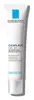
This barrier-repair moisturizer is formulated around Panthenol and Madecassoside to strengthen the skin barrier and calm redness.
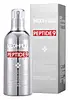
This anti-aging essence is formulated around Niacinamide and Acetyl Hexapeptide-8 to soften the look of wrinkles and refine skin texture.


What's inside
What's inside
 Key Ingredients
Benefits
Concerns
Ingredients Side-by-side
Glycerin 21%
Humectant


Water
Skin ConditioningDimethicone
Emollient
Panthenol
Skin Conditioning

Pentylene Glycol
Skin Conditioning
C30-45 Alkyl Dimethicone
Skin Conditioning
Polybutene
Sodium Citrate
BufferingPEG/PPG-18/18 Dimethicone
Emulsifying
Citric Acid
Buffering


Dimethiconol
Emollient
Polysorbate 20
Emulsifying
Madecassoside
Antioxidant


Caprylyl Glycol
Emollient
Sodium Hyaluronate
Humectant
Zinc Gluconate
Skin Conditioning



Copper Gluconate
Skin Conditioning
Manganese Gluconate
Skin ConditioningTocopherol
Antioxidant

Glycerin 21%, Water, Dimethicone, Panthenol, Pentylene Glycol, C30-45 Alkyl Dimethicone, Polybutene, Sodium Citrate, PEG/PPG-18/18 Dimethicone, Citric Acid, Dimethiconol, Polysorbate 20, Madecassoside, Caprylyl Glycol, Sodium Hyaluronate, Zinc Gluconate, Copper Gluconate, Manganese Gluconate, Tocopherol
Water
Skin ConditioningMethylpropanediol
SolventGlycerin
Humectant
Hydrogenated Polyisobutene
EmollientMethyl Perfluoroisobutyl Ether
SolventCaprylic/Capric Triglyceride
Masking
Methyl Perfluorobutyl Ether
SolventCyclopentasiloxane
Emollient
Niacinamide
Smoothing
Butylene Glycol Dicaprylate/Dicaprate
EmollientCetearyl Alcohol
Emollient


Cyclohexasiloxane
Emollient
Elaeis Guineensis Oil
Emollient
Decyl Glucoside
Cleansing
Sodium Myristoyl Glutamate
CleansingStearic Acid
Cleansing
Glyceryl Stearate
Emollient
PEG-100 Stearate
Surfactant
Betaine
Humectant
Hydroxyethyl Urea
Humectant
Elaeis Guineensis Kernel Oil
Emollient
Hydroxyacetophenone
Antioxidant
Dimethicone
Emollient
Arginine
Masking
Ammonium Acryloyldimethyltaurate/Vp Copolymer
Carbomer
Emulsion StabilisingHydrogenated Lecithin
Emulsifying
Propanediol
Solvent
Juniperus Communis Fruit Extract
Perfuming
Eucalyptus Globulus Leaf Extract
Perfuming
Dimethicone/Vinyl Dimethicone Crosspolymer
Skin Conditioning
Glyceryl Acrylate/Acrylic Acid Copolymer
HumectantSodium Hyaluronate Crosspolymer
Humectant
Ethylhexylglycerin
Skin ConditioningAllantoin
Skin Conditioning
Ammonium Lactate
Buffering
Urea
Buffering
Parfum
Masking
Adenosine
Skin Conditioning
Sodium Hyaluronate
Humectant
Laureth-23
Cleansing
Propylene Glycol
Humectant
Disodium EDTA
ChelatingHydrolyzed Glycosaminoglycans
HumectantButylene Glycol
Humectant
Camellia Sinensis Leaf Extract
Antimicrobial
Taraxacum Officinale Rhizome/Root Extract
Skin ConditioningSodium Guaiazulene Sulfonate
SurfactantArgania Spinosa Kernel Oil
Emollient
Magnolia Officinalis Bark Extract
Antimicrobial
Anthemis Nobilis Flower Water
Masking
Fructan
Skin ConditioningBenzyl Glycol
SolventHydrolyzed Hyaluronic Acid
Humectant
Desamido Collagen
Skin Conditioning
Hydrolyzed Elastin
EmollientHydrolyzed Collagen
Emollient
Decylene Glycol
Skin ConditioningSodium Polyacrylate
Absorbent
Caprylyl Glycol
Emollient
Trideceth-6
EmulsifyingPentylene Glycol
Skin Conditioning
Hydrogenated Polydecene
EmollientGlyceryl Polymethacrylate
Anemarrhena Asphodeloides Root Extract
Skin Conditioning
1,2-Hexanediol
Skin Conditioning
Raspberry Ketone
Masking
Hyaluronic Acid
Humectant
Sorbitan Laurate
Emulsifying
Nonoxynol-14
Phenoxyethanol
Preservative
Hydroxyethylcellulose
Emulsion StabilisingAcetyl Dipeptide-1 Cetyl Ester
Skin Conditioning
Astaxanthin
Skin Conditioning
Ethyl Hexanediol
SolventAcetyl Hexapeptide-8
Humectant
Copper Tripeptide-1
Skin Conditioning
Oligopeptide-29
Antioxidant
Oligopeptide-32
Antiseborrhoeic
Palmitoyl Pentapeptide-4
Skin Conditioning
Palmitoyl Tripeptide-1
Skin Conditioning
Palmitoyl Tetrapeptide-7
Skin Conditioning
Palmitoyl Tripeptide-5
Skin Conditioning
Palmitoyl Oligopeptide
Cleansing
Water, Methylpropanediol, Glycerin, Hydrogenated Polyisobutene, Methyl Perfluoroisobutyl Ether, Caprylic/Capric Triglyceride, Methyl Perfluorobutyl Ether, Cyclopentasiloxane, Niacinamide, Butylene Glycol Dicaprylate/Dicaprate, Cetearyl Alcohol, Cyclohexasiloxane, Elaeis Guineensis Oil, Decyl Glucoside, Sodium Myristoyl Glutamate, Stearic Acid, Glyceryl Stearate, PEG-100 Stearate, Betaine, Hydroxyethyl Urea, Elaeis Guineensis Kernel Oil, Hydroxyacetophenone, Dimethicone, Arginine, Ammonium Acryloyldimethyltaurate/Vp Copolymer, Carbomer, Hydrogenated Lecithin, Propanediol, Juniperus Communis Fruit Extract, Eucalyptus Globulus Leaf Extract, Dimethicone/Vinyl Dimethicone Crosspolymer, Glyceryl Acrylate/Acrylic Acid Copolymer, Sodium Hyaluronate Crosspolymer, Ethylhexylglycerin, Allantoin, Ammonium Lactate, Urea, Parfum, Adenosine, Sodium Hyaluronate, Laureth-23, Propylene Glycol, Disodium EDTA, Hydrolyzed Glycosaminoglycans, Butylene Glycol, Camellia Sinensis Leaf Extract, Taraxacum Officinale Rhizome/Root Extract, Sodium Guaiazulene Sulfonate, Argania Spinosa Kernel Oil, Magnolia Officinalis Bark Extract, Anthemis Nobilis Flower Water, Fructan, Benzyl Glycol, Hydrolyzed Hyaluronic Acid, Desamido Collagen, Hydrolyzed Elastin, Hydrolyzed Collagen, Decylene Glycol, Sodium Polyacrylate, Caprylyl Glycol, Trideceth-6, Pentylene Glycol, Hydrogenated Polydecene, Glyceryl Polymethacrylate, Anemarrhena Asphodeloides Root Extract, 1,2-Hexanediol, Raspberry Ketone, Hyaluronic Acid, Sorbitan Laurate, Nonoxynol-14, Phenoxyethanol, Hydroxyethylcellulose, Acetyl Dipeptide-1 Cetyl Ester, Astaxanthin, Ethyl Hexanediol, Acetyl Hexapeptide-8, Copper Tripeptide-1, Oligopeptide-29, Oligopeptide-32, Palmitoyl Pentapeptide-4, Palmitoyl Tripeptide-1, Palmitoyl Tetrapeptide-7, Palmitoyl Tripeptide-5, Palmitoyl Oligopeptide
Reviews
Ingredients Explained
These ingredients are found in both products.
Ingredients higher up in an ingredient list are typically present in a larger amount.
Caprylyl Glycol is a humectant, skin conditioner, emollient, and preservative booster derived from either caprylic acid or synthetically created.
Typical use levels vary from 0.3-1% as a preservative booster and go up to 2% to condition skin.
Because it is not a free-fatty acid, this ingredient is fungal acne safe (there's nothing for Malassezia to feed on).
Learn more about Caprylyl GlycolDimethicone is a type of synthetic silicone created from natural materials such as quartz. It is also known as polydimethylsiloxane.
What it does:
Dimethicone comes in different viscosities:
Depending on the viscosity, dimethicone has different properties.
Ingredients lists don't always show which type is used, so we recommend reaching out to the brand if you have questions about the viscosity.
This ingredient is unlikely to cause irritation because it does not get absorbed into skin. However, people with silicone allergies should be careful about using this ingredient.
Note: Dimethicone may contribute to pilling. This is because it is not oil or water soluble, so pilling may occur when layered with products. When mixed with heavy oils in a formula, the outcome is also quite greasy.
Learn more about DimethiconeGlycerin (or glycerol) is a compound naturally found in your skin. It's a powerhouse humectant that pulls water into the stratum corneum.
Topically, glycerin does several things at once:
Your skin makes glycerin on its own (mostly from sebaceous oil breakdown) and shuttles it to your outermost layer of skin, or your epidermis, via aquaporin-3.
Aquaporin-3 is a transporter that is essential for normal skin hydration, elasticity, and repair. Interestingly, mice lacking in AQP3 have dry and less elastic skin that can be fully corrected with glycerin.
This ingredient is non-irritating, plays well with almost every ingredient, and works across all skin types. Typical use is anywhere between 3-10% but can go up to 79% in some leave-on products.
Just know very high concentrations (>40%) can feel tacky in low humidity.
Glycerin is the name for this ingredient in American English. British English uses Glycerol/Glycerine.
Learn more about GlycerinPentylene Glycol (1,2-pentanediol) is a multitasking little diol with three main roles in a formula:
Research on alkanediols (the family pentylene glycol belongs to) show they work by disrupting microbial cell membranes. This disruption helps the primary preservative system in a product work more effectively at lower doses.
On the safety side, the Cosmetic Ingredient Review Expert Panel has concluded this ingredient to be safe as used in current cosmetic practices + concentrations.
Typical use levels in a formula run about 1-5%.
Learn more about Pentylene GlycolSodium Hyaluronate is the salt form of hyaluronic acid. It is a long sugar chain that is naturally found in your skin, joints, and connective tissue that maintains hydration and elasticity.
In skincare, it works as a humectant. It pulls water from the environment and deeper layers of skin and binds it to the surface.
Interestingly, the size of the molecule affects its behavior:
Some clinical evidence links low molecular weight versions to improved wrinkle depth, elasticity, anti-inflammatory effects, and barrier repair.
Many serums use a blend of both weights so you can get surface hydration plus longer-lasting and deeper effects.
You'll typically see concentrations between 0.1-2% for this ingredient.
Learn more about Sodium HyaluronateWater. It's the most common cosmetic ingredient of all. You'll usually see it at the top of ingredient lists, meaning that it makes up the largest part of the product.
So why is it so popular? Water most often acts as a solvent - this means that it helps dissolve other ingredients into the formulation.
You'll also recognize water as that liquid we all need to stay alive. If you see this, drink a glass of water. Remember to stay hydrated!
Learn more about Water

