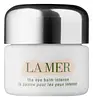
This anti-aging eye moisturizer is formulated around Laminaria Digitata Extract and Butyrospermum Parkii Butter to soften the look of wrinkles and hydrate skin.
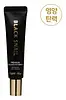
This anti-aging eye moisturizer is formulated around Niacinamide and Snail Secretion Filtrate to soften the look of wrinkles and hydrate skin.


What's inside
What's inside
 Key Ingredients
Benefits
Concerns
Ingredients Side-by-side
Water
Skin ConditioningLaminaria Digitata Extract
Skin Protecting



Butyrospermum Parkii Butter
Skin Conditioning


Butylene Glycol
Humectant
Polyethylene
Abrasive
Hydrogenated Polyisobutene
EmollientDimethicone
Emollient

Cetyl Esters
Emollient
Cetearyl Alcohol
Emollient
Malachite
Skin ConditioningPolybutene
Isostearyl Neopentanoate
Emollient
Silica
Abrasive

Trisiloxane
Skin Conditioning
Faex Extract
Skin ConditioningCaffeine
Skin Conditioning

Cholesterol
Emollient
Ascophyllum Nodosum Extract
Skin Conditioning
Asparagopsis Armata Extract
Skin Protecting
Gelidium Cartilagineum Extract
Skin ProtectingSaccharomyces Lysate Extract
Humectant
Sesamum Indicum Seed Oil
Emollient
Eucalyptus Globulus Leaf Oil
Perfuming



Sesamum Indicum Seed
Abrasive
Medicago Sativa Seed Powder
Skin ConditioningHelianthus Annuus Seedcake
Abrasive
Prunus Amygdalus Dulcis Seed Meal
Abrasive
Sodium Gluconate
Skin ConditioningPotassium Gluconate
Skin ProtectingCopper Gluconate
Skin Conditioning
Calcium Gluconate
HumectantMagnesium Gluconate
Skin ConditioningZinc Gluconate
Skin Conditioning

Tocopheryl Succinate
Antioxidant
Niacin
SmoothingSigesbeckia Orientalis Extract
Skin ConditioningWhey Protein
Skin ConditioningSucrose
Humectant
Elaeis Guineensis Oil
Emollient
Methyl Glucose Sesquistearate
Emollient
Cetearyl Glucoside
Emulsifying
Glycerin
Humectant
Aminomethyl Propanol
BufferingGlyceryl Distearate
Emollient
Tetraacetylphytosphingosine
Skin ConditioningLinoleic Acid
Cleansing
Sorbitol
Humectant
Acrylates/C10-30 Alkyl Acrylate Crosspolymer
Emulsion StabilisingSteareth-10
Emulsifying
Magnesium Ascorbyl Phosphate
Antioxidant



Vinyl Dimethicone/Methicone Silsesquioxane Crosspolymer
Sodium Hyaluronate
Humectant
Tocotrienols
Skin Conditioning
Hexylene Glycol
EmulsifyingPhytosphingosine
Skin Conditioning
Isododecane
EmollientTocopherol
Antioxidant
Squalene
Emollient
Propylene Glycol Dicaprylate
EmollientPhytosterols
Skin Conditioning
Trimethylsiloxysilicate
Emollient
Caprylyl Glycol
Emollient
Acetyl Hexapeptide-8
Humectant
Carbomer
Emulsion StabilisingParfum
Masking
Tourmaline
Disodium EDTA
Sodium Dehydroacetate
Preservative
Phenoxyethanol
Preservative
Linalool
Perfuming
Limonene
Perfuming
Benzyl Salicylate
Perfuming
CI 42090
Cosmetic ColorantCI 19140
Cosmetic ColorantCI 77891
Cosmetic ColorantCI 61570
Cosmetic ColorantWater, Laminaria Digitata Extract, Butyrospermum Parkii Butter, Butylene Glycol, Polyethylene, Hydrogenated Polyisobutene, Dimethicone, Cetyl Esters, Cetearyl Alcohol, Malachite, Polybutene, Isostearyl Neopentanoate, Silica, Trisiloxane, Faex Extract, Caffeine, Cholesterol, Ascophyllum Nodosum Extract, Asparagopsis Armata Extract, Gelidium Cartilagineum Extract, Saccharomyces Lysate Extract, Sesamum Indicum Seed Oil, Eucalyptus Globulus Leaf Oil, Sesamum Indicum Seed, Medicago Sativa Seed Powder, Helianthus Annuus Seedcake, Prunus Amygdalus Dulcis Seed Meal, Sodium Gluconate, Potassium Gluconate, Copper Gluconate, Calcium Gluconate, Magnesium Gluconate, Zinc Gluconate, Tocopheryl Succinate, Niacin, Sigesbeckia Orientalis Extract, Whey Protein, Sucrose, Elaeis Guineensis Oil, Methyl Glucose Sesquistearate, Cetearyl Glucoside, Glycerin, Aminomethyl Propanol, Glyceryl Distearate, Tetraacetylphytosphingosine, Linoleic Acid, Sorbitol, Acrylates/C10-30 Alkyl Acrylate Crosspolymer, Steareth-10, Magnesium Ascorbyl Phosphate, Vinyl Dimethicone/Methicone Silsesquioxane Crosspolymer, Sodium Hyaluronate, Tocotrienols, Hexylene Glycol, Phytosphingosine, Isododecane, Tocopherol, Squalene, Propylene Glycol Dicaprylate, Phytosterols, Trimethylsiloxysilicate, Caprylyl Glycol, Acetyl Hexapeptide-8, Carbomer, Parfum, Tourmaline, Disodium EDTA, Sodium Dehydroacetate, Phenoxyethanol, Linalool, Limonene, Benzyl Salicylate, CI 42090, CI 19140, CI 77891, CI 61570
Water
Skin ConditioningGlycereth-26
Humectant
Glycerin
Humectant
Dimethicone
Emollient
Dipropylene Glycol
HumectantNiacinamide
Smoothing
Snail Secretion Filtrate
Skin Conditioning
Sea Water
HumectantTrehalose
Humectant
Sodium Hyaluronate
Humectant
Pentaerythrityl Tetraisostearate
Emollient
Cyclopentasiloxane
Emollient
Squalane
Emollient
Dimethicone/Vinyl Dimethicone Crosspolymer
Skin Conditioning
Dimethiconol
Emollient
Polysorbate 60
Emulsifying
Butylene Glycol
Humectant
Hydroxyethyl Acrylate/Sodium Acryloyldimethyl Taurate Copolymer
Emulsion StabilisingAmmonium Acryloyldimethyltaurate/Vp Copolymer
1,2-Hexanediol
Skin Conditioning
Carbomer
Emulsion StabilisingArginine
Masking
Hydroxyacetophenone
Antioxidant
Adenosine
Skin Conditioning
Disodium EDTA
Ethylhexylglycerin
Skin ConditioningParfum
Masking
Water, Glycereth-26, Glycerin, Dimethicone, Dipropylene Glycol, Niacinamide, Snail Secretion Filtrate, Sea Water, Trehalose, Sodium Hyaluronate, Pentaerythrityl Tetraisostearate, Cyclopentasiloxane, Squalane, Dimethicone/Vinyl Dimethicone Crosspolymer, Dimethiconol, Polysorbate 60, Butylene Glycol, Hydroxyethyl Acrylate/Sodium Acryloyldimethyl Taurate Copolymer, Ammonium Acryloyldimethyltaurate/Vp Copolymer, 1,2-Hexanediol, Carbomer, Arginine, Hydroxyacetophenone, Adenosine, Disodium EDTA, Ethylhexylglycerin, Parfum
Ingredients Explained
These ingredients are found in both products.
Ingredients higher up in an ingredient list are typically present in a larger amount.
Butylene Glycol (or BG) is used within cosmetic products for a few different reasons:
Overall, Butylene Glycol is a safe and well-rounded ingredient that works well with other ingredients.
Though this ingredient works well with most skin types, some people with sensitive skin may experience a reaction such as allergic rashes, closed comedones, or itchiness.
Learn more about Butylene GlycolCarbomer is a synthetic thickening and gelling agent. It's basically the ingredient that gives a lot of serums, gels, creams, and sunscreens their smooth, non-sticky texture.
Although legally permitted at very high levels, carbomers are normally used at concentrations below 1%.
It also needs to be neutralized to actually thicken, and because it is a large molecule, it doesn't really penetrate the skin barrier.
Allergy-wise, the risk is very low. Clinical studies show carbomers have low potential for skin irritation/sensitization even at concentrations up to 100%.
A 2024 UK study patch-tested 1,302 patients and found true allergy to the parent group of carbomer to be rare with no confirmed relevant reactions.
Learn more about CarbomerDimethicone is a type of synthetic silicone created from natural materials such as quartz. It is also known as polydimethylsiloxane.
What it does:
Dimethicone comes in different viscosities:
Depending on the viscosity, dimethicone has different properties.
Ingredients lists don't always show which type is used, so we recommend reaching out to the brand if you have questions about the viscosity.
This ingredient is unlikely to cause irritation because it does not get absorbed into skin. However, people with silicone allergies should be careful about using this ingredient.
Note: Dimethicone may contribute to pilling. This is because it is not oil or water soluble, so pilling may occur when layered with products. When mixed with heavy oils in a formula, the outcome is also quite greasy.
Learn more about DimethiconeDisodium EDTA is a chelating agent. It grabs onto and deactivates metal ions that sneak into your products from water, packaging, or air.
This ingredient mainly works behind the scenes and helps with:
On top of that, this ingredient can counteract the effects of hard water by binding to the minerals in it.
One thing worth knowing is that Disodium EDTA has been shown to be a mild penetration enhancer. It can help other ingredients absorb into skin more effectively which can be a double-edged sword (great for actives, but can also make the active too strong if you have sensitive skin).
Clinical patch testing showed no significant skin irritation at typical use concentrations and minimal dermal absorption.
You'll most likely see this ingredient near the end of an ingredient list. It's typically found in concentrations less than 1%.
Learn more about Disodium EDTAGlycerin (or glycerol) is a compound naturally found in your skin. It's a powerhouse humectant that pulls water into the stratum corneum.
Topically, glycerin does several things at once:
Your skin makes glycerin on its own (mostly from sebaceous oil breakdown) and shuttles it to your outermost layer of skin, or your epidermis, via aquaporin-3.
Aquaporin-3 is a transporter that is essential for normal skin hydration, elasticity, and repair. Interestingly, mice lacking in AQP3 have dry and less elastic skin that can be fully corrected with glycerin.
This ingredient is non-irritating, plays well with almost every ingredient, and works across all skin types. Typical use is anywhere between 3-10% but can go up to 79% in some leave-on products.
Just know very high concentrations (>40%) can feel tacky in low humidity.
Glycerin is the name for this ingredient in American English. British English uses Glycerol/Glycerine.
Learn more about GlycerinParfum is a catch-all term for an ingredient or more that is used to give a scent to products.
Also called "fragrance", this ingredient can be a blend of hundreds of chemicals or plant oils. This means every product with "fragrance" or "parfum" in the ingredients list is a different mixture.
For instance, Habanolide is a proprietary trade name for a specific aroma chemical. When used as a fragrance ingredient in cosmetics, most aroma chemicals fall under the broad labeling category of “FRAGRANCE” or “PARFUM” according to EU and US regulations.
The term 'parfum' or 'fragrance' is not regulated in many countries. In many cases, it is up to the brand to define this term.
For instance, many brands choose to label themselves as "fragrance-free" because they are not using synthetic fragrances. However, their products may still contain ingredients such as essential oils that are considered a fragrance by INCI standards.
One example is Calendula flower extract. Calendula is an essential oil that still imparts a scent or 'fragrance'.
Depending on the blend, the ingredients in the mixture can cause allergies and sensitivities on the skin. Some ingredients that are known EU allergens include linalool and citronellol.
Parfum can also be used to mask or cover an unpleasant scent.
The bottom line is: not all fragrances/parfum/ingredients are created equally. If you are worried about fragrances, we recommend taking a closer look at an ingredient. And of course, we always recommend speaking with a professional.
Learn more about ParfumSodium Hyaluronate is the salt form of hyaluronic acid. It is a long sugar chain that is naturally found in your skin, joints, and connective tissue that maintains hydration and elasticity.
In skincare, it works as a humectant. It pulls water from the environment and deeper layers of skin and binds it to the surface.
Interestingly, the size of the molecule affects its behavior:
Some clinical evidence links low molecular weight versions to improved wrinkle depth, elasticity, anti-inflammatory effects, and barrier repair.
Many serums use a blend of both weights so you can get surface hydration plus longer-lasting and deeper effects.
You'll typically see concentrations between 0.1-2% for this ingredient.
Learn more about Sodium HyaluronateWater. It's the most common cosmetic ingredient of all. You'll usually see it at the top of ingredient lists, meaning that it makes up the largest part of the product.
So why is it so popular? Water most often acts as a solvent - this means that it helps dissolve other ingredients into the formulation.
You'll also recognize water as that liquid we all need to stay alive. If you see this, drink a glass of water. Remember to stay hydrated!
Learn more about Water

