
What's inside
What's inside
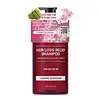 Key Ingredients
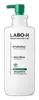
Benefits
Concerns
Ingredients Side-by-side
Water
Skin ConditioningSodium Coco-Sulfate
Cleansing

Coco-Glucoside
Cleansing
Decyl Glucoside
Cleansing
Coco-Betaine
Cleansing
Caffeine
Skin Conditioning

Glycerin
Humectant


Sodium Chloride
MaskingZiziphus Jujuba Fruit Extract
Skin ConditioningAngelica Gigas Extract
Skin ConditioningMorus Alba Bark Extract
Skin ConditioningGlycine Max Seed Extract
Skin ConditioningPortulaca Oleracea Extract
Skin Conditioning
Polygonum Multiflorum Root Extract
Skin ConditioningAsarum Sieboldii Root Extract
Skin ConditioningSophora Flavescens Root Extract
Antioxidant
Thuja Occidentalis Leaf Extract
Antioxidant
Lycium Chinense Fruit Extract
Antioxidant
Ginkgo Biloba Leaf Extract
Skin Conditioning
Carthamus Tinctorius Flower Extract
Skin ConditioningHydrolyzed Collagen
Emollient
Diospyros Kaki Fruit Extract
Skin ConditioningCamellia Japonica Leaf Extract
Skin ConditioningCeratonia Siliqua Fruit Extract
MaskingRheum Palmatum Root Extract
Astringent
Dioscorea Japonica Root Extract
Skin Conditioning
Ulmus Davidiana Root Extract
Skin Conditioning
Lithospermum Erythrorhizon Root Extract
Skin ConditioningCamellia Sinensis Leaf Extract
Antimicrobial


Glycyrrhiza Glabra Root Extract
Bleaching
Panax Ginseng Root Extract
Emollient
Cordyceps Sinensis Extract
Antioxidant
Paeonia Lactiflora Root Extract
Skin ConditioningMenthol
Masking




Panthenol
Skin Conditioning
Niacinamide
Smoothing


Allantoin
Skin Conditioning
Betaine
Humectant
Guar Hydroxypropyltrimonium Chloride
Skin ConditioningCaprylyl Glycol
Emollient
Citric Acid
Buffering
Sodium Gluconate
ChelatingDipotassium Glycyrrhizate
Humectant
Butylene Glycol
Humectant
Salicylic Acid
Masking

Propylene Glycol Laurate
Skin ConditioningHydroxyacetophenone
Antioxidant
Dipropylene Glycol
Humectant1,2-Hexanediol
Skin Conditioning
Parfum
Masking
Water, Sodium Coco-Sulfate, Coco-Glucoside, Decyl Glucoside, Coco-Betaine, Caffeine, Glycerin, Sodium Chloride, Ziziphus Jujuba Fruit Extract, Angelica Gigas Extract, Morus Alba Bark Extract, Glycine Max Seed Extract, Portulaca Oleracea Extract, Polygonum Multiflorum Root Extract, Asarum Sieboldii Root Extract, Sophora Flavescens Root Extract, Thuja Occidentalis Leaf Extract, Lycium Chinense Fruit Extract, Ginkgo Biloba Leaf Extract, Carthamus Tinctorius Flower Extract, Hydrolyzed Collagen, Diospyros Kaki Fruit Extract, Camellia Japonica Leaf Extract, Ceratonia Siliqua Fruit Extract, Rheum Palmatum Root Extract, Dioscorea Japonica Root Extract, Ulmus Davidiana Root Extract, Lithospermum Erythrorhizon Root Extract, Camellia Sinensis Leaf Extract, Glycyrrhiza Glabra Root Extract, Panax Ginseng Root Extract, Cordyceps Sinensis Extract, Paeonia Lactiflora Root Extract, Menthol, Panthenol, Niacinamide, Allantoin, Betaine, Guar Hydroxypropyltrimonium Chloride, Caprylyl Glycol, Citric Acid, Sodium Gluconate, Dipotassium Glycyrrhizate, Butylene Glycol, Salicylic Acid, Propylene Glycol Laurate, Hydroxyacetophenone, Dipropylene Glycol, 1,2-Hexanediol, Parfum
Water
Skin ConditioningSodium Cocoyl Isethionate
Cleansing
Disodium Laureth Sulfosuccinate
CleansingLauryl Betaine
CleansingGlyceryl Stearate
Emollient
Trihydroxystearin
Skin Conditioning
Polyquaternium-10
Caffeine
Skin Conditioning
Cetyl Alcohol
Emollient
Dicaprylyl Ether
Emollient
Sodium Benzoate
Masking
Sodium Salicylate
Preservative
Mentha Piperita Oil
Masking

Menthol
Masking
Citric Acid
Buffering
Caprylic/Capric Triglyceride
Masking
Caprylyl Glycol
Emollient
Illicium Verum Fruit/Seed Oil
Masking
Rosmarinus Officinalis Leaf Oil
Masking
Dextrin
AbsorbentJuniperus Virginiana Oil
Masking
Tetrasodium EDTA
ChelatingMentha Arvensis Leaf Oil
Masking
Eucalyptus Globulus Leaf Oil
Perfuming
Ocimum Basilicum Oil
Masking
Anthemis Nobilis Flower Oil
Masking
Viola Odorata Leaf Extract
MaskingLactobacillus Ferment Lysate
Skin Conditioning
Glycerin
Humectant
Camellia Sinensis Seed Extract
Humectant
Tocopherol
Antioxidant
Ceramide NP
Skin Conditioning
Hydrogenated Lecithin
Emulsifying
Phytosphingosine
Skin Conditioning
Biotin
AntiseborrhoeicWater, Sodium Cocoyl Isethionate, Disodium Laureth Sulfosuccinate, Lauryl Betaine, Glyceryl Stearate, Trihydroxystearin, Polyquaternium-10, Caffeine, Cetyl Alcohol, Dicaprylyl Ether, Sodium Benzoate, Sodium Salicylate, Mentha Piperita Oil, Menthol, Citric Acid, Caprylic/Capric Triglyceride, Caprylyl Glycol, Illicium Verum Fruit/Seed Oil, Rosmarinus Officinalis Leaf Oil, Dextrin, Juniperus Virginiana Oil, Tetrasodium EDTA, Mentha Arvensis Leaf Oil, Eucalyptus Globulus Leaf Oil, Ocimum Basilicum Oil, Anthemis Nobilis Flower Oil, Viola Odorata Leaf Extract, Lactobacillus Ferment Lysate, Glycerin, Camellia Sinensis Seed Extract, Tocopherol, Ceramide NP, Hydrogenated Lecithin, Phytosphingosine, Biotin
Ingredients Explained
These ingredients are found in both products.
Ingredients higher up in an ingredient list are typically present in a larger amount.
Caffeine is a naturally occurring plant compound found in coffee beans, tea leaves, cocoa pods, and guarana.
As an antioxidant, caffeine protects your skin from free radical damage caused by UV exposure and envionrmnetal stressors.
Early research also shows that caffeine can help calm redness, soothe irritated skin, and support hair growth by stimulating microcirculation in the scalp.
You might have seen eye creams marketing caffeine as a depuffing ingredient. This is because it is a vasoconstrictor meaning it can temporarily constrict blood vessels, though clinical evidence for this specific use is still limited.
Most skincare products contain this ingredient at concentrations between 1-6%. It is able to penetrate skin easily regardless of skin type or thickness.
Just so you know, a very small number of case reports describe caffeine-induced allergy. This ingredient is generally well-tolerated, non-irritating, and non-sensitizing for the majority of people.
Learn more about CaffeineCaprylyl Glycol is a humectant, skin conditioner, emollient, and preservative booster derived from either caprylic acid or synthetically created.
Typical use levels vary from 0.3-1% as a preservative booster and go up to 2% to condition skin.
Because it is not a free-fatty acid, this ingredient is fungal acne safe (there's nothing for Malassezia to feed on).
Learn more about Caprylyl GlycolCitric Acid is an alpha hydroxy acid (AHA) naturally found in citrus fruits like oranges, lemons, and limes.
Like other AHAs, citric acid can exfoliate skin by breaking down the bonds that hold dead skin cells together. This helps reveal smoother and brighter skin underneath.
However, this exfoliating effect only happens at high concentrations (20%) which can be hard to find in cosmetic products.
Due to this, citric acid is usually included in small amounts as a pH adjuster. This helps keep products slightly more acidic and compatible with skin's natural pH.
In skincare formulas, citric acid can:
While it can provide some skin benefits, research shows lactic acid and glycolic acid are generally more effective and less irritating exfoliants.
Most citric acid used in skincare today is made by fermenting sugars (usually from molasses). This synthetic version is identical to the natural citrus form but easier to stabilize and use in formulations.
Rosacea skin has a lower threshold for acids generally, with 62.5% of rosacea subjects in one study reacting to lactic acid in a sting test. This is why we mark citric acid as a potential rosacea trigger.
However, this ingredient shows up as a pH adjuster or chelator at roughly 0.1-1% in many products. These low levels are unlikely to be an issue for rosacea skin and becomes a potential trigger at exfoliating concentrations (20%). Because everybody's skin is unique, we recommend a patch test if you are unsure.
Learn more about Citric AcidGlycerin (or glycerol) is a compound naturally found in your skin. It's a powerhouse humectant that pulls water into the stratum corneum.
Topically, glycerin does several things at once:
Your skin makes glycerin on its own (mostly from sebaceous oil breakdown) and shuttles it to your outermost layer of skin, or your epidermis, via aquaporin-3.
Aquaporin-3 is a transporter that is essential for normal skin hydration, elasticity, and repair. Interestingly, mice lacking in AQP3 have dry and less elastic skin that can be fully corrected with glycerin.
This ingredient is non-irritating, plays well with almost every ingredient, and works across all skin types. Typical use is anywhere between 3-10% but can go up to 79% in some leave-on products.
Just know very high concentrations (>40%) can feel tacky in low humidity.
Glycerin is the name for this ingredient in American English. British English uses Glycerol/Glycerine.
Learn more about GlycerinMenthol is a compound found in mint plants, such as peppermint. In its pure form, it is a clear crystalline substance.
Menthol is known for its cooling sensation; however, the cooling is actually from your skin being sensitized. Menthol can worsen rosacea. We recommend speaking with a professional if you have concerns.
Menthol also has antimicrobial properties.
Learn more about MentholWater. It's the most common cosmetic ingredient of all. You'll usually see it at the top of ingredient lists, meaning that it makes up the largest part of the product.
So why is it so popular? Water most often acts as a solvent - this means that it helps dissolve other ingredients into the formulation.
You'll also recognize water as that liquid we all need to stay alive. If you see this, drink a glass of water. Remember to stay hydrated!
Learn more about Water

