KORRES Greek Yoghurt Re-Balancing Skin-Supplement Serum Versus KORRES Apothecary Wild Rose Brightening Absolute-Oil
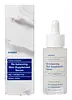
This hydrating serum is formulated around Alpha-Glucan Oligosaccharide and Bisabolol to hydrate skin and strengthen the skin barrier.
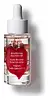
This brightening serum is formulated around Ascorbyl Tetraisopalmitate and Squalane to fade the look of dark spots.

What's inside
What's inside
 Key Ingredients
Benefits
Concerns
Ingredients Side-by-side
Water
Skin ConditioningGlycerin
Humectant


Pentylene Glycol
Skin Conditioning
Propanediol
Solvent
Algin
MaskingAlpha-Glucan Oligosaccharide
Cleansing
Ammonium Acryloyldimethyltaurate/Vp Copolymer
Ascorbic Acid
Antioxidant





Bisabolol
Antioxidant

Caprylyl Glycol
Emollient
Chlorella Vulgaris Extract
Skin ConditioningDisodium Phosphate
BufferingEthylhexylglycerin
Skin ConditioningGlyceryl Acrylate/Acrylic Acid Copolymer
HumectantGlyceryl Polyacrylate
Helianthus Annuus Seed Oil
Emollient


Hydrolyzed Sodium Hyaluronate
Skin Conditioning
Hydroxyethylcellulose
Emulsion StabilisingLactic Acid
Buffering




Lactobacillus
Skin ConditioningLactobacillus/Arundinaria Gigantea Ferment Filtrate
Skin ConditioningLaminaria Digitata Extract
Skin Protecting
Leuconostoc/Radish Root Ferment Filtrate
Antimicrobial
Lonicera Caprifolium Flower Extract
Perfuming
Lonicera Japonica Flower Extract
Skin ConditioningMaltodextrin
Absorbent
Maris Aqua
HumectantMenthyl Lactate
Masking
Phenethyl Alcohol
MaskingPolyglyceryl-3 Diisostearate
Emulsifying
Polymnia Sonchifolia Root Juice
Skin ConditioningPotassium Phosphate
BufferingPullulan
Saccharide Isomerate
Humectant
Salvia Hispanica Seed Oil
Emollient
Serine
Masking
Sodium Carboxymethyl Beta-Glucan
CleansingSodium Hyaluronate
Humectant
Sodium Polyacrylate
Absorbent
Tetrasodium Glutamate Diacetate
Tocopherol
Antioxidant
Trehalose
Humectant
Urea
Buffering
Yogurt
Skin ProtectingYogurt Powder
Zingiber Officinale Root Extract
Masking
Benzyl Alcohol
Perfuming



Phenoxyethanol
Preservative
Parfum
Masking
Water, Glycerin, Pentylene Glycol, Propanediol, Algin, Alpha-Glucan Oligosaccharide, Ammonium Acryloyldimethyltaurate/Vp Copolymer, Ascorbic Acid, Bisabolol, Caprylyl Glycol, Chlorella Vulgaris Extract, Disodium Phosphate, Ethylhexylglycerin, Glyceryl Acrylate/Acrylic Acid Copolymer, Glyceryl Polyacrylate, Helianthus Annuus Seed Oil, Hydrolyzed Sodium Hyaluronate, Hydroxyethylcellulose, Lactic Acid, Lactobacillus, Lactobacillus/Arundinaria Gigantea Ferment Filtrate, Laminaria Digitata Extract, Leuconostoc/Radish Root Ferment Filtrate, Lonicera Caprifolium Flower Extract, Lonicera Japonica Flower Extract, Maltodextrin, Maris Aqua, Menthyl Lactate, Phenethyl Alcohol, Polyglyceryl-3 Diisostearate, Polymnia Sonchifolia Root Juice, Potassium Phosphate, Pullulan, Saccharide Isomerate, Salvia Hispanica Seed Oil, Serine, Sodium Carboxymethyl Beta-Glucan, Sodium Hyaluronate, Sodium Polyacrylate, Tetrasodium Glutamate Diacetate, Tocopherol, Trehalose, Urea, Yogurt, Yogurt Powder, Zingiber Officinale Root Extract, Benzyl Alcohol, Phenoxyethanol, Parfum
Isoamyl Laurate
Emollient
Caprylic/Capric Triglyceride
Masking
Prunus Armeniaca Kernel Oil
Masking
Ascorbyl Tetraisopalmitate
Antioxidant
Squalane
Emollient
Helianthus Annuus Seed Oil
Emollient
Dimethyl Isosorbide
SolventRosa Canina Fruit Oil
Emollient
Rosa Gallica Flower Powder
Skin ConditioningAlcohol Denat.
Antimicrobial
Water
Skin ConditioningBisabolol
Antioxidant
Citronellol
Perfuming
Geraniol
Perfuming
Glyceryl Caprylate
EmollientPhysalis Angulata Extract
Skin ProtectingRosa Damascena Flower Oil
Masking
Rosmarinus Officinalis Extract
AntimicrobialTocopherol
Antioxidant
Tocopheryl Acetate
Antioxidant
Zingiber Officinale Root Extract
Masking
Isoamyl Laurate, Caprylic/Capric Triglyceride, Prunus Armeniaca Kernel Oil, Ascorbyl Tetraisopalmitate, Squalane, Helianthus Annuus Seed Oil, Dimethyl Isosorbide, Rosa Canina Fruit Oil, Rosa Gallica Flower Powder, Alcohol Denat., Water, Bisabolol, Citronellol, Geraniol, Glyceryl Caprylate, Physalis Angulata Extract, Rosa Damascena Flower Oil, Rosmarinus Officinalis Extract, Tocopherol, Tocopheryl Acetate, Zingiber Officinale Root Extract
Ingredients Explained
These ingredients are found in both products.
Ingredients higher up in an ingredient list are typically present in a larger amount.
Bisabolol is a gentle skin conditioner, antioxidant, and soothing ingredient.
It's primary claim to fame is soothing and research shows topically applied bisabolol can quiet the chemical messengers that cause your skin to become inflamed, helping to sooth any irritation.
A clinical study found that applying 0.5% bisabolol daily for 8 weeks produced an average 9% decrease in skin pigmentation. Researchers found it can also suppress the process that leads to excess melanin production in skin.
In vitro studies found that bisabolol combined with propylene glycol significantly increased skin permeability by increasing lipid fluidity in the stratum corneum.
You'll likely see use concentrations quite low, usually 0.1-0.2%.
Overall, this is a well-tolerated ingredient that works well in formulas designed for sensitive, reactive, or post-procedure skin.
Learn more about BisabololHelianthus Annuus Seed Oil is a plant oil derived from the seeds of a sunflower.
It is rich in fatty acids, primarily linoleic acid and oleic acid. This gives it emollient and skin conditioning properties.
The reason this ingredient is so effective is because it forms a thin film on the skin that reduces transepidermal water loss (TEWL) while supplying linoleic acid to the stratum corneum to improve barrier strength.
The high linoleic acid content is particularly noteworthy for acne-prone skin.
Research suggests that acne-prone skin tends to be deficient in linoleic acid in sebum. Topical application may help replenish this to support a healthier follicular environment and less comedone-promoting sebum.
One randomized study found sunflower seed oil preserved skin barrier integrity in adult volunteers with and without atopic dermatitis (outperforming olive oil).
This ingredient is well-studied, gentle, and an effective emollient suitable for most skin types.
On fungal acne: This ingredient may not be Fungal acne (Malassezia folliculitis) safe. This is because it contains fatty acids with carbon chain lengths in the C11-C24 range.
Learn more about Helianthus Annuus Seed OilTocopherol is a fat-soluble antioxidant known as Vitamin E.
You'll find this ingredient in the vast majority of skincare (for good reason). It works to neutralize free radicals, or unstable molecules generated by UV exposure, pollution, and other environmental stressors, before they can cause oxidative damage to your skin cells.
Topically applied tocopherol has been shown to protect against UV damage by ramping up the skin's own natural defense enzymes.
It also acts as a skin conditioning agent; some studies show that regular topical use can improve the skin's water-binding capacity over 2-4 weeks.
This ingredient is especially loved for being a team player. When combined with Vitamin C, the photoprotective effect of both ingredients roughly doubles and the combo also helps reduce UV-induced DNA damage.
This ingredient has some brightening potential but it's more of a prevention ingredient than spot-fader. Cell studies show it can slow down melanin production but it's worth noting that it's not the most powerful brightener out there.
In formulations, it also serves as a stabilizer that helps protect other oxidation-prone ingredients from degrading.
Concentrations usually range from 0.1-1% in most leave-on products.
Learn more about TocopherolWater. It's the most common cosmetic ingredient of all. You'll usually see it at the top of ingredient lists, meaning that it makes up the largest part of the product.
So why is it so popular? Water most often acts as a solvent - this means that it helps dissolve other ingredients into the formulation.
You'll also recognize water as that liquid we all need to stay alive. If you see this, drink a glass of water. Remember to stay hydrated!
Learn more about WaterZingiber Officinale is more commonly known as ginger.
Ginger root has antioxidant, anti-inflammation, and antimicrobial properties.
The antioxidant properties help protect your body from free-radicals. Free-radicals are molecules that may damage your skin cells. As a result, ginger may help slow down signs of aging such as hyperpigmentation and wrinkles.
Studies show ginger inhibits the enzyme that breaks down collagen. It also helps with:
This ingredient has no negative side-effects and is safe to use unless one has a specific allergy to it.
Ginger originates from Southeast Asia but has spread throughout the world. It is now a common spice used in many cultures.
Learn more about Zingiber Officinale Root Extract

