KORRES Apothecary Wild Rose Night-Brightening Sleeping Facial Versus Glow Recipe Watermelon Glow AHA Night Treatment
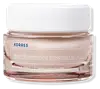
This brightening overnight mask is formulated around Rosa Canina Fruit Oil and Ascorbyl Tetraisopalmitate to brighten dull-looking skin and fade the look of dark spots.
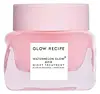
This smoothing overnight mask is formulated around Niacinamide and Glycolic Acid to refine skin texture and brighten dull-looking skin.


What's inside
What's inside
 Key Ingredients
Benefits
Concerns
Ingredients Side-by-side
Water
Skin ConditioningGlycerin
Humectant


Glyceryl Stearate Citrate
Emollient

Dicaprylyl Carbonate
EmollientTriheptanoin
Skin ConditioningAlcohol Denat.
Antimicrobial



Behenyl Alcohol
Emollient
Glyceryl Stearate
Emollient
Aloe Barbadensis Leaf Juice
Skin Conditioning

Isodecyl Neopentanoate
EmollientSimmondsia Chinensis Seed Oil
Emollient
Cera Alba
Emollient

Lecithin
Emollient
Imperata Cylindrica Root Extract
Skin ConditioningAcacia Decurrens/Jojoba/Sunflower Seed Wax Polyglyceryl-3 Esters
EmollientRosa Canina Fruit Oil
Emollient
Acrylates/C10-30 Alkyl Acrylate Crosspolymer
Emulsion StabilisingAscorbyl Tetraisopalmitate
Antioxidant


Caprylyl Glycol
Emollient
Carbomer
Emulsion StabilisingCetearyl Alcohol
Emollient
Citric Acid
Buffering

Distarch Phosphate
AbsorbentGalactoarabinan
Glycine Soja Oil
Emollient
Glycine Soja Sterols
Emollient
Helianthus Annuus Seed Oil
Emollient
Hydrolyzed Sodium Hyaluronate
Skin Conditioning
Hydroxyethyl Acrylate/Sodium Acryloyldimethyl Taurate Copolymer
Emulsion StabilisingLactic Acid
Buffering



Parfum
Masking

Phenoxyethanol
Preservative
Rosa Canina Fruit Extract
Astringent
Rosmarinus Officinalis Leaf Extract
AntimicrobialRosmarinus Officinalis Extract
AntimicrobialSodium Benzoate
Masking
Sodium Gluceptate
Sodium Hydroxide
BufferingTetrahydrodiferuloylmethane
Antioxidant
Tocopherol
Antioxidant
Tocopheryl Acetate
Antioxidant
Xanthan Gum
EmulsifyingWater, Glycerin, Glyceryl Stearate Citrate, Dicaprylyl Carbonate, Triheptanoin, Alcohol Denat., Behenyl Alcohol, Glyceryl Stearate, Aloe Barbadensis Leaf Juice, Isodecyl Neopentanoate, Simmondsia Chinensis Seed Oil, Cera Alba, Lecithin, Imperata Cylindrica Root Extract, Acacia Decurrens/Jojoba/Sunflower Seed Wax Polyglyceryl-3 Esters, Rosa Canina Fruit Oil, Acrylates/C10-30 Alkyl Acrylate Crosspolymer, Ascorbyl Tetraisopalmitate, Caprylyl Glycol, Carbomer, Cetearyl Alcohol, Citric Acid, Distarch Phosphate, Galactoarabinan, Glycine Soja Oil, Glycine Soja Sterols, Helianthus Annuus Seed Oil, Hydrolyzed Sodium Hyaluronate, Hydroxyethyl Acrylate/Sodium Acryloyldimethyl Taurate Copolymer, Lactic Acid, Parfum, Phenoxyethanol, Rosa Canina Fruit Extract, Rosmarinus Officinalis Leaf Extract, Rosmarinus Officinalis Extract, Sodium Benzoate, Sodium Gluceptate, Sodium Hydroxide, Tetrahydrodiferuloylmethane, Tocopherol, Tocopheryl Acetate, Xanthan Gum
Water
Skin ConditioningPropanediol
Solvent
C9-12 Alkane
SolventGlycerin
Humectant
Niacinamide
Smoothing

Citrullus Lanatus Fruit Extract
Skin Conditioning
Maris Aqua
HumectantGlycolic Acid
Buffering
Lactic Acid
Buffering
Sodium Hyaluronate
Humectant
Chenopodium Quinoa Seed Extract
Skin Conditioning
Lactobacillus/Watermelon Fruit Ferment Extract
Skin ConditioningLens Esculenta Fruit Extract
Skin ConditioningPyrus Malus Fruit Extract
Skin Conditioning
Leuconostoc Ferment Filtrate
AntimicrobialMelia Azadirachta Leaf Extract
Skin ConditioningMoringa Oleifera Seed Oil
Emollient
Leuconostoc/Radish Root Ferment Filtrate
Antimicrobial
Eclipta Prostrata Extract
Skin Conditioning
Sodium PCA
Humectant
Saccharide Isomerate
Humectant
Hydroxyacetophenone
Antioxidant
Polysorbate 60
Emulsifying
Hydroxyethylcellulose
Emulsion StabilisingAmmonium Acryloyldimethyltaurate/Vp Copolymer
Caprylyl Glycol
Emollient
1,2-Hexanediol
Skin Conditioning
Cetearyl Alcohol
Emollient
Sodium Magnesium Silicate
Sodium Lactate
Buffering
Xanthan Gum
EmulsifyingSodium Citrate
BufferingDisodium Phosphate
BufferingSodium Phosphate
BufferingCoco-Caprylate/Caprate
Emollient
Potassium Sorbate
Preservative
Sodium Benzoate
Masking
Citric Acid
Buffering
Sodium Hydroxide
BufferingParfum
Masking
Water, Propanediol, C9-12 Alkane, Glycerin, Niacinamide, Citrullus Lanatus Fruit Extract, Maris Aqua, Glycolic Acid, Lactic Acid, Sodium Hyaluronate, Chenopodium Quinoa Seed Extract, Lactobacillus/Watermelon Fruit Ferment Extract, Lens Esculenta Fruit Extract, Pyrus Malus Fruit Extract, Leuconostoc Ferment Filtrate, Melia Azadirachta Leaf Extract, Moringa Oleifera Seed Oil, Leuconostoc/Radish Root Ferment Filtrate, Eclipta Prostrata Extract, Sodium PCA, Saccharide Isomerate, Hydroxyacetophenone, Polysorbate 60, Hydroxyethylcellulose, Ammonium Acryloyldimethyltaurate/Vp Copolymer, Caprylyl Glycol, 1,2-Hexanediol, Cetearyl Alcohol, Sodium Magnesium Silicate, Sodium Lactate, Xanthan Gum, Sodium Citrate, Disodium Phosphate, Sodium Phosphate, Coco-Caprylate/Caprate, Potassium Sorbate, Sodium Benzoate, Citric Acid, Sodium Hydroxide, Parfum
Reviews
Ingredients Explained
These ingredients are found in both products.
Ingredients higher up in an ingredient list are typically present in a larger amount.
Caprylyl Glycol is a humectant, skin conditioner, emollient, and preservative booster derived from either caprylic acid or synthetically created.
Typical use levels vary from 0.3-1% as a preservative booster and go up to 2% to condition skin.
Because it is not a free-fatty acid, this ingredient is fungal acne safe (there's nothing for Malassezia to feed on).
Learn more about Caprylyl GlycolCetearyl alcohol is a waxy mixture of two fatty alcohols: cetyl alcohol and stearyl alcohol. It is an emollient and emulsifier.
Despite having "alcohol" in its name, it has nothing to do with drying solvent alcohols; the FDA also allows "alcohol-free" products to contain fatty alcohols like this ingredient.
It plays several roles in a formula:
Typical use levels for this ingredient sit around 1-10% and the Cosmetic Ingredient Review Expert Panel has affirmed safety at concentrations up to 25% in leave-on products.
Multiple assessments have found it to be non-irritating and non-sensitizing to most people.
However, there have been some cases of allergic contact dermatitis in patients with chronically compromised skin barriers.
Cetearyl alcohol has a comedogenic rating of 2 and irritancy rating of 1. Both of these numbers come from the 1989 study that used rabbit ears; a "2" means mildly comedogenic and a "1" means low irritancy.
Here's the catch: rabbit skin is more sensitive than human skin and throws a lot of false positives. A 1996 reappraisal found that ingredients rated 1-2 in the rabbit ear tests are generally safe for humans.
Remember comedogenic ratings are unable to assess the entire formula of a product or how it will react on your skin. Just be sure to patch test if you are unsure about certain ingredients.
This ingredient is not fungal acne safe. Cetearyl alcohol is a fatty alcohol with chain lengths that fall within the range that Malassezia can metabolize.
A 2019 study has also observed Malassezia growth in the presence of this ingredient, confirming it to be not-fungal acne safe.
Learn more about Cetearyl AlcoholCitric Acid is an alpha hydroxy acid (AHA) naturally found in citrus fruits like oranges, lemons, and limes.
Like other AHAs, citric acid can exfoliate skin by breaking down the bonds that hold dead skin cells together. This helps reveal smoother and brighter skin underneath.
However, this exfoliating effect only happens at high concentrations (20%) which can be hard to find in cosmetic products.
Due to this, citric acid is usually included in small amounts as a pH adjuster. This helps keep products slightly more acidic and compatible with skin's natural pH.
In skincare formulas, citric acid can:
While it can provide some skin benefits, research shows lactic acid and glycolic acid are generally more effective and less irritating exfoliants.
Most citric acid used in skincare today is made by fermenting sugars (usually from molasses). This synthetic version is identical to the natural citrus form but easier to stabilize and use in formulations.
Rosacea skin has a lower threshold for acids generally, with 62.5% of rosacea subjects in one study reacting to lactic acid in a sting test. This is why we mark citric acid as a potential rosacea trigger.
However, this ingredient shows up as a pH adjuster or chelator at roughly 0.1-1% in many products. These low levels are unlikely to be an issue for rosacea skin and becomes a potential trigger at exfoliating concentrations (20%). Because everybody's skin is unique, we recommend a patch test if you are unsure.
Learn more about Citric AcidGlycerin (or glycerol) is a compound naturally found in your skin. It's a powerhouse humectant that pulls water into the stratum corneum.
Topically, glycerin does several things at once:
Your skin makes glycerin on its own (mostly from sebaceous oil breakdown) and shuttles it to your outermost layer of skin, or your epidermis, via aquaporin-3.
Aquaporin-3 is a transporter that is essential for normal skin hydration, elasticity, and repair. Interestingly, mice lacking in AQP3 have dry and less elastic skin that can be fully corrected with glycerin.
This ingredient is non-irritating, plays well with almost every ingredient, and works across all skin types. Typical use is anywhere between 3-10% but can go up to 79% in some leave-on products.
Just know very high concentrations (>40%) can feel tacky in low humidity.
Glycerin is the name for this ingredient in American English. British English uses Glycerol/Glycerine.
Learn more about GlycerinLactic Acid is another well-loved alpha hydroxy acid (AHA). It is gentler than glycolic acid but still highly effective.
Its main role is to exfoliate the surface of the skin by loosening the “glue” that holds dead skin cells together. Shedding those old cells leads to smoother, softer, and more even-toned skin.
Because lactic acid molecules are larger than glycolic acid, they don’t penetrate as deeply. This means they’re less likely to sting or irritate, making it a great choice for beginners or those with sensitive skin.
Like glycolic acid, it can:
Lactic acid also acts as a humectant (like hyaluronic acid). It can draw water into the skin to improve hydration and also plays a role in the skin's natural moisturizing factor (NMF) in the form of sodium lactate.
Studies show it can boost ceramide production to strengthen the skin barrier and even help balance the skin’s microbiome.
To get results, choose products with a pH between 3-4.
Lower strengths (5-12%) focus on surface exfoliation; higher strengths (12% and up) can reach deeper in the dermis (deeper, supportive layer) to improve skin texture and firmness over time.
Though it was originally derived from milk, most modern lactic acid used in skincare is vegan. It is made through non-dairy fermentation to create a bio-identical and stable form suitable for all formulations.
When lactic acid shows up near the end of an ingredient list, it usually means the brand added just a tiny amount to adjust the product’s pH.
Legend has it that Cleopatra used to bathe in sour milk to help reduce wrinkles.
Lactic acid is truly a gentle multitasker: it exfoliates, hydrates, strengthens, and brightens. It's a great ingredient for giving your skin a smooth, glowing, and healthy look without the harshness of stronger acids.
Read more about some other popular AHA's here:
Learn more about Lactic AcidParfum is a catch-all term for an ingredient or more that is used to give a scent to products.
Also called "fragrance", this ingredient can be a blend of hundreds of chemicals or plant oils. This means every product with "fragrance" or "parfum" in the ingredients list is a different mixture.
For instance, Habanolide is a proprietary trade name for a specific aroma chemical. When used as a fragrance ingredient in cosmetics, most aroma chemicals fall under the broad labeling category of “FRAGRANCE” or “PARFUM” according to EU and US regulations.
The term 'parfum' or 'fragrance' is not regulated in many countries. In many cases, it is up to the brand to define this term.
For instance, many brands choose to label themselves as "fragrance-free" because they are not using synthetic fragrances. However, their products may still contain ingredients such as essential oils that are considered a fragrance by INCI standards.
One example is Calendula flower extract. Calendula is an essential oil that still imparts a scent or 'fragrance'.
Depending on the blend, the ingredients in the mixture can cause allergies and sensitivities on the skin. Some ingredients that are known EU allergens include linalool and citronellol.
Parfum can also be used to mask or cover an unpleasant scent.
The bottom line is: not all fragrances/parfum/ingredients are created equally. If you are worried about fragrances, we recommend taking a closer look at an ingredient. And of course, we always recommend speaking with a professional.
Learn more about ParfumSodium Benzoate is a preservative. It's used in both cosmetic and food products to inhibit the growth of mold and bacteria. It is typically produced synthetically.
Both the US FDA and EU Health Committee have approved the use of sodium benzoate. In the US, levels of 0.1% (of the total product) are allowed.
Sodium benzoate works as a preservative by inhibiting the growth of bacteria inside of cells. It prevents the cell from fermenting a type of sugar using an enzyme called phosphofructokinase.
It is the salt of benzoic acid. Foods containing sodium benzoate include soda, salad dressings, condiments, fruit juices, wines, and snack foods.
Studies for using ascorbic acid and sodium benzoate in cosmetics are lacking, especially in skincare routines with multiple steps.
We always recommend speaking with a professional, such as a dermatologist, if you have any concerns.
Learn more about Sodium BenzoateSodium Hydroxide is also known as lye or caustic soda. It is used to adjust the pH of products; many ingredients require a specific pH to be effective.
In small amounts, sodium hydroxide is considered safe to use. However, large amounts may cause chemical burns due to its high alkaline.
Your skin has a natural pH and acid mantle. This acid mantle helps prevent harmful bacteria from breaking through. The acid mantle also helps keep your skin hydrated.
"Alkaline" refers to a high pH level. A low pH level would be considered acidic.
Learn more about Sodium HydroxideWater. It's the most common cosmetic ingredient of all. You'll usually see it at the top of ingredient lists, meaning that it makes up the largest part of the product.
So why is it so popular? Water most often acts as a solvent - this means that it helps dissolve other ingredients into the formulation.
You'll also recognize water as that liquid we all need to stay alive. If you see this, drink a glass of water. Remember to stay hydrated!
Learn more about WaterXanthan gum is used as a stabilizer and thickener within cosmetic products. It helps give products a sticky, thick feeling - preventing them from being too runny.
On the technical side of things, xanthan gum is a polysaccharide - a combination consisting of multiple sugar molecules bonded together.
Xanthan gum is a pretty common and great ingredient. It is a natural, non-toxic, non-irritating ingredient that is also commonly used in food products.
Learn more about Xanthan Gum

