

What's inside
What's inside
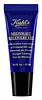 Key Ingredients
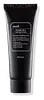
Benefits
Concerns
Ingredients Side-by-side
Water
Skin ConditioningHelianthus Annuus Seed Oil
Emollient


Simmondsia Chinensis Seed Oil
Emollient

Prunus Armeniaca Kernel Oil
Masking
Squalane
Emollient
Alcohol Denat.
Antimicrobial




Cetearyl Alcohol
Emollient



Glyceryl Stearate
Emollient
Stearyl Alcohol
Emollient
Cetearyl Glucoside
Emulsifying
Oenothera Biennis Oil
Emollient

Butyrospermum Parkii Butter
Skin Conditioning
Phenoxyethanol
Preservative
Lithium Magnesium Sodium Silicate
AbsorbentChlorphenesin
Antimicrobial
Xanthan Gum
EmulsifyingRuscus Aculeatus Root Extract
Astringent
Aloe Barbadensis Leaf Juice Powder
Skin Conditioning
Tocopherol
Antioxidant



Lavandula Angustifolia Oil
Masking


Adenosine
Skin Conditioning
Linalool
Perfuming
Rosmarinus Officinalis Leaf Oil
Masking
Pelargonium Graveolens Flower Oil
Masking
Glycine Soja Oil
Emollient
Citronellol
Perfuming
Geraniol
Perfuming
Lavandula Hybrida Oil
Emollient
Cucumis Sativus Fruit Extract
Emollient
Limonene
Perfuming
Citral
Perfuming
Curcuma Longa Root Extract
Masking
Sclareolide
Masking
Rose Flower Oil
Masking
Jasminum Officinale Extract
Masking
Jasminum Sambac Flower Extract
Masking
Citric Acid
Buffering
Water, Helianthus Annuus Seed Oil, Simmondsia Chinensis Seed Oil, Prunus Armeniaca Kernel Oil, Squalane, Alcohol Denat., Cetearyl Alcohol, Glyceryl Stearate, Stearyl Alcohol, Cetearyl Glucoside, Oenothera Biennis Oil, Butyrospermum Parkii Butter, Phenoxyethanol, Lithium Magnesium Sodium Silicate, Chlorphenesin, Xanthan Gum, Ruscus Aculeatus Root Extract, Aloe Barbadensis Leaf Juice Powder, Tocopherol, Lavandula Angustifolia Oil, Adenosine, Linalool, Rosmarinus Officinalis Leaf Oil, Pelargonium Graveolens Flower Oil, Glycine Soja Oil, Citronellol, Geraniol, Lavandula Hybrida Oil, Cucumis Sativus Fruit Extract, Limonene, Citral, Curcuma Longa Root Extract, Sclareolide, Rose Flower Oil, Jasminum Officinale Extract, Jasminum Sambac Flower Extract, Citric Acid
Water
Skin ConditioningCetyl Ethylhexanoate
EmollientButylene Glycol
Humectant
Glycerin
Humectant
Sodium Hyaluronate
Humectant
Caprylic/Capric Triglyceride
Masking
Centella Asiatica Extract
Cleansing
Sorbitan Stearate
Emulsifying
Cetyl Alcohol
Emollient
Butyrospermum Parkii Butter
Skin Conditioning
Argania Spinosa Kernel Oil
Emollient
Simmondsia Chinensis Seed Oil
Emollient
Sorbitan Sesquioleate
Emulsifying
Glyceryl Stearate
Emollient
Stearic Acid
Cleansing
Portulaca Oleracea Extract
Skin Conditioning
Anthemis Nobilis Flower Extract
Masking
Ceramide NP
Skin Conditioning
Polysorbate 60
Emulsifying
Candelilla Cera
Emollient
Chlorphenesin
Antimicrobial
Tocopheryl Acetate
Antioxidant
Xanthan Gum
EmulsifyingAcrylates/C10-30 Alkyl Acrylate Crosspolymer
Emulsion StabilisingMorus Alba Root Extract
BleachingTromethamine
BufferingBrassica Oleracea Italica Extract
AstringentGuaiazulene
Antimicrobial
Acetyl Hexapeptide-8
Humectant
Lecithin
Emollient
Acetyl Glutamine
Skin ConditioningSh-Oligopeptide-1
Skin Conditioning
Sh-Oligopeptide-2
Skin Conditioning
Sh-Polypeptide-1
Skin Conditioning
Sh-Polypeptide-9
Skin Conditioning
Sh-Polypeptide-11
Bacillus/Folic Acid/Soybean Ferment Extract
Skin ConditioningCaprylyl Glycol
Emollient
1,2-Hexanediol
Skin Conditioning
Water, Cetyl Ethylhexanoate, Butylene Glycol, Glycerin, Sodium Hyaluronate, Caprylic/Capric Triglyceride, Centella Asiatica Extract, Sorbitan Stearate, Cetyl Alcohol, Butyrospermum Parkii Butter, Argania Spinosa Kernel Oil, Simmondsia Chinensis Seed Oil, Sorbitan Sesquioleate, Glyceryl Stearate, Stearic Acid, Portulaca Oleracea Extract, Anthemis Nobilis Flower Extract, Ceramide NP, Polysorbate 60, Candelilla Cera, Chlorphenesin, Tocopheryl Acetate, Xanthan Gum, Acrylates/C10-30 Alkyl Acrylate Crosspolymer, Morus Alba Root Extract, Tromethamine, Brassica Oleracea Italica Extract, Guaiazulene, Acetyl Hexapeptide-8, Lecithin, Acetyl Glutamine, Sh-Oligopeptide-1, Sh-Oligopeptide-2, Sh-Polypeptide-1, Sh-Polypeptide-9, Sh-Polypeptide-11, Bacillus/Folic Acid/Soybean Ferment Extract, Caprylyl Glycol, 1,2-Hexanediol
Reviews
Ingredients Explained
These ingredients are found in both products.
Ingredients higher up in an ingredient list are typically present in a larger amount.
This ingredient is also known as shea butter. It is a plant-derived extract from the nuts of the Africa shea tree and one of the most well-studied emollients.
Because it has a high concentration of fatty acids (primarily oleic, stearic, and linoleic) it is able to form a protective barrier on the skin's surface. This helps seal in moisture and prevents transepidermal water loss (TEWL).
In vitro research found an increase in skin hydration by 58% and a decrease in TEWL by 37.8% after 24 hours of applying this ingredient (pretty impressive for a single ingredient!).
Besides hydration, shea butter also contains triterpenes that have anti-inflammatory potential. In particule, lupeol cinnamate has shown the highest anti-inflammatory activity in vivo.
Shea butter also contains vitamins A and E which may contribute to antioxidant activity.
While Shea Butter has an SPF rating of about 3-4, it is not a sunscreen replacement.
This ingredient may not be fungal acne safe because its fatty acids fall within the C11-C24 range that the Malassezia yeast can metabolize.
Learn more about Butyrospermum Parkii ButterChlorphenesin is a synthetic preservative. It helps protect a product against bacteria in order to extend shelf life. In most cases, Chlorphenesin is paired with other preservatives such as phenoxyethanol and caprylyl glycol.
Chlorphenesin is a biocide. This means it is able to help fight the microorganisms on our skin. It is also able to fight odor-releasing bacteria.
Chlorphenesin is soluble in both water and glycerin.
Studies show Chlorphenesin is easily absorbed by our skin. You should speak with a skincare professional if you have concerns about using Chlorphenesin.
Learn more about ChlorphenesinGlyceryl Stearate is made by reacting glycerin with stearic acid (typically sourced from plant oils like palm or coconut). It's an emulsifier, emollient, and mild occlusive.
Emulsifiers help ingredients like oil and water stay mixed so your formula stays nicely blended and uniform in texture.
This ingredient is typically used in concentrations between 1-10%. Studies have found it to be non-sensitizing, non-phototoxic, and non-photoallergenic.
A close cousin of this ingredient is Glyceryl Stearate SE ("self-emulsifying"). This just has a small amount of sodium or potassium stearate added so it can emulsify without a co-emulsifier.
Since this ingredient is an ester of a C18 fatty acid, it may not be fungal acne safe. The Malassezia yeast can potentially metabolize within the C11-C24 range.
Fun fact: The human body also creates Glyceryl Stearate naturally.
Learn more about Glyceryl StearateJojoba oil is one of the most well-studied plant-derived ingredients in cosmetics. It is an emollient with a special structure.
Because it is made up of 97-98% wax esters, it closely mirrors the linear monoesters found in human sebum. This makes it skin compatible, non-greasy, and lightweight.
Unlike other plant oils, jojoba wax doesn't easily penetrate skin. It mostly works in the uppermost layers as an emollient. This just means it forms a light barrier on the skin to help retain moisture.
Formulations with jojoba esters up to 90% reduced transepidermal water loss (TEWL) and increased barrier recovery by 81% (outperforming bisabolol at 47%).
Besides barrier support, the science also suggests jojoba to have anti-inflammatory effects and potential applications for skin infections, aging, and wound healing.
Fun fact: Indigenous cultures have used jojoba as a moisturizer and to help treat burns for centuries.
Fungal acne: The Malassezia yeast is known to metabolize fatty acids in the C11-24 range and jojoba's dominant fatty acid components fall into this range. This ingredient may not be fungal acne safe.
Learn more about Simmondsia Chinensis Seed OilWater. It's the most common cosmetic ingredient of all. You'll usually see it at the top of ingredient lists, meaning that it makes up the largest part of the product.
So why is it so popular? Water most often acts as a solvent - this means that it helps dissolve other ingredients into the formulation.
You'll also recognize water as that liquid we all need to stay alive. If you see this, drink a glass of water. Remember to stay hydrated!
Learn more about WaterXanthan gum is used as a stabilizer and thickener within cosmetic products. It helps give products a sticky, thick feeling - preventing them from being too runny.
On the technical side of things, xanthan gum is a polysaccharide - a combination consisting of multiple sugar molecules bonded together.
Xanthan gum is a pretty common and great ingredient. It is a natural, non-toxic, non-irritating ingredient that is also commonly used in food products.
Learn more about Xanthan Gum
