

What's inside
What's inside
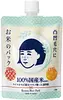 Key Ingredients
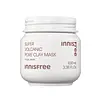
Benefits
Concerns
Ingredients Side-by-side
Water
Skin ConditioningButylene Glycol
Humectant
Oryza Sativa Bran Oil
Emollient



Glycerin
Humectant


Ethylhexyl Palmitate
Emollient

Polysorbate 60
Emulsifying
Glyceryl Stearate
Emollient
Cetearyl Alcohol
Emollient
Cyclopentasiloxane
Emollient
Rice Ferment Lees
HumectantOryza Sativa Bran Extract
Skin Conditioning
Rice Bran Acid
CleansingGlycosphingolipids
EmollientHouttuynia Cordata Extract
Skin Conditioning
Butyrospermum Parkii Butter
Skin Conditioning
Behenyl Alcohol
Emollient
Petrolatum
Emollient
Hydrogenated Lecithin
Emulsifying
Lysolecithin
EmulsifyingCarbomer
Emulsion StabilisingTocopherol
Antioxidant


Sodium Polyacrylate Starch
AbsorbentPotassium Hydroxide
BufferingSodium Hydroxide
BufferingEtidronic Acid
Methylparaben
Preservative



Propylparaben
Preservative
Water, Butylene Glycol, Oryza Sativa Bran Oil, Glycerin, Ethylhexyl Palmitate, Polysorbate 60, Glyceryl Stearate, Cetearyl Alcohol, Cyclopentasiloxane, Rice Ferment Lees, Oryza Sativa Bran Extract, Rice Bran Acid, Glycosphingolipids, Houttuynia Cordata Extract, Butyrospermum Parkii Butter, Behenyl Alcohol, Petrolatum, Hydrogenated Lecithin, Lysolecithin, Carbomer, Tocopherol, Sodium Polyacrylate Starch, Potassium Hydroxide, Sodium Hydroxide, Etidronic Acid, Methylparaben, Propylparaben
Water
Skin ConditioningButylene Glycol
Humectant
CI 77891
Cosmetic ColorantSilica
Abrasive

Glycerin
Humectant
Trehalose
Humectant
Volcanic Ash
Abrasive
Caprylic/Capric Triglyceride
Masking
Polyvinyl Alcohol
Bentonite
Absorbent
Kaolin
Abrasive

Glyceryl Stearate
Emollient
Cetearyl Alcohol
Emollient
Pvp
Emulsion Stabilising1,2-Hexanediol
Skin Conditioning
PEG-100 Stearate
Polysorbate 60
Emulsifying
Palmitic Acid
Emollient
Stearic Acid
Cleansing
CI 77499
Cosmetic ColorantHydrogenated Vegetable Oil
Emollient
Xanthan Gum
EmulsifyingJuglans Regia Shell Powder
Abrasive
Sorbitan Stearate
Emulsifying
Zea Mays Starch
AbsorbentPolyacrylate-13
Polysorbate 20
Emulsifying
CI 77492
Cosmetic ColorantMannitol
Humectant
Microcrystalline Cellulose
AbsorbentSodium Metaphosphate
BufferingLactic Acid
Buffering


Lactic Acid/Glycolic Acid Copolymer
Skin ConditioningPolyisobutene
CI 77491
Cosmetic ColorantMenthoxypropanediol
Masking
Tetrasodium Pyrophosphate
BufferingEthylhexylglycerin
Skin ConditioningSorbitan Isostearate
Emulsifying
Polyquaternium-10
Lecithin
Emollient
Tocopherol
Antioxidant
Water, Butylene Glycol, CI 77891, Silica, Glycerin, Trehalose, Volcanic Ash, Caprylic/Capric Triglyceride, Polyvinyl Alcohol, Bentonite, Kaolin, Glyceryl Stearate, Cetearyl Alcohol, Pvp, 1,2-Hexanediol, PEG-100 Stearate, Polysorbate 60, Palmitic Acid, Stearic Acid, CI 77499, Hydrogenated Vegetable Oil, Xanthan Gum, Juglans Regia Shell Powder, Sorbitan Stearate, Zea Mays Starch, Polyacrylate-13, Polysorbate 20, CI 77492, Mannitol, Microcrystalline Cellulose, Sodium Metaphosphate, Lactic Acid, Lactic Acid/Glycolic Acid Copolymer, Polyisobutene, CI 77491, Menthoxypropanediol, Tetrasodium Pyrophosphate, Ethylhexylglycerin, Sorbitan Isostearate, Polyquaternium-10, Lecithin, Tocopherol
Reviews
Ingredients Explained
These ingredients are found in both products.
Ingredients higher up in an ingredient list are typically present in a larger amount.
Butylene Glycol (or BG) is used within cosmetic products for a few different reasons:
Overall, Butylene Glycol is a safe and well-rounded ingredient that works well with other ingredients.
Though this ingredient works well with most skin types, some people with sensitive skin may experience a reaction such as allergic rashes, closed comedones, or itchiness.
Learn more about Butylene GlycolCetearyl alcohol is a mixture of two fatty alcohols: cetyl alcohol and stearyl alcohol. It is mainly used as an emulsifier. Emulsifiers help prevent the separation of oils and products. Due to its composition, it can also be used to thicken a product or help create foam.
Cetearyl alcohol is an emollient. Emollients help soothe and hydrate the skin by trapping moisture.
Studies show Cetearyl alcohol is non-toxic and non-irritating. The FDA allows products labeled "alcohol-free" to have fatty alcohols.
This ingredient is usually derived from plant oils such as palm, vegetable, or coconut oils. There is debate on whether this ingredient will cause acne.
Due to the fatty acid base, this ingredient may not be Malassezia folliculitis safe.
Learn more about Cetearyl AlcoholGlycerin is already naturally found in your skin. It helps moisturize and protect your skin.
A study from 2016 found glycerin to be more effective as a humectant than AHAs and hyaluronic acid.
As a humectant, it helps the skin stay hydrated by pulling moisture to your skin. The low molecular weight of glycerin allows it to pull moisture into the deeper layers of your skin.
Hydrated skin improves your skin barrier; Your skin barrier helps protect against irritants and bacteria.
Glycerin has also been found to have antimicrobial and antiviral properties. Due to these properties, glycerin is often used in wound and burn treatments.
In cosmetics, glycerin is usually derived from plants such as soybean or palm. However, it can also be sourced from animals, such as tallow or animal fat.
This ingredient is organic, colorless, odorless, and non-toxic.
Glycerin is the name for this ingredient in American English. British English uses Glycerol/Glycerine.
Learn more about GlycerinGlyceryl Stearate is a mix of glycerin and stearic acid.
It is used to stabilize the mixing of water and oil ingredients. By preventing these ingredients from separating, it can help elongate shelf life. It can also help thicken the product's texture.
As an emollient, it helps soften skin and supports barrier-replenishing ingredients.
In cosmetics, Glyceryl Stearate is often made from vegetable oils or synthetically produced.
This ingredient may not be fungal-acne safe
Fun fact: The human body also creates Glyceryl Stearate naturally.
Learn more about Glyceryl StearatePolysorbate 60 is used to help stabilize products. It is a surfactant and emulsifier. These properties help keep ingredients together in a product. Surfactants help reduce surface tension between ingredients with different states, such as liquids and solids. Emulsifiers help prevent oils and waters from separating.
Polysorbate 60 is sorbitol-based and created from the ethoxylation of sorbitan. Ethoxylation is a chemical reaction used to add ethylene oxide. Sorbitan is a the dehydrated version of sorbitol, a sugar found in fruits.
In this case, the 60 comes from reacting 60 units of ethylene oxide with sorbitan.
Polysorbates are commonly used in medicine and foods.
Learn more about Polysorbate 60Tocopherol (also known as Vitamin E) is a common antioxidant used to help protect the skin from free-radicals and strengthen the skin barrier. It's also fat soluble - this means our skin is great at absorbing it.
Vitamin E also helps keep your natural skin lipids healthy. Your lipid skin barrier naturally consists of lipids, ceramides, and fatty acids. Vitamin E offers extra protection for your skin’s lipid barrier, keeping your skin healthy and nourished.
Another benefit is a bit of UV protection. Vitamin E helps reduce the damage caused by UVB rays. (It should not replace your sunscreen). Combining it with Vitamin C can decrease sunburned cells and hyperpigmentation after UV exposure.
You might have noticed Vitamin E + C often paired together. This is because it is great at stabilizing Vitamin C. Using the two together helps increase the effectiveness of both ingredients.
There are often claims that Vitamin E can reduce/prevent scarring, but these claims haven't been confirmed by scientific research.
Learn more about TocopherolWater. It's the most common cosmetic ingredient of all. You'll usually see it at the top of ingredient lists, meaning that it makes up the largest part of the product.
So why is it so popular? Water most often acts as a solvent - this means that it helps dissolve other ingredients into the formulation.
You'll also recognize water as that liquid we all need to stay alive. If you see this, drink a glass of water. Stay hydrated!
Learn more about Water
