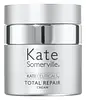
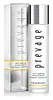
Kate Somerville KateCeuticals Total Repair Cream Versus Elizabeth Arden PREVAGE® Anti-Aging Antioxidant Infusion Essence
This barrier-repair moisturizer is formulated around Ceramide Ng and Cholesterol to strengthen the skin barrier and soften the look of wrinkles.
This anti-aging essence is formulated around Saccharomyces Ferment Filtrate and Hydroxydecyl Ubiquinone to soften the look of wrinkles and brighten dull-looking skin.

What's inside
What's inside
 Key Ingredients
Benefits
Concerns
Ingredients Side-by-side
Water
Skin ConditioningCetearyl Alcohol
Emollient






Dimethicone
Emollient

Stearic Acid
Cleansing
Ceteareth-20
Cleansing
Glycerin
Humectant
Isocetyl Stearoyl Stearate
Emollient
Isopropyl Myristate
Emollient
C12-15 Alkyl Benzoate
AntimicrobialCannabis Sativa Seed Oil
Emollient
Caprylic/Capric Triglyceride
Masking
Orbignya Oleifera Seed Oil
Emollient
Ceramide Ng
Skin Conditioning


Cholesterol
Emollient
Adenosine
Skin Conditioning
Squalane
Emollient
Macadamia Ternifolia Seed Oil
Emollient
Copper PCA
HumectantSerica
HumectantSodium Hyaluronate
Humectant

Palmitoyl Hexapeptide-12
Skin Conditioning
Allantoin
Skin Conditioning
Simmondsia Chinensis Seed Oil
Emollient
Citrus Paradisi Peel Oil
Masking


Ascorbyl Palmitate
Antioxidant


Triacetin
AntimicrobialPEG-10 Phytosterol
EmulsifyingSodium PCA
Humectant
Tribehenin
Emollient
Urea
Buffering

Polyquaternium-51
Skin Conditioning
Butylene Glycol
Humectant
Trehalose
Humectant
Potassium Sorbate
Preservative
Sodium Benzoate
Masking
Disodium EDTA
ChelatingTocopheryl Acetate
Antioxidant
Parfum
Masking
Hexylene Glycol
EmulsifyingLactic Acid
Buffering



Aminomethyl Propanol
BufferingXanthan Gum
EmulsifyingBHT
Antioxidant
Caprylyl Glycol
Emollient
Chlorphenesin
Antimicrobial
Geraniol
Perfuming
Hexyl Cinnamal
Perfuming
Limonene
Perfuming
Water, Cetearyl Alcohol, Dimethicone, Stearic Acid, Ceteareth-20, Glycerin, Isocetyl Stearoyl Stearate, Isopropyl Myristate, C12-15 Alkyl Benzoate, Cannabis Sativa Seed Oil, Caprylic/Capric Triglyceride, Orbignya Oleifera Seed Oil, Ceramide Ng, Cholesterol, Adenosine, Squalane, Macadamia Ternifolia Seed Oil, Copper PCA, Serica, Sodium Hyaluronate, Palmitoyl Hexapeptide-12, Allantoin, Simmondsia Chinensis Seed Oil, Citrus Paradisi Peel Oil, Ascorbyl Palmitate, Triacetin, PEG-10 Phytosterol, Sodium PCA, Tribehenin, Urea, Polyquaternium-51, Butylene Glycol, Trehalose, Potassium Sorbate, Sodium Benzoate, Disodium EDTA, Tocopheryl Acetate, Parfum, Hexylene Glycol, Lactic Acid, Aminomethyl Propanol, Xanthan Gum, BHT, Caprylyl Glycol, Chlorphenesin, Geraniol, Hexyl Cinnamal, Limonene
Water
Skin ConditioningSaccharomyces Ferment Filtrate
Humectant
Butylene Glycol
Humectant
Glycerin
Humectant
PEG-8 Dimethicone
Emulsifying
Alcohol
Antimicrobial
Alcohol Denat.
Antimicrobial
C12-15 Alkyl Benzoate
AntimicrobialCamellia Sinensis Leaf Extract
Antimicrobial
Caprylyl Glycol
Emollient
Carnosine
Skin Conditioning
Ceratonia Siliqua Seed Extract
Skin ConditioningCetyl Palmitate
Emollient
Cholesterol
Emollient
Citric Acid
Buffering
Dipropylene Glycol
HumectantErgothioneine
Antioxidant
Ferulic Acid
Antimicrobial
Hexylene Glycol
EmulsifyingHydrogenated Phosphatidylcholine
Emulsifying
Hydroxydecyl Ubiquinone
Antioxidant
Magnesium Ascorbyl Phosphate
Antioxidant
Parfum
Masking
PEG-100 Stearate
Surfactant
Pentylene Glycol
Skin Conditioning
Polysorbate 20
Emulsifying
Resveratrol
Antioxidant
Sodium Hyaluronate
Humectant
Sodium Laureth Sulfate
Cleansing
Sodium PCA
Humectant
Xanthan Gum
EmulsifyingChlorphenesin
Antimicrobial
Phenoxyethanol
Preservative
Sodium Benzoate
Masking
Water, Saccharomyces Ferment Filtrate, Butylene Glycol, Glycerin, PEG-8 Dimethicone, Alcohol, Alcohol Denat., C12-15 Alkyl Benzoate, Camellia Sinensis Leaf Extract, Caprylyl Glycol, Carnosine, Ceratonia Siliqua Seed Extract, Cetyl Palmitate, Cholesterol, Citric Acid, Dipropylene Glycol, Ergothioneine, Ferulic Acid, Hexylene Glycol, Hydrogenated Phosphatidylcholine, Hydroxydecyl Ubiquinone, Magnesium Ascorbyl Phosphate, Parfum, PEG-100 Stearate, Pentylene Glycol, Polysorbate 20, Resveratrol, Sodium Hyaluronate, Sodium Laureth Sulfate, Sodium PCA, Xanthan Gum, Chlorphenesin, Phenoxyethanol, Sodium Benzoate
Ingredients Explained
These ingredients are found in both products.
Ingredients higher up in an ingredient list are typically present in a larger amount.
Butylene Glycol (or BG) is used within cosmetic products for a few different reasons:
Overall, Butylene Glycol is a safe and well-rounded ingredient that works well with other ingredients.
Though this ingredient works well with most skin types, some people with sensitive skin may experience a reaction such as allergic rashes, closed comedones, or itchiness.
Learn more about Butylene GlycolC12-15 Alkyl Benzoate is a lightweight emollient made by combinig benzoic acid with fatty alcohols that are 12-15 carbons long.
In cosmetics, it plays several roles:
The Cosmetic Review Expert Panel has concluded the alkyl benzoate group to be safe as used in cosmetics; it wasn't found to be a skin irritant and unlikely to be absorbed due to its low water solubility.
This report recorded almost 1000 reported uses with concentrations up to 59% in leave-on products but your cosmetics will typically use 0.5-15% depending on the product.
It's often called a "SPF booster": this is because it keeps UV filters properly dissolved and evenly distributed to support a sunscreen's performance. It doesn't actually raise SPF on its own.
Overall, this ingredient is well tolerated.
This ingredient is fungal acne safe because it is an ester of benzoic acid.
Think of this ingredient as two parts stuck together: an oily part and an acid part. Malassezia only gets a meal when it can snip off a fatty acid to eat. With C12-15 Alkyl Benzoate, the acid part is benzoic acid, which isn't a fatty acid and which the yeast can't use as food.
Benzoic acid is actually used as a preservative to stop yeast from growing.
The oily part is a blend of C12-15 fatty alcohols but fatty alcohols in this size range can support only a little Malassezia growth (mostly for one species of Malassezia as well).
In the ingredient, those alcohols stay locked inside the molecule. The yeast can only reach them by snipping the benzoate bond, and that type of bond is harder for it to cut than a normal fatty bond.
So not much gets released. And whatever does get snipped comes packaged with benzoic acid, which discourages yeast growth.
Learn more about C12-15 Alkyl BenzoateCaprylyl Glycol is a humectant, skin conditioner, emollient, and preservative booster derived from either caprylic acid or synthetically created.
Typical use levels vary from 0.3-1% as a preservative booster and go up to 2% to condition skin.
Because it is not a free-fatty acid, this ingredient is fungal acne safe (there's nothing for Malassezia to feed on).
Learn more about Caprylyl GlycolChlorphenesin is a synthetic preservative. It helps protect a product against bacteria in order to extend shelf life. In most cases, Chlorphenesin is paired with other preservatives such as phenoxyethanol and caprylyl glycol.
Chlorphenesin is a biocide. This means it is able to help fight the microorganisms on our skin. It is also able to fight odor-releasing bacteria.
Chlorphenesin is soluble in both water and glycerin.
Studies show Chlorphenesin is easily absorbed by our skin. You should speak with a skincare professional if you have concerns about using Chlorphenesin.
Learn more about ChlorphenesinCholesterol is a lipid that is naturally found in human skin and is one of the three key components of your skin barrier. In skincare, it is an emollient and barrier-repairing ingredient.
It works by fitting directly into the lipid layers of skin to help restore structure and reduce transepidermal water loss (TEWL).
This is a great ingredient for dry, compromised, or aging skin; our skin starts to produce less cholesterol with age.
Research shows cholesterol works best in combination with ceramides and fatty acids, the other two major components in your skin barrier.
Cholesterol is also a well-establish penetration enhancer and can help other actives absorb more effectively.
Cosmetic-grade cholesterol is usually derived from lanolin but plant and synthetic options also exist. We recommend reaching out to the brand if you have questions about their source of cholesterol.
Learn more about CholesterolGlycerin (or glycerol) is a compound naturally found in your skin. It's a powerhouse humectant that pulls water into the stratum corneum.
Topically, glycerin does several things at once:
Your skin makes glycerin on its own (mostly from sebaceous oil breakdown) and shuttles it to your outermost layer of skin, or your epidermis, via aquaporin-3.
Aquaporin-3 is a transporter that is essential for normal skin hydration, elasticity, and repair. Interestingly, mice lacking in AQP3 have dry and less elastic skin that can be fully corrected with glycerin.
This ingredient is non-irritating, plays well with almost every ingredient, and works across all skin types. Typical use is anywhere between 3-10% but can go up to 79% in some leave-on products.
Just know very high concentrations (>40%) can feel tacky in low humidity.
Glycerin is the name for this ingredient in American English. British English uses Glycerol/Glycerine.
Learn more about GlycerinHexylene Glycol is a multitasker ingredient that works as a solvent, humectant, emulsifier, viscosity reducer, and preservative booster.
It is able to dissolve both water and oil-soluble ingredients to stabilize tricky actives and make products spread more easily.
As a humectant, it pulls water into the skin. But it's a pretty minor moisturizing ingredient compared to other humectants, like glycerin.
Interestingly, it can act as a mild penetration enhancer. One in vitro study on human skin found a 12% concentration upped the absorption of mometasone furoate (a medicinal ingredient used to treat inflammatory skin conditions) up to 7%.
This ingredient is typically used at levels of 0.1-10% depending on the role it's playing.
A patch test study on eczema patients didn't find a significant increase in irritation versus the control group, but the potential for irritation rises at higher concentrations.
Learn more about Hexylene GlycolParfum is a catch-all term for an ingredient or more that is used to give a scent to products.
Also called "fragrance", this ingredient can be a blend of hundreds of chemicals or plant oils. This means every product with "fragrance" or "parfum" in the ingredients list is a different mixture.
For instance, Habanolide is a proprietary trade name for a specific aroma chemical. When used as a fragrance ingredient in cosmetics, most aroma chemicals fall under the broad labeling category of “FRAGRANCE” or “PARFUM” according to EU and US regulations.
The term 'parfum' or 'fragrance' is not regulated in many countries. In many cases, it is up to the brand to define this term.
For instance, many brands choose to label themselves as "fragrance-free" because they are not using synthetic fragrances. However, their products may still contain ingredients such as essential oils that are considered a fragrance by INCI standards.
One example is Calendula flower extract. Calendula is an essential oil that still imparts a scent or 'fragrance'.
Depending on the blend, the ingredients in the mixture can cause allergies and sensitivities on the skin. Some ingredients that are known EU allergens include linalool and citronellol.
Parfum can also be used to mask or cover an unpleasant scent.
The bottom line is: not all fragrances/parfum/ingredients are created equally. If you are worried about fragrances, we recommend taking a closer look at an ingredient. And of course, we always recommend speaking with a professional.
Learn more about ParfumSodium Benzoate is a preservative. It's used in both cosmetic and food products to inhibit the growth of mold and bacteria. It is typically produced synthetically.
Both the US FDA and EU Health Committee have approved the use of sodium benzoate. In the US, levels of 0.1% (of the total product) are allowed.
Sodium benzoate works as a preservative by inhibiting the growth of bacteria inside of cells. It prevents the cell from fermenting a type of sugar using an enzyme called phosphofructokinase.
It is the salt of benzoic acid. Foods containing sodium benzoate include soda, salad dressings, condiments, fruit juices, wines, and snack foods.
Studies for using ascorbic acid and sodium benzoate in cosmetics are lacking, especially in skincare routines with multiple steps.
We always recommend speaking with a professional, such as a dermatologist, if you have any concerns.
Learn more about Sodium BenzoateSodium Hyaluronate is the salt form of hyaluronic acid. It is a long sugar chain that is naturally found in your skin, joints, and connective tissue that maintains hydration and elasticity.
In skincare, it works as a humectant. It pulls water from the environment and deeper layers of skin and binds it to the surface.
Interestingly, the size of the molecule affects its behavior:
Some clinical evidence links low molecular weight versions to improved wrinkle depth, elasticity, anti-inflammatory effects, and barrier repair.
Many serums use a blend of both weights so you can get surface hydration plus longer-lasting and deeper effects.
You'll typically see concentrations between 0.1-2% for this ingredient.
Learn more about Sodium HyaluronateSodium PCA (the salt of PCA) is one of the most well-established humectants in skincare.
Why is it so special? Your skin already makes it naturally; it's a natural component of your skin's Natural Moisturizing Factor (NMF), or the mix of water-binding compounds inside your skin cells that keeps things soft and hydrated.
As a cosmetic ingredient, it grabs water and holds it in the upper layers of skin to smooth roughness and ease dehydration.
There's some clinical support for the NMF approach with a study showing that a cream built to mimic the skin's NMF significantly boosted hydration.
Safety-wise, this ingredient non-irritating, non-comedogenic, and non-phototoxic in testing, with minimal skin absorption.
It also works really well with other hydrators like glycerin or hyaluronic acid, and typical usage is somewhere between 0.2-4%.
Learn more about Sodium PCAWater. It's the most common cosmetic ingredient of all. You'll usually see it at the top of ingredient lists, meaning that it makes up the largest part of the product.
So why is it so popular? Water most often acts as a solvent - this means that it helps dissolve other ingredients into the formulation.
You'll also recognize water as that liquid we all need to stay alive. If you see this, drink a glass of water. Remember to stay hydrated!
Learn more about WaterXanthan gum is used as a stabilizer and thickener within cosmetic products. It helps give products a sticky, thick feeling - preventing them from being too runny.
On the technical side of things, xanthan gum is a polysaccharide - a combination consisting of multiple sugar molecules bonded together.
Xanthan gum is a pretty common and great ingredient. It is a natural, non-toxic, non-irritating ingredient that is also commonly used in food products.
Learn more about Xanthan Gum

