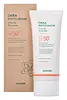
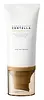
Jayjun Cosmetic Okra Phyto Mucin Tone-Up Sunscreen SPF 50+ Versus SKIN1004 Madagascar Centella Air-Fit Suncream Light SPF 30 PA++++
This hybrid sunscreen covers the full UV range and blocks ~98% of UVB at SPF 50.
This mineral sunscreen covers the full UV range and blocks ~97% of UVB at SPF 30.

What's inside
What's inside
 Key Ingredients
Benefits
Concerns
Ingredients Side-by-side
Water
Skin ConditioningDibutyl Adipate
EmollientPropanediol
Solvent

Titanium Dioxide
Cosmetic Colorant

Diethylamino Hydroxybenzoyl Hexyl Benzoate
UV Filter
Ethylhexyl Triazone
UV Absorber
Dicaprylyl Carbonate
EmollientNiacinamide
Smoothing










Methyl Trimethicone
Skin Conditioning
Caprylic/Capric Triglyceride
Masking
Glycerin
Humectant
Dimethicone/Vinyl Dimethicone Crosspolymer
Skin Conditioning
Coco-Caprylate/Caprate
Emollient
Diethylhexyl Butamido Triazone
UV Absorber
1,2-Hexanediol
Skin Conditioning
Pentylene Glycol
Skin Conditioning
Polyhydroxystearic Acid
Emulsifying

Cetyl Alcohol
Emollient
Sodium Polyacryloyldimethyl Taurate
Emulsion StabilisingAmmonium Polyacryloyldimethyl Taurate
Emulsion StabilisingDimethiconol
Emollient
Trisiloxane
Skin Conditioning
Alumina
Abrasive
Stearic Acid
Cleansing
Panthenol
Skin Conditioning
Hydroxypropyl Methylcellulose Stearoxy Ether
Butylene Glycol
Humectant
Silica
Abrasive
Sodium Acrylate/Vinyl Alcohol Copolymer
Emulsion StabilisingTriethoxycaprylylsilane
Ethylhexylglycerin
Skin ConditioningPolyacrylate Crosspolymer-6
Emulsion StabilisingSodium Polyacrylate
Absorbent
Sodium Acrylic Acid/Ma Copolymer
Xanthan Gum
EmulsifyingIron Oxides
Hibiscus Esculentus Fruit Extract
Skin ConditioningCaprylyl Glycol
Emollient
Polyether-1
T-Butyl Alcohol
Perfuming




Tocopherol
Antioxidant

Centella Asiatica Extract
Cleansing
Artemisia Vulgaris Extract
Skin Conditioning
Houttuynia Cordata Extract
Skin Conditioning
Natto Gum
Corchorus Olitorius Leaf Extract
Skin ConditioningAngelica Keiskei Extract
Antioxidant
Nelumbo Nucifera Root Extract
Skin ConditioningDioscorea Japonica Root Extract
Skin Conditioning
Water, Dibutyl Adipate, Propanediol, Titanium Dioxide, Diethylamino Hydroxybenzoyl Hexyl Benzoate, Ethylhexyl Triazone, Dicaprylyl Carbonate, Niacinamide, Methyl Trimethicone, Caprylic/Capric Triglyceride, Glycerin, Dimethicone/Vinyl Dimethicone Crosspolymer, Coco-Caprylate/Caprate, Diethylhexyl Butamido Triazone, 1,2-Hexanediol, Pentylene Glycol, Polyhydroxystearic Acid, Cetyl Alcohol, Sodium Polyacryloyldimethyl Taurate, Ammonium Polyacryloyldimethyl Taurate, Dimethiconol, Trisiloxane, Alumina, Stearic Acid, Panthenol, Hydroxypropyl Methylcellulose Stearoxy Ether, Butylene Glycol, Silica, Sodium Acrylate/Vinyl Alcohol Copolymer, Triethoxycaprylylsilane, Ethylhexylglycerin, Polyacrylate Crosspolymer-6, Sodium Polyacrylate, Sodium Acrylic Acid/Ma Copolymer, Xanthan Gum, Iron Oxides, Hibiscus Esculentus Fruit Extract, Caprylyl Glycol, Polyether-1, T-Butyl Alcohol, Tocopherol, Centella Asiatica Extract, Artemisia Vulgaris Extract, Houttuynia Cordata Extract, Natto Gum, Corchorus Olitorius Leaf Extract, Angelica Keiskei Extract, Nelumbo Nucifera Root Extract, Dioscorea Japonica Root Extract
Water
Skin ConditioningZinc Oxide
Cosmetic Colorant
Propanediol
Solvent
Dicaprylyl Carbonate
EmollientButylene Glycol
Humectant
Caprylic/Capric Triglyceride
Masking
Benzotriazolyl Dodecyl P-Cresol
UV AbsorberCentella Asiatica Extract
Cleansing
Polyglyceryl-3 Distearate
Emulsifying
Niacinamide
Smoothing
Caprylyl Methicone
Skin Conditioning
C12-15 Alkyl Benzoate
Antimicrobial1,2-Hexanediol
Skin Conditioning
Pentylene Glycol
Skin Conditioning
Cetearyl Alcohol
Emollient
Portulaca Oleracea Extract
Skin Conditioning
Houttuynia Cordata Extract
Skin Conditioning
Polyhydroxystearic Acid
Emulsifying
Glyceryl Stearate
Emollient
Hydrolyzed Jojoba Esters
Skin Conditioning
Sodium Polyacryloyldimethyl Taurate
Emulsion StabilisingTriethoxycaprylylsilane
Glyceryl Stearate Citrate
Emollient
Polyacrylate Crosspolymer-6
Emulsion StabilisingMethylpropanediol
SolventEthylhexylglycerin
Skin ConditioningXanthan Gum
EmulsifyingAdenosine
Skin Conditioning
Polyether-1
T-Butyl Alcohol
Perfuming
Biosaccharide Gum-1
Humectant
Madecassic Acid
Skin Conditioning
Asiaticoside
Antioxidant
Asiatic Acid
Skin Conditioning
Water, Zinc Oxide, Propanediol, Dicaprylyl Carbonate, Butylene Glycol, Caprylic/Capric Triglyceride, Benzotriazolyl Dodecyl P-Cresol, Centella Asiatica Extract, Polyglyceryl-3 Distearate, Niacinamide, Caprylyl Methicone, C12-15 Alkyl Benzoate, 1,2-Hexanediol, Pentylene Glycol, Cetearyl Alcohol, Portulaca Oleracea Extract, Houttuynia Cordata Extract, Polyhydroxystearic Acid, Glyceryl Stearate, Hydrolyzed Jojoba Esters, Sodium Polyacryloyldimethyl Taurate, Triethoxycaprylylsilane, Glyceryl Stearate Citrate, Polyacrylate Crosspolymer-6, Methylpropanediol, Ethylhexylglycerin, Xanthan Gum, Adenosine, Polyether-1, T-Butyl Alcohol, Biosaccharide Gum-1, Madecassic Acid, Asiaticoside, Asiatic Acid
Reviews
Ingredients Explained
These ingredients are found in both products.
Ingredients higher up in an ingredient list are typically present in a larger amount.
1,2-Hexanediol is a synthetic liquid and another multi-functional powerhouse.
It is a:
- Humectant, drawing moisture into the skin
- Emollient, helping to soften skin
- Solvent, dispersing and stabilizing formulas
- Preservative booster, enhancing the antimicrobial activity of other preservatives
Butylene Glycol (or BG) is used within cosmetic products for a few different reasons:
Overall, Butylene Glycol is a safe and well-rounded ingredient that works well with other ingredients.
Though this ingredient works well with most skin types, some people with sensitive skin may experience a reaction such as allergic rashes, closed comedones, or itchiness.
Learn more about Butylene GlycolCaprylic/Capric Triglyceride (aka MCT Oil) is a lightweight emollient, solvent, and texture enhancer. It is considered a skin-softener by helping to prevent moisture loss.
Though it behaves like an oil, it is not technically one due to its chemical composition. One perk of this ingredient is that it is very stable, resistant to oxidation, and unlikely to go rancid.
In practice, that translates to a long shelf life and a consistently elegant skin feel.
While there is an assumption Caprylic Triglyceride can clog pores due to it being derived from coconut oil, there is no research supporting this. Just patch test if you have concerns.
Fractionated coconut oil and MCT Oil are both listed as Caprylic/Capric Triglyceride according to INCI. This is because INCI names are based on the ingredient’s final chemical composition and not its marketing name or source.
This ingredient is treated as the gold standard fungal acne safe oil. Even though it is coconut derived, the problematic lauric acid is stripped out.
This leaves just caprylic (C8) and capric (C10) acid. These chain lengths actually trend antifungal; a 2020 study found caprylic acid was enough to disrupt Malassezia furfur cell membrane, with a caprylic acid derivative damaging membrane structures at concentrations as low as 0.2%.
Learn more about Caprylic/Capric TriglycerideCentella Asiatica Extract (Centella) is one of the most researched botanical extracts in skincare with decades of studies backing its effects on inflammation, collagen, and the skin barrier.
That research keeps pointing back to the same four triterpenoid saponins: Asiaticoside, Madecassoside, Asiatic Acid, and Madecassic Acid.
These compounds allow centella to dial back inflammation, encourage the skin to build and hold onto collagen, support the barrier and hydration, and bring solid antioxidant activity to protect against signs of aging.
Centella also carries a nice supporting cast of Vitamin A, vitamin C, several B vitamins, and amino acids. Put it all together and you get an ingredient that soothes, hydrates, and protects, all at once.
Most of centella's magic comes from the four big compounds (Asiaticoside, Madecassoside, Asiatic Acid, and Madecassic Acid). These are the actives doing the heavy lifting in almost every centella study.
Here is the short version of what they do in the skin:
So it is not just soothing for the sake of soothing. Centella calms the skin AND helps it rebuild.
Just FYI, not all centella on an ingredient list is the same. What you are getting actually depends on the extract:
Fun fact on the ratios: the leaves tend to be richest in Madecassoside and Asiaticoside, and lower in the two acids. The exact amounts shift with where the plant is grown and how it is processed. This means purity really does vary brand to brand.
Centella is one of the most easygoing actives out there.
It layers well with basically everything: niacinamide, hyaluronic acid, peptides, and vitamin C, and also pairs nicely with stronger actives like retinoids and exfoliating acids where it can help take the edge off irritation.
On the safety side, centella and its triterpenes are classified as weak sensitizers, meaning allergic reactions are possible but uncommon.
Patch tests at 1% and 5% came back negative in test panels, and creams at typical use levels did not cause allergic reactions across large groups of people.
But as with any new active, a patch test is still a smart move for very reactive skin.
Centella is widely used because it is effective at low percentages. For context, human safety testing found no meaningful irritation from creams containing centella extract at everyday use levels (the tested amounts were well under 1%).
The irritancy threshold in animal testing was also above 30% (so real-world formulas sit far below anything concerning).
In collagen lab studies, higher concentrations drove more collagen synthesis, so serums built around centella tend to feature it more prominently.
Bottom line: you will find centella working nicely anywhere from a fraction of a percent up to hero-ingredient levels depending on whether it is a supporting soother or the main event.
Fun fact: Centella has been used as a medicine and in food for many centuries. As a medicine, it is used to treat burns, scratches, and wounds.
Learn more about Centella Asiatica ExtractDicaprylyl Carbonate comes from carbonic acid and caprylyl alcohol, a fatty alcohol. It is an emollient and gives skin a velvet feel. The sources of Dicaprylyl Carbonate may be synthetic or from animals.
As an emollient, Dicaprylyl Carbonate creates a film on the skin. This film traps moisture in, keeping your skin soft and hydrated.
Ethylhexylglycerin is created from glycerin. It is a multitasker ingredient that:
The CIR Expert Panel found minimal skin absorption or sensitization of any kind in a safety assessment. Though this ingredient is considered well-tolerated, a small number of cases of allergic dermatitis have been published since 2002. Just be sure to patch test if you are unsure.
Industry-reported use ranges from 8% in rinse-off products and 2% in leave-on formulations.
Learn more about EthylhexylglycerinHouttuynia Cordata Extract is more commonly known as Heart Leaf, Fish Mint, or Chameleon plant.
The components found in Heart Leaf give it antioxidant, hydrating, antimicrobial, and anti-inflammatory properties.
Heart Leaf is rich in flavonoids such as quercetin, apigenin, and more. It also contains polysaccharides, the most common type of carbs in food.
Flavonoids have been shown to be effective antioxidants. They help neutralize free-radical molecules. Free-radical molecules are unstable molecules that may damage our skin cells and DNA. The flavonoids in Heart Leaf also help soothe the skin.
Polysaccharides are naturally found in our skin. They play a role in hydrating and repairing the top layer of skin. The polysaccharides in Heart Leaf help moisturize our skin.
Studies show decanoyl acetaldehyde, a component of Heart Leaf oil, is effective at killing bacteria.
The name 'Fish Mint' comes from the herb's natural fishy smell. Is is native to southeast Asia and used throughout the continent for traditional cooking and medicine.
Learn more about Houttuynia Cordata ExtractNiacinamide is a multitasking form of vitamin B3 that strengthens the skin barrier, reduces pores and dark spots, regulates oil, and improves signs of aging.
And the best part? It's gentle and well-tolerated by most skin types, including sensitive and reactive skin.
You might have heard of "niacin flush", or the reddening of skin that causes itchiness. Niacinamide has not been found to cause this.
In very rare cases, some individuals may not be able to tolerate niacinamide at all or experience an allergic reaction to it.
If you are experiencing flaking, irritation, and dryness with this ingredient, be sure to double check all your products as this ingredient can be found in all categories of skincare.
When incorporating niacinamide into your routine, look out for concentration amounts. Typically, 5% niacinamide provides benefits such as fading dark spots. However, if you have sensitive skin, it is better to begin with a smaller concentration.
When you apply niacinamide to your skin, your body converts it into nicotinamide adenine dinucleotide (NAD). NAD is an essential coenzyme that is already found in your cells as "fuel" and powers countless biological processes.
In your skin, NAD helps repair cell damage, produce new healthy cells, support collagen production, strengthen the skin barrier, and fight environmental stressors (like UV and pollution).
Our natural NAD levels start to decline with age, leading to slower skin repair, visible aging, and a weaker skin barrier. By providing your skin niacinamide, you're recharging your skin's NAD levels. This leads to stronger, healthier, and younger looking skin.
Another name for vitamin B3 is nicotinamide. This vitamin is water-soluble and our bodies don't store it. We obtain Vitamin B3 from either food or skincare. Meat, fish, wheat, yeast, and leafy greens contain vitamin B3.
The type of niacinamide used in skincare is synthetically created.
Learn more about NiacinamidePentylene Glycol (1,2-pentanediol) is a multitasking little diol with three main roles in a formula:
Research on alkanediols (the family pentylene glycol belongs to) show they work by disrupting microbial cell membranes. This disruption helps the primary preservative system in a product work more effectively at lower doses.
On the safety side, the Cosmetic Ingredient Review Expert Panel has concluded this ingredient to be safe as used in current cosmetic practices + concentrations.
Typical use levels in a formula run about 1-5%.
Learn more about Pentylene GlycolPolyacrylate Crosspolymer-6 is a texture enhancer and pH adjuster.
It is be used to thicken water-based products and create a gel-texture with a velvet feel.
One manufacturer claims this ingredient to have a pH range of 2-8 and to be biodegradable.
This ingredient is also known as Sepimax Zen.
Learn more about Polyacrylate Crosspolymer-6We don't have a description for Polyether-1 yet.
Polyhydroxystearic Acid is a vegetable-derived soft wax made from castor oil. It's an emulsion stabilizer, thickener, and film former.
You'll likely see it in sunscreens because it helps disperse pigments and UV-reflecting minerals like titanium dioxide and zinc oxide evenly.
Depending on the concentration, it can drastically change the texture of a product from pasty solid (like lipstick) to sprayable liquid.
The CIR Expert Panel for Cosmetic Ingredient Safety has concluded this ingredient to be safe in cosmetics. The highest reported use concentration is 14.2% in lipsticks.
Learn more about Polyhydroxystearic AcidPropanediol is an all-star ingredient. It softens, hydrates, and smooths the skin.
It’s often used to:
Propanediol is not likely to cause sensitivity and considered safe to use. It is derived from corn or petroleum with a clear color and no scent.
Learn more about PropanediolThis is a lab-made ingredient that plays a huge role in improving the texture of a formula.
It's used to thicken watery gel-creams, prevent water + oil from separating, and give products a silky, non-greasy glide.
Safety-wise, a panel of independent toxicologists reviewed this ingredient and concluded it to be safe in cosmetics in the present practices of use and concentration.
A separate sensitization patch test on humans also showed no evidence of allergic reactivity, and a true allergy to this ingredient is considered rare.
Typical usage levels range from 0.015%-3% in leave-on products and 0.078%-3.2% in rinse-off products.
Learn more about Sodium Polyacryloyldimethyl TaurateT-Butyl Alcohol (aka tert-butanol) is a small, clear, camphor-smelling alcohol.
It has two main jobs:
On the safety side, it's well-studied and has a solid track record. Human repeat-insult patch testing showed no skin irritation or sensitization even at 100%.
Typical use levels are pretty tiny, usually less than 1%.
You might see some fear-mongering around this ingredient:
Studies in male rats showed kidney effects but that's because of a rat-specific protein that humans don't make. So this study isn't really relevant to humans.
Though it's not a typical fragrance like parfum, it does have a natural scent. That's why the official COSIng database lists it as 'perfuming' ingredient. It can be used to modify the scent of a formula.
Learn more about T-Butyl AlcoholTriethoxycaprylylsilane is a silicon-based surface modifier that makes sunscreens feel silky and makeup stay put.
Its main job is to coat mineral particles like titanium dioxide, zinc oxide, and color pigments in a thin, oily layer so they spread smoothly, don't clump, and stick to skin better.
This ingredient is typically used at low levels (up to 2.5% in eyeshadow and 1% in lipstick).
Learn more about TriethoxycaprylylsilaneWater. It's the most common cosmetic ingredient of all. You'll usually see it at the top of ingredient lists, meaning that it makes up the largest part of the product.
So why is it so popular? Water most often acts as a solvent - this means that it helps dissolve other ingredients into the formulation.
You'll also recognize water as that liquid we all need to stay alive. If you see this, drink a glass of water. Remember to stay hydrated!
Learn more about WaterXanthan gum is used as a stabilizer and thickener within cosmetic products. It helps give products a sticky, thick feeling - preventing them from being too runny.
On the technical side of things, xanthan gum is a polysaccharide - a combination consisting of multiple sugar molecules bonded together.
Xanthan gum is a pretty common and great ingredient. It is a natural, non-toxic, non-irritating ingredient that is also commonly used in food products.
Learn more about Xanthan Gum

