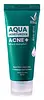
This acne moisturizer is formulated around Niacinamide and Madecassoside to clear breakouts and calm redness.
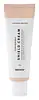
This barrier-repair moisturizer is formulated around Niacinamide and Ceramide NP to strengthen the skin barrier and calm redness.


What's inside
What's inside
 Key Ingredients
Benefits
Concerns
Ingredients Side-by-side
Water
Skin ConditioningButylene Glycol
Humectant

Brassica Oleracea Capitata Leaf Extract
Skin ConditioningNiacinamide
Smoothing










Cyclopentasiloxane
Emollient
Glycerin
Humectant
Dipropylene Glycol
HumectantCetyl Ethylhexanoate
EmollientEthylhexyl Olivate
Skin Conditioning

Cyclohexasiloxane
Emollient
Betaine
Humectant
Sodium Acrylates Copolymer
Benzyl Glycol
SolventPolyglyceryl-4 Oleate
Emulsifying
Simmondsia Chinensis Seed Oil
Emollient
Polyglyceryl-3 Methylglucose Distearate
Emulsifying
Aloe Barbadensis Leaf Juice
Skin Conditioning
Ethylhexylglycerin
Skin ConditioningDisodium EDTA
Adenosine
Skin Conditioning
Raspberry Ketone
Masking

Parfum
Masking

Limnanthes Alba Seed Oil
Skin Conditioning
Sodium Polyacrylate
Absorbent
Madecassoside
Antioxidant
Hexyl Cinnamal
Perfuming
Limonene
Perfuming
Linalool
Perfuming
Asiaticoside
Antioxidant
CI 19140
Cosmetic ColorantCentella Asiatica Leaf Extract
Skin Conditioning
CI 42090
Cosmetic ColorantWater, Butylene Glycol, Brassica Oleracea Capitata Leaf Extract, Niacinamide, Cyclopentasiloxane, Glycerin, Dipropylene Glycol, Cetyl Ethylhexanoate, Ethylhexyl Olivate, Cyclohexasiloxane, Betaine, Sodium Acrylates Copolymer, Benzyl Glycol, Polyglyceryl-4 Oleate, Simmondsia Chinensis Seed Oil, Polyglyceryl-3 Methylglucose Distearate, Aloe Barbadensis Leaf Juice, Ethylhexylglycerin, Disodium EDTA, Adenosine, Raspberry Ketone, Parfum, Limnanthes Alba Seed Oil, Sodium Polyacrylate, Madecassoside, Hexyl Cinnamal, Limonene, Linalool, Asiaticoside, CI 19140, Centella Asiatica Leaf Extract, CI 42090
Water
Skin ConditioningGlycerin
Humectant
Cyclopentasiloxane
Emollient
Cyclohexasiloxane
Emollient
Cetyl PEG/PPG-10/1 Dimethicone
Emulsifying
Sodium Chloride
MaskingCamellia Sinensis Leaf Extract
Antimicrobial
1,2-Hexanediol
Skin Conditioning
Tocopheryl Acetate
Antioxidant
Caprylyl Glycol
Emollient
Dimethicone/Vinyl Dimethicone Crosspolymer
Skin Conditioning
Lycium Chinense Fruit Extract
Antioxidant
Chrysanthemum Morifolium Flower Extract
Skin ConditioningNiacinamide
Smoothing
Ziziphus Jujuba Fruit Extract
Skin ConditioningCodonopsis Lanceolata Root Extract
Skin ConditioningPlatycodon Grandiflorus Root Extract
Antioxidant
Oenanthe Javanica Extract
AntimicrobialTaraxacum Platycarpum Extract
Skin ConditioningRubus Coreanus Fruit Extract
Skin ConditioningAtractylodes Chinensis Rhizome Extract
AstringentMorus Alba Leaf Extract
Skin ConditioningCornus Officinalis Fruit Extract
Skin ConditioningNelumbo Nucifera Leaf Extract
Skin ConditioningSchisandra Chinensis Fruit Extract
Skin Conditioning
Panax Ginseng Root Extract
Emollient
Pueraria Lobata Root Extract
HumectantPolygonum Multiflorum Root Extract
Skin ConditioningHydrolyzed Collagen
Emollient
Adenosine
Skin Conditioning
Ceramide NP
Skin Conditioning
Sodium Hyaluronate
Humectant
Macadamia Ternifolia Seed Oil
Emollient
Caprylic/Capric Triglyceride
Masking
Cholesterol
Emollient
Brassica Campestris Sterols
EmollientBeta-Glucan
Skin Conditioning
Hydrogenated Lecithin
Emulsifying
Ceteth-3
EmulsifyingCeteth-5
EmulsifyingPanthenol
Skin Conditioning
Dipotassium Glycyrrhizate
Humectant
Madecassoside
Antioxidant
Ceteareth-25
CleansingAllantoin
Skin Conditioning
Cetyl Alcohol
Emollient
Madecassic Acid
Skin Conditioning
Asiaticoside
Antioxidant
Asiatic Acid
Skin Conditioning
Behenic Acid
Cleansing
Ceramide Ns
Skin Conditioning
Ethylhexylglycerin
Skin ConditioningCeramide AP
Skin Conditioning
Ceramide Eos
Skin Conditioning
Ceramide EOP
Skin Conditioning
Caprooyl Sphingosine
Skin ConditioningCaprooyl Phytosphingosine
Skin Conditioning
Water, Glycerin, Cyclopentasiloxane, Cyclohexasiloxane, Cetyl PEG/PPG-10/1 Dimethicone, Sodium Chloride, Camellia Sinensis Leaf Extract, 1,2-Hexanediol, Tocopheryl Acetate, Caprylyl Glycol, Dimethicone/Vinyl Dimethicone Crosspolymer, Lycium Chinense Fruit Extract, Chrysanthemum Morifolium Flower Extract, Niacinamide, Ziziphus Jujuba Fruit Extract, Codonopsis Lanceolata Root Extract, Platycodon Grandiflorus Root Extract, Oenanthe Javanica Extract, Taraxacum Platycarpum Extract, Rubus Coreanus Fruit Extract, Atractylodes Chinensis Rhizome Extract, Morus Alba Leaf Extract, Cornus Officinalis Fruit Extract, Nelumbo Nucifera Leaf Extract, Schisandra Chinensis Fruit Extract, Panax Ginseng Root Extract, Pueraria Lobata Root Extract, Polygonum Multiflorum Root Extract, Hydrolyzed Collagen, Adenosine, Ceramide NP, Sodium Hyaluronate, Macadamia Ternifolia Seed Oil, Caprylic/Capric Triglyceride, Cholesterol, Brassica Campestris Sterols, Beta-Glucan, Hydrogenated Lecithin, Ceteth-3, Ceteth-5, Panthenol, Dipotassium Glycyrrhizate, Madecassoside, Ceteareth-25, Allantoin, Cetyl Alcohol, Madecassic Acid, Asiaticoside, Asiatic Acid, Behenic Acid, Ceramide Ns, Ethylhexylglycerin, Ceramide AP, Ceramide Eos, Ceramide EOP, Caprooyl Sphingosine, Caprooyl Phytosphingosine
Reviews
Ingredients Explained
These ingredients are found in both products.
Ingredients higher up in an ingredient list are typically present in a larger amount.
Adenosine is a purine nucleoside that your body already makes in every cell. In skincare, it acts mainly as a skin conditioning and anti-aging agent.
The way it works is fairly well mapped out:
Your skin has cells called fibroblasts that build collagen (the stuff that keeps skin firm and smooth). Adenosine basically flips a switch on these cells that tells them to get to work making more collagen and other proteins. These cells slow down on their own as skin ages, so Adenosine helps give them a little nudge to keep going.
The clinical backing is pretty solid too.
A blind, randomized, placebo-controlled trial of 126 women aged 45-65 tested a 0.1% cream twice daily and found real improvements in crow's feet and frown lines using a precise 3D skin-mapping technique; these changes showed up by week 3 and held at 2 months.
A later study using Adenosine-loaded dissolving microneedle patches reported gains in wrinkle depth, dermal density, elasticity, and hydration.
On concentrations, South Korea's Ministry of Food and Drug Safety has set 0.04% as the approved functional anti-wrinkle level. You'll typically see this ingredient used somewhere in the 0.04-0.1% range since it works at low doses.
This ingredient has been found safe for cosmetics with the data showing no irritation or sensitization.
Overall, this is a great ingredient for any anti-aging routine and has no photosensitizing effect, so it suits both AM and PM use.
Learn more about AdenosineAsiaticoside comes from the super popular skin-soothing ingredient, Centella asiatica. It's the reason centella-based products have a strong reputation for repairing and calming skin, along with its sibling compound Madecassoside.
Research from 2016-2025 supports its role in:
You'll usually find this in concentrations between 0.2-5%.
Learn more about AsiaticosideCyclohexasiloxane is a type of silicone more commonly known as D6. It is an emollient and solvent.
Cyclohexasiloxane is used to evenly distribute ingredients throughout the product. When applied to the skin, Cyclohexasiloxane evaporates and leaves behind a silky feel.
As an emollient, it can help the skin feel soft and hydrated. It is also used to reduce frizz in hair products.
Learn more about CyclohexasiloxaneCyclopentasiloxane (D5) is a lightweight silicone that mostly acts as an emollient and solvent in cosmetics. Its the reason your products feel silky, fast-spreading, and non-greasy.
Since D5 is volatile, it does its thing and then evaporates off the skin quickly.
The safety profile of this ingredient is reassuring; the US CIR Expert Panel concluded D5 is safe as used in cosmetics and Health Canada concluded that D5 is not harmful to human health or the environment as currently used in cosmetics
There's a study that people mention about D5 in a rat study showing tumors. This study is related to long-term inhalation of high D5 levels.
Regulatory bodies have judged this study to be not applicable in topical skincare since skin absorption of D5 is very low and we're not really inhaling huge amounts of D5.
The only restriction for this ingredient is environmental. The European Chemicals Agency (ECHA) restricted D5 in wash-off cosmetics at or above 0.1% due to their persistence in water.
Learn more about CyclopentasiloxaneEthylhexylglycerin is created from glycerin. It is a multitasker ingredient that:
The CIR Expert Panel found minimal skin absorption or sensitization of any kind in a safety assessment. Though this ingredient is considered well-tolerated, a small number of cases of allergic dermatitis have been published since 2002. Just be sure to patch test if you are unsure.
Industry-reported use ranges from 8% in rinse-off products and 2% in leave-on formulations.
Learn more about EthylhexylglycerinGlycerin (or glycerol) is a compound naturally found in your skin. It's a powerhouse humectant that pulls water into the stratum corneum.
Topically, glycerin does several things at once:
Your skin makes glycerin on its own (mostly from sebaceous oil breakdown) and shuttles it to your outermost layer of skin, or your epidermis, via aquaporin-3.
Aquaporin-3 is a transporter that is essential for normal skin hydration, elasticity, and repair. Interestingly, mice lacking in AQP3 have dry and less elastic skin that can be fully corrected with glycerin.
This ingredient is non-irritating, plays well with almost every ingredient, and works across all skin types. Typical use is anywhere between 3-10% but can go up to 79% in some leave-on products.
Just know very high concentrations (>40%) can feel tacky in low humidity.
Glycerin is the name for this ingredient in American English. British English uses Glycerol/Glycerine.
Learn more about GlycerinMadecassoside is one of four active compounds found in Centella asiatica and is one of the main reasons Centella is so effective at calming irritated skin and supporting the moisture barrier.
There's a solid body of peer-reviewed research backing Madecassoside for several skin benefits. Studies have found:
Madecassoside pairs well with other hydrating or antioxidant ingredients like Ascorbic Acid or Hyaluronic Acid.
Learn more about MadecassosideNiacinamide is a multitasking form of vitamin B3 that strengthens the skin barrier, reduces pores and dark spots, regulates oil, and improves signs of aging.
And the best part? It's gentle and well-tolerated by most skin types, including sensitive and reactive skin.
You might have heard of "niacin flush", or the reddening of skin that causes itchiness. Niacinamide has not been found to cause this.
In very rare cases, some individuals may not be able to tolerate niacinamide at all or experience an allergic reaction to it.
If you are experiencing flaking, irritation, and dryness with this ingredient, be sure to double check all your products as this ingredient can be found in all categories of skincare.
When incorporating niacinamide into your routine, look out for concentration amounts. Typically, 5% niacinamide provides benefits such as fading dark spots. However, if you have sensitive skin, it is better to begin with a smaller concentration.
When you apply niacinamide to your skin, your body converts it into nicotinamide adenine dinucleotide (NAD). NAD is an essential coenzyme that is already found in your cells as "fuel" and powers countless biological processes.
In your skin, NAD helps repair cell damage, produce new healthy cells, support collagen production, strengthen the skin barrier, and fight environmental stressors (like UV and pollution).
Our natural NAD levels start to decline with age, leading to slower skin repair, visible aging, and a weaker skin barrier. By providing your skin niacinamide, you're recharging your skin's NAD levels. This leads to stronger, healthier, and younger looking skin.
Another name for vitamin B3 is nicotinamide. This vitamin is water-soluble and our bodies don't store it. We obtain Vitamin B3 from either food or skincare. Meat, fish, wheat, yeast, and leafy greens contain vitamin B3.
The type of niacinamide used in skincare is synthetically created.
Learn more about NiacinamideWater. It's the most common cosmetic ingredient of all. You'll usually see it at the top of ingredient lists, meaning that it makes up the largest part of the product.
So why is it so popular? Water most often acts as a solvent - this means that it helps dissolve other ingredients into the formulation.
You'll also recognize water as that liquid we all need to stay alive. If you see this, drink a glass of water. Remember to stay hydrated!
Learn more about Water


