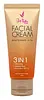
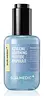
iWhite Korea 3 in 1 Whitening Vita Facial Cream SPF 15 Versus Neogen Sur.Medic+ Azulene Soothing Peptide Ampoule
This calming ampoule is formulated around Copper Tripeptide-1 and Ceramide NP to calm redness and soften the look of wrinkles.

What's inside
What's inside
 Key Ingredients
Benefits
Concerns
Ingredients Side-by-side
Morus Alba Extract
AstringentPanax Ginseng Root Extract
Emollient



Titanium Dioxide
Cosmetic Colorant

Water
Skin ConditioningGlycerin
Humectant
Tocopheryl Acetate
Antioxidant


Retinyl Acetate
Skin Conditioning

Ethylhexyl Methoxycinnamate
UV Absorber
Dimethicone
Emollient
Sodium Hyaluronate
Humectant

Aloe Barbadensis Leaf Extract
Emollient
Ascorbic Acid
Antioxidant

Methylparaben
Preservative


Parfum
Masking


Disodium EDTA
Water
Skin ConditioningDipropylene Glycol
HumectantIsopentyldiol
Humectant
1,2-Hexanediol
Skin Conditioning
Polydecene
Skin ConditioningAdenosine
Skin Conditioning
Guaiazulene
Antimicrobial
Copper Tripeptide-1
Skin Conditioning
Tripeptide-1
Skin Conditioning
Palmitoyl Tripeptide-1
Skin Conditioning
Tripeptide-2
Skin Conditioning
Hexapeptide-11
Skin Conditioning
Acetyl Hexapeptide-8
Humectant
Palmitoyl Tetrapeptide-7
Skin Conditioning
Palmitoyl Pentapeptide-4
Skin Conditioning
Hexapeptide-9
Skin Conditioning
Nonapeptide-1
Skin Conditioning
Ceramide NP
Skin Conditioning
Betula Platyphylla Japonica Juice
Skin Conditioning
Glycyrrhiza Glabra Root Extract
Bleaching
Camellia Sinensis Leaf Extract
Antimicrobial

Camellia Japonica Seed Extract
Skin ConditioningCentella Asiatica Extract
Cleansing
Camellia Japonica Flower Extract
EmollientAloe Barbadensis Leaf Extract
Emollient
Calendula Officinalis Extract
Skin Conditioning
Chamomilla Recutita Extract
Skin Conditioning
Propolis Extract
Skin Conditioning

Phellinus Linteus Extract
Skin ConditioningOenothera Biennis Oil
Emollient


Simmondsia Chinensis Seed Oil
Emollient
Cupressus Sempervirens Oil
Masking
Zinc Oxide
Cosmetic Colorant
Beta-Glucan
Skin Conditioning
Asiaticoside
Antioxidant
Madecassic Acid
Skin Conditioning
Asiatic Acid
Skin Conditioning
Lavandula Angustifolia Flower Extract
Cleansing
Madecassoside
Antioxidant
Camellia Sinensis Seed Oil
Humectant
Camellia Japonica Leaf Extract
Skin ConditioningButyrospermum Parkii Butter
Skin Conditioning
Persea Gratissima Oil
Skin Conditioning
Allantoin
Skin Conditioning
Mentha Rotundifolia Leaf Extract
TonicCalamine
AbsorbentMelaleuca Alternifolia Leaf Oil
Antioxidant
Panthenol
Skin Conditioning
Artemisia Capillaris Extract
Alcohol Denat.
Antimicrobial

Butylene Glycol
Humectant
Octyldodeceth-16
EmulsifyingCarbomer
Emulsion StabilisingTromethamine
BufferingCellulose Gum
Emulsion StabilisingPhenyl Trimethicone
Skin Conditioning
Ethylhexylglycerin
Skin ConditioningAcacia Senegal Gum
MaskingSodium Hyaluronate
Humectant
Agar
MaskingMannitol
Humectant
Zea Mays Starch
Absorbent
Lavandula Angustifolia Oil
Masking
Microcrystalline Cellulose
AbsorbentDisodium EDTA
Gardenia Florida Fruit Extract
Skin ConditioningHydrogenated Lecithin
Emulsifying
Maltodextrin
Absorbent
Glycerin
Humectant
Caprylic/Capric Triglyceride
Masking
Lecithin
Emollient
Polysorbate 20
Emulsifying
Sodium Ascorbyl Phosphate
Antioxidant
Hydrogen Dimethicone
Water, Dipropylene Glycol, Isopentyldiol, 1,2-Hexanediol, Polydecene, Adenosine, Guaiazulene, Copper Tripeptide-1, Tripeptide-1, Palmitoyl Tripeptide-1, Tripeptide-2, Hexapeptide-11, Acetyl Hexapeptide-8, Palmitoyl Tetrapeptide-7, Palmitoyl Pentapeptide-4, Hexapeptide-9, Nonapeptide-1, Ceramide NP, Betula Platyphylla Japonica Juice, Glycyrrhiza Glabra Root Extract, Camellia Sinensis Leaf Extract, Camellia Japonica Seed Extract, Centella Asiatica Extract, Camellia Japonica Flower Extract, Aloe Barbadensis Leaf Extract, Calendula Officinalis Extract, Chamomilla Recutita Extract, Propolis Extract, Phellinus Linteus Extract, Oenothera Biennis Oil, Simmondsia Chinensis Seed Oil, Cupressus Sempervirens Oil, Zinc Oxide, Beta-Glucan, Asiaticoside, Madecassic Acid, Asiatic Acid, Lavandula Angustifolia Flower Extract, Madecassoside, Camellia Sinensis Seed Oil, Camellia Japonica Leaf Extract, Butyrospermum Parkii Butter, Persea Gratissima Oil, Allantoin, Mentha Rotundifolia Leaf Extract, Calamine, Melaleuca Alternifolia Leaf Oil, Panthenol, Artemisia Capillaris Extract, Alcohol Denat., Butylene Glycol, Octyldodeceth-16, Carbomer, Tromethamine, Cellulose Gum, Phenyl Trimethicone, Ethylhexylglycerin, Acacia Senegal Gum, Sodium Hyaluronate, Agar, Mannitol, Zea Mays Starch, Lavandula Angustifolia Oil, Microcrystalline Cellulose, Disodium EDTA, Gardenia Florida Fruit Extract, Hydrogenated Lecithin, Maltodextrin, Glycerin, Caprylic/Capric Triglyceride, Lecithin, Polysorbate 20, Sodium Ascorbyl Phosphate, Hydrogen Dimethicone
Ingredients Explained
These ingredients are found in both products.
Ingredients higher up in an ingredient list are typically present in a larger amount.
Aloe Barbadensis Leaf Extract is a botanical extract pulled from the leaves of aloe vera and one of the most studied plant ingredients in cosmetics.
The inner leaf gel it comes from is mostly water (~99-99.5%) and the remaining fraction is made up of pretty good stuff: polysaccharides, vitamins, phenolics, and enzymes.
Its headline job is hydration.
The star polysaccharide in aloe, acemannan, is a humectant that retains moisture and helps reduce trans-epidermal water loss.
Aloe also has real soothing credentials; it contains anti-inflammatory compounds like bradykinase and C-glucosyl chromone that help calm irritation and redness.
On the repair side, lab work shows that acemannan wakes up your skin's repair cells (fibroblasts), prompting them to multiply and speed up healing.
There's some human data for cosmetic benefit too: a cream containing 10% Aloe Barbadensis leaf extract improved skin hydration and elasticity in a real-use study.
Safety-wise, this ingredient is well-regarded with just one rare downside; there have been some case reports of acute eczema, contact urticaria, and dermatitis in people who applied aloe-derived ingredients topically. Those with a known aloe or Liliaceae sensitivity should patch test.
Typical use levels range widely, from under 1% up to 90%+ depending on the format and the effect you are after.
Learn more about Aloe Barbadensis Leaf ExtractDisodium EDTA is a chelating agent. It grabs onto and deactivates metal ions that sneak into your products from water, packaging, or air.
This ingredient mainly works behind the scenes and helps with:
On top of that, this ingredient can counteract the effects of hard water by binding to the minerals in it.
One thing worth knowing is that Disodium EDTA has been shown to be a mild penetration enhancer. It can help other ingredients absorb into skin more effectively which can be a double-edged sword (great for actives, but can also make the active too strong if you have sensitive skin).
Clinical patch testing showed no significant skin irritation at typical use concentrations and minimal dermal absorption.
You'll most likely see this ingredient near the end of an ingredient list. It's typically found in concentrations less than 1%.
Learn more about Disodium EDTAGlycerin (or glycerol) is a compound naturally found in your skin. It's a powerhouse humectant that pulls water into the stratum corneum.
Topically, glycerin does several things at once:
Your skin makes glycerin on its own (mostly from sebaceous oil breakdown) and shuttles it to your outermost layer of skin, or your epidermis, via aquaporin-3.
Aquaporin-3 is a transporter that is essential for normal skin hydration, elasticity, and repair. Interestingly, mice lacking in AQP3 have dry and less elastic skin that can be fully corrected with glycerin.
This ingredient is non-irritating, plays well with almost every ingredient, and works across all skin types. Typical use is anywhere between 3-10% but can go up to 79% in some leave-on products.
Just know very high concentrations (>40%) can feel tacky in low humidity.
Glycerin is the name for this ingredient in American English. British English uses Glycerol/Glycerine.
Learn more about GlycerinSodium Hyaluronate is the salt form of hyaluronic acid. It is a long sugar chain that is naturally found in your skin, joints, and connective tissue that maintains hydration and elasticity.
In skincare, it works as a humectant. It pulls water from the environment and deeper layers of skin and binds it to the surface.
Interestingly, the size of the molecule affects its behavior:
Some clinical evidence links low molecular weight versions to improved wrinkle depth, elasticity, anti-inflammatory effects, and barrier repair.
Many serums use a blend of both weights so you can get surface hydration plus longer-lasting and deeper effects.
You'll typically see concentrations between 0.1-2% for this ingredient.
Learn more about Sodium HyaluronateWater. It's the most common cosmetic ingredient of all. You'll usually see it at the top of ingredient lists, meaning that it makes up the largest part of the product.
So why is it so popular? Water most often acts as a solvent - this means that it helps dissolve other ingredients into the formulation.
You'll also recognize water as that liquid we all need to stay alive. If you see this, drink a glass of water. Remember to stay hydrated!
Learn more about Water

