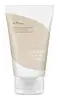
This barrier-repair moisturizer is formulated around Dioscorea Japonica Root Extract and Panthenol to strengthen the skin barrier and hydrate skin.
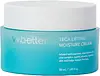
This anti-aging moisturizer is formulated around Centella Asiatica Extract and Niacinamide to soften the look of wrinkles and calm redness.

What's inside
What's inside
 Key Ingredients
Benefits
Concerns
Ingredients Side-by-side
Dioscorea Japonica Root Extract
Skin Conditioning
Methylpropanediol
SolventGlycerin
Humectant


Caprylic/Capric Triglyceride
Masking
Cetearyl Alcohol
Emollient





1,2-Hexanediol
Skin Conditioning
Glycereth-26
Humectant
Cetearyl Olivate
Water
Skin ConditioningPropylene Glycol Dicaprylate/Dicaprate
EmollientSorbitan Olivate
Emulsifying
Stearic Acid
Cleansing
Helianthus Annuus Seed Oil
Emollient
Sodium Hyaluronate
Humectant


Panthenol
Skin Conditioning
Hibiscus Esculentus Fruit Extract
Skin ConditioningNelumbo Nucifera Root Extract
Skin ConditioningUndaria Pinnatifida Extract
Skin ConditioningLaminaria Japonica Extract
Skin Protecting
Ceramide NP
Skin Conditioning
Ceramide Ns
Skin Conditioning
Ceramide As
Skin Conditioning
Ceramide AP
Skin Conditioning
Ceramide EOP
Skin Conditioning
Phytosphingosine
Skin Conditioning
Cholesterol
Emollient
Glycine Max Seed Extract
Skin ConditioningCocos Nucifera Fruit Extract
Emollient
Oryza Sativa Extract
Absorbent
Prunus Amygdalus Dulcis Seed Extract
Skin ConditioningAvena Sativa Meal Extract
SoothingMalt Extract
Skin ProtectingSimethicone
Emollient
Ammonium Acryloyldimethyltaurate/Vp Copolymer
Butylene Glycol
Humectant
Hydroxyethylcellulose
Emulsion StabilisingXanthan Gum
EmulsifyingHydrogenated Lecithin
Emulsifying
Citric Acid
Buffering

Disodium EDTA
ChelatingDioscorea Japonica Root Extract, Methylpropanediol, Glycerin, Caprylic/Capric Triglyceride, Cetearyl Alcohol, 1,2-Hexanediol, Glycereth-26, Cetearyl Olivate, Water, Propylene Glycol Dicaprylate/Dicaprate, Sorbitan Olivate, Stearic Acid, Helianthus Annuus Seed Oil, Sodium Hyaluronate, Panthenol, Hibiscus Esculentus Fruit Extract, Nelumbo Nucifera Root Extract, Undaria Pinnatifida Extract, Laminaria Japonica Extract, Ceramide NP, Ceramide Ns, Ceramide As, Ceramide AP, Ceramide EOP, Phytosphingosine, Cholesterol, Glycine Max Seed Extract, Cocos Nucifera Fruit Extract, Oryza Sativa Extract, Prunus Amygdalus Dulcis Seed Extract, Avena Sativa Meal Extract, Malt Extract, Simethicone, Ammonium Acryloyldimethyltaurate/Vp Copolymer, Butylene Glycol, Hydroxyethylcellulose, Xanthan Gum, Hydrogenated Lecithin, Citric Acid, Disodium EDTA
Centella Asiatica Extract
Cleansing
Methylpropanediol
SolventGlycerin
Humectant
Phenyl Trimethicone
Skin Conditioning
Niacinamide
Smoothing



Dicaprylyl Ether
Emollient
Dicaprylyl Carbonate
EmollientCyclohexasiloxane
Emollient
Polyglyceryl-3 Methylglucose Distearate
Emulsifying
Isostearyl Alcohol
Emollient
Butylene Glycol Cocoate
Emulsifying
1,2-Hexanediol
Skin Conditioning
Glyceryl Stearate
Emollient
Laminaria Japonica Extract
Skin Protecting
Eclipta Prostrata Leaf Extract
Skin ConditioningFicus Carica Fruit Extract
Humectant
Camellia Sinensis Leaf Extract
Antimicrobial
Ginkgo Biloba Leaf Extract
Skin Conditioning
Camellia Japonica Leaf Extract
Skin ConditioningEruca Sativa Leaf Extract
Skin ConditioningTriticum Vulgare Sprout Extract
Skin ConditioningBrassica Oleracea Italica Sprout Extract
EmollientMedicago Sativa Extract
TonicHydrogenated Lecithin
Emulsifying
Ammonium Acryloyldimethyltaurate/Vp Copolymer
Polyglyceryl-10 Laurate
Skin Conditioning
Sodium Stearoyl Glutamate
CleansingAcrylates/C10-30 Alkyl Acrylate Crosspolymer
Emulsion StabilisingTromethamine
BufferingXanthan Gum
EmulsifyingWater
Skin ConditioningEthylcellulose
Adenosine
Skin Conditioning
Fructooligosaccharides
Humectant
Beta-Glucan
Skin Conditioning
Hydrolyzed Collagen
Emollient
Hydrolyzed Hyaluronic Acid
Humectant
Butylene Glycol
Humectant
Ceramide NP
Skin Conditioning
3-O-Ethyl Ascorbic Acid
Skin Conditioning
Madecassic Acid
Skin Conditioning
Asiaticoside
Antioxidant
Asiatic Acid
Skin Conditioning
Nonapeptide-1
Skin Conditioning
Acetyl Hexapeptide-8
Humectant
Copper Tripeptide-1
Skin Conditioning
Tripeptide-1
Skin Conditioning
Palmitoyl Tetrapeptide-7
Skin Conditioning
Palmitoyl Tripeptide-1
Skin Conditioning
Palmitoyl Pentapeptide-4
Skin Conditioning
Hexapeptide-9
Skin Conditioning
Sh-Oligopeptide-1
Skin Conditioning
Parfum
Masking


Ethylhexylglycerin
Skin ConditioningCaprylyl Glycol
Emollient
Centella Asiatica Extract, Methylpropanediol, Glycerin, Phenyl Trimethicone, Niacinamide, Dicaprylyl Ether, Dicaprylyl Carbonate, Cyclohexasiloxane, Polyglyceryl-3 Methylglucose Distearate, Isostearyl Alcohol, Butylene Glycol Cocoate, 1,2-Hexanediol, Glyceryl Stearate, Laminaria Japonica Extract, Eclipta Prostrata Leaf Extract, Ficus Carica Fruit Extract, Camellia Sinensis Leaf Extract, Ginkgo Biloba Leaf Extract, Camellia Japonica Leaf Extract, Eruca Sativa Leaf Extract, Triticum Vulgare Sprout Extract, Brassica Oleracea Italica Sprout Extract, Medicago Sativa Extract, Hydrogenated Lecithin, Ammonium Acryloyldimethyltaurate/Vp Copolymer, Polyglyceryl-10 Laurate, Sodium Stearoyl Glutamate, Acrylates/C10-30 Alkyl Acrylate Crosspolymer, Tromethamine, Xanthan Gum, Water, Ethylcellulose, Adenosine, Fructooligosaccharides, Beta-Glucan, Hydrolyzed Collagen, Hydrolyzed Hyaluronic Acid, Butylene Glycol, Ceramide NP, 3-O-Ethyl Ascorbic Acid, Madecassic Acid, Asiaticoside, Asiatic Acid, Nonapeptide-1, Acetyl Hexapeptide-8, Copper Tripeptide-1, Tripeptide-1, Palmitoyl Tetrapeptide-7, Palmitoyl Tripeptide-1, Palmitoyl Pentapeptide-4, Hexapeptide-9, Sh-Oligopeptide-1, Parfum, Ethylhexylglycerin, Caprylyl Glycol
Reviews
Ingredients Explained
These ingredients are found in both products.
Ingredients higher up in an ingredient list are typically present in a larger amount.
1,2-Hexanediol is a synthetic liquid and another multi-functional powerhouse.
It is a:
- Humectant, drawing moisture into the skin
- Emollient, helping to soften skin
- Solvent, dispersing and stabilizing formulas
- Preservative booster, enhancing the antimicrobial activity of other preservatives
Ammonium Acryloyldimethyltaurate/Vp Copolymer is a synthetically created polymer. It's used as a film-forming agent and used to thicken the consistency of products.
Think of it as a supportive ingredient that helps your gel-creams feel silky, "cloud cream-like", and spread evenly without being greasy.
The Cosmetic Ingredient Review (CIR) Expert Panel evaluated it (along with 22 other acryloyldimethyltaurate polymers) and concluded it's:
Due to its large molecular size, it sits on the surface of skin rather than penetrating it.
Learn more about Ammonium Acryloyldimethyltaurate/Vp CopolymerButylene Glycol (or BG) is used within cosmetic products for a few different reasons:
Overall, Butylene Glycol is a safe and well-rounded ingredient that works well with other ingredients.
Though this ingredient works well with most skin types, some people with sensitive skin may experience a reaction such as allergic rashes, closed comedones, or itchiness.
Learn more about Butylene GlycolCeramide NP (formerly known as Ceramide 3) is one of the skin's naturally occurring lipids.
Since ceramides are the major lipid components of the skin, they are crucial for maintaining skin barrier and hydration. Ceramide NP most closely mirrors the dominant kind in human skin amongst ceramide subtypes.
This ceramide works by slotting into gaps within the stratum corneum's lipid matrix to limit trans-epidermal water loss (TEWL) and shield the skin against external irritants.
A study with 312 patients found that using a ceramide-containing routine for 4 weeks reduced the severity of atopic dermatitis by over 61%.
Another clinical study in subjects aged 60 and older found that a ceramide body wash and moisturizer improved skin dryness and itchy skin in 15 days.
Overall, ceramides are considered non-irritating and safety tests have found little to no observable adverse effects from using this ingredient.
Ceramide NP is usually sourced from plants (like soybean or rice bran), or produced synthetically.
Learn more about Ceramide NPGlycerin (or glycerol) is a compound naturally found in your skin. It's a powerhouse humectant that pulls water into the stratum corneum.
Topically, glycerin does several things at once:
Your skin makes glycerin on its own (mostly from sebaceous oil breakdown) and shuttles it to your outermost layer of skin, or your epidermis, via aquaporin-3.
Aquaporin-3 is a transporter that is essential for normal skin hydration, elasticity, and repair. Interestingly, mice lacking in AQP3 have dry and less elastic skin that can be fully corrected with glycerin.
This ingredient is non-irritating, plays well with almost every ingredient, and works across all skin types. Typical use is anywhere between 3-10% but can go up to 79% in some leave-on products.
Just know very high concentrations (>40%) can feel tacky in low humidity.
Glycerin is the name for this ingredient in American English. British English uses Glycerol/Glycerine.
Learn more about GlycerinHydrogenated Lecithin is a more stable version of lecithin.
It's made by taking lecithin (a phospholipid commonly found in soybeans and egg yolks) and hydrogenating it. This just means the unsaturated fatty acids are turned into saturated ones so they don't go bad as easily.
This ingredient is an emollient, emulsifier, and penetration enhancer. As an emollient, it helps soften and hydrate skin by trapping moisture within. As an emulsifier, it prevents oil and water ingredients from separating.
Hydrogenated Lecithin can form tiny spherical structures made of phospholipid bilayers called liposomes. These liposomes are able to capture compounds inside their structure and deliver them through the skin barrier.
Because phospholipids are a natural component of our cell membranes, this ingredient is inherently compatible with skin.
A 2021 study found lecithin-based surfactants were less harsh and more tolerable comared to Sodium Lauryl Sulfate (SLS).
Learn more about Hydrogenated LecithinLaminaria Japonica Extract is an extract of Japanese kelp, the same brown seaweed sold as kombu.
This ingredient is usually extracted from dried, ground kelp with water or a water/glycol mix. Most of what ends up in your bottle is mostly big sugar molecules, minerals, and amino acids rather than oils.
Those sugars help hold water and form a light film on the skin's surface, giving it humectant and mild-barrier supporting properties.
The best human data is a small Korean study where a cream with 10% extract upped skin hydration about 14% over placebo and cut water loss through the skin for up to eight hours.
Beyond this study, most of the anti-aging and anti-inflammatory claims come from mouse and cell studies; these studies found that topical kelp sugars preserved collagen in aging mice and the extract calmed UVB-triggered inflammation markers in cultured skin cells.
Though this sounds promising, it isn't the same as proof on human faces.
Industry data shows this ingredient is usually used anywhere from 0.0005% - 5%. Most leave-on products sit well under 1% and the 5% end mostly shows up in bath products.
Allergy-risk for this ingredient looks low as well. A cream with 10% extract patch-tested on 25 people caused no irritation and there have been no sensitization reports either.
There is one real allergy report on "laminaria" that involves medical cervical dilators made from whole dried kelp stems inserted internally; though this is a very different exposure from a few tenths of a percent in a serum.
Learn more about Laminaria Japonica ExtractMethylpropanediol is a synthetic solvent and humectant.
As a solvent, it helps dissolve other ingredients, helping to evenly distribute ingredients throughout the product. This ingredient has also been shown to have antimicrobial properties which makes it a preservative booster.
Methylpropanediol is able to add a bit of moisture to the skin. It also helps other ingredients be better absorbed into the skin, such as salicylic acid.
Learn more about MethylpropanediolWater. It's the most common cosmetic ingredient of all. You'll usually see it at the top of ingredient lists, meaning that it makes up the largest part of the product.
So why is it so popular? Water most often acts as a solvent - this means that it helps dissolve other ingredients into the formulation.
You'll also recognize water as that liquid we all need to stay alive. If you see this, drink a glass of water. Remember to stay hydrated!
Learn more about WaterXanthan gum is used as a stabilizer and thickener within cosmetic products. It helps give products a sticky, thick feeling - preventing them from being too runny.
On the technical side of things, xanthan gum is a polysaccharide - a combination consisting of multiple sugar molecules bonded together.
Xanthan gum is a pretty common and great ingredient. It is a natural, non-toxic, non-irritating ingredient that is also commonly used in food products.
Learn more about Xanthan Gum

