Updated on June 28, 2024
Overview
What they are
These products are both cruelty-free and reef safe . They have a total of 13 ingredients in common
Cool Features
They both contain hyaluronic acid and niacinamide
Suited For
They're both likely to be good for fighting acne, anti aging, dry skin, brightening skin, sensitive skin, oily skin, reducing pores, scar healing and dark spots
Free From
They both do not contain any harsh alcohols, common allergens, parabens or sulfates
We independently verify ingredients, and our claims are backed by peer-reviewed research. Spot a product that needs an update? Let us know.

Ingredient Info
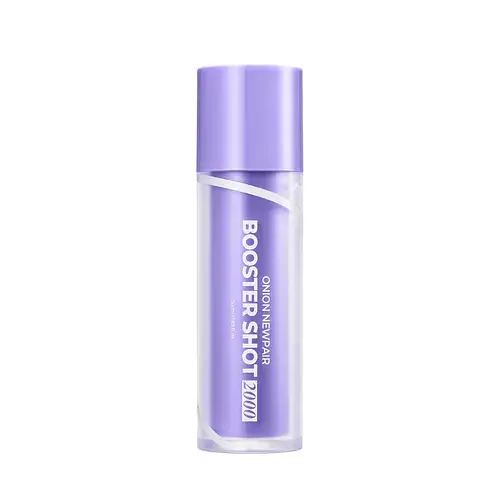
Isntree Onion Newpair Booster Shot 2000 46 ingredients
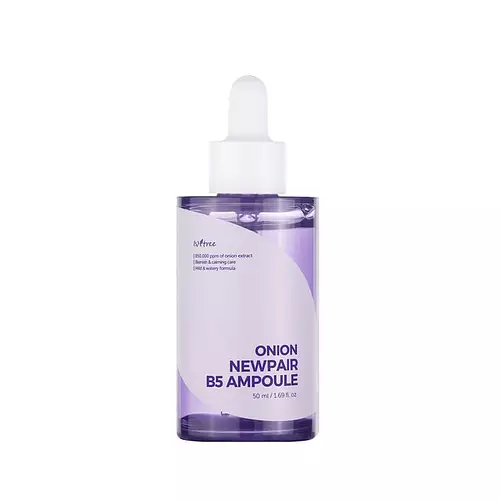
Isntree Onion Newpair B5 Ampoule 26 ingredients










At a glance
Click on any of the items below to learn more
Isntree Onion Newpair Booster Shot 2000 46 ingredients
Isntree Onion Newpair B5 Ampoule 26 ingredients
Notable Ingredients

This product contains 1 ingredient that may have this attribute:

This product contains 1 ingredient that may have this attribute:
This product contains 3 ingredients that may have this attribute:
Benefits

This product contains 1 ingredient that may have this attribute:
This product contains 1 ingredient that may have this attribute:

This product contains 1 ingredient that may have this attribute:

This product contains 2 ingredients that may have this attribute:

This product contains 1 ingredient that may have this attribute:

This product contains 1 ingredient that may have this attribute:

This product contains 3 ingredients that may have this attribute:

This product contains 1 ingredient that may have this attribute:

This product contains 2 ingredients that may have this attribute:

This product contains 1 ingredient that may have this attribute:

This product contains 3 ingredients that may have this attribute:
Concerns
This product contains 1 ingredient that may have this attribute:

This product contains 3 ingredients that may have this attribute:

This product contains 1 ingredient that may have this attribute:
Notable Ingredients

This product contains 1 ingredient that may have this attribute:
This product contains 1 ingredient that may have this attribute:
This product contains 3 ingredients that may have this attribute:
Benefits
This product contains 1 ingredient that may have this attribute:
This product contains 1 ingredient that may have this attribute:
This product contains 3 ingredients that may have this attribute:
This product contains 3 ingredients that may have this attribute:
This product contains 1 ingredient that may have this attribute:
This product contains 1 ingredient that may have this attribute:
This product contains 2 ingredients that may have this attribute:
This product contains 1 ingredient that may have this attribute:
This product contains 1 ingredient that may have this attribute:
Ingredients Side-by-side
Water. It's the most common cosmetic ingredient of all. You'll usually see it at the top of ingredient lists, meaning that it makes up the largest part of the product.
Dipropylene Glycol is a synthetically created stabilizer and solvent. It is a part of the glycol class in the alcohol family.
Glycerin is already naturally found in your skin. It helps moisturize and protect your skin.
Glycereth-26 is a synthetic ingredient and polyethylene glycol ether of Glycerin. Glycerin is already naturally found in your skin and helps keep your skin moisturized.
6 Benefits
Niacinamide has emerged as an all-star ingredient due to its many benefits.
Oil Not safe for Fungal Acne
Olea Europaea Fruit Oil is the fixed oil obtained from the ripe fruit of the Olive. In other words - olive oil.
Ethylhexyl Palmitate is created from 2-ethylhexyl alcohol and palmitic acid. It is a fatty acid ester.
Red onion extract? This ingredient not only benefits our diet but also offers numerous benefits for the skin.
Butylene Glycol (or BG) is used within cosmetic products for a few different reasons:
Sorbitan Sesquioleate is derived from sorbitol and oleic acid. It is an emulsifier and prevents ingredients from separating.
Propanediol helps absorb ingredients into your skin, boosting their benefits. It can act as an emollient, making your skin softer. Propanediol can help products last longer by boosting the properties of preservatives within the formulation.
This long ingredient is a copolymer of sodium acrylate and sodium acryloyldimethyl taurate monomers.
Cetearyl Olivate is an emulsifier and texture enhancer. It is derived from the fatty acids of olive oil and Cetearyl alcohol, and is biodegradable.

Hydroxyacetophenone is antioxidant and helps with skin conditioning.
Acrylates/C10-30 Alkyl Acrylate Crosspolymer is a synthetic polymer. It is used to thicken and improve the texture of products.
Tromethamine is an aliphatic compound. An aliphatic compound is an organic compound with open-chained carbon atoms. It is synthetically created. Tromethamine is used to balance pH and improve texture.
Ethylhexylglycerin (we can't pronounce this either) is commonly used as a preservative and skin softener. It is derived from glyceryl.
Adenosine is in every living organism. It is one of four components in nucleic acids that helps store our DNA.
Caprylyl/Capryl Glucoside is an alkyl glucoside. This just means it is creating by reacting alcohol and sugar. It is a cleansing and foaming ingredient.
Sorbitan Oleate is created from compounds in oleic acid and sorbitol. It is used to stabilize a product by preventing ingredients from separating.
Disodium EDTA plays a role in making products more stable by aiding other preservatives.
Sodium Hyaluronate is hyaluronic acid's salt form. It is commonly derived from the sodium salt of hyaluronic acid.
4 Benefits May cause irritation
Hyaluronic acid is naturally found in healthy skin. It is a humectant, meaning it draws moisture to your skin.
Hydrolyzed Hyaluronic Acid is a form of hyaluronic acid. It is created by the hydrolysis of hyaluronic acid with a high molecular weight. Once created, Hydrolyzed Hyaluronic Acid has a low molecular weight.
Portulaca Oleracea Extract is an extract of the whole plant of the Purslane, Portulaca oleracea L., Portulacaceae. It has anti-inflammatory, antioxidant, and hydrating properties.
Glucose is a simple sugar and is the most important source of energy in all organisms.
Pentylene glycol is typically used within a product to thicken it. It also adds a smooth, soft, and moisturizing feel to the product. It is naturally found in plants such as sugar beets.
Hydrolyzed collagen has a misleading name because it is actually a mixture of various proteins/peptides. This ingredient has skin hydrating properties.
Panthenol is a common ingredient that helps hydrate and soothe the skin. It can be found naturally in our skin and hair.
Helps reduce irritation
Madecassoside comes from the super popular skin-soothing ingredient, Centella asiatica. It is one of four active compounds found in the extract of Centella Asiatica.
Decyl Glucoside is a glucose-based surfactant. Surfactants help clean the skin by trapping oil, sebum, and dirt to be washed away.
Polyglyceryl-10 Laurate is an ester of lauric acid and Polyglycerin-10.
Caprylyl Glycol is a humectant and emollient, meaning it attracts and preserves moisture.
Phosphatidylcholine is a type of phospholipid. Phospholipids are naturally found in our skin as they are the main component of cell membranes. Phospholipids are skin-replenishing.
Ectoin is a compound found naturally in some species of bacteria. It can be synthetically created for skincare use.
Resveratrol is a famous emerging antioxidant. It is a good alternative for sensitive skin types who cannot tolerate retinoids.
Allantoin plays a role in soothing and moisturizing the skin. Because of this, it is often added to products with strong active ingredients.
Water, Dipropylene Glycol, Glycerin, Glycereth-26, Niacinamide, Olea Europaea Fruit Oil, Ethylhexyl Palmitate, Allium Cepa Bulb Extract, Butylene Glycol, Sorbitan Sesquioleate, Propanediol, Sodium Acrylate/Sodium Acryloyldimethyl Taurate Copolymer, Cetearyl Olivate, Hydroxyacetophenone, Vinyl Dimethicone, Polyisobutene, Acrylates/C10-30 Alkyl Acrylate Crosspolymer, Sorbitan Olivate, Hydrolyzed Sponge, Tromethamine, Sodium Polyacrylate, Ethylhexylglycerin, Adenosine, Caprylyl/Capryl Glucoside, Sorbitan Oleate, Zea Mays Kernel Extract, Disodium EDTA, Sodium Hyaluronate, Hyaluronic Acid, Hydrolyzed Hyaluronic Acid, Portulaca Oleracea Extract, Fructan, Glucose, Pentylene Glycol, Hydrolyzed Collagen, Panthenol, Madecassoside, Decyl Glucoside, Polyglyceryl-10 Laurate, Caprylyl Glycol, Phosphatidylcholine, Ectoin, Ceramide NP, Resveratrol, Allantoin, Beta-Sitosterol
Red onion extract? This ingredient not only benefits our diet but also offers numerous benefits for the skin.
Panthenol is a common ingredient that helps hydrate and soothe the skin. It can be found naturally in our skin and hair.
1,2-Hexanediol is a multi-tasker ingredient. It acts as a preservative to increase shelf-life and can aid other preservatives in preventing microbe growth. 1,2-Hexanediol also helps the skin retain moisture as a humectant.
6 Benefits
Niacinamide has emerged as an all-star ingredient due to its many benefits.
Trehalose is a disaccharide made of two glucose molecules (glucose is sugar!). Trehalose is used to help moisturize skin. It also has antioxidant properties.
Betaine is a common humectant (a substance that promotes retention of moisture). It's known to be gentle on the skin and can help balance hydration.
Arginine is an amino acid that is important for human development. Your body uses is it to produce hair keratin and skin collagen.
Butylene Glycol (or BG) is used within cosmetic products for a few different reasons:
Caprylyl Glycol is a humectant and emollient, meaning it attracts and preserves moisture.
Water. It's the most common cosmetic ingredient of all. You'll usually see it at the top of ingredient lists, meaning that it makes up the largest part of the product.
Allantoin plays a role in soothing and moisturizing the skin. Because of this, it is often added to products with strong active ingredients.
Pentylene glycol is typically used within a product to thicken it. It also adds a smooth, soft, and moisturizing feel to the product. It is naturally found in plants such as sugar beets.
Hydroxyacetophenone is antioxidant and helps with skin conditioning.
Caffeine is most associated with coffee, tea, and cacao. In skincare, it helps with calming inflammation and anti-aging.
Acetyl Glucosamine is an antioxidant and humectant. It is a form of Vitamin C.
Melia Azadirachta Flower Extract is from the Neem tree. Neem trees originate from India.
Adenosine is in every living organism. It is one of four components in nucleic acids that helps store our DNA.
Ammonium Acryloyldimethyltaurate/Vp Copolymer (let's call it AAVC for short) is a synthetically created polymer. It's used as a film-forming agent and used to thicken the consistency of products.
Disodium EDTA plays a role in making products more stable by aiding other preservatives.
Tranexamic Acid is best used for treating hyperpigmentation, discoloration, and melasma. It can also help build a stronger skin barrier.
Sodium Hyaluronate is hyaluronic acid's salt form. It is commonly derived from the sodium salt of hyaluronic acid.
Hydrolyzed Hyaluronic Acid is a form of hyaluronic acid. It is created by the hydrolysis of hyaluronic acid with a high molecular weight. Once created, Hydrolyzed Hyaluronic Acid has a low molecular weight.
Helps with Anti-Aging
Ferulic Acid is a plant based antioxidant. Antioxidants help fight free-radicals. Free-radicals are molecules that may damage your skin cells. Ferulic Acid can help reduce the formation of fine lines and hyperpigmentation.
Allium Cepa Bulb Extract 85%, Panthenol 5%, 1,2-Hexanediol, Niacinamide, Trehalose, Betaine, Acrylates Copolymer, Arginine, Butylene Glycol, Caprylyl Glycol, Water, Allantoin, Pentylene Glycol, Hydroxyacetophenone, Caffeine, Acetyl Glucosamine, Melia Azadirachta Flower Extract, Adenosine, Ammonium Acryloyldimethyltaurate/Vp Copolymer, Coccinia Indica Fruit Extract, Disodium EDTA, Tranexamic Acid, Sodium Hyaluronate, Hydrolyzed Hyaluronic Acid, Sodium Acetylated Hyaluronate, Ferulic Acid
Ingredients Explained
These ingredients are found in both products.
Ingredients higher up in an ingredient list are typically present in a larger amount.
Water. It's the most common cosmetic ingredient of all. You'll usually see it at the top of ingredient lists, meaning that it makes up the largest part of the product.
So why is it so popular? Water most often acts as a solvent - this means that it helps dissolve other ingredients into the formulation.
You'll also recognize water as that liquid we all need to stay alive. If you see this, drink a glass of water. Stay hydrated!
Learn more about WaterNiacinamide has emerged as an all-star ingredient due to its many benefits.
It is known to treat acne by reducing inflammation. It also helps fade dark-spots and strengthen the skin by promoting the growth of the ceramide barrier.
Other benefits include smoothing wrinkles and minimizing redness.
The cherry on top? Niacinamide can also help build keratin, a protein that keeps skin firm.
When incorporating niacinamide into your routine, look out for concentration amounts. Typically, 5% niacinamide provides benefits such as fading dark spots. However, if you have sensitive skin, it is better to begin with a smaller concentration.
Niacinamide can be mixed with other ingredients to boost benefits. For instance, it has shown to be effective when used with copper, folic acid, and zinc to treat acne.
Learn more about NiacinamideRed onion extract? This ingredient not only benefits our diet but also offers numerous benefits for the skin.
Like many other plant extracts, red onion is loaded with antioxidants and nutrients. The red color of the onion comes from its high anthocyanin content - and anthocyanin is a potent antioxidant.
Besides being rich in antioxidants, red onions also contain sulfur, sugars, Vitamin C, and biotin.
A study from 2018 found onion extract to be just as effective as healing surgical scars as traditional silicone gel.
Another study from 2008 showed using this ingredient helped reduce surgical scar texture, redness, and overall appearance in 60 patients.
According to a manufacturer, this ingredient can help with the following:
Another manufacturer from Spain claims onion extract can inhibit the release of allergy hormones and prostaglandin, or lipids found near tissue damage and infection spots.
This ingredient is water-soluble.
Learn more about Allium Cepa Bulb ExtractButylene Glycol (or BG) is used within cosmetic products for a few different reasons:
- It is a solvent, meaning that it helps to dissolve other ingredients. This also enhances the absorption of the product into one's skin.
- It is a humectant, which means that it helps attract moisture into the skin.
- It helps improve product application.
Overall, Butylene Glycol is a safe and well-rounded ingredient. It is unlikely to irritate skin, and works well with pretty much all other ingredients.
Hydroxyacetophenone is antioxidant and helps with skin conditioning.
Antioxidants help fight off free-radical molecules. These unstable molecules may damage your skin cells. By helping stabilize free-radicals, antioxidants may help in anti-aging.
Hydroxyacetophenone boosts the efficiency of other preservatives.
Learn more about HydroxyacetophenoneAdenosine is in every living organism. It is one of four components in nucleic acids that helps store our DNA.
Adenosine has many benefits when used. These benefits include hydrating the skin, smoothing skin, and reducing wrinkles. Once applied, adenosine increases collagen production. It also helps with improving firmness and tissue repair.
Studies have found adenosine may also help with wound healing.
In skincare products, Adenosine is usually derived from yeast.
Learn more about AdenosineDisodium EDTA plays a role in making products more stable by aiding other preservatives.
It is a chelating agent, meaning it neutralizes metal ions that may be found in a product.
Disodium EDTA is a salt of edetic acid and is found to be safe in cosmetic ingredients.
Learn more about Disodium EDTASodium Hyaluronate is hyaluronic acid's salt form. It is commonly derived from the sodium salt of hyaluronic acid.
Like hyaluronic acid, it is great at holding water and acts as a humectant. This makes it a great skin hydrating ingredient.
Sodium Hyaluronate is naturally occurring in our bodies and is mostly found in eye fluid and joints.
These are some other common types of Hyaluronic Acid:
Learn more about Sodium HyaluronateHydrolyzed Hyaluronic Acid is a form of hyaluronic acid. It is created by the hydrolysis of hyaluronic acid with a high molecular weight. Once created, Hydrolyzed Hyaluronic Acid has a low molecular weight.
Low molecular weight HA has been shown to hydrate and increase elasticity of the skin. Increasing elasticity is also associated with reduction of wrinkle depth.
One study found topical low molecular weight hyaluronic acid may be considered for the treatment of rosacea in the adult population. However, we always recommend speaking with a professional about your skin concerns.
Hyaluronic acids are a humectant. This means they draw moisture from the air. Hyaluronic acids help moisturize, soothe, and protect the skin.
Read more about other common forms of hyaluronic acid:
Learn more about Hydrolyzed Hyaluronic AcidPentylene glycol is typically used within a product to thicken it. It also adds a smooth, soft, and moisturizing feel to the product. It is naturally found in plants such as sugar beets.
The hydrophilic trait of Pentylene Glycol makes it a humectant. As a humectant, Pentylene Glycol helps draw moisture from the air to your skin. This can help keep your skin hydrated.
This property also makes Pentylene Glycol a great texture enhancer. It can help thicken or emulsify a product. Emulsifiers help stabilize a product. It does this by preventing certain ingredients from separating.
Pentylene Glycol also acts as a mild preservative and helps to keep a product microbe-free.
Some people may experience mild eye and skin irritation from Pentylene Glycol. We always recommend speaking with a professional about using this ingredient in your routine.
Pentylene Glycol has a low molecular weight and is part of the 1,2-glycol family.
Learn more about Pentylene GlycolPanthenol is a common ingredient that helps hydrate and soothe the skin. It can be found naturally in our skin and hair.
This ingredient is also referred to as pro-vitamin B5 or dexpanthenol in dermatology.
Panthenol is famous due to its ability to go deeper into the skin's layers. Using this ingredient has numerous pros (and no cons):
Like hyaluronic acid, panthenol is a humectant. Humectants are able to bind and hold large amounts of water to keep skin hydrated.
Once oxidized, panthenol converts to pantothenic acid. Panthothenic acid is found in all living cells.
Learn more about PanthenolCaprylyl Glycol is a humectant and emollient, meaning it attracts and preserves moisture.
It is a common ingredient in many products, especially those designed to hydrate skin. The primary benefits are retaining moisture, skin softening, and promoting a healthy skin barrier.
Though Caprylyl Glycol is an alcohol derived from fatty acids, it is not the kind that can dry out skin.
This ingredient is also used as a preservative to extend the life of products. It has slight antimicrobial properties.
Learn more about Caprylyl GlycolAllantoin plays a role in soothing and moisturizing the skin. Because of this, it is often added to products with strong active ingredients.
Some studies have shown this ingredient can promote wound healing with higher concentrations.
Allantoin is derived from the comfrey plant but produced synthetically for cosmetic products to ensure purity.
Learn more about AllantoinIngredient Ratings
Here's what our community thinks of the ingredients in these two products.
When to use
Isntree Onion Newpair Booster Shot 2000 46 ingredients
Isntree Onion Newpair B5 Ampoule 26 ingredients

Reviews
Here's what our community thinks