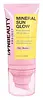
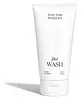
iNNBEAUTY PROJECT Mineral Sun Glow Broad Spectrum SPF 43 PA +++ Versus Doctor Rogers RESTORE® Face Wash
This hybrid sunscreen covers the full UV range and blocks ~98% of UVB at SPF 43.
This mild gel cleanser is made to cleanse without leaving your skin tight or dry.

What's inside
What's inside
 Key Ingredients
Benefits
Concerns
Ingredients Side-by-side
Zinc Oxide 14.28%
Cosmetic Colorant


Water
Skin ConditioningCaprylic/Capric Triglyceride
Masking


Propanediol
Solvent
Coco-Caprylate/Caprate
Emollient
Pentaerythrityl Tetraisostearate
Emollient

Dimethicone
Emollient

Butyloctyl Salicylate
Skin Conditioning
Glyceryl Stearate Citrate
Emollient
Squalane
Emollient
Polyglyceryl-3 Stearate
Emulsifying
Methyl Dihydroabietate
Capryloyl Glycerin/Sebacic Acid Copolymer
Skin ConditioningPalmitoyl Tripeptide-5
Skin Conditioning

Palmitoyl Tripeptide-1
Skin Conditioning
Palmitoyl Tetrapeptide-7
Skin Conditioning
Tetrahexyldecyl Ascorbate
Antioxidant




Oryza Sativa Extract
Absorbent

Oryza Sativa Germ Extract
EmollientNiacinamide
Smoothing

Superoxide Dismutase
Antioxidant
Resveratrol
Antioxidant
Bisabolol
Antioxidant
Allantoin
Skin Conditioning
Rhodomyrtus Tomentosa Fruit Extract
HumectantPongamia Pinnata Seed Extract
Skin ConditioningLeuconostoc/Radish Root Ferment Filtrate
Antimicrobial
Polygonum Aviculare Extract
EmollientGlycerin
Humectant
Butylene Glycol
Humectant
Phospholipids
Skin Conditioning
Sorbitol
Humectant
Sodium Lactate
Buffering
Serine
Masking
Urea
Buffering
1,2-Hexanediol
Skin Conditioning
Vp/Eicosene Copolymer
Polyglyceryl-3 Polyricinoleate
Emulsifying
Lecithin
Emollient
Polyhydroxystearic Acid
Emulsifying
Isostearic Acid
Cleansing

C12-15 Alkyl Benzoate
AntimicrobialXanthan Gum
EmulsifyingEthylene/Propylene/Styrene Copolymer
Polyglyceryl-3 Diisostearate
Emulsifying
Pentylene Glycol
Skin Conditioning
Polysilicone-11
Caprylhydroxamic Acid
Sodium Phytate
Lactic Acid
Buffering

Palmitic Acid
Emollient
Butylene/Ethylene/Styrene Copolymer
Sodium Chloride
MaskingCetearyl Olivate
Polyacrylate Crosspolymer-6
Emulsion StabilisingTocopherol
Antioxidant
Hydrogenated Lecithin
Emulsifying
Glycine Soja Oil
Emollient
Pentaerythrityl Tetra-Di-T-Butyl Hydroxyhydrocinnamate
Antioxidant
Sorbitan Laurate
Emulsifying
C18-36 Acid Triglyceride
EmollientC18-36 Acid Glycol Ester
EmollientIron Oxides
CI 77492
Cosmetic ColorantMica
Cosmetic ColorantTitanium Dioxide
Cosmetic Colorant
CI 77891
Cosmetic ColorantCI 77491
Cosmetic ColorantCI 77499
Cosmetic ColorantZinc Oxide 14.28%, Water, Caprylic/Capric Triglyceride, Propanediol, Coco-Caprylate/Caprate, Pentaerythrityl Tetraisostearate, Dimethicone, Butyloctyl Salicylate, Glyceryl Stearate Citrate, Squalane, Polyglyceryl-3 Stearate, Methyl Dihydroabietate, Capryloyl Glycerin/Sebacic Acid Copolymer, Palmitoyl Tripeptide-5, Palmitoyl Tripeptide-1, Palmitoyl Tetrapeptide-7, Tetrahexyldecyl Ascorbate, Oryza Sativa Extract, Oryza Sativa Germ Extract, Niacinamide, Superoxide Dismutase, Resveratrol, Bisabolol, Allantoin, Rhodomyrtus Tomentosa Fruit Extract, Pongamia Pinnata Seed Extract, Leuconostoc/Radish Root Ferment Filtrate, Polygonum Aviculare Extract, Glycerin, Butylene Glycol, Phospholipids, Sorbitol, Sodium Lactate, Serine, Urea, 1,2-Hexanediol, Vp/Eicosene Copolymer, Polyglyceryl-3 Polyricinoleate, Lecithin, Polyhydroxystearic Acid, Isostearic Acid, C12-15 Alkyl Benzoate, Xanthan Gum, Ethylene/Propylene/Styrene Copolymer, Polyglyceryl-3 Diisostearate, Pentylene Glycol, Polysilicone-11, Caprylhydroxamic Acid, Sodium Phytate, Lactic Acid, Palmitic Acid, Butylene/Ethylene/Styrene Copolymer, Sodium Chloride, Cetearyl Olivate, Polyacrylate Crosspolymer-6, Tocopherol, Hydrogenated Lecithin, Glycine Soja Oil, Pentaerythrityl Tetra-Di-T-Butyl Hydroxyhydrocinnamate, Sorbitan Laurate, C18-36 Acid Triglyceride, C18-36 Acid Glycol Ester, Iron Oxides, CI 77492, Mica, Titanium Dioxide, CI 77891, CI 77491, CI 77499

Reviews
Ingredients Explained
These ingredients are found in both products.
Ingredients higher up in an ingredient list are typically present in a larger amount.
Glycerin (or glycerol) is a compound naturally found in your skin. It's a powerhouse humectant that pulls water into the stratum corneum.
Topically, glycerin does several things at once:
Your skin makes glycerin on its own (mostly from sebaceous oil breakdown) and shuttles it to your outermost layer of skin, or your epidermis, via aquaporin-3.
Aquaporin-3 is a transporter that is essential for normal skin hydration, elasticity, and repair. Interestingly, mice lacking in AQP3 have dry and less elastic skin that can be fully corrected with glycerin.
This ingredient is non-irritating, plays well with almost every ingredient, and works across all skin types. Typical use is anywhere between 3-10% but can go up to 79% in some leave-on products.
Just know very high concentrations (>40%) can feel tacky in low humidity.
Glycerin is the name for this ingredient in American English. British English uses Glycerol/Glycerine.
Learn more about GlycerinLeuconostoc/Radish Root Ferment Filtrate is a natural preservative. It comes from fermenting radish roots with a bacteria called leuconostoc. The trade name for this ingredient is Leucidal.
Leuconostoc comes from lactic acid.
This ingredient has antimicrobial properties and helps prevent the growth of bacteria in a product.
Leuconostoc is used to make the traditional Korean side-dish, kimchi. It is also used to make sourdough bread (both incredibly yummy foods).
Learn more about Leuconostoc/Radish Root Ferment FiltrateTocopherol is a fat-soluble antioxidant known as Vitamin E.
You'll find this ingredient in the vast majority of skincare (for good reason). It works to neutralize free radicals, or unstable molecules generated by UV exposure, pollution, and other environmental stressors, before they can cause oxidative damage to your skin cells.
Topically applied tocopherol has been shown to protect against UV damage by ramping up the skin's own natural defense enzymes.
It also acts as a skin conditioning agent; some studies show that regular topical use can improve the skin's water-binding capacity over 2-4 weeks.
This ingredient is especially loved for being a team player. When combined with Vitamin C, the photoprotective effect of both ingredients roughly doubles and the combo also helps reduce UV-induced DNA damage.
This ingredient has some brightening potential but it's more of a prevention ingredient than spot-fader. Cell studies show it can slow down melanin production but it's worth noting that it's not the most powerful brightener out there.
In formulations, it also serves as a stabilizer that helps protect other oxidation-prone ingredients from degrading.
Concentrations usually range from 0.1-1% in most leave-on products.
Learn more about TocopherolXanthan gum is used as a stabilizer and thickener within cosmetic products. It helps give products a sticky, thick feeling - preventing them from being too runny.
On the technical side of things, xanthan gum is a polysaccharide - a combination consisting of multiple sugar molecules bonded together.
Xanthan gum is a pretty common and great ingredient. It is a natural, non-toxic, non-irritating ingredient that is also commonly used in food products.
Learn more about Xanthan Gum

