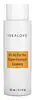
This barrier-repair essence is formulated around Galactomyces Ferment Filtrate and Bifida Ferment Lysate to strengthen the skin barrier and soften the look of wrinkles.
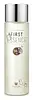
This hydrating essence is formulated around Galactomyces Ferment Filtrate and Niacinamide to hydrate skin and soften the look of wrinkles.

What's inside
What's inside
 Key Ingredients
Benefits
Concerns
Ingredients Side-by-side
Galactomyces Ferment Filtrate
Humectant







Water
Skin ConditioningButylene Glycol
Humectant
Pentylene Glycol
Skin Conditioning
1,2-Hexanediol
Skin Conditioning
Bifida Ferment Lysate
Skin Conditioning
Lactobacillus Ferment
Skin Conditioning
Tripeptide-1
Skin Conditioning
Palmitoyl Tripeptide-1
Skin Conditioning

Palmitoyl Pentapeptide-4
Skin Conditioning
Hexapeptide-9
Skin Conditioning
Hexapeptide-11
Skin Conditioning
Copper Tripeptide-1
Skin Conditioning
Soluble Proteoglycan
Skin ConditioningPolygonum Cuspidatum Root Extract
Antioxidant
Centella Asiatica Extract
Cleansing
Scutellaria Baicalensis Root Extract
Astringent
Sodium Hyaluronate
Humectant
Glycyrrhiza Glabra Root Extract
Bleaching
Camellia Sinensis Leaf Extract
Antimicrobial

Panthenol
Skin Conditioning
Ceramide Ns
Skin Conditioning
Ceramide As
Skin Conditioning
Ceramide AP
Skin Conditioning
Ceramide NP
Skin Conditioning
Ceramide EOP
Skin Conditioning
Betaine
Humectant
Propanediol
Solvent
Allantoin
Skin Conditioning
Adenosine
Skin Conditioning
Hydrogenated Lecithin
Emulsifying
Rosmarinus Officinalis Leaf Extract
AntimicrobialChamomilla Recutita Flower Extract
Masking
Phytosphingosine
Skin Conditioning
Cholesterol
Emollient
Glycerin
Humectant
Cetearyl Alcohol
Emollient




Stearic Acid
Cleansing
Polyglyceryl-10 Laurate
Skin Conditioning
Xanthan Gum
EmulsifyingCaprylyl Glycol
Emollient
Galactomyces Ferment Filtrate, Water, Butylene Glycol, Pentylene Glycol, 1,2-Hexanediol, Bifida Ferment Lysate, Lactobacillus Ferment, Tripeptide-1, Palmitoyl Tripeptide-1, Palmitoyl Pentapeptide-4, Hexapeptide-9, Hexapeptide-11, Copper Tripeptide-1, Soluble Proteoglycan, Polygonum Cuspidatum Root Extract, Centella Asiatica Extract, Scutellaria Baicalensis Root Extract, Sodium Hyaluronate, Glycyrrhiza Glabra Root Extract, Camellia Sinensis Leaf Extract, Panthenol, Ceramide Ns, Ceramide As, Ceramide AP, Ceramide NP, Ceramide EOP, Betaine, Propanediol, Allantoin, Adenosine, Hydrogenated Lecithin, Rosmarinus Officinalis Leaf Extract, Chamomilla Recutita Flower Extract, Phytosphingosine, Cholesterol, Glycerin, Cetearyl Alcohol, Stearic Acid, Polyglyceryl-10 Laurate, Xanthan Gum, Caprylyl Glycol
Galactomyces Ferment Filtrate
Humectant
Butylene Glycol
Humectant
1,2-Hexanediol
Skin Conditioning
Niacinamide
Smoothing

Glycerin
Humectant
PEG-60 Hydrogenated Castor Oil
Emulsifying
Water
Skin ConditioningEthylhexylglycerin
Skin ConditioningAdenosine
Skin Conditioning
Carbomer
Emulsion StabilisingXanthan Gum
EmulsifyingTromethamine
BufferingTrehalose
Humectant
Cananga Odorata Flower Oil
Masking



Juniperus Mexicana Oil
Masking
Dextrin
AbsorbentTheobroma Cacao Extract
Skin ConditioningEucalyptus Globulus Leaf Oil
Perfuming
Sodium Hyaluronate
Humectant
Coriandrum Sativum Fruit Oil
Masking
Biosaccharide Gum-4
Skin Conditioning
Caprylic/Capric Triglyceride
Masking
Phosphatidylcholine
EmulsifyingCeramide NP
Skin Conditioning
Glycine
Buffering
Glutamic Acid
Humectant
Serine
Masking
Lysine
Skin ConditioningAlanine
Masking
Arginine
Masking
Threonine
Proline
Skin Conditioning
Galactomyces Ferment Filtrate, Butylene Glycol, 1,2-Hexanediol, Niacinamide, Glycerin, PEG-60 Hydrogenated Castor Oil, Water, Ethylhexylglycerin, Adenosine, Carbomer, Xanthan Gum, Tromethamine, Trehalose, Cananga Odorata Flower Oil, Juniperus Mexicana Oil, Dextrin, Theobroma Cacao Extract, Eucalyptus Globulus Leaf Oil, Sodium Hyaluronate, Coriandrum Sativum Fruit Oil, Biosaccharide Gum-4, Caprylic/Capric Triglyceride, Phosphatidylcholine, Ceramide NP, Glycine, Glutamic Acid, Serine, Lysine, Alanine, Arginine, Threonine, Proline
Reviews
Ingredients Explained
These ingredients are found in both products.
Ingredients higher up in an ingredient list are typically present in a larger amount.
1,2-Hexanediol is a synthetic liquid and another multi-functional powerhouse.
It is a:
- Humectant, drawing moisture into the skin
- Emollient, helping to soften skin
- Solvent, dispersing and stabilizing formulas
- Preservative booster, enhancing the antimicrobial activity of other preservatives
Adenosine is a purine nucleoside that your body already makes in every cell. In skincare, it acts mainly as a skin conditioning and anti-aging agent.
The way it works is fairly well mapped out:
Your skin has cells called fibroblasts that build collagen (the stuff that keeps skin firm and smooth). Adenosine basically flips a switch on these cells that tells them to get to work making more collagen and other proteins. These cells slow down on their own as skin ages, so Adenosine helps give them a little nudge to keep going.
The clinical backing is pretty solid too.
A blind, randomized, placebo-controlled trial of 126 women aged 45-65 tested a 0.1% cream twice daily and found real improvements in crow's feet and frown lines using a precise 3D skin-mapping technique; these changes showed up by week 3 and held at 2 months.
A later study using Adenosine-loaded dissolving microneedle patches reported gains in wrinkle depth, dermal density, elasticity, and hydration.
On concentrations, South Korea's Ministry of Food and Drug Safety has set 0.04% as the approved functional anti-wrinkle level. You'll typically see this ingredient used somewhere in the 0.04-0.1% range since it works at low doses.
This ingredient has been found safe for cosmetics with the data showing no irritation or sensitization.
Overall, this is a great ingredient for any anti-aging routine and has no photosensitizing effect, so it suits both AM and PM use.
Learn more about AdenosineButylene Glycol (or BG) is used within cosmetic products for a few different reasons:
Overall, Butylene Glycol is a safe and well-rounded ingredient that works well with other ingredients.
Though this ingredient works well with most skin types, some people with sensitive skin may experience a reaction such as allergic rashes, closed comedones, or itchiness.
Learn more about Butylene GlycolCeramide NP (formerly known as Ceramide 3) is one of the skin's naturally occurring lipids.
Since ceramides are the major lipid components of the skin, they are crucial for maintaining skin barrier and hydration. Ceramide NP most closely mirrors the dominant kind in human skin amongst ceramide subtypes.
This ceramide works by slotting into gaps within the stratum corneum's lipid matrix to limit trans-epidermal water loss (TEWL) and shield the skin against external irritants.
A study with 312 patients found that using a ceramide-containing routine for 4 weeks reduced the severity of atopic dermatitis by over 61%.
Another clinical study in subjects aged 60 and older found that a ceramide body wash and moisturizer improved skin dryness and itchy skin in 15 days.
Overall, ceramides are considered non-irritating and safety tests have found little to no observable adverse effects from using this ingredient.
Ceramide NP is usually sourced from plants (like soybean or rice bran), or produced synthetically.
Learn more about Ceramide NPGalactomyces Ferment Filtrate (GFF) is a byproduct of fermenting Galactomyces yeast (the same yeast traditionally used to brew sake, Japan's beloved rice wine).
Sake brewers have long been known for their remarkably youthful hands. This is what actually first sparked scientific interest in GFF's skin benefits.
GFF works by stimulating filaggrin production in the skin. Filaggrin is a protein that binds structural proteins in the outer skin layer together to form a tight barrier that shields against allergens, bacteria, and moisture loss.
It's also a key building block of our natural moisturizing factors (NMF), or the network of compounds that keep skin plump and hydrated.
By boosting filaggrin, GFF helps strengthen both our barrier and our skin's ability to retain moisture.
Beyond hydration, GFF has notable antioxidant properties that help protect against oxidative stress and UV-induced inflammation.
Research also suggests it may help regulate sebum and keratin production. This could be an interesting option for those concerned about oiliness or skin texture.
Fungal acne:
This ingredient doesn't contain fatty acids or oils that could feed Malassezia, and the yeast used to make it (Galactomyces) is a different genera of fungi from Malassezia. The presence of one doesn't stimulate the other.
However, there is a concern raised by some communities that this ingredient could trigger a reaction in people who are broadly sensitive to yeast/fungal-derived ingredients.
Learn more about Galactomyces Ferment FiltrateGlycerin (or glycerol) is a compound naturally found in your skin. It's a powerhouse humectant that pulls water into the stratum corneum.
Topically, glycerin does several things at once:
Your skin makes glycerin on its own (mostly from sebaceous oil breakdown) and shuttles it to your outermost layer of skin, or your epidermis, via aquaporin-3.
Aquaporin-3 is a transporter that is essential for normal skin hydration, elasticity, and repair. Interestingly, mice lacking in AQP3 have dry and less elastic skin that can be fully corrected with glycerin.
This ingredient is non-irritating, plays well with almost every ingredient, and works across all skin types. Typical use is anywhere between 3-10% but can go up to 79% in some leave-on products.
Just know very high concentrations (>40%) can feel tacky in low humidity.
Glycerin is the name for this ingredient in American English. British English uses Glycerol/Glycerine.
Learn more about GlycerinSodium Hyaluronate is the salt form of hyaluronic acid. It is a long sugar chain that is naturally found in your skin, joints, and connective tissue that maintains hydration and elasticity.
In skincare, it works as a humectant. It pulls water from the environment and deeper layers of skin and binds it to the surface.
Interestingly, the size of the molecule affects its behavior:
Some clinical evidence links low molecular weight versions to improved wrinkle depth, elasticity, anti-inflammatory effects, and barrier repair.
Many serums use a blend of both weights so you can get surface hydration plus longer-lasting and deeper effects.
You'll typically see concentrations between 0.1-2% for this ingredient.
Learn more about Sodium HyaluronateWater. It's the most common cosmetic ingredient of all. You'll usually see it at the top of ingredient lists, meaning that it makes up the largest part of the product.
So why is it so popular? Water most often acts as a solvent - this means that it helps dissolve other ingredients into the formulation.
You'll also recognize water as that liquid we all need to stay alive. If you see this, drink a glass of water. Remember to stay hydrated!
Learn more about WaterXanthan gum is used as a stabilizer and thickener within cosmetic products. It helps give products a sticky, thick feeling - preventing them from being too runny.
On the technical side of things, xanthan gum is a polysaccharide - a combination consisting of multiple sugar molecules bonded together.
Xanthan gum is a pretty common and great ingredient. It is a natural, non-toxic, non-irritating ingredient that is also commonly used in food products.
Learn more about Xanthan Gum

