Hydrinity Prelude Facial Treatment Cleanser Versus Clearstem Skincare Gentleclean Hydrating Barrier Cleanser
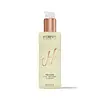
This gel cleanser uses mild cleansing ingredients, but contains alcohol that may feel drying for some.
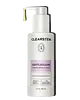
This mild gel cleanser is made to cleanse without leaving your skin tight or dry.

What's inside
What's inside
 Key Ingredients
Benefits
Concerns
Ingredients Side-by-side
Water
Skin ConditioningPropanediol
Solvent

Sodium Lauroyl Methyl Isethionate
CleansingCocamidopropyl Betaine
Cleansing



Sodium Methyl Oleoyl Taurate
CleansingFulvic Acid
Skin ConditioningCocamidopropyl Hydroxysultaine
Cleansing
Coco-Glucoside
Cleansing
Lauryl Glucoside
CleansingGlycerin
Humectant
Aloe Barbadensis Leaf Juice
Skin Conditioning

Tocopherol
Antioxidant




Panthenol
Skin Conditioning
Salvia Hispanica Seed Extract
Emollient
Helianthus Annuus Seed Oil
Emollient

Anthemis Nobilis Flower Oil
Masking

Simmondsia Chinensis Seed Oil
Emollient
Ethylhexylglycerin
Skin ConditioningXylitol
Humectant
Tetrasodium Glutamate Diacetate
ChelatingCaprylyl Glycol
Emollient
Sodium Cocoyl Glycinate
Cleansing
Polysorbate 20
Emulsifying
Galactoarabinan
Trehalose
Humectant
Coconut Acid
Cleansing
Sorbitol
Humectant
Citrus Paradisi Peel Oil
Masking
Sodium Benzoate
Masking
Sodium Chloride
MaskingSodium Phosphate
BufferingRosa Canina Seed Oil
Emollient
Caprylhydroxamic Acid
ChelatingArachis Hypogaea Oil
Skin Conditioning
Benzyl Alcohol
Perfuming


1,2-Hexanediol
Skin Conditioning
Lavandula Angustifolia Oil
Masking
Citrus Aurantifolia Oil
Cleansing
Litsea Cubeba Fruit Oil
Masking
Limonene
Perfuming
Phenoxyethanol
Preservative
Aminopropanol
Myrcene
Perfuming
Water, Propanediol, Sodium Lauroyl Methyl Isethionate, Cocamidopropyl Betaine, Sodium Methyl Oleoyl Taurate, Fulvic Acid, Cocamidopropyl Hydroxysultaine, Coco-Glucoside, Lauryl Glucoside, Glycerin, Aloe Barbadensis Leaf Juice, Tocopherol, Panthenol, Salvia Hispanica Seed Extract, Helianthus Annuus Seed Oil, Anthemis Nobilis Flower Oil, Simmondsia Chinensis Seed Oil, Ethylhexylglycerin, Xylitol, Tetrasodium Glutamate Diacetate, Caprylyl Glycol, Sodium Cocoyl Glycinate, Polysorbate 20, Galactoarabinan, Trehalose, Coconut Acid, Sorbitol, Citrus Paradisi Peel Oil, Sodium Benzoate, Sodium Chloride, Sodium Phosphate, Rosa Canina Seed Oil, Caprylhydroxamic Acid, Arachis Hypogaea Oil, Benzyl Alcohol, 1,2-Hexanediol, Lavandula Angustifolia Oil, Citrus Aurantifolia Oil, Litsea Cubeba Fruit Oil, Limonene, Phenoxyethanol, Aminopropanol, Myrcene
Water
Skin ConditioningAloe Barbadensis Leaf Extract
Emollient
Decyl Glucoside
Cleansing
Cocamidopropyl Hydroxysultaine
Cleansing
Sodium Lauryl Sulfoacetate
CleansingDisodium Laureth Sulfosuccinate
CleansingGlycerin
Humectant
Sodium Methyl Cocoyl Taurate
Cleansing
Coco-Glucoside
Cleansing
Glyceryl Oleate
Emollient
Sodium Cocoyl Isethionate
Cleansing
Citrus Nobilis Peel Oil
Masking
Propanediol
Solvent
Tremella Fuciformis Sporocarp Extract
Antioxidant
Betaine
Humectant
Sodium Ascorbyl Phosphate
Antioxidant


Gluconolactone
Chelating


Sclerotium Gum
Emulsion StabilisingXanthan Gum
EmulsifyingHydroxyacetophenone
Antioxidant
Tetrasodium Glutamate Diacetate
ChelatingNiacinamide
Smoothing
Panthenol
Skin Conditioning
Citrus Aurantifolia Oil
Cleansing
Prunus Serrulata Flower Extract
Skin ConditioningLactic Acid
Buffering
Allantoin
Skin Conditioning
Citrus Reticulata Peel Oil
Masking
Glycyrrhiza Glabra Root Extract
Bleaching
Hippophae Rhamnoides Seed Oil
Skin Protecting
Arnica Montana Flower Extract
Masking
Camellia Sinensis Leaf Extract
Antimicrobial
Magnesium PCA
Humectant
Copper PCA
HumectantZinc PCA
Humectant
Glucosyl Hesperidin
HumectantHelianthus Annuus Seed Oil
Emollient
Capsaicin
Masking
Tocopherol
Antioxidant
Citric Acid
Buffering
Phenethyl Alcohol
MaskingPentylene Glycol
Skin Conditioning
Water, Aloe Barbadensis Leaf Extract, Decyl Glucoside, Cocamidopropyl Hydroxysultaine, Sodium Lauryl Sulfoacetate, Disodium Laureth Sulfosuccinate, Glycerin, Sodium Methyl Cocoyl Taurate, Coco-Glucoside, Glyceryl Oleate, Sodium Cocoyl Isethionate, Citrus Nobilis Peel Oil, Propanediol, Tremella Fuciformis Sporocarp Extract, Betaine, Sodium Ascorbyl Phosphate, Gluconolactone, Sclerotium Gum, Xanthan Gum, Hydroxyacetophenone, Tetrasodium Glutamate Diacetate, Niacinamide, Panthenol, Citrus Aurantifolia Oil, Prunus Serrulata Flower Extract, Lactic Acid, Allantoin, Citrus Reticulata Peel Oil, Glycyrrhiza Glabra Root Extract, Hippophae Rhamnoides Seed Oil, Arnica Montana Flower Extract, Camellia Sinensis Leaf Extract, Magnesium PCA, Copper PCA, Zinc PCA, Glucosyl Hesperidin, Helianthus Annuus Seed Oil, Capsaicin, Tocopherol, Citric Acid, Phenethyl Alcohol, Pentylene Glycol
Ingredients Explained
These ingredients are found in both products.
Ingredients higher up in an ingredient list are typically present in a larger amount.
This ingredient is also known as lime essential oil or key lime essential oil.
Like other citrus extracts and oils, this ingredient contains furanocoumarins that can cause phototoxicity.
Cocamidopropyl Hydroxysultaine is a synthetic cleansing agent, though it is derived from coconut oil.
It is used to enhance the texture of products by boosting lather and thickening the texture. As a cleanser, Cocamidopropyl Hydroxysultaine is mild.
Coco-Glucoside is a surfactant, or a cleansing ingredient. It is made from glucose and coconut oil.
Surfactants help gather dirt, oil, and other pollutants from your skin to be rinsed away.
This ingredient is considered gentle and non-comedogenic. However, it may still be irritating for some.
Learn more about Coco-GlucosideGlycerin (or glycerol) is a compound naturally found in your skin. It's a powerhouse humectant that pulls water into the stratum corneum.
Topically, glycerin does several things at once:
Your skin makes glycerin on its own (mostly from sebaceous oil breakdown) and shuttles it to your outermost layer of skin, or your epidermis, via aquaporin-3.
Aquaporin-3 is a transporter that is essential for normal skin hydration, elasticity, and repair. Interestingly, mice lacking in AQP3 have dry and less elastic skin that can be fully corrected with glycerin.
This ingredient is non-irritating, plays well with almost every ingredient, and works across all skin types. Typical use is anywhere between 3-10% but can go up to 79% in some leave-on products.
Just know very high concentrations (>40%) can feel tacky in low humidity.
Glycerin is the name for this ingredient in American English. British English uses Glycerol/Glycerine.
Learn more about GlycerinHelianthus Annuus Seed Oil is a plant oil derived from the seeds of a sunflower.
It is rich in fatty acids, primarily linoleic acid and oleic acid. This gives it emollient and skin conditioning properties.
The reason this ingredient is so effective is because it forms a thin film on the skin that reduces transepidermal water loss (TEWL) while supplying linoleic acid to the stratum corneum to improve barrier strength.
The high linoleic acid content is particularly noteworthy for acne-prone skin.
Research suggests that acne-prone skin tends to be deficient in linoleic acid in sebum. Topical application may help replenish this to support a healthier follicular environment and less comedone-promoting sebum.
One randomized study found sunflower seed oil preserved skin barrier integrity in adult volunteers with and without atopic dermatitis (outperforming olive oil).
This ingredient is well-studied, gentle, and an effective emollient suitable for most skin types.
On fungal acne: This ingredient may not be Fungal acne (Malassezia folliculitis) safe. This is because it contains fatty acids with carbon chain lengths in the C11-C24 range.
Learn more about Helianthus Annuus Seed OilPanthenol is a common ingredient that helps hydrate and soothe the skin. It is found naturally in our skin and hair.
There are two forms of panthenol: D and L.
D-panthenol is also known as dexpanthenol. Most cosmetics use dexpanthenol or a mixture of D and L-panthenol.
Panthenol is famous due to its ability to go deeper into the skin's layers. Using this ingredient has numerous pros (and no cons):
Like hyaluronic acid, panthenol is a humectant. Humectants are able to bind and hold large amounts of water to keep skin hydrated.
This ingredient works well for wound healing. It works by increasing tissue in the wound and helps close open wounds.
Once oxidized, panthenol converts to pantothenic acid. Panthothenic acid is found in all living cells.
This ingredient is also referred to as pro-vitamin B5.
Learn more about PanthenolPropanediol is an all-star ingredient. It softens, hydrates, and smooths the skin.
It’s often used to:
Propanediol is not likely to cause sensitivity and considered safe to use. It is derived from corn or petroleum with a clear color and no scent.
Learn more about PropanediolTetrasodium Glutamate Diacetate is a chelating agent. Chelating agents help prevent metal ions from binding to other ingredients. This helps prevent unwanted effects and reactions from a product. These metal ions may come from water and are found in miniscule amounts.
Tetrasodium Glutamate Diacetate can also help other preservatives be more effective.
Tocopherol is a fat-soluble antioxidant known as Vitamin E.
You'll find this ingredient in the vast majority of skincare (for good reason). It works to neutralize free radicals, or unstable molecules generated by UV exposure, pollution, and other environmental stressors, before they can cause oxidative damage to your skin cells.
Topically applied tocopherol has been shown to protect against UV damage by ramping up the skin's own natural defense enzymes.
It also acts as a skin conditioning agent; some studies show that regular topical use can improve the skin's water-binding capacity over 2-4 weeks.
This ingredient is especially loved for being a team player. When combined with Vitamin C, the photoprotective effect of both ingredients roughly doubles and the combo also helps reduce UV-induced DNA damage.
This ingredient has some brightening potential but it's more of a prevention ingredient than spot-fader. Cell studies show it can slow down melanin production but it's worth noting that it's not the most powerful brightener out there.
In formulations, it also serves as a stabilizer that helps protect other oxidation-prone ingredients from degrading.
Concentrations usually range from 0.1-1% in most leave-on products.
Learn more about TocopherolWater. It's the most common cosmetic ingredient of all. You'll usually see it at the top of ingredient lists, meaning that it makes up the largest part of the product.
So why is it so popular? Water most often acts as a solvent - this means that it helps dissolve other ingredients into the formulation.
You'll also recognize water as that liquid we all need to stay alive. If you see this, drink a glass of water. Remember to stay hydrated!
Learn more about Water

