This gel cleanser uses mild cleansing ingredients, but contains alcohol that may feel drying for some.
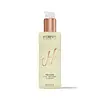
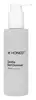
This mild gel cleanser is made to cleanse while calming and soothing your skin.

What's inside
What's inside
 Key Ingredients
Benefits
Concerns
Ingredients Side-by-side
Water
Skin ConditioningPropanediol
Solvent

Sodium Lauroyl Methyl Isethionate
CleansingCocamidopropyl Betaine
Cleansing



Sodium Methyl Oleoyl Taurate
CleansingFulvic Acid
Skin ConditioningCocamidopropyl Hydroxysultaine
Cleansing
Coco-Glucoside
Cleansing
Lauryl Glucoside
CleansingGlycerin
Humectant
Aloe Barbadensis Leaf Juice
Skin Conditioning

Tocopherol
Antioxidant




Panthenol
Skin Conditioning
Salvia Hispanica Seed Extract
Emollient
Helianthus Annuus Seed Oil
Emollient

Anthemis Nobilis Flower Oil
Masking

Simmondsia Chinensis Seed Oil
Emollient
Ethylhexylglycerin
Skin ConditioningXylitol
Humectant
Tetrasodium Glutamate Diacetate
ChelatingCaprylyl Glycol
Emollient
Sodium Cocoyl Glycinate
Cleansing
Polysorbate 20
Emulsifying
Galactoarabinan
Trehalose
Humectant
Coconut Acid
Cleansing
Sorbitol
Humectant
Citrus Paradisi Peel Oil
Masking
Sodium Benzoate
Masking
Sodium Chloride
MaskingSodium Phosphate
BufferingRosa Canina Seed Oil
Emollient
Caprylhydroxamic Acid
ChelatingArachis Hypogaea Oil
Skin Conditioning
Benzyl Alcohol
Perfuming


1,2-Hexanediol
Skin Conditioning
Lavandula Angustifolia Oil
Masking
Citrus Aurantifolia Oil
Cleansing
Litsea Cubeba Fruit Oil
Masking
Limonene
Perfuming
Phenoxyethanol
Preservative
Aminopropanol
Myrcene
Perfuming
Water, Propanediol, Sodium Lauroyl Methyl Isethionate, Cocamidopropyl Betaine, Sodium Methyl Oleoyl Taurate, Fulvic Acid, Cocamidopropyl Hydroxysultaine, Coco-Glucoside, Lauryl Glucoside, Glycerin, Aloe Barbadensis Leaf Juice, Tocopherol, Panthenol, Salvia Hispanica Seed Extract, Helianthus Annuus Seed Oil, Anthemis Nobilis Flower Oil, Simmondsia Chinensis Seed Oil, Ethylhexylglycerin, Xylitol, Tetrasodium Glutamate Diacetate, Caprylyl Glycol, Sodium Cocoyl Glycinate, Polysorbate 20, Galactoarabinan, Trehalose, Coconut Acid, Sorbitol, Citrus Paradisi Peel Oil, Sodium Benzoate, Sodium Chloride, Sodium Phosphate, Rosa Canina Seed Oil, Caprylhydroxamic Acid, Arachis Hypogaea Oil, Benzyl Alcohol, 1,2-Hexanediol, Lavandula Angustifolia Oil, Citrus Aurantifolia Oil, Litsea Cubeba Fruit Oil, Limonene, Phenoxyethanol, Aminopropanol, Myrcene
Water
Skin ConditioningSodium Laurylglucosides Hydroxypropylsulfonate
CleansingCocamidopropyl Hydroxysultaine
Cleansing
Sodium Methyl Cocoyl Taurate
Cleansing
Glycerin
Humectant
Sodium Chloride
MaskingSorbitol
Humectant
Sodium Lauryl Glucose Carboxylate
CleansingLauryl Glucoside
CleansingCalendula Officinalis Flower Extract
Masking
Chamomilla Recutita Flower Extract
Masking
Lavandula Angustifolia Oil
Masking
Lavandula Hybrida Oil
Emollient
Pelargonium Graveolens Flower Oil
Masking
Pogostemon Cablin Leaf Oil
Masking
Anthemis Nobilis Flower Oil
Masking
Cymbopogon Martini Oil
Masking
Abies Sibirica Oil
Masking
Gluconolactone
Chelating




Potassium Sorbate
Preservative
Sodium Benzoate
Masking
Coconut Acid
Cleansing
Sodium Citrate
BufferingCitric Acid
Buffering
Sorbic Acid
Preservative
Sodium Methyltaurate
Skin ConditioningLinalool
Perfuming
Linalyl Acetate
Masking
Water, Sodium Laurylglucosides Hydroxypropylsulfonate, Cocamidopropyl Hydroxysultaine, Sodium Methyl Cocoyl Taurate, Glycerin, Sodium Chloride, Sorbitol, Sodium Lauryl Glucose Carboxylate, Lauryl Glucoside, Calendula Officinalis Flower Extract, Chamomilla Recutita Flower Extract, Lavandula Angustifolia Oil, Lavandula Hybrida Oil, Pelargonium Graveolens Flower Oil, Pogostemon Cablin Leaf Oil, Anthemis Nobilis Flower Oil, Cymbopogon Martini Oil, Abies Sibirica Oil, Gluconolactone, Potassium Sorbate, Sodium Benzoate, Coconut Acid, Sodium Citrate, Citric Acid, Sorbic Acid, Sodium Methyltaurate, Linalool, Linalyl Acetate
Reviews
Ingredients Explained
These ingredients are found in both products.
Ingredients higher up in an ingredient list are typically present in a larger amount.
This oil is created by distilling the dried flower heads of the Roman Chamomile flower.
Chamomile is rich in antioxidants and has anti-inflammatory properties. Several compounds found in chamomile help with soothing, such as bisbolol.
Cocamidopropyl Hydroxysultaine is a synthetic cleansing agent, though it is derived from coconut oil.
It is used to enhance the texture of products by boosting lather and thickening the texture. As a cleanser, Cocamidopropyl Hydroxysultaine is mild.
Coconut acid is a mixture of fatty acids obtains by hydrolyzing coconut oil and then distilling the fatty acid portion. It works as a cleansing surfactant, emollient, and emulsifier depending on the formulation.
This ingredient is not a single compound but reflects the fatty acid profile of coconut oil itself, which is about 90% saturated.
The dominant fatty acid is lauric acid (44-54%) and then myristic acid (13-19%). There are also small amounts of caprylic, capric, palmitic, oleic, and linoleic acids.
Human testing from CIR has shown no indication this ingredient to be a primary irritant, sensitizer, or phototoxic compound. It's COSMOS-approved for natural and organic products.
Due to the fatty acid content, this ingredient may not be fungal acne safe. Research has confirmed Malassezia can use lauric acid as a food source.
Learn more about Coconut AcidGlycerin (or glycerol) is a compound naturally found in your skin. It's a powerhouse humectant that pulls water into the stratum corneum.
Topically, glycerin does several things at once:
Your skin makes glycerin on its own (mostly from sebaceous oil breakdown) and shuttles it to your outermost layer of skin, or your epidermis, via aquaporin-3.
Aquaporin-3 is a transporter that is essential for normal skin hydration, elasticity, and repair. Interestingly, mice lacking in AQP3 have dry and less elastic skin that can be fully corrected with glycerin.
This ingredient is non-irritating, plays well with almost every ingredient, and works across all skin types. Typical use is anywhere between 3-10% but can go up to 79% in some leave-on products.
Just know very high concentrations (>40%) can feel tacky in low humidity.
Glycerin is the name for this ingredient in American English. British English uses Glycerol/Glycerine.
Learn more about GlycerinLauryl Glucoside sugar- and lipid-based cleansing agent. It is created from glucose and lauryl alcohol.
This ingredient is a surfactant, making it easier to rinse oil, dirt, and other pollutants away.
A British study found lauryl glucoside to cause skin sensitivity for some people. We recommend speaking with a professional if you have concerns.
Other names for this ingredient include "Lauryl Polyglucose", "Lauryl glycoside", and "D-Glucopyranoside".
Learn more about Lauryl GlucosideLavandula Angustifolia Oil is more commonly known as lavender essential oil. It is considered a fragrancing ingredient.
Lavender imparts a famous scent. While the smell is lovely, this ingredient and may sensitize skin in topical products. This is because about 85% of the oil is made up of linalool and linalyl acetate.
When exposed to air, these two compounds become strong allergens. This ingredient exhibits cytotoxicity at low concentrations; amounts of 0.25% have been shown to damage skin cells.
A study from Japan found this ingredient caused lavender sensitivity after widespread exposure.
Lavender essential oil has some antimicrobial, antibacterial, and anti-inflammatory properties. However, the cons of this ingredient may outweight the pros.
More research is needed to confirm lavender essential oil's effects when used in aromatherapy.
Lavandula Angustifolia is known as the English Lavender and famous for creating purple fields in Provence, France.
Learn more about Lavandula Angustifolia OilSodium Benzoate is a preservative. It's used in both cosmetic and food products to inhibit the growth of mold and bacteria. It is typically produced synthetically.
Both the US FDA and EU Health Committee have approved the use of sodium benzoate. In the US, levels of 0.1% (of the total product) are allowed.
Sodium benzoate works as a preservative by inhibiting the growth of bacteria inside of cells. It prevents the cell from fermenting a type of sugar using an enzyme called phosphofructokinase.
It is the salt of benzoic acid. Foods containing sodium benzoate include soda, salad dressings, condiments, fruit juices, wines, and snack foods.
Studies for using ascorbic acid and sodium benzoate in cosmetics are lacking, especially in skincare routines with multiple steps.
We always recommend speaking with a professional, such as a dermatologist, if you have any concerns.
Learn more about Sodium BenzoateChances are, you eat sodium chloride every day. Sodium Chloride is also known as table salt. This ingredient has many purposes in skincare: thickener, emulsifier, and exfoliator.
You'll most likely find this ingredient in cleansers where it is used to create a gel-like texture. As an emulsifier, it also prevents ingredients from separating.
You might see people debate whether Sodium Chloride is comedogenic, but there actually haven't been any comedogenic tests done on it. Either way, the overall formulation of a product matters a lot more than any single ingredient.
You might see this ingredient used in scrubs as a primary exfoliating ingredient.
Learn more about Sodium ChlorideSorbitol is a sugar alcohol. It is a hydrating and moisturizing agent created from the reduction process of glucose.
Most sorbitol is usually made from potato starch. It is also found in fruits such as apples and pears.
As a humectant, Sorbitol helps draw water to the skin. This helps keep the skin hydrated. Sorbitol also helps create a thicker texture in products. You might find sorbitol in your toothpaste and other gels.
It is a non-irritating ingredient that is great for those with dry skin.
Sorbitol is a prebiotic. It helps promote the growth of healthy bacteria on your skin. The bacteria on your skin form a microbiome. This microbiome helps protect your skin from infection and harmful bacteria.
Learn more about SorbitolWater. It's the most common cosmetic ingredient of all. You'll usually see it at the top of ingredient lists, meaning that it makes up the largest part of the product.
So why is it so popular? Water most often acts as a solvent - this means that it helps dissolve other ingredients into the formulation.
You'll also recognize water as that liquid we all need to stay alive. If you see this, drink a glass of water. Remember to stay hydrated!
Learn more about Water

