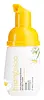
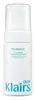
Huangjisoo Pure Foaming Cleanser Anti-Trouble Chamomile Versus Dear, Klairs Rich Moist Foaming Cleanser
This mild foaming cleanser is made to cleanse while calming and soothing your skin.

What's inside
What's inside
 Key Ingredients
Benefits
Concerns
Ingredients Side-by-side
Sodium Cocoyl Apple Amino Acids
Foam Boosting
Water
Skin ConditioningAesculus Hippocastanum Extract
Antioxidant
Phaseolus Radiatus Seed Extract
Skin ConditioningChamomilla Recutita Flower Extract
Masking


Diospyros Kaki Leaf Extract
Skin Protecting
Centella Asiatica Extract
Cleansing


Allium Sativum Bulb Extract
Skin ConditioningLycium Chinense Fruit Extract
Antioxidant
Aloe Barbadensis Leaf Extract
Emollient
Trehalose
Humectant
Morus Alba Leaf Extract
Skin ConditioningCitrus Paradisi Fruit Extract
Skin ConditioningGlycerin
Humectant
Glycyrrhiza Glabra Root Extract
Bleaching

Magnolia Kobus Bark Extract
Skin ConditioningPlantago Asiatica Extract
Skin ConditioningLavandula Angustifolia Extract
Skin Conditioning

Sophora Angustifolia Root Extract
Skin ConditioningHouttuynia Cordata Extract
Skin Conditioning
Taraxacum Officinale Extract
Skin ConditioningArctium Lappa Root Extract
Skin Conditioning
Ginkgo Biloba Leaf Extract
Skin Conditioning
Portulaca Oleracea Extract
Skin Conditioning
1,2-Hexanediol
Skin Conditioning
Zanthoxylum Piperitum Fruit Extract
Skin ConditioningAllantoin
Skin Conditioning
Squalane
Emollient
Ceramide AP
Skin Conditioning
Beta-Glucan
Skin Conditioning
Butyrospermum Parkii Butter
Skin Conditioning




Acacia Concinna Fruit Extract
Skin ConditioningButylene Glycol
Humectant
Caprylyl Glycol
Emollient
Pogostemon Cablin Leaf Oil
Masking
Orchid Extract
Skin ConditioningCitrus Aurantium Amara Leaf/Twig Oil
Masking
Cupressus Sempervirens Oil
Masking
Sodium Cocoyl Apple Amino Acids, Water, Aesculus Hippocastanum Extract, Phaseolus Radiatus Seed Extract, Chamomilla Recutita Flower Extract, Diospyros Kaki Leaf Extract, Centella Asiatica Extract, Allium Sativum Bulb Extract, Lycium Chinense Fruit Extract, Aloe Barbadensis Leaf Extract, Trehalose, Morus Alba Leaf Extract, Citrus Paradisi Fruit Extract, Glycerin, Glycyrrhiza Glabra Root Extract, Magnolia Kobus Bark Extract, Plantago Asiatica Extract, Lavandula Angustifolia Extract, Sophora Angustifolia Root Extract, Houttuynia Cordata Extract, Taraxacum Officinale Extract, Arctium Lappa Root Extract, Ginkgo Biloba Leaf Extract, Portulaca Oleracea Extract, 1,2-Hexanediol, Zanthoxylum Piperitum Fruit Extract, Allantoin, Squalane, Ceramide AP, Beta-Glucan, Butyrospermum Parkii Butter, Acacia Concinna Fruit Extract, Butylene Glycol, Caprylyl Glycol, Pogostemon Cablin Leaf Oil, Orchid Extract, Citrus Aurantium Amara Leaf/Twig Oil, Cupressus Sempervirens Oil
Water
Skin ConditioningSodium Lauroyl Sarcosinate
CleansingGlycerin
Humectant
Propylene Glycol
Humectant
Lauric Acid
Cleansing
Caprylic/Capric Triglyceride
Masking
Sodium Hyaluronate
Humectant
Dimethyl Sulfone
SolventPotassium Hydroxide
BufferingGlycyrrhiza Glabra Root Extract
Bleaching
Betaine
Humectant
Stearic Acid
Cleansing
Chamaecyparis Obtusa Water
MaskingAnanas Sativus Fruit Extract
Skin ConditioningChlorphenesin
Antimicrobial
Melaleuca Alternifolia Leaf Oil
Antioxidant



Illicium Verum Fruit Extract
Perfuming
Citrus Paradisi Fruit Extract
Skin ConditioningNelumbium Speciosum Flower Extract
Skin ConditioningPaeonia Suffruticosa Root Extract
Skin ProtectingScutellaria Baicalensis Root Extract
Astringent
Panthenol
Skin Conditioning
Citric Acid
Buffering
Pyridoxine
Skin ConditioningLinum Usitatissimum Seed Extract
Perfuming
Hibiscus Esculentus Fruit Extract
Skin ConditioningAloe Barbadensis Leaf Juice
Skin Conditioning
Arctium Lappa Root Extract
Skin Conditioning
Hibiscus Mutabilis Flower Extract
Skin ConditioningCorchorus Olitorius Leaf Extract
Skin ConditioningHydrolyzed Pea Protein
EmollientLecithin
Emollient
Olea Europaea Fruit Oil
Masking
Phytosterols
Skin Conditioning
Squalane
Emollient
Butyrospermum Parkii Butter
Skin Conditioning
Ceramide NP
Skin Conditioning
Propanediol
Solvent
Apium Graveolens Extract
Skin ConditioningBrassica Oleracea Capitata Leaf Extract
Skin ConditioningBrassica Oleracea Italica Extract
AstringentBrassica Rapa Leaf Extract
Skin ConditioningDaucus Carota Sativa Root Extract
Skin Conditioning
Oryza Sativa Bran Extract
Skin Conditioning
Solanum Lycopersicum Fruit/Leaf/Stem Extract
AstringentLysine Hcl
Skin Conditioning
Proline
Skin Conditioning
Sodium Ascorbyl Phosphate
Antioxidant

Acetyl Methionine
Skin Conditioning
Theanine
EmollientTocopheryl Acetate
Antioxidant
Panax Ginseng Callus Culture Extract
Skin ConditioningCentella Asiatica Extract
Cleansing
Portulaca Oleracea Extract
Skin Conditioning
Beta-Glucan
Skin Conditioning
Papain
Skin Conditioning
Water, Sodium Lauroyl Sarcosinate, Glycerin, Propylene Glycol, Lauric Acid, Caprylic/Capric Triglyceride, Sodium Hyaluronate, Dimethyl Sulfone, Potassium Hydroxide, Glycyrrhiza Glabra Root Extract, Betaine, Stearic Acid, Chamaecyparis Obtusa Water, Ananas Sativus Fruit Extract, Chlorphenesin, Melaleuca Alternifolia Leaf Oil, Illicium Verum Fruit Extract, Citrus Paradisi Fruit Extract, Nelumbium Speciosum Flower Extract, Paeonia Suffruticosa Root Extract, Scutellaria Baicalensis Root Extract, Panthenol, Citric Acid, Pyridoxine, Linum Usitatissimum Seed Extract, Hibiscus Esculentus Fruit Extract, Aloe Barbadensis Leaf Juice, Arctium Lappa Root Extract, Hibiscus Mutabilis Flower Extract, Corchorus Olitorius Leaf Extract, Hydrolyzed Pea Protein, Lecithin, Olea Europaea Fruit Oil, Phytosterols, Squalane, Butyrospermum Parkii Butter, Ceramide NP, Propanediol, Apium Graveolens Extract, Brassica Oleracea Capitata Leaf Extract, Brassica Oleracea Italica Extract, Brassica Rapa Leaf Extract, Daucus Carota Sativa Root Extract, Oryza Sativa Bran Extract, Solanum Lycopersicum Fruit/Leaf/Stem Extract, Lysine Hcl, Proline, Sodium Ascorbyl Phosphate, Acetyl Methionine, Theanine, Tocopheryl Acetate, Panax Ginseng Callus Culture Extract, Centella Asiatica Extract, Portulaca Oleracea Extract, Beta-Glucan, Papain
Reviews
Ingredients Explained
These ingredients are found in both products.
Ingredients higher up in an ingredient list are typically present in a larger amount.
Arctium Lappa Root Extract is from the burdock plant. It is a botanical extract with skin conditioning and soothing properties.
Burdock root contains polyphenols that have anti-inflammatory and antioxidant activity. This can help explain why it's used to calm irritated or red skin.
Evidence in humans is limited to the non-root parts of this plant; topical arctium fruit extract showed improvements in dermal extracellular matrix metabolism and visible wrinkles.
Learn more about Arctium Lappa Root ExtractBeta-Glucan is a soluble polysaccharide (a chain of glucose sugars) sourced from the cells walls of oats, baker's yeast, mushrooms, and seaweed.
It's a rare ingredient that pulls double-duty as a heavy-duty hydrator and skin-soothing repair agent.
On the surface, it acts as a humectant that holds water in place and reduces moisture loss for a plumper, smoother feel, while its anti-inflammatory and antioxidant properties make it a great pick for calming redness or sensitive skin
The more interesting story is underneath:
Despite its large molecular size, oat beta-glucan has been shown to penetrate the epidermis and reach the dermis by slipping between skin cells. Here, it interacts with fibroblasts and macrophages to nudge collagen synthesis and support wound repair.
A small 2005 split-face clinical study of 27 subjects found topical beta-glucan produced measurable reductions in wrinkle depth, height, and roughness after 8 weeks of use.
It is worth noting the trial was small and the penetration testing used frozen, irradiated skin so the anti-aging data is encouraging rather than definitive.
This ingredient gets along with pretty much everything and is typically used around 0.1-1%.
Fungal acne: This ingredient is not a food source for the Malassezia yeast because it is a glucose polysaccharide with no fatty acid or ester component.
Learn more about Beta-GlucanThis ingredient is also known as shea butter. It is a plant-derived extract from the nuts of the Africa shea tree and one of the most well-studied emollients.
Because it has a high concentration of fatty acids (primarily oleic, stearic, and linoleic) it is able to form a protective barrier on the skin's surface. This helps seal in moisture and prevents transepidermal water loss (TEWL).
In vitro research found an increase in skin hydration by 58% and a decrease in TEWL by 37.8% after 24 hours of applying this ingredient (pretty impressive for a single ingredient!).
Besides hydration, shea butter also contains triterpenes that have anti-inflammatory potential. In particule, lupeol cinnamate has shown the highest anti-inflammatory activity in vivo.
Shea butter also contains vitamins A and E which may contribute to antioxidant activity.
While Shea Butter has an SPF rating of about 3-4, it is not a sunscreen replacement.
This ingredient may not be fungal acne safe because its fatty acids fall within the C11-C24 range that the Malassezia yeast can metabolize.
This ingredient shows up on a lot of "pore-clogging" lists but there's no real evidence behind that. It doesn't even have a comedogenic rating from an actual study; the numbers you'll find online come from blogs citing other blogs.
Ratings for other ingredients mostly come from a 1980s rabbit ear test. This test doesn't translate well to human skin or to real products because the ingredient sits at a much lower percentage.
Some people still find it breaks them out. So if that's you, definitely trust your skin. Just know this one's based on experience and not evidence.
Learn more about Butyrospermum Parkii ButterCentella Asiatica Extract (Centella) is one of the most researched botanical extracts in skincare with decades of studies backing its effects on inflammation, collagen, and the skin barrier.
That research keeps pointing back to the same four triterpenoid saponins: Asiaticoside, Madecassoside, Asiatic Acid, and Madecassic Acid.
These compounds allow centella to dial back inflammation, encourage the skin to build and hold onto collagen, support the barrier and hydration, and bring solid antioxidant activity to protect against signs of aging.
Centella also carries a nice supporting cast of Vitamin A, vitamin C, several B vitamins, and amino acids. Put it all together and you get an ingredient that soothes, hydrates, and protects, all at once.
Most of centella's magic comes from the four big compounds (Asiaticoside, Madecassoside, Asiatic Acid, and Madecassic Acid). These are the actives doing the heavy lifting in almost every centella study.
Here is the short version of what they do in the skin:
So it is not just soothing for the sake of soothing. Centella calms the skin AND helps it rebuild.
Just FYI, not all centella on an ingredient list is the same. What you are getting actually depends on the extract:
Fun fact on the ratios: the leaves tend to be richest in Madecassoside and Asiaticoside, and lower in the two acids. The exact amounts shift with where the plant is grown and how it is processed. This means purity really does vary brand to brand.
Centella is one of the most easygoing actives out there.
It layers well with basically everything: niacinamide, hyaluronic acid, peptides, and vitamin C, and also pairs nicely with stronger actives like retinoids and exfoliating acids where it can help take the edge off irritation.
On the safety side, centella and its triterpenes are classified as weak sensitizers, meaning allergic reactions are possible but uncommon.
Patch tests at 1% and 5% came back negative in test panels, and creams at typical use levels did not cause allergic reactions across large groups of people.
But as with any new active, a patch test is still a smart move for very reactive skin.
Centella is widely used because it is effective at low percentages. For context, human safety testing found no meaningful irritation from creams containing centella extract at everyday use levels (the tested amounts were well under 1%).
The irritancy threshold in animal testing was also above 30% (so real-world formulas sit far below anything concerning).
In collagen lab studies, higher concentrations drove more collagen synthesis, so serums built around centella tend to feature it more prominently.
Bottom line: you will find centella working nicely anywhere from a fraction of a percent up to hero-ingredient levels depending on whether it is a supporting soother or the main event.
Fun fact: Centella has been used as a medicine and in food for many centuries. As a medicine, it is used to treat burns, scratches, and wounds.
Learn more about Centella Asiatica ExtractWe don't have a description for Citrus Paradisi Fruit Extract yet.
Glycerin (or glycerol) is a compound naturally found in your skin. It's a powerhouse humectant that pulls water into the stratum corneum.
Topically, glycerin does several things at once:
Your skin makes glycerin on its own (mostly from sebaceous oil breakdown) and shuttles it to your outermost layer of skin, or your epidermis, via aquaporin-3.
Aquaporin-3 is a transporter that is essential for normal skin hydration, elasticity, and repair. Interestingly, mice lacking in AQP3 have dry and less elastic skin that can be fully corrected with glycerin.
This ingredient is non-irritating, plays well with almost every ingredient, and works across all skin types. Typical use is anywhere between 3-10% but can go up to 79% in some leave-on products.
Just know very high concentrations (>40%) can feel tacky in low humidity.
Glycerin is the name for this ingredient in American English. British English uses Glycerol/Glycerine.
Learn more about GlycerinGlycyrrhiza Glabra Root Extract is an extract of the roots of Licorice. It has been found to have several benefits such as skin hydrating, conditioning, and soothing.
One component, glabridin, has extra potent antioxidant and soothing properties. It has also been found to block pigmentation from UVB rays in guinea pigs.
Licorice Root also contains a flavonoid. Flavonoids are a natural substance from in plants. Flavonoids also have antioxidant properties.
Another component, glycyrrhizin, has been found to have anti-inflammatory and antimicrobial benefits. This may make licorice root extract effective at treating acne. However, more research is needed to support this.
Liquiritin is one of the flavone compounds found in licorice. It has been found to help lighten skin by preventing tyrosinase from reacting with tyrosine. When the two react, protein is converted to melanin. Melanin is the substance in your body that gives your features pigmentation.
Learn more about Glycyrrhiza Glabra Root ExtractThis extract comes from Purslane, a succulent. It has anti-inflammatory, antioxidant, and hydrating properties.
Purslane is very nutritious. It contains omega-3 fatty acids, NMFs, many vitamins, minerals, and antioxidants. The vitamins found in purslane include: Vitamin C, Vitamin A, and Vitamin E.
Fun fact: Purslane is a succulent with an extensive habitat. It is used in traditional Korean medicine to treat irritated skin.
Nowadays, purslane is becoming a superfood due to its highly nutritious content.
Learn more about Portulaca Oleracea ExtractSqualane is the hydrogenated and shelf-stable form of squalene (a lipid that naturally occurs in human sebum).
It is an emollient and skin conditioning agent that is able to integrate seamlessly into the skin's lipid barrier without clogging pores.
This is due to how structurally similar it is to what your skin already produces.
Though it is mostly an emollient that helps soften and hydrate skin, it also has some humectant and occlusive action. Humectants help the skin retain moisture while occlusives seal it in, making squalane a triple-threat moisturizer.
Research shows it has antioxidant capabilities that help protect against stressors like UV exposure, specifically UVA induced oxidative stress. This study also found that it supports collagen biosynthesis in human dermal fibroblasts.
No clinical study has reported significant adverse effects and irritation reactions are very rare from this ingredient (even at 100% concentration).
Overall, it's a fantastic ingredient for hydration and is suitable for all skin types.
This depends on the source. Squalane can be derived from both plants and animals. Most squalane used in skincare comes from plants.
Please note: the source of squalane is only known if disclosed by the brand. We recommend reaching out to the brand if you have any questions about their squalane.
Read more about squalene with an "e".
Though squalane is often called an oil, it’s technically not one. It is a hydrocarbon, meaning it is only made of carbon and hydrogen. True oils are triglycerides and made of fatty acids and glycerol.
The term “oil-free” isn’t regulated so companies can define it however they want. Some exclude all oils, while others just avoid mineral oil or comedogenic oils.
Squalane has a comedogenic rating of 1 from the original 1972 study that tested raw ingredients under occlusion on rabbit ears. This system is not standardized or peer-reviewed, and using the raw ingredients is very different from how diluted cosmetic formulations are used on human skin.
A comedogenic rating of 1 means it is "unlikely to clog pores" according to the original rating system.
The overall formula of a product matters more than the individual ingredients on whether or not it will cause clogged pores.
Learn more about SqualaneWater. It's the most common cosmetic ingredient of all. You'll usually see it at the top of ingredient lists, meaning that it makes up the largest part of the product.
So why is it so popular? Water most often acts as a solvent - this means that it helps dissolve other ingredients into the formulation.
You'll also recognize water as that liquid we all need to stay alive. If you see this, drink a glass of water. Remember to stay hydrated!
Learn more about Water

