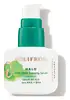
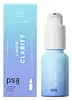
HoliFrog Halo AHA + BHA Evening Serum Versus PSA SKIN Liquid Clarity BHA & Bakuchiol Blemish Recovery Booster
This smoothing serum is formulated around Glycolic Acid and Salicylic Acid to refine skin texture and brighten dull-looking skin.
This acne serum is formulated around Salicylic Acid and Zinc PCA to clear breakouts and refine the look of pores.


What's inside
What's inside
 Key Ingredients
Benefits
Concerns
Ingredients Side-by-side
Water
Skin ConditioningAloe Barbadensis Leaf Juice
Skin Conditioning


Helianthus Annuus Seed Oil
Emollient


Glycolic Acid
Buffering










Glycerin
Humectant
Sodium Hydroxide
BufferingPropanediol
Solvent
Glyceryl Stearate
Emollient
Opuntia Ficus-Indica Seed Oil
Emollient
Rubus Idaeus Seed Oil
Emollient
Calophyllum Inophyllum Seed Oil
Antimicrobial
Caprylyl Caprylate/Caprate
Emollient
Cetearyl Glucoside
Emulsifying
Leuconostoc/Radish Root Ferment Filtrate
Antimicrobial
Lactic Acid
Buffering
Phytic Acid
Chelating
Salicylic Acid
Masking


Oryza Sativa Extract
Absorbent
Rosa Canina Fruit Oil
Emollient
Superoxide Dismutase
Antioxidant
Citrullus Lanatus Fruit Extract
Skin Conditioning
Vigna Aconitifolia Seed Extract
Skin ConditioningSodium PCA
Humectant
Lens Esculenta Fruit Extract
Skin ConditioningPyrus Malus Fruit Extract
Skin Conditioning
Camellia Sinensis Leaf Extract
Antimicrobial
Cocos Nucifera Oil
Masking



Tocopherol
Antioxidant
Sea Salt
Abrasive
Sodium Lactate
Buffering
Citric Acid
Buffering
Lecithin
Emollient
Phenethyl Alcohol
MaskingPotassium Sorbate
Preservative
Sodium Benzoate
Masking
Maltodextrin
Absorbent
Xanthan Gum
EmulsifyingLeuconostoc Ferment Filtrate
AntimicrobialSodium Hyaluronate
Humectant
Sodium Carrageenan
Emulsion StabilisingDehydroacetic Acid
Preservative
Silica
Abrasive
Benzyl Alcohol
Perfuming


Soybean Peroxidase
Antioxidant
Water, Aloe Barbadensis Leaf Juice, Helianthus Annuus Seed Oil, Glycolic Acid, Glycerin, Sodium Hydroxide, Propanediol, Glyceryl Stearate, Opuntia Ficus-Indica Seed Oil, Rubus Idaeus Seed Oil, Calophyllum Inophyllum Seed Oil, Caprylyl Caprylate/Caprate, Cetearyl Glucoside, Leuconostoc/Radish Root Ferment Filtrate, Lactic Acid, Phytic Acid, Salicylic Acid, Oryza Sativa Extract, Rosa Canina Fruit Oil, Superoxide Dismutase, Citrullus Lanatus Fruit Extract, Vigna Aconitifolia Seed Extract, Sodium PCA, Lens Esculenta Fruit Extract, Pyrus Malus Fruit Extract, Camellia Sinensis Leaf Extract, Cocos Nucifera Oil, Tocopherol, Sea Salt, Sodium Lactate, Citric Acid, Lecithin, Phenethyl Alcohol, Potassium Sorbate, Sodium Benzoate, Maltodextrin, Xanthan Gum, Leuconostoc Ferment Filtrate, Sodium Hyaluronate, Sodium Carrageenan, Dehydroacetic Acid, Silica, Benzyl Alcohol, Soybean Peroxidase
Water
Skin ConditioningPropanediol
Solvent
Glycerin
Humectant
Isodecyl Neopentanoate
EmollientSalicylic Acid
Masking
Zinc PCA
Humectant
Tocopheryl Acetate
Antioxidant
Hydroxypropyl Starch Phosphate
Nigella Sativa Seed Oil
Emollient
Bakuchiol
Antimicrobial
Salix Alba Bark Extract
Astringent
Dimethyl Isosorbide
SolventLeuconostoc/Radish Root Ferment Filtrate
Antimicrobial
Cetearyl Isononanoate
Emollient
Glycol Distearate
Emollient
Caprylyl Glycol
Emollient
Glycyrrhiza Glabra Root Extract
Bleaching
Allantoin
Skin Conditioning
Bisabolol
Antioxidant
Lecithin
Emollient
Sodium Hyaluronate
Humectant
Hyaluronic Acid
Humectant
Sclerotium Gum
Emulsion StabilisingSodium Gluconate
ChelatingSodium Stearoyl Glutamate
CleansingSodium Acrylates Copolymer
Phenoxyethanol
Preservative
Water, Propanediol, Glycerin, Isodecyl Neopentanoate, Salicylic Acid, Zinc PCA, Tocopheryl Acetate, Hydroxypropyl Starch Phosphate, Nigella Sativa Seed Oil, Bakuchiol, Salix Alba Bark Extract, Dimethyl Isosorbide, Leuconostoc/Radish Root Ferment Filtrate, Cetearyl Isononanoate, Glycol Distearate, Caprylyl Glycol, Glycyrrhiza Glabra Root Extract, Allantoin, Bisabolol, Lecithin, Sodium Hyaluronate, Hyaluronic Acid, Sclerotium Gum, Sodium Gluconate, Sodium Stearoyl Glutamate, Sodium Acrylates Copolymer, Phenoxyethanol
Reviews
Ingredients Explained
These ingredients are found in both products.
Ingredients higher up in an ingredient list are typically present in a larger amount.
Glycerin (or glycerol) is a compound naturally found in your skin. It's a powerhouse humectant that pulls water into the stratum corneum.
Topically, glycerin does several things at once:
Your skin makes glycerin on its own (mostly from sebaceous oil breakdown) and shuttles it to your outermost layer of skin, or your epidermis, via aquaporin-3.
Aquaporin-3 is a transporter that is essential for normal skin hydration, elasticity, and repair. Interestingly, mice lacking in AQP3 have dry and less elastic skin that can be fully corrected with glycerin.
This ingredient is non-irritating, plays well with almost every ingredient, and works across all skin types. Typical use is anywhere between 3-10% but can go up to 79% in some leave-on products.
Just know very high concentrations (>40%) can feel tacky in low humidity.
Glycerin is the name for this ingredient in American English. British English uses Glycerol/Glycerine.
Learn more about GlycerinLecithin is a term for a group of substances found in the cell membranes of plants, animals, and humans. They are made up of phospholipids.
Thanks to its amphiphilic structure (water-loving head and oil-loving tail), it is a true multitasker:
It plays well with most ingredients and is typically used at 0.1-1%. However, concentrations up to 50% have been reported in moisturizers.
Learn more about LecithinLeuconostoc/Radish Root Ferment Filtrate is a natural preservative. It comes from fermenting radish roots with a bacteria called leuconostoc. The trade name for this ingredient is Leucidal.
Leuconostoc comes from lactic acid.
This ingredient has antimicrobial properties and helps prevent the growth of bacteria in a product.
Leuconostoc is used to make the traditional Korean side-dish, kimchi. It is also used to make sourdough bread (both incredibly yummy foods).
Learn more about Leuconostoc/Radish Root Ferment FiltratePropanediol is an all-star ingredient. It softens, hydrates, and smooths the skin.
It’s often used to:
Propanediol is not likely to cause sensitivity and considered safe to use. It is derived from corn or petroleum with a clear color and no scent.
Learn more about PropanediolSalicylic Acid (also known as beta hydroxy acid or BHA) is a well-known ingredient for treating skin that struggles with acne and clogged pores. It exfoliates both the skin's surface and deep within the pores to help clear out buildup, control oil, and reduce inflammation.
Unlike AHAs (alpha hydroxy acids), salicylic acid is oil-soluble. This allows it to penetrate into pores which makes it especially effective for treating blackheads and preventing future breakouts.
Salicylic acid is also known for its soothing properties. It has a similar structure to aspirin and can calm inflamed or irritated skin, making it a good option for acne-prone skin that is also sensitive.
Concentrations of 0.5-2% are recognized by the U.S. FDA as an over-the-counter topical acne product.
It can cause irritation and/or dryness if one's skin already has a compromised moisture barrier, so it's best to focus on repairing that before introducing this ingredient into your routine.
While salicylic acid does not increase sun sensitivity, it’s still important to wear sunscreen daily to protect your skin.
If you are looking for the ingredient called BHA or Butylated Hydroxyanisole, click here.
Learn more about Salicylic AcidSodium Hyaluronate is the salt form of hyaluronic acid. It is a long sugar chain that is naturally found in your skin, joints, and connective tissue that maintains hydration and elasticity.
In skincare, it works as a humectant. It pulls water from the environment and deeper layers of skin and binds it to the surface.
Interestingly, the size of the molecule affects its behavior:
Some clinical evidence links low molecular weight versions to improved wrinkle depth, elasticity, anti-inflammatory effects, and barrier repair.
Many serums use a blend of both weights so you can get surface hydration plus longer-lasting and deeper effects.
You'll typically see concentrations between 0.1-2% for this ingredient.
Learn more about Sodium HyaluronateWater. It's the most common cosmetic ingredient of all. You'll usually see it at the top of ingredient lists, meaning that it makes up the largest part of the product.
So why is it so popular? Water most often acts as a solvent - this means that it helps dissolve other ingredients into the formulation.
You'll also recognize water as that liquid we all need to stay alive. If you see this, drink a glass of water. Remember to stay hydrated!
Learn more about Water

