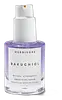
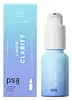
Herbivore Bakuchiol Retinol Alternative Smoothing Serum Versus PSA SKIN Liquid Clarity BHA & Bakuchiol Blemish Recovery Booster
This smoothing serum is formulated around Bakuchiol to refine skin texture and soften the look of wrinkles.
This acne serum is formulated around Salicylic Acid and Zinc PCA to clear breakouts and refine the look of pores.


What's inside
What's inside
 Key Ingredients
Benefits
Concerns
Ingredients Side-by-side
Water
Skin ConditioningPropanediol
Solvent

Glycerin
Humectant
Piroctone Olamine
Preservative
Dicaprylyl Carbonate
EmollientCaprylic/Capric Triglyceride
Masking
Bakuchiol
Antimicrobial








Pisum Sativum Extract
Skin ConditioningMorus Alba Bark Extract
Skin ConditioningLentinus Edodes Extract
Skin ConditioningMelia Azadirachta Flower Extract
Skin ConditioningCitrus Aurantium Dulcis Fruit Extract
MaskingPolygonum Multiflorum Root Extract
Skin ConditioningHaematococcus Pluvialis Extract
Antioxidant
Lavandula Angustifolia Oil
Masking




Pentaerythrityl Tetra-Di-T-Butyl Hydroxyhydrocinnamate
Antioxidant
1,2-Hexanediol
Skin Conditioning
Caprylyl Glycol
Emollient
Sodium Gluconate
ChelatingEthylhexylglycerin
Skin ConditioningSodium Acrylates Copolymer
Sorbitan Olivate
Emulsifying

Coco-Caprylate/Caprate
Emollient
Caprylhydroxamic Acid
ChelatingHydroxyacetophenone
Antioxidant
Lecithin
Emollient
Coco-Caprylate
Emollient
Tribehenin
Emollient
Tetrasodium Iminodisuccinate
ChelatingCitric Acid
Buffering
Xanthan Gum
EmulsifyingWater, Propanediol, Glycerin, Piroctone Olamine, Dicaprylyl Carbonate, Caprylic/Capric Triglyceride, Bakuchiol, Pisum Sativum Extract, Morus Alba Bark Extract, Lentinus Edodes Extract, Melia Azadirachta Flower Extract, Citrus Aurantium Dulcis Fruit Extract, Polygonum Multiflorum Root Extract, Haematococcus Pluvialis Extract, Lavandula Angustifolia Oil, Pentaerythrityl Tetra-Di-T-Butyl Hydroxyhydrocinnamate, 1,2-Hexanediol, Caprylyl Glycol, Sodium Gluconate, Ethylhexylglycerin, Sodium Acrylates Copolymer, Sorbitan Olivate, Coco-Caprylate/Caprate, Caprylhydroxamic Acid, Hydroxyacetophenone, Lecithin, Coco-Caprylate, Tribehenin, Tetrasodium Iminodisuccinate, Citric Acid, Xanthan Gum
Water
Skin ConditioningPropanediol
Solvent
Glycerin
Humectant
Isodecyl Neopentanoate
EmollientSalicylic Acid
Masking




Zinc PCA
Humectant
Tocopheryl Acetate
Antioxidant
Hydroxypropyl Starch Phosphate
Nigella Sativa Seed Oil
Emollient
Bakuchiol
Antimicrobial
Salix Alba Bark Extract
Astringent
Dimethyl Isosorbide
SolventLeuconostoc/Radish Root Ferment Filtrate
Antimicrobial
Cetearyl Isononanoate
Emollient
Glycol Distearate
Emollient
Caprylyl Glycol
Emollient
Glycyrrhiza Glabra Root Extract
Bleaching
Allantoin
Skin Conditioning
Bisabolol
Antioxidant
Lecithin
Emollient
Sodium Hyaluronate
Humectant
Hyaluronic Acid
Humectant
Sclerotium Gum
Emulsion StabilisingSodium Gluconate
ChelatingSodium Stearoyl Glutamate
CleansingSodium Acrylates Copolymer
Phenoxyethanol
Preservative
Water, Propanediol, Glycerin, Isodecyl Neopentanoate, Salicylic Acid, Zinc PCA, Tocopheryl Acetate, Hydroxypropyl Starch Phosphate, Nigella Sativa Seed Oil, Bakuchiol, Salix Alba Bark Extract, Dimethyl Isosorbide, Leuconostoc/Radish Root Ferment Filtrate, Cetearyl Isononanoate, Glycol Distearate, Caprylyl Glycol, Glycyrrhiza Glabra Root Extract, Allantoin, Bisabolol, Lecithin, Sodium Hyaluronate, Hyaluronic Acid, Sclerotium Gum, Sodium Gluconate, Sodium Stearoyl Glutamate, Sodium Acrylates Copolymer, Phenoxyethanol
Ingredients Explained
These ingredients are found in both products.
Ingredients higher up in an ingredient list are typically present in a larger amount.
Bakuchiol is a plant-derived antioxidant from the seeds of the Psoralea corylifolia plant. It has antimicrobial, emollient, skin conditioning, and antioxidant properties.
You'll likely see it called a "retinol replacement" but the two are technically not related. This is because bakuchiol is able to flip many of the same switches in your skin cells to tell them to:
1) produce more collagen (type I, III, and IV)
2) activate the same genes retinoids do
Unlike retinoids, this ingredient will not increase photosensitivity and is safe to use during pregnancy (but please still check in with your doctor!).
The flagship clinical trial from Dhaliwal et al. 2019 found 0.5% bakuchiol (twice daily) and 0.5% retinol (once daily) reduced wrinkles and hyperpigmentation equally, but bakuchiol had significantly less irritation.
Systematic reviews also back this up:
Bakuchiol is comparable to retinol for photoaging but with better tolerability. It also has mild antibacterial properties against Cutibacterium acnes and antifungal activity in vitro against Candida and dermatophytes.
The reason bakuchiol works well is due to its structure; it is a meroterpene phenol, or a hybrid molecule. The phenol half acts as an antioxidant while the terpene half is fat-loving. This helps the molecule slip through the skin barrier.
This ingredient is usually used between 0.5-2%. Only one case of contact dermatitis has ever been reported for this ingredient.
Learn more about BakuchiolCaprylyl Glycol is a humectant, skin conditioner, emollient, and preservative booster derived from either caprylic acid or synthetically created.
Typical use levels vary from 0.3-1% as a preservative booster and go up to 2% to condition skin.
Because it is not a free-fatty acid, this ingredient is fungal acne safe (there's nothing for Malassezia to feed on).
Learn more about Caprylyl GlycolGlycerin (or glycerol) is a compound naturally found in your skin. It's a powerhouse humectant that pulls water into the stratum corneum.
Topically, glycerin does several things at once:
Your skin makes glycerin on its own (mostly from sebaceous oil breakdown) and shuttles it to your outermost layer of skin, or your epidermis, via aquaporin-3.
Aquaporin-3 is a transporter that is essential for normal skin hydration, elasticity, and repair. Interestingly, mice lacking in AQP3 have dry and less elastic skin that can be fully corrected with glycerin.
This ingredient is non-irritating, plays well with almost every ingredient, and works across all skin types. Typical use is anywhere between 3-10% but can go up to 79% in some leave-on products.
Just know very high concentrations (>40%) can feel tacky in low humidity.
Glycerin is the name for this ingredient in American English. British English uses Glycerol/Glycerine.
Learn more about GlycerinLecithin is a term for a group of substances found in the cell membranes of plants, animals, and humans. They are made up of phospholipids.
Thanks to its amphiphilic structure (water-loving head and oil-loving tail), it is a true multitasker:
It plays well with most ingredients and is typically used at 0.1-1%. However, concentrations up to 50% have been reported in moisturizers.
Learn more about LecithinPropanediol is an all-star ingredient. It softens, hydrates, and smooths the skin.
It’s often used to:
Propanediol is not likely to cause sensitivity and considered safe to use. It is derived from corn or petroleum with a clear color and no scent.
Learn more about PropanediolThis ingredient is a synthetic, salt form polymer built from acrylic acid, ethacrylic acid, or their simple esters. It works as a binder, film former, and viscosity increasing agent.
Typical concentrations start at around 0.5% but can go up to 25% for film-forming or binding.
The CIR Expert Panel assessed the safety of 126 acrylates copolymers and concluded they are safe in cosmetics at current use levels when formulated to be non-irritating. They also noted the levels present in finished cosmetic products are not considered a safety risk and Genotoxicity testing (Ames tests, chromosomal aberration assays) has come back negative across the board.
Though the raw building blocks (like acrylic acid) can be irritating on their own, cosmetic-grade versions go through purification to keep levels extremely low.
Sodium Acrylates Copolymer is a large molecule that doesn't penetrate skin barrier in any meaningful way.
Learn more about Sodium Acrylates CopolymerSodium Gluconate is the sodium salt of gluconic acid. In skincare, its main job is as a chelator.
Chelators grab onto stray metal ions like iron and copper that sneak in through water, raw materials, or manufacturing equipment. This stops them from triggering reactions that cause oils to go rancid, formulas to change color, and actives like vitamin C to fall apart.
This ingredient is often chosen as a biodegradable, gentler-sounding alternative to EDTA. It also pulls double duty as a mild humectant and pH buffer.
Typical use levels sit around 0.1-1% and supplier documents list up to 10% as an acceptable ceiling. Industry data found this ingredient family is mostly used well below 1% in leave on products.
Allergy risk is very low; animal testing has found it to be non-irritating to skin and eyes, mutagenicity assays came back negative, and there are no published reports of allergic contact dermatitis to it.
Learn more about Sodium GluconateWater. It's the most common cosmetic ingredient of all. You'll usually see it at the top of ingredient lists, meaning that it makes up the largest part of the product.
So why is it so popular? Water most often acts as a solvent - this means that it helps dissolve other ingredients into the formulation.
You'll also recognize water as that liquid we all need to stay alive. If you see this, drink a glass of water. Remember to stay hydrated!
Learn more about Water

