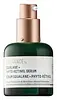
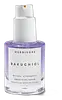
Biossance Squalane + Phyto-Retinol Serum Versus Herbivore Bakuchiol Retinol Alternative Smoothing Serum
This anti-aging serum is formulated around Squalane and Niacinamide to soften the look of wrinkles and strengthen the skin barrier.
This smoothing serum is formulated around Bakuchiol to refine skin texture and soften the look of wrinkles.

What's inside
What's inside
 Key Ingredients
Benefits
Concerns
Ingredients Side-by-side
Water
Skin ConditioningSqualane
Emollient


Niacinamide
Smoothing









Sodium Acrylates Copolymer
Bakuchiol
Antimicrobial

Sodium Hyaluronate
Humectant
Rosa Canina Fruit Oil
Emollient


Citrus Aurantium Amara Peel Oil
Skin Conditioning
Biosaccharide Gum-1
Humectant
Yeast Extract
Skin ConditioningSoy Amino Acids
Skin ConditioningLecithin
Emollient
Hexylene Glycol
EmulsifyingEthylhexylglycerin
Skin ConditioningCaprylyl Glycol
Emollient
Phenoxyethanol
Preservative
Tetrasodium Glutamate Diacetate
ChelatingCitric Acid
Buffering
Linalool
Perfuming


Geraniol
Perfuming
Limonene
Perfuming
Water, Squalane, Niacinamide, Sodium Acrylates Copolymer, Bakuchiol, Sodium Hyaluronate, Rosa Canina Fruit Oil, Citrus Aurantium Amara Peel Oil, Biosaccharide Gum-1, Yeast Extract, Soy Amino Acids, Lecithin, Hexylene Glycol, Ethylhexylglycerin, Caprylyl Glycol, Phenoxyethanol, Tetrasodium Glutamate Diacetate, Citric Acid, Linalool, Geraniol, Limonene
Water
Skin ConditioningPropanediol
Solvent
Glycerin
Humectant
Piroctone Olamine
Preservative
Dicaprylyl Carbonate
EmollientCaprylic/Capric Triglyceride
Masking
Bakuchiol
Antimicrobial
Pisum Sativum Extract
Skin ConditioningMorus Alba Bark Extract
Skin ConditioningLentinus Edodes Extract
Skin ConditioningMelia Azadirachta Flower Extract
Skin ConditioningCitrus Aurantium Dulcis Fruit Extract
MaskingPolygonum Multiflorum Root Extract
Skin ConditioningHaematococcus Pluvialis Extract
Antioxidant
Lavandula Angustifolia Oil
Masking
Pentaerythrityl Tetra-Di-T-Butyl Hydroxyhydrocinnamate
Antioxidant
1,2-Hexanediol
Skin Conditioning
Caprylyl Glycol
Emollient
Sodium Gluconate
ChelatingEthylhexylglycerin
Skin ConditioningSodium Acrylates Copolymer
Sorbitan Olivate
Emulsifying
Coco-Caprylate/Caprate
Emollient
Caprylhydroxamic Acid
ChelatingHydroxyacetophenone
Antioxidant
Lecithin
Emollient
Coco-Caprylate
Emollient
Tribehenin
Emollient
Tetrasodium Iminodisuccinate
ChelatingCitric Acid
Buffering
Xanthan Gum
EmulsifyingWater, Propanediol, Glycerin, Piroctone Olamine, Dicaprylyl Carbonate, Caprylic/Capric Triglyceride, Bakuchiol, Pisum Sativum Extract, Morus Alba Bark Extract, Lentinus Edodes Extract, Melia Azadirachta Flower Extract, Citrus Aurantium Dulcis Fruit Extract, Polygonum Multiflorum Root Extract, Haematococcus Pluvialis Extract, Lavandula Angustifolia Oil, Pentaerythrityl Tetra-Di-T-Butyl Hydroxyhydrocinnamate, 1,2-Hexanediol, Caprylyl Glycol, Sodium Gluconate, Ethylhexylglycerin, Sodium Acrylates Copolymer, Sorbitan Olivate, Coco-Caprylate/Caprate, Caprylhydroxamic Acid, Hydroxyacetophenone, Lecithin, Coco-Caprylate, Tribehenin, Tetrasodium Iminodisuccinate, Citric Acid, Xanthan Gum
Reviews
Ingredients Explained
These ingredients are found in both products.
Ingredients higher up in an ingredient list are typically present in a larger amount.
Bakuchiol is a plant-derived antioxidant from the seeds of the Psoralea corylifolia plant. It has antimicrobial, emollient, skin conditioning, and antioxidant properties.
You'll likely see it called a "retinol replacement" but the two are technically not related. This is because bakuchiol is able to flip many of the same switches in your skin cells to tell them to:
1) produce more collagen (type I, III, and IV)
2) activate the same genes retinoids do
Unlike retinoids, this ingredient will not increase photosensitivity and is safe to use during pregnancy (but please still check in with your doctor!).
The flagship clinical trial from Dhaliwal et al. 2019 found 0.5% bakuchiol (twice daily) and 0.5% retinol (once daily) reduced wrinkles and hyperpigmentation equally, but bakuchiol had significantly less irritation.
Systematic reviews also back this up:
Bakuchiol is comparable to retinol for photoaging but with better tolerability. It also has mild antibacterial properties against Cutibacterium acnes and antifungal activity in vitro against Candida and dermatophytes.
The reason bakuchiol works well is due to its structure; it is a meroterpene phenol, or a hybrid molecule. The phenol half acts as an antioxidant while the terpene half is fat-loving. This helps the molecule slip through the skin barrier.
This ingredient is usually used between 0.5-2%. Only one case of contact dermatitis has ever been reported for this ingredient.
Learn more about BakuchiolCaprylyl Glycol is a humectant, skin conditioner, emollient, and preservative booster derived from either caprylic acid or synthetically created.
Typical use levels vary from 0.3-1% as a preservative booster and go up to 2% to condition skin.
Because it is not a free-fatty acid, this ingredient is fungal acne safe (there's nothing for Malassezia to feed on).
Learn more about Caprylyl GlycolCitric Acid is an alpha hydroxy acid (AHA) naturally found in citrus fruits like oranges, lemons, and limes.
Like other AHAs, citric acid can exfoliate skin by breaking down the bonds that hold dead skin cells together. This helps reveal smoother and brighter skin underneath.
However, this exfoliating effect only happens at high concentrations (20%) which can be hard to find in cosmetic products.
Due to this, citric acid is usually included in small amounts as a pH adjuster. This helps keep products slightly more acidic and compatible with skin's natural pH.
In skincare formulas, citric acid can:
While it can provide some skin benefits, research shows lactic acid and glycolic acid are generally more effective and less irritating exfoliants.
Most citric acid used in skincare today is made by fermenting sugars (usually from molasses). This synthetic version is identical to the natural citrus form but easier to stabilize and use in formulations.
Rosacea skin has a lower threshold for acids generally, with 62.5% of rosacea subjects in one study reacting to lactic acid in a sting test. This is why we mark citric acid as a potential rosacea trigger.
However, this ingredient shows up as a pH adjuster or chelator at roughly 0.1-1% in many products. These low levels are unlikely to be an issue for rosacea skin and becomes a potential trigger at exfoliating concentrations (20%). Because everybody's skin is unique, we recommend a patch test if you are unsure.
Learn more about Citric AcidEthylhexylglycerin is created from glycerin. It is a multitasker ingredient that:
The CIR Expert Panel found minimal skin absorption or sensitization of any kind in a safety assessment. Though this ingredient is considered well-tolerated, a small number of cases of allergic dermatitis have been published since 2002. Just be sure to patch test if you are unsure.
Industry-reported use ranges from 8% in rinse-off products and 2% in leave-on formulations.
Learn more about EthylhexylglycerinLecithin is a term for a group of substances found in the cell membranes of plants, animals, and humans. They are made up of phospholipids.
Thanks to its amphiphilic structure (water-loving head and oil-loving tail), it is a true multitasker:
It plays well with most ingredients and is typically used at 0.1-1%. However, concentrations up to 50% have been reported in moisturizers.
Learn more about LecithinThis ingredient is a synthetic, salt form polymer built from acrylic acid, ethacrylic acid, or their simple esters. It works as a binder, film former, and viscosity increasing agent.
Typical concentrations start at around 0.5% but can go up to 25% for film-forming or binding.
The CIR Expert Panel assessed the safety of 126 acrylates copolymers and concluded they are safe in cosmetics at current use levels when formulated to be non-irritating. They also noted the levels present in finished cosmetic products are not considered a safety risk and Genotoxicity testing (Ames tests, chromosomal aberration assays) has come back negative across the board.
Though the raw building blocks (like acrylic acid) can be irritating on their own, cosmetic-grade versions go through purification to keep levels extremely low.
Sodium Acrylates Copolymer is a large molecule that doesn't penetrate skin barrier in any meaningful way.
Learn more about Sodium Acrylates CopolymerWater. It's the most common cosmetic ingredient of all. You'll usually see it at the top of ingredient lists, meaning that it makes up the largest part of the product.
So why is it so popular? Water most often acts as a solvent - this means that it helps dissolve other ingredients into the formulation.
You'll also recognize water as that liquid we all need to stay alive. If you see this, drink a glass of water. Remember to stay hydrated!
Learn more about Water

