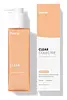
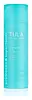
Hero Cosmetics Gentle Milky Cleanser Versus Tula Skincare Super Calm Gentle Sensitive Skin Cleansing Milk
This mild cream cleanser is made to cleanse without leaving your skin tight or dry.
This mild cream cleanser is made to cleanse while calming and soothing your skin.

What's inside
What's inside
 Key Ingredients
Benefits
Concerns
Ingredients Side-by-side
Water
Skin ConditioningCetearyl Alcohol
Emollient






Propanediol
Solvent

Simmondsia Chinensis Seed Oil
Emollient

Disodium Cocoamphodiacetate
CleansingDecyl Glucoside
Cleansing
Gluconolactone
Chelating






Avena Sativa Bran Extract
Abrasive
Sorbitol
Humectant
Avena Sativa Kernel Flour
Abrasive
Avena Sativa Kernel Extract
Abrasive


Ceramide NP
Skin Conditioning
Ceramide AP
Skin Conditioning
Cetrimonium Chloride
Antimicrobial
Polyquaternium-73
Hydroxyethylcellulose
Emulsion StabilisingSodium Chloride
MaskingVinegar
Alpha-Glucan Oligosaccharide
Cleansing
Citrus Aurantium Dulcis Peel Extract
Emulsion Stabilising
Sodium Hydroxide
BufferingCaprylyl Glycol
Emollient
Didecyldimonium Chloride
EmulsifyingMethylpropanediol
SolventPolyquaternium-80
CleansingTetrasodium Glutamate Diacetate
ChelatingSodium Acetate
BufferingCellulose
Absorbent
Sodium Lauroyl Lactylate
EmulsifyingCholesterol
Emollient
Citric Acid
Buffering
Phytosphingosine
Skin Conditioning
Carbomer
Emulsion StabilisingEthylhexylglycerin
Skin ConditioningSodium Benzoate
Masking
Xanthan Gum
EmulsifyingPotassium Sorbate
Preservative
Water, Cetearyl Alcohol, Propanediol, Simmondsia Chinensis Seed Oil, Disodium Cocoamphodiacetate, Decyl Glucoside, Gluconolactone, Avena Sativa Bran Extract, Sorbitol, Avena Sativa Kernel Flour, Avena Sativa Kernel Extract, Ceramide NP, Ceramide AP, Cetrimonium Chloride, Polyquaternium-73, Hydroxyethylcellulose, Sodium Chloride, Vinegar, Alpha-Glucan Oligosaccharide, Citrus Aurantium Dulcis Peel Extract, Sodium Hydroxide, Caprylyl Glycol, Didecyldimonium Chloride, Methylpropanediol, Polyquaternium-80, Tetrasodium Glutamate Diacetate, Sodium Acetate, Cellulose, Sodium Lauroyl Lactylate, Cholesterol, Citric Acid, Phytosphingosine, Carbomer, Ethylhexylglycerin, Sodium Benzoate, Xanthan Gum, Potassium Sorbate
Water
Skin ConditioningGlycerin
Humectant
Diglycerin
Humectant
Maltooligosyl Glucoside
Skin ConditioningHydrogenated Starch Hydrolysate
HumectantDecyl Glucoside
Cleansing
Cetyl Alcohol
Emollient
Glycol Distearate
Emollient
Disodium Cocoyl Glutamate
Cleansing
Lactococcus Ferment Lysate
Skin Conditioning
Disodium Cocoamphodiacetate
CleansingPropanediol
Solvent
Colloidal Oatmeal
Absorbent
Hydroxyacetophenone
Antioxidant
Helianthus Annuus Seed Oil
Emollient
Xanthan Gum
Emulsifying1,2-Hexanediol
Skin Conditioning
Caprylyl Glycol
Emollient
Sodium Cocoyl Glutamate
Cleansing
Sodium Chloride
MaskingCitric Acid
Buffering
Bisabolol
Antioxidant
Hydrolyzed Algin
Triethyl Citrate
Masking
Aloe Barbadensis Leaf Extract
Emollient
Calendula Officinalis Extract
Skin Conditioning
Cucumis Sativus Fruit Extract
Emollient
Aloe Barbadensis Leaf Juice
Skin Conditioning
Phenoxyethanol
Preservative
Agastache Mexicana Flower/Leaf/Stem Extract
Skin ConditioningLactic Acid
Buffering

Lavandula Angustifolia Flower/Leaf/Stem Extract
Masking
Sodium Benzoate
Masking
Camellia Sinensis Leaf Extract
Antimicrobial
Elettaria Cardamomum Seed Extract
Perfuming
Pyrus Malus Fruit Extract
Skin Conditioning
Rubus Idaeus Fruit Extract
AstringentZingiber Officinale Root Extract
Masking
Linum Usitatissimum Seed Extract
Perfuming
Cananga Odorata Flower Extract
Perfuming
Citrus Aurantium Amara Flower Extract
RefreshingCitrus Aurantium Bergamia Fruit Extract
Skin ConditioningCoffea Arabica Seedcake Extract
Cucumis Melo Fruit Extract
Skin ConditioningCupressus Sempervirens Leaf/Stem Extract
Skin ConditioningFucus Vesiculosus Extract
Emollient
Jasminum Officinale Flower Extract
Masking
Rose Extract
Skin ConditioningRosmarinus Officinalis Leaf Extract
AntimicrobialSalvia Officinalis Leaf Extract
CleansingSantalum Album Wood Extract
Perfuming
Water, Glycerin, Diglycerin, Maltooligosyl Glucoside, Hydrogenated Starch Hydrolysate, Decyl Glucoside, Cetyl Alcohol, Glycol Distearate, Disodium Cocoyl Glutamate, Lactococcus Ferment Lysate, Disodium Cocoamphodiacetate, Propanediol, Colloidal Oatmeal, Hydroxyacetophenone, Helianthus Annuus Seed Oil, Xanthan Gum, 1,2-Hexanediol, Caprylyl Glycol, Sodium Cocoyl Glutamate, Sodium Chloride, Citric Acid, Bisabolol, Hydrolyzed Algin, Triethyl Citrate, Aloe Barbadensis Leaf Extract, Calendula Officinalis Extract, Cucumis Sativus Fruit Extract, Aloe Barbadensis Leaf Juice, Phenoxyethanol, Agastache Mexicana Flower/Leaf/Stem Extract, Lactic Acid, Lavandula Angustifolia Flower/Leaf/Stem Extract, Sodium Benzoate, Camellia Sinensis Leaf Extract, Elettaria Cardamomum Seed Extract, Pyrus Malus Fruit Extract, Rubus Idaeus Fruit Extract, Zingiber Officinale Root Extract, Linum Usitatissimum Seed Extract, Cananga Odorata Flower Extract, Citrus Aurantium Amara Flower Extract, Citrus Aurantium Bergamia Fruit Extract, Coffea Arabica Seedcake Extract, Cucumis Melo Fruit Extract, Cupressus Sempervirens Leaf/Stem Extract, Fucus Vesiculosus Extract, Jasminum Officinale Flower Extract, Rose Extract, Rosmarinus Officinalis Leaf Extract, Salvia Officinalis Leaf Extract, Santalum Album Wood Extract
Reviews
Ingredients Explained
These ingredients are found in both products.
Ingredients higher up in an ingredient list are typically present in a larger amount.
Caprylyl Glycol is a humectant, skin conditioner, emollient, and preservative booster derived from either caprylic acid or synthetically created.
Typical use levels vary from 0.3-1% as a preservative booster and go up to 2% to condition skin.
Because it is not a free-fatty acid, this ingredient is fungal acne safe (there's nothing for Malassezia to feed on).
Learn more about Caprylyl GlycolCitric Acid is an alpha hydroxy acid (AHA) naturally found in citrus fruits like oranges, lemons, and limes.
Like other AHAs, citric acid can exfoliate skin by breaking down the bonds that hold dead skin cells together. This helps reveal smoother and brighter skin underneath.
However, this exfoliating effect only happens at high concentrations (20%) which can be hard to find in cosmetic products.
Due to this, citric acid is usually included in small amounts as a pH adjuster. This helps keep products slightly more acidic and compatible with skin's natural pH.
In skincare formulas, citric acid can:
While it can provide some skin benefits, research shows lactic acid and glycolic acid are generally more effective and less irritating exfoliants.
Most citric acid used in skincare today is made by fermenting sugars (usually from molasses). This synthetic version is identical to the natural citrus form but easier to stabilize and use in formulations.
Rosacea skin has a lower threshold for acids generally, with 62.5% of rosacea subjects in one study reacting to lactic acid in a sting test. This is why we mark citric acid as a potential rosacea trigger.
However, this ingredient shows up as a pH adjuster or chelator at roughly 0.1-1% in many products. These low levels are unlikely to be an issue for rosacea skin and becomes a potential trigger at exfoliating concentrations (20%). Because everybody's skin is unique, we recommend a patch test if you are unsure.
Learn more about Citric AcidDecyl Glucoside is a plant-derived surfactant and emulsion stabilizer. It is created by reacting glucose with the fatty acids from plants.
Like all surfactants, it works by lowering the surface tension between water and oil. This makes it so that dirt, sebum, and makeup can be lifted off your skin and rinsed away. It also produces a dense and creamy foam.
Because it has a neutral charge, it is compatible with a wide range of ingredients and stays stable across a broad pH range/water hardiness conditions.
Patch testing has shown it to have the lowest irritation potential among common cleansing surfactants (like SLS).
Typical use levels range from 5-20% in rinse-off cleansers.
One thing worth knowing: The American Contact Dermatitis Society named the parent family, alkyl glucosides, "Allergen of the Year" in 2017. The prevalence of allergy is pretty low but be sure to patch test if you've reacted to "gentle" or sulfate-free cleansers before.
This ingredient is fungal acne safe because the fatty alcohol portion of this ingredient is not within the C11-24 chain length that Malassezia can metabolize.
Learn more about Decyl GlucosideDisodium Cocoamphodiacetate is a surfactant and helps cleanse skin. It is created from the fatty acids of coconut oil.
Surfactants help rinse oil, dirt, and other pollutants easily from skin. It has a faint fruit-like scent.
Propanediol is an all-star ingredient. It softens, hydrates, and smooths the skin.
It’s often used to:
Propanediol is not likely to cause sensitivity and considered safe to use. It is derived from corn or petroleum with a clear color and no scent.
Learn more about PropanediolSodium Benzoate is a preservative. It's used in both cosmetic and food products to inhibit the growth of mold and bacteria. It is typically produced synthetically.
Both the US FDA and EU Health Committee have approved the use of sodium benzoate. In the US, levels of 0.1% (of the total product) are allowed.
Sodium benzoate works as a preservative by inhibiting the growth of bacteria inside of cells. It prevents the cell from fermenting a type of sugar using an enzyme called phosphofructokinase.
It is the salt of benzoic acid. Foods containing sodium benzoate include soda, salad dressings, condiments, fruit juices, wines, and snack foods.
Studies for using ascorbic acid and sodium benzoate in cosmetics are lacking, especially in skincare routines with multiple steps.
We always recommend speaking with a professional, such as a dermatologist, if you have any concerns.
Learn more about Sodium BenzoateChances are, you eat sodium chloride every day. Sodium Chloride is also known as table salt. This ingredient has many purposes in skincare: thickener, emulsifier, and exfoliator.
You'll most likely find this ingredient in cleansers where it is used to create a gel-like texture. As an emulsifier, it also prevents ingredients from separating.
You might see people debate whether Sodium Chloride is comedogenic, but there actually haven't been any comedogenic tests done on it. Either way, the overall formulation of a product matters a lot more than any single ingredient.
You might see this ingredient used in scrubs as a primary exfoliating ingredient.
Learn more about Sodium ChlorideWater. It's the most common cosmetic ingredient of all. You'll usually see it at the top of ingredient lists, meaning that it makes up the largest part of the product.
So why is it so popular? Water most often acts as a solvent - this means that it helps dissolve other ingredients into the formulation.
You'll also recognize water as that liquid we all need to stay alive. If you see this, drink a glass of water. Remember to stay hydrated!
Learn more about WaterXanthan gum is used as a stabilizer and thickener within cosmetic products. It helps give products a sticky, thick feeling - preventing them from being too runny.
On the technical side of things, xanthan gum is a polysaccharide - a combination consisting of multiple sugar molecules bonded together.
Xanthan gum is a pretty common and great ingredient. It is a natural, non-toxic, non-irritating ingredient that is also commonly used in food products.
Learn more about Xanthan Gum

