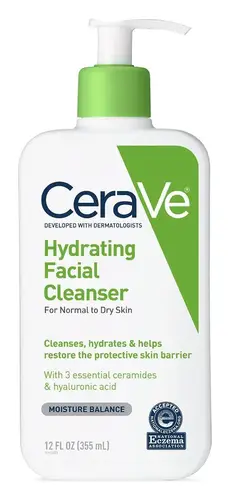
Hero Cosmetics Balancing Capsule Toner Versus Fenty Beauty Fat Water Hydrating Milky Toner Essence with Hyaluronic Acid + Tamarind
This oil-control toner is formulated around Zinc PCA and Salix Alba Bark Extract to balance excess oil and hydrate skin.
This hydrating toner is formulated around Squalane and Niacinamide to hydrate skin and strengthen the skin barrier.

What's inside
What's inside
 Key Ingredients
Benefits
Concerns
Ingredients Side-by-side
Water
Skin ConditioningButylene Glycol
Humectant

Dipropylene Glycol
HumectantGlycerin
Humectant
1,2-Hexanediol
Skin Conditioning
Caprylic/Capric Triglyceride
Masking
Betaine
Humectant
Camellia Sinensis Leaf Water
Masking
Hamamelis Virginiana Extract
Antiseborrhoeic



Zinc PCA
Humectant




Salix Alba Bark Extract
Astringent
Sodium Hyaluronate
Humectant

Hydrolyzed Hyaluronic Acid
Humectant
Hydrolyzed Sodium Hyaluronate
Skin Conditioning
Hyaluronic Acid
Humectant
Hydroxypropyltrimonium Hyaluronate
Potassium Hyaluronate
Skin ConditioningSodium Hyaluronate Crosspolymer
Humectant
Sodium Acetylated Hyaluronate
Humectant
Tremella Fuciformis Polysaccharide
Emulsion Stabilising
Citrus Junos Fruit Extract
Skin ConditioningAnanas Sativus Fruit Extract
Skin ConditioningSalvia Officinalis Leaf Extract
CleansingMandelic Acid
Antimicrobial


Glycolic Acid
Buffering
Tocopherol
Antioxidant

Moringa Oleifera Seed Oil
Emollient


Melia Azadirachta Leaf Extract
Skin ConditioningGalactomyces Ferment Filtrate
Humectant
Pseudoalteromonas Ferment Extract
Humectant
Bifida Ferment Lysate
Skin Conditioning
Eclipta Prostrata Extract
Skin Conditioning
C12-14 Pareth-12
EmulsifyingGelatin
Tromethamine
BufferingAcrylates/C10-30 Alkyl Acrylate Crosspolymer
Emulsion StabilisingAllantoin
Skin Conditioning
Trehalose
Humectant
Pentylene Glycol
Skin Conditioning
Agar
MaskingCyamopsis Tetragonoloba Gum
Emulsion StabilisingAcacia Senegal Gum
MaskingTetrasodium Iminodisuccinate
ChelatingBiosaccharide Gum-1
Humectant
Cellulose Gum
Emulsion StabilisingCarbomer
Emulsion StabilisingUbiquinone
Antioxidant
Xanthan Gum
EmulsifyingXanthophylls
Skin ConditioningEthylhexylglycerin
Skin ConditioningWater, Butylene Glycol, Dipropylene Glycol, Glycerin, 1,2-Hexanediol, Caprylic/Capric Triglyceride, Betaine, Camellia Sinensis Leaf Water, Hamamelis Virginiana Extract, Zinc PCA, Salix Alba Bark Extract, Sodium Hyaluronate, Hydrolyzed Hyaluronic Acid, Hydrolyzed Sodium Hyaluronate, Hyaluronic Acid, Hydroxypropyltrimonium Hyaluronate, Potassium Hyaluronate, Sodium Hyaluronate Crosspolymer, Sodium Acetylated Hyaluronate, Tremella Fuciformis Polysaccharide, Citrus Junos Fruit Extract, Ananas Sativus Fruit Extract, Salvia Officinalis Leaf Extract, Mandelic Acid, Glycolic Acid, Tocopherol, Moringa Oleifera Seed Oil, Melia Azadirachta Leaf Extract, Galactomyces Ferment Filtrate, Pseudoalteromonas Ferment Extract, Bifida Ferment Lysate, Eclipta Prostrata Extract, C12-14 Pareth-12, Gelatin, Tromethamine, Acrylates/C10-30 Alkyl Acrylate Crosspolymer, Allantoin, Trehalose, Pentylene Glycol, Agar, Cyamopsis Tetragonoloba Gum, Acacia Senegal Gum, Tetrasodium Iminodisuccinate, Biosaccharide Gum-1, Cellulose Gum, Carbomer, Ubiquinone, Xanthan Gum, Xanthophylls, Ethylhexylglycerin
Water
Skin ConditioningPropanediol
Solvent
Glycerin
Humectant
Squalane
Emollient
Glyceryl Stearate
Emollient
Niacinamide
Smoothing
Panthenol
Skin Conditioning
Cocos Nucifera Oil
Masking
Pyrus Malus Fruit Extract
Skin Conditioning
Hyaluronic Acid
Humectant
Tamarindus Indica Seed Polysaccharide
Skin ConditioningSodium PCA
Humectant
Magnesium PCA
Humectant
Zinc PCA
Humectant
Manganese PCA
HumectantCitrullus Lanatus Seed Oil
Emollient
Adansonia Digitata Seed Oil
Emollient
Malpighia Punicifolia Fruit Extract
Antioxidant
Camellia Sinensis Leaf Extract
Antimicrobial
Tocopherol
Antioxidant
Ethylhexylglycerin
Skin ConditioningHydroxyethylcellulose
Emulsion StabilisingCaprylyl Glycol
Emollient
Hexylene Glycol
EmulsifyingPotassium Cetyl Phosphate
EmulsifyingTetrasodium Glutamate Diacetate
ChelatingPotassium Sorbate
Preservative
Sodium Hydroxide
BufferingDisodium Phosphate
BufferingSodium Benzotriazolyl Butylphenol Sulfonate
UV AbsorberPolyacrylate Crosspolymer-6
Emulsion StabilisingPolysorbate 60
Emulsifying
Sodium Glycolate
BufferingSodium Formate
Buffering
Sodium Phosphate
BufferingPhenoxyethanol
Preservative
Parfum
Masking
Hexyl Cinnamal
Perfuming
Limonene
Perfuming
Linalool
Perfuming
Benzyl Salicylate
Perfuming
CI 15985
Cosmetic ColorantCI 14700
Cosmetic ColorantWater, Propanediol, Glycerin, Squalane, Glyceryl Stearate, Niacinamide, Panthenol, Cocos Nucifera Oil, Pyrus Malus Fruit Extract, Hyaluronic Acid, Tamarindus Indica Seed Polysaccharide, Sodium PCA, Magnesium PCA, Zinc PCA, Manganese PCA, Citrullus Lanatus Seed Oil, Adansonia Digitata Seed Oil, Malpighia Punicifolia Fruit Extract, Camellia Sinensis Leaf Extract, Tocopherol, Ethylhexylglycerin, Hydroxyethylcellulose, Caprylyl Glycol, Hexylene Glycol, Potassium Cetyl Phosphate, Tetrasodium Glutamate Diacetate, Potassium Sorbate, Sodium Hydroxide, Disodium Phosphate, Sodium Benzotriazolyl Butylphenol Sulfonate, Polyacrylate Crosspolymer-6, Polysorbate 60, Sodium Glycolate, Sodium Formate, Sodium Phosphate, Phenoxyethanol, Parfum, Hexyl Cinnamal, Limonene, Linalool, Benzyl Salicylate, CI 15985, CI 14700
Reviews
Ingredients Explained
These ingredients are found in both products.
Ingredients higher up in an ingredient list are typically present in a larger amount.
Ethylhexylglycerin is created from glycerin. It is a multitasker ingredient that:
The CIR Expert Panel found minimal skin absorption or sensitization of any kind in a safety assessment. Though this ingredient is considered well-tolerated, a small number of cases of allergic dermatitis have been published since 2002. Just be sure to patch test if you are unsure.
Industry-reported use ranges from 8% in rinse-off products and 2% in leave-on formulations.
Learn more about EthylhexylglycerinGlycerin (or glycerol) is a compound naturally found in your skin. It's a powerhouse humectant that pulls water into the stratum corneum.
Topically, glycerin does several things at once:
Your skin makes glycerin on its own (mostly from sebaceous oil breakdown) and shuttles it to your outermost layer of skin, or your epidermis, via aquaporin-3.
Aquaporin-3 is a transporter that is essential for normal skin hydration, elasticity, and repair. Interestingly, mice lacking in AQP3 have dry and less elastic skin that can be fully corrected with glycerin.
This ingredient is non-irritating, plays well with almost every ingredient, and works across all skin types. Typical use is anywhere between 3-10% but can go up to 79% in some leave-on products.
Just know very high concentrations (>40%) can feel tacky in low humidity.
Glycerin is the name for this ingredient in American English. British English uses Glycerol/Glycerine.
Learn more about GlycerinHyaluronic acid (HA) is a glycosaminoglycan (basically a long sugar chain) that your skin already makes on its own. In your skin, HA lives in the extracellular matrix and acts as the body's moisture reservoir.
Topically, HA is a humectant that binds water and helps skin look more plump, smooth, and hydrated.
The only catch is that HA isn't a single thing; it actually comes in a wide range of molecular weights (~50 - 2,000+ kDA) and size matters.
Some clinical evidence links low molecular weight versions to improved wrinkle depth, elasticity, anti-inflammatory effects, and barrier repair.
This is why the best HA serums blend the two sizes together so you get the best of both worlds.
The majority of cosmetic HA is produced by bacterial fermentation, typically using Streptococcus or Bacillus strains. Typical use levels in skincare sit around 0.1-2%.
A clinical study using a 0.2% low-molecular weight HA gel showed improvement in facial seborrheic dermatitis with excellent tolerance.
These are some other common types of Hyaluronic Acid:
Learn more about Hyaluronic AcidTocopherol is a fat-soluble antioxidant known as Vitamin E.
You'll find this ingredient in the vast majority of skincare (for good reason). It works to neutralize free radicals, or unstable molecules generated by UV exposure, pollution, and other environmental stressors, before they can cause oxidative damage to your skin cells.
Topically applied tocopherol has been shown to protect against UV damage by ramping up the skin's own natural defense enzymes.
It also acts as a skin conditioning agent; some studies show that regular topical use can improve the skin's water-binding capacity over 2-4 weeks.
This ingredient is especially loved for being a team player. When combined with Vitamin C, the photoprotective effect of both ingredients roughly doubles and the combo also helps reduce UV-induced DNA damage.
This ingredient has some brightening potential but it's more of a prevention ingredient than spot-fader. Cell studies show it can slow down melanin production but it's worth noting that it's not the most powerful brightener out there.
In formulations, it also serves as a stabilizer that helps protect other oxidation-prone ingredients from degrading.
Concentrations usually range from 0.1-1% in most leave-on products.
Learn more about TocopherolWater. It's the most common cosmetic ingredient of all. You'll usually see it at the top of ingredient lists, meaning that it makes up the largest part of the product.
So why is it so popular? Water most often acts as a solvent - this means that it helps dissolve other ingredients into the formulation.
You'll also recognize water as that liquid we all need to stay alive. If you see this, drink a glass of water. Remember to stay hydrated!
Learn more about WaterZinc PCA is a clever two-in-one molecule: the zinc salt of pyrrolidone carboxylic acid (PCA).
Think of it as two useful things bonded together; the PCA half is one of your skin's own natural moisturizing factors (NMF) so it helps hold water in the upper layers. On the other hand, the zinc half does the heavy lifting on oil and bacteria.
The zinc part slows down an enzyme that turns testosterone into DHT, the hormone that tells your oil glands to pump out more sebum. Less of that signal means less oil. It also gently fights acne-causing bacteria and soothes redness/irritation.
This is why Zinc PCA often shows up in products for oily, breakout-prone skin and greasy scalps.
One lab study also hinted it might have a small anti-aging perk because it seemed to protect collagen from UVA damage and even helped the skin make a bit more of it. That last bit is still early research done in a dish and not real skin, so take it as a nice bonus rather than a promise for now.
As for scar healing, the picture is more "maybe" than a firm yes. Zinc itself plays a real role in wound repair because it is a cofactor for the enzymes involved in collagen building, calming inflammation, and helping new skin cells cover a wound. Lower zinc levels are also linked to slower healing.
Most of the scar healing research is on zinc oxide or oral zinc rather than zinc PCA specifically, with a focus on healing fresh wounds instead of scars that are already there.
Direct evidence that zinc PCA improves the look of established scars is still limited at this time. Though it would be fair to say zinc PCA supports the general skin-repair environment thanks to its zinc content .
This ingredient is water-soluble and plays nicely with other actives like niacinamide and salicylic acid. It works best at mildly acidic formulas (~4-6 pH) and is effective at low levels. Around 0.1% is enough to be active and finished products commonly use it anywhere up to 4%.
Overall, this is a well-tolerated, low-drama multitasker that suits oily and acne-prone skin.
Learn more about Zinc PCA