
What's inside
What's inside
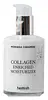 Key Ingredients
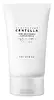
Benefits
Concerns
Ingredients Side-by-side
Water
Skin ConditioningParaffinum Liquidum
Emollient

Butylene Glycol
Humectant

Triethanolamine
BufferingCetearyl Alcohol
Emollient



1,2-Hexanediol
Skin Conditioning
Stearic Acid
Cleansing
Palmitic Acid
Emollient
Moringa Oleifera Seed Oil
Emollient
Carbomer
Emulsion StabilisingGlyceryl Stearate
Emollient
PEG-100 Stearate
Illicium Verum Fruit Extract
Perfuming
Glycerin
Humectant
Octyldodecanol
Emollient
Oleyl Alcohol
Emollient
Scutellaria Baicalensis Root Extract
Astringent
Butyrospermum Parkii Butter
Skin Conditioning
Hydrolyzed Soy Flour
Skin ConditioningCollagen Extract
Skin Conditioning
Ceramide NP
Skin Conditioning
Phytosphingosine
Skin Conditioning
Hydrogenated Lecithin
Emulsifying
Glycine Soja Sterols
Emollient
Candida Bombicola/Glucose/Methyl Rapeseedate Ferment
AntimicrobialTocopherol
Antioxidant



Beta-Glucan
Skin Conditioning
Centella Asiatica Extract
Cleansing
Parfum
Masking


Water, Paraffinum Liquidum, Butylene Glycol, Triethanolamine, Cetearyl Alcohol, 1,2-Hexanediol, Stearic Acid, Palmitic Acid, Moringa Oleifera Seed Oil, Carbomer, Glyceryl Stearate, PEG-100 Stearate, Illicium Verum Fruit Extract, Glycerin, Octyldodecanol, Oleyl Alcohol, Scutellaria Baicalensis Root Extract, Butyrospermum Parkii Butter, Hydrolyzed Soy Flour, Collagen Extract, Ceramide NP, Phytosphingosine, Hydrogenated Lecithin, Glycine Soja Sterols, Candida Bombicola/Glucose/Methyl Rapeseedate Ferment, Tocopherol, Beta-Glucan, Centella Asiatica Extract, Parfum
Centella Asiatica Extract 60%
Cleansing
Water
Skin ConditioningButylene Glycol
Humectant
Propanediol
Solvent
Niacinamide
Smoothing



Isotridecyl Isononanoate
EmollientPhenyl Trimethicone
Skin Conditioning
1,2-Hexanediol
Skin Conditioning
Tranexamic Acid
Astringent
Diglycerin
Humectant
Squalane
Emollient
Butyrospermum Parkii Butter
Skin Conditioning
Polyglyceryl-3 Distearate
Emulsifying
Xylitylglucoside
Humectant
Cetyl Alcohol
Emollient
Acrylates/C10-30 Alkyl Acrylate Crosspolymer
Emulsion StabilisingAnhydroxylitol
Humectant
Polyacrylate Crosspolymer-6
Emulsion StabilisingArginine
Masking
Trehalose
Humectant
Zea Mays Starch
Absorbent
Xylitol
Humectant
Panthenol
Skin Conditioning
Pentylene Glycol
Skin Conditioning
Microcrystalline Cellulose
AbsorbentMannitol
Humectant
Glyceryl Stearate Citrate
Emollient
Ethylhexylglycerin
Skin ConditioningHydroxyethyl Urea
Humectant
Glycerin
Humectant
Glucose
Humectant
Madecassoside
Antioxidant
Sodium Hyaluronate
Humectant
Bisabolol
Antioxidant
Hydrogenated Lecithin
Emulsifying
Glyceryl Acrylate/Acrylic Acid Copolymer
HumectantPyrus Communis Flower Extract
Skin ConditioningLactobacillus Ferment
Skin Conditioning
Centella Asiatica Extract 60%, Water, Butylene Glycol, Propanediol, Niacinamide, Isotridecyl Isononanoate, Phenyl Trimethicone, 1,2-Hexanediol, Tranexamic Acid, Diglycerin, Squalane, Butyrospermum Parkii Butter, Polyglyceryl-3 Distearate, Xylitylglucoside, Cetyl Alcohol, Acrylates/C10-30 Alkyl Acrylate Crosspolymer, Anhydroxylitol, Polyacrylate Crosspolymer-6, Arginine, Trehalose, Zea Mays Starch, Xylitol, Panthenol, Pentylene Glycol, Microcrystalline Cellulose, Mannitol, Glyceryl Stearate Citrate, Ethylhexylglycerin, Hydroxyethyl Urea, Glycerin, Glucose, Madecassoside, Sodium Hyaluronate, Bisabolol, Hydrogenated Lecithin, Glyceryl Acrylate/Acrylic Acid Copolymer, Pyrus Communis Flower Extract, Lactobacillus Ferment
Reviews
Ingredients Explained
These ingredients are found in both products.
Ingredients higher up in an ingredient list are typically present in a larger amount.
1,2-Hexanediol is a synthetic liquid and another multi-functional powerhouse.
It is a:
- Humectant, drawing moisture into the skin
- Emollient, helping to soften skin
- Solvent, dispersing and stabilizing formulas
- Preservative booster, enhancing the antimicrobial activity of other preservatives
Butylene Glycol (or BG) is used within cosmetic products for a few different reasons:
Overall, Butylene Glycol is a safe and well-rounded ingredient that works well with other ingredients.
Though this ingredient works well with most skin types, some people with sensitive skin may experience a reaction such as allergic rashes, closed comedones, or itchiness.
Learn more about Butylene GlycolThis ingredient is also known as shea butter. It is a plant-derived extract from the nuts of the Africa shea tree and one of the most well-studied emollients.
Because it has a high concentration of fatty acids (primarily oleic, stearic, and linoleic) it is able to form a protective barrier on the skin's surface. This helps seal in moisture and prevents transepidermal water loss (TEWL).
In vitro research found an increase in skin hydration by 58% and a decrease in TEWL by 37.8% after 24 hours of applying this ingredient (pretty impressive for a single ingredient!).
Besides hydration, shea butter also contains triterpenes that have anti-inflammatory potential. In particule, lupeol cinnamate has shown the highest anti-inflammatory activity in vivo.
Shea butter also contains vitamins A and E which may contribute to antioxidant activity.
While Shea Butter has an SPF rating of about 3-4, it is not a sunscreen replacement.
This ingredient may not be fungal acne safe because its fatty acids fall within the C11-C24 range that the Malassezia yeast can metabolize.
Learn more about Butyrospermum Parkii ButterCentella Asiatica Extract (Centella) is derived from an herb native to Southeast Asia. It is famous for its anti-inflammatory and soothing properties.
Centella is rich in antioxidants and amino acids, such as Madecassic Acid and Asiaticoside.
Studies show the compounds in centella help with:
The combination of all these properties makes centella effective at soothing, hydrating, and protecting the skin.
Other great components of centella include Vitamin A, vitamin C, several B vitamins, and Asiatic Acid.
Fun fact: Centella has been used as a medicine and in food for many centuries. As a medicine, it is used to treat burns, scratches, and wounds.
Learn more about Centella Asiatica ExtractGlycerin (or glycerol) is a compound naturally found in your skin. It's a powerhouse humectant that pulls water into the stratum corneum.
Topically, glycerin does several things at once:
Your skin makes glycerin on its own (mostly from sebaceous oil breakdown) and shuttles it to your outermost layer of skin, or your epidermis, via aquaporin-3.
Aquaporin-3 is a transporter that is essential for normal skin hydration, elasticity, and repair. Interestingly, mice lacking in AQP3 have dry and less elastic skin that can be fully corrected with glycerin.
This ingredient is non-irritating, plays well with almost every ingredient, and works across all skin types. Typical use is anywhere between 3-10% but can go up to 79% in some leave-on products.
Just know very high concentrations (>40%) can feel tacky in low humidity.
Glycerin is the name for this ingredient in American English. British English uses Glycerol/Glycerine.
Learn more about GlycerinHydrogenated Lecithin is a more stable version of lecithin.
It's made by taking lecithin (a phospholipid commonly found in soybeans and egg yolks) and hydrogenating it. This just means the unsaturated fatty acids are turned into saturated ones so they don't go bad as easily.
This ingredient is an emollient, emulsifier, and penetration enhancer. As an emollient, it helps soften and hydrate skin by trapping moisture within. As an emulsifier, it prevents oil and water ingredients from separating.
Hydrogenated Lecithin can form tiny spherical structures made of phospholipid bilayers called liposomes. These liposomes are able to capture compounds inside their structure and deliver them through the skin barrier.
Because phospholipids are a natural component of our cell membranes, this ingredient is inherently compatible with skin.
A 2021 study found lecithin-based surfactants were less harsh and more tolerable comared to Sodium Lauryl Sulfate (SLS).
Learn more about Hydrogenated LecithinWater. It's the most common cosmetic ingredient of all. You'll usually see it at the top of ingredient lists, meaning that it makes up the largest part of the product.
So why is it so popular? Water most often acts as a solvent - this means that it helps dissolve other ingredients into the formulation.
You'll also recognize water as that liquid we all need to stay alive. If you see this, drink a glass of water. Remember to stay hydrated!
Learn more about Water
