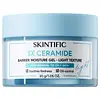
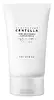
Skintific 5X Ceramide Barrier Moisture Gel - Light Texture Versus SKIN1004 Tone Brightening Capsule Cream
This barrier-repair moisturizer is formulated around Ceramide NP and Bisabolol to strengthen the skin barrier and hydrate skin.
This brightening moisturizer is formulated around Centella Asiatica Extract and Niacinamide to brighten dull-looking skin and fade the look of dark spots.


What's inside
What's inside
 Key Ingredients
Benefits
Concerns
Ingredients Side-by-side
Water
Skin ConditioningPEG-8
HumectantErythritol
Humectant
Butylene Glycol
Humectant
Dimethicone
Emollient

Pentylene Glycol
Skin Conditioning
Propanediol
Solvent
Glycerin
Humectant
Ammonium Acryloyldimethyltaurate/Beheneth-25 Methacrylate Crosspolymer
Emulsion Stabilising1,2-Hexanediol
Skin Conditioning
Hydroxyacetophenone
Antioxidant
Sodium Polyacryloyldimethyl Taurate
Emulsion StabilisingCeramide NP
Skin Conditioning



Xanthan Gum
EmulsifyingBisabolol
Antioxidant
Tetraselmis Suecica Extract
Skin ConditioningHydroxyphenyl Propamidobenzoic Acid
Skin ConditioningCeramide AP
Skin Conditioning
Ceramide Ns
Skin Conditioning
Lactic Acid
Buffering








Potassium Sorbate
Preservative
Zingiber Officinale Root Extract
Masking
Ascorbyl Palmitate
Antioxidant

Ceramide As
Skin Conditioning
Ceramide EOP
Skin Conditioning
Dimethicone/Vinyl Dimethicone Crosspolymer
Skin Conditioning
Arginine
Masking
Sodium Lauroyl Lactylate
EmulsifyingOctyldodecanol
Emollient
Diglucosyl Gallic Acid
Hydrolyzed Algae Extract
Skin ConditioningHydrogenated Lecithin
Emulsifying
Bioflavonoids
Skin ConditioningPPG-26-Buteth-26
Skin ConditioningPEG-40 Hydrogenated Castor Oil
Emulsifying
Diisostearyl Malate
EmollientEpigallocatechin Gallatyl Glucoside
Antioxidant
Ethoxydiglycol
HumectantLecithin
Emollient
Sodium Benzoate
Masking
Polyglyceryl-10 Stearate
Skin Conditioning
Disodium EDTA
Sucrose Stearate
EmollientPhytosphingosine
Skin Conditioning
Hexyldecanol
Emollient
Caprylic/Capric Triglyceride
Masking
Water, PEG-8, Erythritol, Butylene Glycol, Dimethicone, Pentylene Glycol, Propanediol, Glycerin, Ammonium Acryloyldimethyltaurate/Beheneth-25 Methacrylate Crosspolymer, 1,2-Hexanediol, Hydroxyacetophenone, Sodium Polyacryloyldimethyl Taurate, Ceramide NP, Xanthan Gum, Bisabolol, Tetraselmis Suecica Extract, Hydroxyphenyl Propamidobenzoic Acid, Ceramide AP, Ceramide Ns, Lactic Acid, Potassium Sorbate, Zingiber Officinale Root Extract, Ascorbyl Palmitate, Ceramide As, Ceramide EOP, Dimethicone/Vinyl Dimethicone Crosspolymer, Arginine, Sodium Lauroyl Lactylate, Octyldodecanol, Diglucosyl Gallic Acid, Hydrolyzed Algae Extract, Hydrogenated Lecithin, Bioflavonoids, PPG-26-Buteth-26, PEG-40 Hydrogenated Castor Oil, Diisostearyl Malate, Epigallocatechin Gallatyl Glucoside, Ethoxydiglycol, Lecithin, Sodium Benzoate, Polyglyceryl-10 Stearate, Disodium EDTA, Sucrose Stearate, Phytosphingosine, Hexyldecanol, Caprylic/Capric Triglyceride
Centella Asiatica Extract 60%
Cleansing
Water
Skin ConditioningButylene Glycol
Humectant
Propanediol
Solvent
Niacinamide
Smoothing

Isotridecyl Isononanoate
EmollientPhenyl Trimethicone
Skin Conditioning
1,2-Hexanediol
Skin Conditioning
Tranexamic Acid
Astringent
Diglycerin
Humectant
Squalane
Emollient
Butyrospermum Parkii Butter
Skin Conditioning

Polyglyceryl-3 Distearate
Emulsifying
Xylitylglucoside
Humectant
Cetyl Alcohol
Emollient
Acrylates/C10-30 Alkyl Acrylate Crosspolymer
Emulsion StabilisingAnhydroxylitol
Humectant
Polyacrylate Crosspolymer-6
Emulsion StabilisingArginine
Masking
Trehalose
Humectant
Zea Mays Starch
Absorbent
Xylitol
Humectant
Panthenol
Skin Conditioning
Pentylene Glycol
Skin Conditioning
Microcrystalline Cellulose
AbsorbentMannitol
Humectant
Glyceryl Stearate Citrate
Emollient
Ethylhexylglycerin
Skin ConditioningHydroxyethyl Urea
Humectant
Glycerin
Humectant
Glucose
Humectant
Madecassoside
Antioxidant
Sodium Hyaluronate
Humectant
Bisabolol
Antioxidant
Hydrogenated Lecithin
Emulsifying
Glyceryl Acrylate/Acrylic Acid Copolymer
HumectantPyrus Communis Flower Extract
Skin ConditioningLactobacillus Ferment
Skin Conditioning
Centella Asiatica Extract 60%, Water, Butylene Glycol, Propanediol, Niacinamide, Isotridecyl Isononanoate, Phenyl Trimethicone, 1,2-Hexanediol, Tranexamic Acid, Diglycerin, Squalane, Butyrospermum Parkii Butter, Polyglyceryl-3 Distearate, Xylitylglucoside, Cetyl Alcohol, Acrylates/C10-30 Alkyl Acrylate Crosspolymer, Anhydroxylitol, Polyacrylate Crosspolymer-6, Arginine, Trehalose, Zea Mays Starch, Xylitol, Panthenol, Pentylene Glycol, Microcrystalline Cellulose, Mannitol, Glyceryl Stearate Citrate, Ethylhexylglycerin, Hydroxyethyl Urea, Glycerin, Glucose, Madecassoside, Sodium Hyaluronate, Bisabolol, Hydrogenated Lecithin, Glyceryl Acrylate/Acrylic Acid Copolymer, Pyrus Communis Flower Extract, Lactobacillus Ferment
Reviews
Ingredients Explained
These ingredients are found in both products.
Ingredients higher up in an ingredient list are typically present in a larger amount.
1,2-Hexanediol is a synthetic liquid and another multi-functional powerhouse.
It is a:
- Humectant, drawing moisture into the skin
- Emollient, helping to soften skin
- Solvent, dispersing and stabilizing formulas
- Preservative booster, enhancing the antimicrobial activity of other preservatives
Arginine is a semi-essential amino acid. This just means our bodies can product a bit on its own, but sometimes needs a little boost from food sources.
It is a part of your skin's natural moisturizing factor (NMF), or the water-loving molecules in your outermost layer of skin (stratum corneum) that keeps everything hydrated and happy.
Here's an interesting thing about Arginine: your skin converts it into urea through the Krebs-Henseleit urea cycle. Urea is one of the most effective humectants your skin naturally produces.
A clinical study showed applying 2.5% arginine hydrochloride to atopic dermatitis skin showed significant urea levels in the stratum corneum and improved moisture in just four weeks.
Arginine is also a precursor to nitric oxide; nitric oxide improves microcirculation and supports wound healing and collagen synthesis.
One study found that an amino acid complex containing Arginine reduced skin irritation, improved hydration, and accelerated skin repair in clinical / in-vivo studies.
Arginine itself is an amino acid and not a fatty acid, oil, or ester. On its own, it's not a direct food source for Malassezia, or the yeast that causes fungal acne.
Learn more about ArginineBisabolol is a gentle skin conditioner, antioxidant, and soothing ingredient.
It's primary claim to fame is soothing and research shows topically applied bisabolol can quiet the chemical messengers that cause your skin to become inflamed, helping to sooth any irritation.
A clinical study found that applying 0.5% bisabolol daily for 8 weeks produced an average 9% decrease in skin pigmentation. Researchers found it can also suppress the process that leads to excess melanin production in skin.
In vitro studies found that bisabolol combined with propylene glycol significantly increased skin permeability by increasing lipid fluidity in the stratum corneum.
You'll likely see use concentrations quite low, usually 0.1-0.2%.
Overall, this is a well-tolerated ingredient that works well in formulas designed for sensitive, reactive, or post-procedure skin.
Learn more about BisabololButylene Glycol (or BG) is used within cosmetic products for a few different reasons:
Overall, Butylene Glycol is a safe and well-rounded ingredient that works well with other ingredients.
Though this ingredient works well with most skin types, some people with sensitive skin may experience a reaction such as allergic rashes, closed comedones, or itchiness.
Learn more about Butylene GlycolGlycerin (or glycerol) is a compound naturally found in your skin. It's a powerhouse humectant that pulls water into the stratum corneum.
Topically, glycerin does several things at once:
Your skin makes glycerin on its own (mostly from sebaceous oil breakdown) and shuttles it to your outermost layer of skin, or your epidermis, via aquaporin-3.
Aquaporin-3 is a transporter that is essential for normal skin hydration, elasticity, and repair. Interestingly, mice lacking in AQP3 have dry and less elastic skin that can be fully corrected with glycerin.
This ingredient is non-irritating, plays well with almost every ingredient, and works across all skin types. Typical use is anywhere between 3-10% but can go up to 79% in some leave-on products.
Just know very high concentrations (>40%) can feel tacky in low humidity.
Glycerin is the name for this ingredient in American English. British English uses Glycerol/Glycerine.
Learn more about GlycerinHydrogenated Lecithin is a more stable version of lecithin.
It's made by taking lecithin (a phospholipid commonly found in soybeans and egg yolks) and hydrogenating it. This just means the unsaturated fatty acids are turned into saturated ones so they don't go bad as easily.
This ingredient is an emollient, emulsifier, and penetration enhancer. As an emollient, it helps soften and hydrate skin by trapping moisture within. As an emulsifier, it prevents oil and water ingredients from separating.
Hydrogenated Lecithin can form tiny spherical structures made of phospholipid bilayers called liposomes. These liposomes are able to capture compounds inside their structure and deliver them through the skin barrier.
Because phospholipids are a natural component of our cell membranes, this ingredient is inherently compatible with skin.
A 2021 study found lecithin-based surfactants were less harsh and more tolerable comared to Sodium Lauryl Sulfate (SLS).
Learn more about Hydrogenated LecithinPentylene Glycol (1,2-pentanediol) is a multitasking little diol with three main roles in a formula:
Research on alkanediols (the family pentylene glycol belongs to) show they work by disrupting microbial cell membranes. This disruption helps the primary preservative system in a product work more effectively at lower doses.
On the safety side, the Cosmetic Ingredient Review Expert Panel has concluded this ingredient to be safe as used in current cosmetic practices + concentrations.
Typical use levels in a formula run about 1-5%.
Learn more about Pentylene GlycolPropanediol is an all-star ingredient. It softens, hydrates, and smooths the skin.
It’s often used to:
Propanediol is not likely to cause sensitivity and considered safe to use. It is derived from corn or petroleum with a clear color and no scent.
Learn more about PropanediolWater. It's the most common cosmetic ingredient of all. You'll usually see it at the top of ingredient lists, meaning that it makes up the largest part of the product.
So why is it so popular? Water most often acts as a solvent - this means that it helps dissolve other ingredients into the formulation.
You'll also recognize water as that liquid we all need to stay alive. If you see this, drink a glass of water. Remember to stay hydrated!
Learn more about Water

