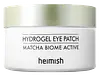
This hydrating eye mask is formulated around Niacinamide and Camellia Sinensis Leaf Extract to hydrate skin and calm redness.
This hydrating eye mask is formulated around Chondrus Crispus Extract and Allantoin to hydrate skin and calm redness.


What's inside
What's inside
 Key Ingredients
Benefits
Concerns
Ingredients Side-by-side
Water
Skin ConditioningGlycerin
Humectant


Carrageenan



Niacinamide
Smoothing









Camellia Sinensis Leaf Extract
Antimicrobial
Ceratonia Siliqua Gum
EmollientPentylene Glycol
Skin Conditioning
Caprylyl Glycol
Emollient
Lavandula Angustifolia Flower Extract
Cleansing

Monarda Didyma Leaf Extract
Skin ConditioningCyamopsis Tetragonoloba Gum
Emulsion StabilisingMentha Piperita Leaf Extract
Skin ConditioningFreesia Refracta Extract
Skin ConditioningChamomilla Recutita Flower Extract
Masking
Rosmarinus Officinalis Leaf Extract
AntimicrobialLactobacillus Ferment
Skin Conditioning
Saccharomyces Ferment
Skin Conditioning

Paeonia Lactiflora Root Extract
Skin ConditioningGlycyrrhiza Glabra Root Extract
Bleaching
Polygonum Multiflorum Root Extract
Skin ConditioningPhellinus Linteus Extract
Skin ConditioningMorus Alba Bark Extract
Skin ConditioningSophora Angustifolia Root Extract
Skin ConditioningCimicifuga Racemosa Root Extract
Antimicrobial
Sesamum Indicum Seed Extract
Skin Conditioning
Angelica Gigas Root Extract
Skin ConditioningScutellaria Baicalensis Root Extract
Astringent
Citrus Nobilis Peel Extract
Masking
Cupressus Sempervirens Leaf/Stem Extract
Skin ConditioningHedera Helix Leaf/Stem Extract
AntimicrobialCitrus Aurantium Bergamia Fruit Oil
Masking

Litsea Cubeba Fruit Oil
Masking
Ribes Nigrum Leaf Extract
Perfuming
Butylene Glycol
Humectant
Ethyl Hexanediol
SolventHexylene Glycol
EmulsifyingRicinus Communis Seed Oil
Masking
Propanediol
Solvent
Pinus Sylvestris Leaf Extract
TonicPolyglyceryl-10 Laurate
Skin Conditioning
Calcium Chloride
AstringentAllantoin
Skin Conditioning
Cellulose Gum
Emulsion Stabilising1,2-Hexanediol
Skin Conditioning
Chromium Oxide Greens
Potassium Chloride
Hydroxyacetophenone
Antioxidant
Illicium Verum Fruit Extract
Perfuming
Sucrose
Humectant
Chlorphenesin
Antimicrobial
Calcium Lactate
AstringentDipotassium Glycyrrhizate
Humectant
Titanium/Titanium Dioxide
Cosmetic ColorantSynthetic Fluorphlogopite
Adenosine
Skin Conditioning
Titanium Dioxide
Cosmetic Colorant

Polymethylsilsesquioxane

Silica
Abrasive
Polyglyceryl-10 Oleate
Skin Conditioning
Arginine
Masking
Ethylhexylglycerin
Skin ConditioningDisodium EDTA
ChelatingWater, Glycerin, Carrageenan, Niacinamide, Camellia Sinensis Leaf Extract, Ceratonia Siliqua Gum, Pentylene Glycol, Caprylyl Glycol, Lavandula Angustifolia Flower Extract, Monarda Didyma Leaf Extract, Cyamopsis Tetragonoloba Gum, Mentha Piperita Leaf Extract, Freesia Refracta Extract, Chamomilla Recutita Flower Extract, Rosmarinus Officinalis Leaf Extract, Lactobacillus Ferment, Saccharomyces Ferment, Paeonia Lactiflora Root Extract, Glycyrrhiza Glabra Root Extract, Polygonum Multiflorum Root Extract, Phellinus Linteus Extract, Morus Alba Bark Extract, Sophora Angustifolia Root Extract, Cimicifuga Racemosa Root Extract, Sesamum Indicum Seed Extract, Angelica Gigas Root Extract, Scutellaria Baicalensis Root Extract, Citrus Nobilis Peel Extract, Cupressus Sempervirens Leaf/Stem Extract, Hedera Helix Leaf/Stem Extract, Citrus Aurantium Bergamia Fruit Oil, Litsea Cubeba Fruit Oil, Ribes Nigrum Leaf Extract, Butylene Glycol, Ethyl Hexanediol, Hexylene Glycol, Ricinus Communis Seed Oil, Propanediol, Pinus Sylvestris Leaf Extract, Polyglyceryl-10 Laurate, Calcium Chloride, Allantoin, Cellulose Gum, 1,2-Hexanediol, Chromium Oxide Greens, Potassium Chloride, Hydroxyacetophenone, Illicium Verum Fruit Extract, Sucrose, Chlorphenesin, Calcium Lactate, Dipotassium Glycyrrhizate, Titanium/Titanium Dioxide, Synthetic Fluorphlogopite, Adenosine, Titanium Dioxide, Polymethylsilsesquioxane, Silica, Polyglyceryl-10 Oleate, Arginine, Ethylhexylglycerin, Disodium EDTA
Water
Skin ConditioningGlycerin
Humectant
Methylpropanediol
SolventChondrus Crispus Extract
Skin Conditioning
1,2-Hexanediol
Skin Conditioning
Ceratonia Siliqua Gum
EmollientHydroxyacetophenone
Antioxidant
Cellulose Gum
Emulsion StabilisingAllantoin
Skin Conditioning
Xanthan Gum
EmulsifyingPotassium Chloride
Titanium Dioxide
Cosmetic Colorant
Glyceryl Caprylate
EmollientCitrus Unshiu Peel Extract
MaskingCitrus Junos Fruit Extract
Skin ConditioningSucrose
Humectant
Butylene Glycol
Humectant
Parfum
Masking
Disodium EDTA
ChelatingHydroxyethyl Urea
Humectant
Panthenol
Skin Conditioning
Carbomer
Emulsion StabilisingTromethamine
BufferingCaprylic/Capric Triglyceride
Masking
Phenoxyethanol
Preservative
Hydrogenated Lecithin
Emulsifying
CI 42090
Cosmetic ColorantSoluble Collagen
Humectant
Ceramide NP
Skin Conditioning
Pantothenic Acid
Skin ConditioningMannose
HumectantRiboflavin
Cosmetic ColorantAscorbic Acid
Antioxidant
Thiamine Hcl
MaskingGlucose
Humectant
Carnitine Hcl
HumectantBiotin
AntiseborrhoeicTocopherol
Antioxidant
Retinyl Palmitate
Skin Conditioning
Niacin
SmoothingFolic Acid
Skin ConditioningWater, Glycerin, Methylpropanediol, Chondrus Crispus Extract, 1,2-Hexanediol, Ceratonia Siliqua Gum, Hydroxyacetophenone, Cellulose Gum, Allantoin, Xanthan Gum, Potassium Chloride, Titanium Dioxide, Glyceryl Caprylate, Citrus Unshiu Peel Extract, Citrus Junos Fruit Extract, Sucrose, Butylene Glycol, Parfum, Disodium EDTA, Hydroxyethyl Urea, Panthenol, Carbomer, Tromethamine, Caprylic/Capric Triglyceride, Phenoxyethanol, Hydrogenated Lecithin, CI 42090, Soluble Collagen, Ceramide NP, Pantothenic Acid, Mannose, Riboflavin, Ascorbic Acid, Thiamine Hcl, Glucose, Carnitine Hcl, Biotin, Tocopherol, Retinyl Palmitate, Niacin, Folic Acid
Reviews
Ingredients Explained
These ingredients are found in both products.
Ingredients higher up in an ingredient list are typically present in a larger amount.
1,2-Hexanediol is a synthetic liquid and another multi-functional powerhouse.
It is a:
- Humectant, drawing moisture into the skin
- Emollient, helping to soften skin
- Solvent, dispersing and stabilizing formulas
- Preservative booster, enhancing the antimicrobial activity of other preservatives
Allantoin is a soothing ingredient known for its protective and moisturizing properties; it's basically a quiet workhorse ingredient you can find in a huge range of cosmetics.
Though it can be derived from the comfrey plant, allantoin is produced synthetically for cosmetic products to ensure purity.
Research shows it can encourage your skin cells to turn over and renew by stimulating keratinocyte and fibroblast proliferation.
It also has mild keratolytic properties to help loosen and shed dead skin cells without being harsh.
Studies also suggest allantoin can help calm inflammation by dialing down some of the chemical signals your skin sends out when it is irritated.
This ingredient is typically used in the 0.1-0.5% range, and the FDA recognizes it as a skin protectant in OTC products up to 2%.
Overall, allantoin is a wonderful addition to most routines; it is stable across a wide pH range (~4-8), works well with other ingredients, and is considered non-sensitizing/non-irritating.
Fun fact: Allantoin is naturally occurring in comfrey root, beets, chamomile, and wheat sprouts. Our bodies even produce it as a byproduct of uric acid metabolism.
Learn more about AllantoinButylene Glycol (or BG) is used within cosmetic products for a few different reasons:
Overall, Butylene Glycol is a safe and well-rounded ingredient that works well with other ingredients.
Though this ingredient works well with most skin types, some people with sensitive skin may experience a reaction such as allergic rashes, closed comedones, or itchiness.
Learn more about Butylene GlycolCellulose Gum is a water-soluble polymer that comes from cellulose. It is used to change the texture of a product and to help stabilize emulsions.
As an emulsifier, cellulose gum specifically thicken the texture of water-based products.
This ingredient is considered hypoallergenic and non-toxic. Cellulose Gum can be found in cosmetics, food, and other household goods such as paper products.
Learn more about Cellulose GumCeratonia Siliqua Gum is extracted from the seeds of the carob tree. You might know this ingredient as Carob Gum or Locust Bean Gum. It is used to stabilize other ingredients and improve the texture of products.
Carob gum is made up of long-chain polysaccharides. This makes it a natural thickener.
Yes! This ingredient comes from the seeds of a tree. The name 'Locust Bean Gum' can be misleading.
Learn more about Ceratonia Siliqua GumDisodium EDTA is a chelating agent. It grabs onto and deactivates metal ions that sneak into your products from water, packaging, or air.
This ingredient mainly works behind the scenes and helps with:
On top of that, this ingredient can counteract the effects of hard water by binding to the minerals in it.
One thing worth knowing is that Disodium EDTA has been shown to be a mild penetration enhancer. It can help other ingredients absorb into skin more effectively which can be a double-edged sword (great for actives, but can also make the active too strong if you have sensitive skin).
Clinical patch testing showed no significant skin irritation at typical use concentrations and minimal dermal absorption.
You'll most likely see this ingredient near the end of an ingredient list. It's typically found in concentrations less than 1%.
Learn more about Disodium EDTAGlycerin (or glycerol) is a compound naturally found in your skin. It's a powerhouse humectant that pulls water into the stratum corneum.
Topically, glycerin does several things at once:
Your skin makes glycerin on its own (mostly from sebaceous oil breakdown) and shuttles it to your outermost layer of skin, or your epidermis, via aquaporin-3.
Aquaporin-3 is a transporter that is essential for normal skin hydration, elasticity, and repair. Interestingly, mice lacking in AQP3 have dry and less elastic skin that can be fully corrected with glycerin.
This ingredient is non-irritating, plays well with almost every ingredient, and works across all skin types. Typical use is anywhere between 3-10% but can go up to 79% in some leave-on products.
Just know very high concentrations (>40%) can feel tacky in low humidity.
Glycerin is the name for this ingredient in American English. British English uses Glycerol/Glycerine.
Learn more about GlycerinHydroxyacetophenone is a small phenolic molecule that earns its place in a formulas as an antioxidant and preservative booster.
As a phenol, it is able to neutralize free radicals to protect both the product and the skin from oxidative stress.
Though it can't kill microbes on its own, it works as a good supporting agent when combined with other preservatives like Phenoxyethanol or 1,2-Hexanediol.
This ingredient naturally occurs as piceol in Norwegian spruce needles (~0.4-1.1% dry weight and in cloudberries). Though the cosmetic-grade material is synthesized for purity and consistency.
You'll usually see it used at low levels and suppliers recommend up to 1% added to a water phase.
Safety testing was done at concentrations like 0.05% in SPF products and 0.5% in a Human Repeated Insult Patch Test. The safety evidence is assuring; this ingredient is safe for cosmetics in current use and also holds safety status as a food flavoring as well.
An honest caveat: the "soothing" and "anti-inflammatory" claims come mostly from supplier marketing rather than published clinical trials. The Cosmetic Ingredient Review's own literature search found no useful efficacy studies on this ingredient.
So the antioxidant and preservative-boosting roles are the well supported ones while the calming benefit is plausible but thinly evidenced.
Overall, this is a well-tolerated, low-irritation multitasker that quietly helps a formula stay fresh and stable.
Learn more about HydroxyacetophenoneWe don't have a description for Potassium Chloride yet.
Sucrose is a natural sugar found in fruits, vegetables, and nuts. It is the main constituent of white sugar.
In skincare, sucrose is a humectant and can be a mild exfoliant.
Sucrose is hydrophilic, meaning it attracts water. This makes it an effective humectant and helps hydrate the skin.
Studies show sugars may worsen acne-prone skin due to it disrupting the skin's natural biome. We recommend speaking with a professional if you have any concerns.
In some products such as body scrubs, sucrose is used as an gentle exfoliant.
The term 'sucrose' comes from the french word for sugar, 'sucre'.
Learn more about SucroseTitanium Dioxide (TD) is a mineral UV filter widely used in sunscreens and cosmetics.
It's one of only two UV filters officially classified as "mineral" by regulatory agencies (the other being Zinc Oxide).
A really common myth is that mineral filters work by reflecting UV light off your skin like tiny mirrors.
They don't only do that; modern research shows TD protects mostly by absorbing UV radiation, the same way chemical filters do.
When researchers measured this, reflection accounted for only about 4-5% of the protection (and less than SPF 2 on its own). The other ~95% comes from absorption: the UV photons hit the particle and their energy gets soaked up by its semiconductor band gap rather than bouncing off.
So "reflects vs. absorbs" was never really the right way to split mineral from chemical filters.
TD gives broad-spectrum protection that's strongest in the UVB and UVA-2 range and weaker in the UVA-1 range. Its UVA protection isn't quite as strong as Zinc Oxide's which is why you'll often see the two paired together.
Together, they make a solid broad-spectrum system.
TD is a great pick for sensitive, acne-prone, or redness-prone skin because it's non-irritating and chemically inert. Regulatory reviews classify it as a non-sensitizer and mild-to-non-irritant.
It's also unlikely to cause the "eye sting" some chemical filters are known for.
The main trade-off is cosmetic; TD can leave a white cast and has a thicker texture. This is why mineral sunscreens are often less cosmetically elegant than chemical or hybrid formulas (and harder to shade-match on deeper skin tones).
Formulators often use micronized or nano-sized TD to cut down on white case and improve spreadability. Smaller particles scatter less visible light so the formula looks less chalky while still filtering UV.
TD is almost always bundled with coatings like Alumina, Silica, Stearic Acid, or Dimethicone. These coatings do two important jobs:
TD can be used at up to 25% in a finished sunscreen; this is the regulatory ceiling in both the US and the EU.
In practice, the amount in any given product varies a lot depending on the target SPF and whether it's paired with other UV filters.
TD is one of the most heavily vetted sunscreen ingredients out there. It is approved as a UV filter in all major markets worldwide, including the US, EU, UK, Japan, Korea, China, Australia, and Canada.
The safety evidence is solid. There was an old worry that nano particles might absorb through skin into the body but multiple studies (including on damaged, sunburned, and UV-irradiated skin) have shown that TD stays on the surface and the layer of dead skin cells on top of everything else.
There's also no evidence of carcinogenicity, mutagenicity, or reproductive toxicity from dermal exposure of this ingredient.
For those who have seen the headline about a 2022 EU ban on TD, that was on TD as a food additive (a complete separate use from topical sunscreen).
There are ongoing questions about how nano-TD might affect marine ecosystems. As of now, there has been no conclusive evidence that any form of TD (or any other sunscreen filter) harms coral reefs or marine life.
The science is still developing and it's a space worth watching rather than packing over.
However, several destinations have reef-safety sunscreen rules that restrict certain chemical filters and steer visitors toward mineral, non-nano options. If you're traveling somewhere with these rules, a non-nano mineral sunscreen is the safe bet.
Learn more about Titanium DioxideWater. It's the most common cosmetic ingredient of all. You'll usually see it at the top of ingredient lists, meaning that it makes up the largest part of the product.
So why is it so popular? Water most often acts as a solvent - this means that it helps dissolve other ingredients into the formulation.
You'll also recognize water as that liquid we all need to stay alive. If you see this, drink a glass of water. Remember to stay hydrated!
Learn more about Water

