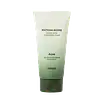
This salicylic acid foaming cleanser is formulated around Salicylic Acid to clear breakouts and unclog pores.
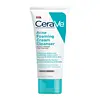
This benzoyl peroxide cream cleanser is formulated around Benzoyl Peroxide to clear breakouts and help reduce acne-causing bacteria.


What's inside
What's inside
 Key Ingredients
Benefits
Concerns
Ingredients Side-by-side
Water
Skin ConditioningGlycerin
Humectant


Sodium Cocoyl Glycinate
Cleansing
Sodium Cocoyl Glutamate
Cleansing
Sodium Methyl Cocoyl Taurate
Cleansing
1,2-Hexanediol
Skin Conditioning
Citric Acid
Buffering


Potassium Cocoyl Glycinate
Surfactant
Sodium Chloride
MaskingGlyceryl Stearate
Emollient
Salicylic Acid
Masking








Camellia Sinensis Leaf Extract
Antimicrobial



Citrus Nobilis Peel Extract
Masking
Butylene Glycol
Humectant
Gardenia Florida Fruit Extract
Skin ConditioningCupressus Sempervirens Leaf/Stem Extract
Skin ConditioningCitrus Aurantium Bergamia Fruit Oil
Masking

Hedera Helix Leaf/Stem Extract
AntimicrobialLitsea Cubeba Fruit Oil
Masking
Ribes Nigrum Leaf Extract
Perfuming
Lactobacillus Ferment
Skin Conditioning
Centella Asiatica Extract
Cleansing
Polygonum Cuspidatum Root Extract
Antioxidant
Scutellaria Baicalensis Root Extract
Astringent
Theobroma Cacao Seed Extract
Antioxidant
Saccharomyces Ferment
Skin Conditioning
Glycyrrhiza Glabra Root Extract
Bleaching
Dextrin
AbsorbentChamomilla Recutita Flower Extract
Masking
Rosmarinus Officinalis Leaf Extract
AntimicrobialLactobacillus Ferment Lysate
Skin Conditioning
Mentha Suaveolens Leaf Extract
AstringentTaraxacum Officinale Leaf Extract
Skin ConditioningThymus Vulgaris Extract
Perfuming
Ethylhexylglycerin
Skin ConditioningWater, Glycerin, Sodium Cocoyl Glycinate, Sodium Cocoyl Glutamate, Sodium Methyl Cocoyl Taurate, 1,2-Hexanediol, Citric Acid, Potassium Cocoyl Glycinate, Sodium Chloride, Glyceryl Stearate, Salicylic Acid, Camellia Sinensis Leaf Extract, Citrus Nobilis Peel Extract, Butylene Glycol, Gardenia Florida Fruit Extract, Cupressus Sempervirens Leaf/Stem Extract, Citrus Aurantium Bergamia Fruit Oil, Hedera Helix Leaf/Stem Extract, Litsea Cubeba Fruit Oil, Ribes Nigrum Leaf Extract, Lactobacillus Ferment, Centella Asiatica Extract, Polygonum Cuspidatum Root Extract, Scutellaria Baicalensis Root Extract, Theobroma Cacao Seed Extract, Saccharomyces Ferment, Glycyrrhiza Glabra Root Extract, Dextrin, Chamomilla Recutita Flower Extract, Rosmarinus Officinalis Leaf Extract, Lactobacillus Ferment Lysate, Mentha Suaveolens Leaf Extract, Taraxacum Officinale Leaf Extract, Thymus Vulgaris Extract, Ethylhexylglycerin
Benzoyl Peroxide 4%
Water
Skin ConditioningGlycerin
Humectant
Sodium Methyl Cocoyl Taurate
Cleansing
Coco-Betaine
Cleansing
Sodium Cocoyl Isethionate
Cleansing
Sodium Chloride
MaskingPEG-100 Stearate
Surfactant
PEG-30 Dipolyhydroxystearate
Emulsifying
Ceramide NP
Skin Conditioning
Ceramide AP
Skin Conditioning
Ceramide EOP
Skin Conditioning
Carbomer
Emulsion StabilisingGlyceryl Stearate
Emollient
Niacinamide
Smoothing
Trideceth-6
EmulsifyingCetearyl Alcohol
Emollient


Sodium Citrate
BufferingSodium Hydroxide
BufferingSodium Hyaluronate
Humectant
Sodium Lauroyl Lactylate
EmulsifyingCholesterol
Emollient
Phenoxyethanol
Preservative
Propanediol
Solvent
Caprylyl Glycol
Emollient
Xanthan Gum
EmulsifyingDiethylhexyl Sodium Sulfosuccinate
CleansingPhytosphingosine
Skin Conditioning
Acrylates/C10-30 Alkyl Acrylate Crosspolymer
Emulsion StabilisingEthylhexylglycerin
Skin ConditioningBenzoyl Peroxide 4%, Water, Glycerin, Sodium Methyl Cocoyl Taurate, Coco-Betaine, Sodium Cocoyl Isethionate, Sodium Chloride, PEG-100 Stearate, PEG-30 Dipolyhydroxystearate, Ceramide NP, Ceramide AP, Ceramide EOP, Carbomer, Glyceryl Stearate, Niacinamide, Trideceth-6, Cetearyl Alcohol, Sodium Citrate, Sodium Hydroxide, Sodium Hyaluronate, Sodium Lauroyl Lactylate, Cholesterol, Phenoxyethanol, Propanediol, Caprylyl Glycol, Xanthan Gum, Diethylhexyl Sodium Sulfosuccinate, Phytosphingosine, Acrylates/C10-30 Alkyl Acrylate Crosspolymer, Ethylhexylglycerin
Reviews
Alternatives
Ingredients Explained
These ingredients are found in both products.
Ingredients higher up in an ingredient list are typically present in a larger amount.
Ethylhexylglycerin is created from glycerin. It is a multitasker ingredient that:
The CIR Expert Panel found minimal skin absorption or sensitization of any kind in a safety assessment. Though this ingredient is considered well-tolerated, a small number of cases of allergic dermatitis have been published since 2002. Just be sure to patch test if you are unsure.
Industry-reported use ranges from 8% in rinse-off products and 2% in leave-on formulations.
Learn more about EthylhexylglycerinGlycerin (or glycerol) is a compound naturally found in your skin. It's a powerhouse humectant that pulls water into the stratum corneum.
Topically, glycerin does several things at once:
Your skin makes glycerin on its own (mostly from sebaceous oil breakdown) and shuttles it to your outermost layer of skin, or your epidermis, via aquaporin-3.
Aquaporin-3 is a transporter that is essential for normal skin hydration, elasticity, and repair. Interestingly, mice lacking in AQP3 have dry and less elastic skin that can be fully corrected with glycerin.
This ingredient is non-irritating, plays well with almost every ingredient, and works across all skin types. Typical use is anywhere between 3-10% but can go up to 79% in some leave-on products.
Just know very high concentrations (>40%) can feel tacky in low humidity.
Glycerin is the name for this ingredient in American English. British English uses Glycerol/Glycerine.
Learn more about GlycerinGlyceryl Stearate is made by reacting glycerin with stearic acid (typically sourced from plant oils like palm or coconut). It's an emulsifier, emollient, and mild occlusive.
Emulsifiers help ingredients like oil and water stay mixed so your formula stays nicely blended and uniform in texture.
This ingredient is typically used in concentrations between 1-10%. Studies have found it to be non-sensitizing, non-phototoxic, and non-photoallergenic.
A close cousin of this ingredient is Glyceryl Stearate SE ("self-emulsifying"). This just has a small amount of sodium or potassium stearate added so it can emulsify without a co-emulsifier.
Since this ingredient is an ester of a C18 fatty acid, it may not be fungal acne safe. The Malassezia yeast can potentially metabolize within the C11-C24 range.
Fun fact: The human body also creates Glyceryl Stearate naturally.
Learn more about Glyceryl StearateChances are, you eat sodium chloride every day. Sodium Chloride is also known as table salt. This ingredient has many purposes in skincare: thickener, emulsifier, and exfoliator.
You'll most likely find this ingredient in cleansers where it is used to create a gel-like texture. As an emulsifier, it also prevents ingredients from separating.
You might see people debate whether Sodium Chloride is comedogenic, but there actually haven't been any comedogenic tests done on it. Either way, the overall formulation of a product matters a lot more than any single ingredient.
You might see this ingredient used in scrubs as a primary exfoliating ingredient.
Learn more about Sodium ChlorideSodium Methyl Cocoyl Taurate is a gentle, coconut-derived cleansing surfactant. It's most commonly found in "sulfate-free" cleansers.
As a taurate, it belongs to a class of anionic surfactants prized for being efficient at cleansing without harshness, good performance in hard water, stability across a wide pH range, and easily biodegradable.
It is able to lift away oil and grime and make a nice lather without stripping your skin, so it's a good pick for sensitive skin.
Safety-wise, it has a good record. The CIR Expert Panel has concluded this ingredient to be safe in cosmetics and concentrations go up to 11% in leave-on products or 13% in rinse-off products.
Despite being derived from coconut oil, this ingredient is fungal acne safe. It's a water-soluble surfactant with no fatty oils or esters left intact on skin for the Malassezia yeast to feed.
Learn more about Sodium Methyl Cocoyl TaurateWater. It's the most common cosmetic ingredient of all. You'll usually see it at the top of ingredient lists, meaning that it makes up the largest part of the product.
So why is it so popular? Water most often acts as a solvent - this means that it helps dissolve other ingredients into the formulation.
You'll also recognize water as that liquid we all need to stay alive. If you see this, drink a glass of water. Remember to stay hydrated!
Learn more about Water

