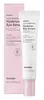
This anti-aging eye moisturizer is formulated around Sodium Hyaluronate and Madecassoside to soften the look of wrinkles and hydrate skin.
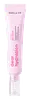
This barrier-repair eye moisturizer is formulated around Niacinamide to strengthen the skin barrier.

What's inside
What's inside
 Key Ingredients
Benefits
Concerns
Ingredients Side-by-side
Water
Skin ConditioningButylene Glycol
Humectant

Glycerin
Humectant
1,2-Hexanediol
Skin Conditioning
Dipropylene Glycol
HumectantGlycereth-26
Humectant
Xylitol
Humectant
Chondrus Crispus Extract
Skin Conditioning
C12-14 Pareth-12
EmulsifyingSodium Polyacryloyldimethyl Taurate
Emulsion StabilisingSaccharum Officinarum Extract
MoisturisingAcrylates/C10-30 Alkyl Acrylate Crosspolymer
Emulsion StabilisingHydrolyzed Jojoba Esters
Skin Conditioning

Tromethamine
BufferingSodium Hyaluronate
Humectant

Xanthan Gum
EmulsifyingEthylhexylglycerin
Skin ConditioningCitrus Aurantium Bergamia Fruit Oil
Masking



Citrus Aurantium Dulcis Peel Oil
Masking
Disodium EDTA
ChelatingBorago Officinalis Extract
Emollient
Centaurea Cyanus Flower Extract
Astringent
Chamomilla Recutita Flower/Leaf Extract
AntimicrobialHyacinthus Orientalis Extract
Skin ConditioningLavandula Angustifolia Flower Water
Skin Conditioning
Propanediol
Solvent
Salvia Sclarea Extract
AntiseborrhoeicMadecassoside
Antioxidant

Sodium Palmitoyl Proline
Skin ConditioningTocopherol
Antioxidant


Cucurbita Pepo Seed Oil
Emollient
Benzyl Glycol
SolventAsiaticoside
Antioxidant
Hydrolyzed Glycosaminoglycans
HumectantCentella Asiatica Leaf Extract
Skin Conditioning
Pentylene Glycol
Skin Conditioning
Sodium Hyaluronate Crosspolymer
Humectant
Hydrolyzed Hyaluronic Acid
Humectant
Nymphaea Alba Flower Extract
Skin ConditioningHydroxypropyltrimonium Hyaluronate
Cucurbita Pepo Fruit Extract
Skin Conditioning
Hyaluronic Acid
Humectant
Sodium Acetylated Hyaluronate
Humectant
Water, Butylene Glycol, Glycerin, 1,2-Hexanediol, Dipropylene Glycol, Glycereth-26, Xylitol, Chondrus Crispus Extract, C12-14 Pareth-12, Sodium Polyacryloyldimethyl Taurate, Saccharum Officinarum Extract, Acrylates/C10-30 Alkyl Acrylate Crosspolymer, Hydrolyzed Jojoba Esters, Tromethamine, Sodium Hyaluronate, Xanthan Gum, Ethylhexylglycerin, Citrus Aurantium Bergamia Fruit Oil, Citrus Aurantium Dulcis Peel Oil, Disodium EDTA, Borago Officinalis Extract, Centaurea Cyanus Flower Extract, Chamomilla Recutita Flower/Leaf Extract, Hyacinthus Orientalis Extract, Lavandula Angustifolia Flower Water, Propanediol, Salvia Sclarea Extract, Madecassoside, Sodium Palmitoyl Proline, Tocopherol, Cucurbita Pepo Seed Oil, Benzyl Glycol, Asiaticoside, Hydrolyzed Glycosaminoglycans, Centella Asiatica Leaf Extract, Pentylene Glycol, Sodium Hyaluronate Crosspolymer, Hydrolyzed Hyaluronic Acid, Nymphaea Alba Flower Extract, Hydroxypropyltrimonium Hyaluronate, Cucurbita Pepo Fruit Extract, Hyaluronic Acid, Sodium Acetylated Hyaluronate
Water
Skin ConditioningGlycerin
Humectant
Propanediol
Solvent
Caprylyl Methicone
Skin Conditioning
Dipropylene Glycol
HumectantCetearyl Alcohol
Emollient




Niacinamide
Smoothing



Silica
Abrasive
Dicaprylyl Ether
Emollient
Dicaprylyl Carbonate
Emollient1,2-Hexanediol
Skin Conditioning
Glyceryl Stearate
Emollient
Cetearyl Olivate
Dipentaerythrityl Hexahydroxystearate/Hexastearate/Hexarosinate
Skin ConditioningPentylene Glycol
Skin Conditioning
Sorbitan Olivate
Emulsifying
Polyglyceryl-2 Stearate
Emulsifying
Opuntia Ficus-Indica Fruit Extract
Skin ConditioningHydrogenated Polydecene
EmollientVinyldimethicone
Hydroxyethyl Acrylate/Sodium Acryloyldimethyl Taurate Copolymer
Emulsion StabilisingStearyl Alcohol
Emollient
Hydroxyacetophenone
Antioxidant
Palmitic Acid
Emollient
Stearic Acid
Cleansing
Chlorella Vulgaris Extract
Skin ConditioningGlucose
Humectant
Xanthan Gum
EmulsifyingButylene Glycol
Humectant
Fructooligosaccharides
Humectant
Fructose
Humectant
Panthenol
Skin Conditioning
Parfum
Masking
Eclipta Prostrata Extract
Skin Conditioning
Adenosine
Skin Conditioning
Ethylhexylglycerin
Skin ConditioningSodium Phytate
ChelatingMelia Azadirachta Leaf Extract
Skin ConditioningCamellia Sinensis Seed Oil
Humectant
Melia Azadirachta Flower Extract
Skin ConditioningOcimum Sanctum Leaf Extract
Skin ConditioningCurcuma Longa Root Extract
Antioxidant
Moringa Oleifera Seed Oil
Emollient
Corallina Officinalis Extract
Skin Conditioning
Tocopherol
Antioxidant
Yeast Ferment Extract
Skin ConditioningCandida Bombicola/Glucose/Methyl Rapeseedate Ferment
AntimicrobialWater, Glycerin, Propanediol, Caprylyl Methicone, Dipropylene Glycol, Cetearyl Alcohol, Niacinamide, Silica, Dicaprylyl Ether, Dicaprylyl Carbonate, 1,2-Hexanediol, Glyceryl Stearate, Cetearyl Olivate, Dipentaerythrityl Hexahydroxystearate/Hexastearate/Hexarosinate, Pentylene Glycol, Sorbitan Olivate, Polyglyceryl-2 Stearate, Opuntia Ficus-Indica Fruit Extract, Hydrogenated Polydecene, Vinyldimethicone, Hydroxyethyl Acrylate/Sodium Acryloyldimethyl Taurate Copolymer, Stearyl Alcohol, Hydroxyacetophenone, Palmitic Acid, Stearic Acid, Chlorella Vulgaris Extract, Glucose, Xanthan Gum, Butylene Glycol, Fructooligosaccharides, Fructose, Panthenol, Parfum, Eclipta Prostrata Extract, Adenosine, Ethylhexylglycerin, Sodium Phytate, Melia Azadirachta Leaf Extract, Camellia Sinensis Seed Oil, Melia Azadirachta Flower Extract, Ocimum Sanctum Leaf Extract, Curcuma Longa Root Extract, Moringa Oleifera Seed Oil, Corallina Officinalis Extract, Tocopherol, Yeast Ferment Extract, Candida Bombicola/Glucose/Methyl Rapeseedate Ferment
Ingredients Explained
These ingredients are found in both products.
Ingredients higher up in an ingredient list are typically present in a larger amount.
1,2-Hexanediol is a synthetic liquid and another multi-functional powerhouse.
It is a:
- Humectant, drawing moisture into the skin
- Emollient, helping to soften skin
- Solvent, dispersing and stabilizing formulas
- Preservative booster, enhancing the antimicrobial activity of other preservatives
Butylene Glycol (or BG) is used within cosmetic products for a few different reasons:
Overall, Butylene Glycol is a safe and well-rounded ingredient that works well with other ingredients.
Though this ingredient works well with most skin types, some people with sensitive skin may experience a reaction such as allergic rashes, closed comedones, or itchiness.
Learn more about Butylene GlycolDipropylene Glycol is a synthetically created humectant, stabilizer, and solvent.
This ingredient helps:
Dipropylene glycol is technically an alcohol, but it belongs to the glycol family (often considered part of the ‘good’ alcohols). This means it is hydrating and gentle on skin unlike drying solvent alcohols like denatured alcohol.
As a masking agent, Dipropylene Glycol can be used to cover the smell of other ingredients. However, it does not have a scent.
Studies show Dipropylene Glycol is considered safe to use in skincare.
Learn more about Dipropylene GlycolEthylhexylglycerin is created from glycerin. It is a multitasker ingredient that:
The CIR Expert Panel found minimal skin absorption or sensitization of any kind in a safety assessment. Though this ingredient is considered well-tolerated, a small number of cases of allergic dermatitis have been published since 2002. Just be sure to patch test if you are unsure.
Industry-reported use ranges from 8% in rinse-off products and 2% in leave-on formulations.
Learn more about EthylhexylglycerinGlycerin (or glycerol) is a compound naturally found in your skin. It's a powerhouse humectant that pulls water into the stratum corneum.
Topically, glycerin does several things at once:
Your skin makes glycerin on its own (mostly from sebaceous oil breakdown) and shuttles it to your outermost layer of skin, or your epidermis, via aquaporin-3.
Aquaporin-3 is a transporter that is essential for normal skin hydration, elasticity, and repair. Interestingly, mice lacking in AQP3 have dry and less elastic skin that can be fully corrected with glycerin.
This ingredient is non-irritating, plays well with almost every ingredient, and works across all skin types. Typical use is anywhere between 3-10% but can go up to 79% in some leave-on products.
Just know very high concentrations (>40%) can feel tacky in low humidity.
Glycerin is the name for this ingredient in American English. British English uses Glycerol/Glycerine.
Learn more about GlycerinPentylene Glycol (1,2-pentanediol) is a multitasking little diol with three main roles in a formula:
Research on alkanediols (the family pentylene glycol belongs to) show they work by disrupting microbial cell membranes. This disruption helps the primary preservative system in a product work more effectively at lower doses.
On the safety side, the Cosmetic Ingredient Review Expert Panel has concluded this ingredient to be safe as used in current cosmetic practices + concentrations.
Typical use levels in a formula run about 1-5%.
Learn more about Pentylene GlycolPropanediol is an all-star ingredient. It softens, hydrates, and smooths the skin.
It’s often used to:
Propanediol is not likely to cause sensitivity and considered safe to use. It is derived from corn or petroleum with a clear color and no scent.
Learn more about PropanediolTocopherol is a fat-soluble antioxidant known as Vitamin E.
You'll find this ingredient in the vast majority of skincare (for good reason). It works to neutralize free radicals, or unstable molecules generated by UV exposure, pollution, and other environmental stressors, before they can cause oxidative damage to your skin cells.
Topically applied tocopherol has been shown to protect against UV damage by ramping up the skin's own natural defense enzymes.
It also acts as a skin conditioning agent; some studies show that regular topical use can improve the skin's water-binding capacity over 2-4 weeks.
This ingredient is especially loved for being a team player. When combined with Vitamin C, the photoprotective effect of both ingredients roughly doubles and the combo also helps reduce UV-induced DNA damage.
This ingredient has some brightening potential but it's more of a prevention ingredient than spot-fader. Cell studies show it can slow down melanin production but it's worth noting that it's not the most powerful brightener out there.
In formulations, it also serves as a stabilizer that helps protect other oxidation-prone ingredients from degrading.
Concentrations usually range from 0.1-1% in most leave-on products.
Learn more about TocopherolWater. It's the most common cosmetic ingredient of all. You'll usually see it at the top of ingredient lists, meaning that it makes up the largest part of the product.
So why is it so popular? Water most often acts as a solvent - this means that it helps dissolve other ingredients into the formulation.
You'll also recognize water as that liquid we all need to stay alive. If you see this, drink a glass of water. Remember to stay hydrated!
Learn more about WaterXanthan gum is used as a stabilizer and thickener within cosmetic products. It helps give products a sticky, thick feeling - preventing them from being too runny.
On the technical side of things, xanthan gum is a polysaccharide - a combination consisting of multiple sugar molecules bonded together.
Xanthan gum is a pretty common and great ingredient. It is a natural, non-toxic, non-irritating ingredient that is also commonly used in food products.
Learn more about Xanthan Gum

