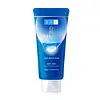
This phytic acid gel cleanser is formulated around Phytic Acid to exfoliate and smooth skin.


What's inside
What's inside
 Key Ingredients
Benefits
Concerns
Ingredients Side-by-side
Water
Skin ConditioningGlycerin
Humectant


Sodium Cocoyl Glycinate
Cleansing
Hydroxypropyl Starch Phosphate
Butylene Glycol
Humectant
Sodium Methyl Cocoyl Taurate
Cleansing
Decyl Glucoside
Cleansing
Cocamidopropyl Betaine
Cleansing


Citric Acid
Buffering

Glyceryl Stearate Se
Emulsifying


Potassium Cocoyl Glycinate
Surfactant
Styrene/Acrylates Copolymer
Myristic Acid
Cleansing
Polyquaternium-7
Phenoxyethanol
Preservative
Sodium Chloride
MaskingLauric Acid
Cleansing
Chlorphenesin
Antimicrobial
Hydroxypropyl Methylcellulose
Emulsion StabilisingDisodium EDTA
ChelatingBHT
Antioxidant
Ethylhexylglycerin
Skin ConditioningSodium Citrate
BufferingSodium Benzoate
Masking
Alpha-Arbutin
Antioxidant

Niacinamide
Smoothing







PEG-40 Hydrogenated Castor Oil
Emulsifying
3-O-Ethyl Ascorbic Acid
Skin Conditioning
Octyldodecanol
Emollient
Retinyl Palmitate
Skin Conditioning
Sodium Hyaluronate
Humectant
Sodium Metabisulfite
Antioxidant
Hydrolyzed Sodium Hyaluronate
Skin Conditioning
Lecithin
Emollient
Sodium Acetylated Hyaluronate
Humectant
Phytic Acid
Chelating
Centella Asiatica Extract
Cleansing
Trehalose
Humectant
Urea
Buffering
1,2-Hexanediol
Skin Conditioning
Pentylene Glycol
Skin Conditioning
Serine
Masking
Biosaccharide Gum-4
Skin Conditioning
Caprylyl Glycol
Emollient
Glyceryl Polyacrylate
Algin
MaskingDisodium Phosphate
BufferingPullulan
Potassium Phosphate
BufferingWater, Glycerin, Sodium Cocoyl Glycinate, Hydroxypropyl Starch Phosphate, Butylene Glycol, Sodium Methyl Cocoyl Taurate, Decyl Glucoside, Cocamidopropyl Betaine, Citric Acid, Glyceryl Stearate Se, Potassium Cocoyl Glycinate, Styrene/Acrylates Copolymer, Myristic Acid, Polyquaternium-7, Phenoxyethanol, Sodium Chloride, Lauric Acid, Chlorphenesin, Hydroxypropyl Methylcellulose, Disodium EDTA, BHT, Ethylhexylglycerin, Sodium Citrate, Sodium Benzoate, Alpha-Arbutin, Niacinamide, PEG-40 Hydrogenated Castor Oil, 3-O-Ethyl Ascorbic Acid, Octyldodecanol, Retinyl Palmitate, Sodium Hyaluronate, Sodium Metabisulfite, Hydrolyzed Sodium Hyaluronate, Lecithin, Sodium Acetylated Hyaluronate, Phytic Acid, Centella Asiatica Extract, Trehalose, Urea, 1,2-Hexanediol, Pentylene Glycol, Serine, Biosaccharide Gum-4, Caprylyl Glycol, Glyceryl Polyacrylate, Algin, Disodium Phosphate, Pullulan, Potassium Phosphate
Water
Skin ConditioningPotassium Palm Kernelate
CleansingPotassium Cocoate
Emulsifying
Potassium Cocoyl Glycinate
Surfactant
Sodium Cocoyl Glycinate
Cleansing
Lauryl Hydroxysultaine
CleansingMilk Protein Extract
Glycol Distearate
Emollient
Niacinamide
Smoothing
Arginine
Masking
Ceramide EOP
Skin Conditioning
Ceramide Ns
Skin Conditioning
Ceramide NP
Skin Conditioning
Ceramide As
Skin Conditioning
Ceramide AP
Skin Conditioning
Propylene Glycol
Humectant
Potassium Palmitate
EmulsifyingSodium Methyl Lauroyl Taurate
CleansingSodium Chloride
MaskingHydroxypropyl Methylcellulose
Emulsion StabilisingPolyquaternium-43
Polyquaternium-7
Stearic Acid
Cleansing
Hydroxystearic Acid
Cleansing
Methylparaben
Preservative

Propylparaben
Preservative
Sodium Benzoate
Masking
Aroma


Water, Potassium Palm Kernelate, Potassium Cocoate, Potassium Cocoyl Glycinate, Sodium Cocoyl Glycinate, Lauryl Hydroxysultaine, Milk Protein Extract, Glycol Distearate, Niacinamide, Arginine, Ceramide EOP, Ceramide Ns, Ceramide NP, Ceramide As, Ceramide AP, Propylene Glycol, Potassium Palmitate, Sodium Methyl Lauroyl Taurate, Sodium Chloride, Hydroxypropyl Methylcellulose, Polyquaternium-43, Polyquaternium-7, Stearic Acid, Hydroxystearic Acid, Methylparaben, Propylparaben, Sodium Benzoate, Aroma
Reviews
Ingredients Explained
These ingredients are found in both products.
Ingredients higher up in an ingredient list are typically present in a larger amount.
This ingredient is a semi-synthetic polymer created from cellulose. In case you need a refresher, cellulose is the main component of plant cell walls.
Hydroxypropyl Methylcellulose has many uses:
- emulsifier
- create a gel-like texture
- boost foam
Niacinamide is a multitasking form of vitamin B3 that strengthens the skin barrier, reduces pores and dark spots, regulates oil, and improves signs of aging.
And the best part? It's gentle and well-tolerated by most skin types, including sensitive and reactive skin.
You might have heard of "niacin flush", or the reddening of skin that causes itchiness. Niacinamide has not been found to cause this.
In very rare cases, some individuals may not be able to tolerate niacinamide at all or experience an allergic reaction to it.
If you are experiencing flaking, irritation, and dryness with this ingredient, be sure to double check all your products as this ingredient can be found in all categories of skincare.
When incorporating niacinamide into your routine, look out for concentration amounts. Typically, 5% niacinamide provides benefits such as fading dark spots. However, if you have sensitive skin, it is better to begin with a smaller concentration.
When you apply niacinamide to your skin, your body converts it into nicotinamide adenine dinucleotide (NAD). NAD is an essential coenzyme that is already found in your cells as "fuel" and powers countless biological processes.
In your skin, NAD helps repair cell damage, produce new healthy cells, support collagen production, strengthen the skin barrier, and fight environmental stressors (like UV and pollution).
Our natural NAD levels start to decline with age, leading to slower skin repair, visible aging, and a weaker skin barrier. By providing your skin niacinamide, you're recharging your skin's NAD levels. This leads to stronger, healthier, and younger looking skin.
Another name for vitamin B3 is nicotinamide. This vitamin is water-soluble and our bodies don't store it. We obtain Vitamin B3 from either food or skincare. Meat, fish, wheat, yeast, and leafy greens contain vitamin B3.
The type of niacinamide used in skincare is synthetically created.
Learn more about NiacinamidePolyquaternium-7 is a light to clear colored liquid. It is commonly found in haircare products for its film-forming and anti-static properties.
According to a manufacturer, it is a non-paraben and specially developed for negatively charged surfactant systems. This makes it a great hairstyle holder and helps to improve wet hair detangling without adding buildup.
Potassium Cocoyl Glycinate is an amino acid-based surfactant and cleaning agent. This ingredient can be derived from animals or plants. It may also be synthetically created from fatty acids of the coconut and glycine.
Potassium Cocoyl Glycinate is a gentle surfactant. Surfactants help gather the dirt, oil, and other pollutants from your skin to be rinsed away. It is a mild cleanser and naturally produces foam.
Sodium Benzoate is a preservative. It's used in both cosmetic and food products to inhibit the growth of mold and bacteria. It is typically produced synthetically.
Both the US FDA and EU Health Committee have approved the use of sodium benzoate. In the US, levels of 0.1% (of the total product) are allowed.
Sodium benzoate works as a preservative by inhibiting the growth of bacteria inside of cells. It prevents the cell from fermenting a type of sugar using an enzyme called phosphofructokinase.
It is the salt of benzoic acid. Foods containing sodium benzoate include soda, salad dressings, condiments, fruit juices, wines, and snack foods.
Studies for using ascorbic acid and sodium benzoate in cosmetics are lacking, especially in skincare routines with multiple steps.
We always recommend speaking with a professional, such as a dermatologist, if you have any concerns.
Learn more about Sodium BenzoateChances are, you eat sodium chloride every day. Sodium Chloride is also known as table salt. This ingredient has many purposes in skincare: thickener, emulsifier, and exfoliator.
You'll most likely find this ingredient in cleansers where it is used to create a gel-like texture. As an emulsifier, it also prevents ingredients from separating.
You might see people debate whether Sodium Chloride is comedogenic, but there actually haven't been any comedogenic tests done on it. Either way, the overall formulation of a product matters a lot more than any single ingredient.
You might see this ingredient used in scrubs as a primary exfoliating ingredient.
Learn more about Sodium ChlorideSodium Cocoyl Glycinate is a cleansing agent. It can be naturally derived or synthetically-created.
As a surfactant, it helps clean your skin by gathering dirt, oil, and other pollutants to be rinsed away more easily.
Water. It's the most common cosmetic ingredient of all. You'll usually see it at the top of ingredient lists, meaning that it makes up the largest part of the product.
So why is it so popular? Water most often acts as a solvent - this means that it helps dissolve other ingredients into the formulation.
You'll also recognize water as that liquid we all need to stay alive. If you see this, drink a glass of water. Remember to stay hydrated!
Learn more about Water

