Guerlain Abeille Royale Eye Cream Versus Guerlain Orchidee Imperiale The Molecular Concentrate Eye Cream
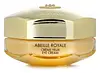
This anti-aging eye moisturizer is formulated around Squalane and Royal Jelly to soften the look of wrinkles and hydrate skin.
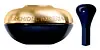
This anti-aging eye moisturizer is formulated around Ectoin and Acetyl Hexapeptide-8 to soften the look of wrinkles and hydrate skin.

What's inside
What's inside
 Key Ingredients
Benefits
Concerns
Ingredients Side-by-side
Water
Skin ConditioningButylene Glycol
Humectant

Glycerin
Humectant
Propanediol
Solvent
Squalane
Emollient
Caprylic/Capric Triglyceride
Masking
Mel
EmollientAlcohol
Antimicrobial




Cellulose
Absorbent
Arachidyl Alcohol
Emollient
Royal Jelly

Fructose
Humectant
C10-18 Triglycerides
Emollient
Synthetic Fluorphlogopite
Sodium Polyacrylate
Absorbent
Stearalkonium Hectorite
Gel FormingBehenyl Alcohol
Emollient
CI 77891
Cosmetic ColorantCetyl Alcohol
Emollient
Stearyl Alcohol
Emollient
Caprylic/Capric/Succinic Triglyceride
EmollientAvena Sativa Kernel Extract
Abrasive


Arachidyl Glucoside
EmulsifyingCaprylyl Glycol
Emollient
Pentylene Glycol
Skin Conditioning
Zingiber Zerumbet Extract
Skin ConditioningChlorphenesin
Antimicrobial
Propylene Carbonate
SolventSodium Stearoyl Glutamate
CleansingTocopheryl Acetate
Antioxidant

Sodium Citrate
BufferingParfum
Masking

Aesculus Hippocastanum Extract
Antioxidant
Acrylates/C10-30 Alkyl Acrylate Crosspolymer
Emulsion StabilisingCentella Asiatica Leaf Extract
Skin Conditioning
Hyaluronic Acid
Humectant
Malva Sylvestris Extract
AstringentSodium Hyaluronate
Humectant
Rosmarinus Officinalis Leaf Extract
AntimicrobialBiosaccharide Gum-2
Skin ConditioningCitric Acid
Buffering
Sodium Benzoate
Masking
Tin Oxide
Abrasive
Potassium Sorbate
Preservative
Caramel
Cosmetic ColorantSodium Hydroxide
BufferingWater, Butylene Glycol, Glycerin, Propanediol, Squalane, Caprylic/Capric Triglyceride, Mel, Alcohol, Cellulose, Arachidyl Alcohol, Royal Jelly, Fructose, C10-18 Triglycerides, Synthetic Fluorphlogopite, Sodium Polyacrylate, Stearalkonium Hectorite, Behenyl Alcohol, CI 77891, Cetyl Alcohol, Stearyl Alcohol, Caprylic/Capric/Succinic Triglyceride, Avena Sativa Kernel Extract, Arachidyl Glucoside, Caprylyl Glycol, Pentylene Glycol, Zingiber Zerumbet Extract, Chlorphenesin, Propylene Carbonate, Sodium Stearoyl Glutamate, Tocopheryl Acetate, Sodium Citrate, Parfum, Aesculus Hippocastanum Extract, Acrylates/C10-30 Alkyl Acrylate Crosspolymer, Centella Asiatica Leaf Extract, Hyaluronic Acid, Malva Sylvestris Extract, Sodium Hyaluronate, Rosmarinus Officinalis Leaf Extract, Biosaccharide Gum-2, Citric Acid, Sodium Benzoate, Tin Oxide, Potassium Sorbate, Caramel, Sodium Hydroxide
Water
Skin ConditioningGlycerin
Humectant
Limnanthes Alba Seed Oil
Skin Conditioning
Butylene Glycol
Humectant
Propanediol
Solvent
Butyrospermum Parkii Butter
Skin Conditioning

Pentylene Glycol
Skin Conditioning
Ethylhexyl Palmitate
Emollient
Lauroyl Lysine
Skin Conditioning
Gastrodia Elata Root Extract
Skin ConditioningPhytosteryl/Octyldodecyl Lauroyl Glutamate
Skin ConditioningHydrogenated Lecithin
Emulsifying
Sodium Polyacrylate
Absorbent
Ectoin
Skin Conditioning
Avena Sativa Kernel Extract
Abrasive
Hydroxyacetophenone
Antioxidant
Cellulose
Absorbent
Chlorphenesin
Antimicrobial
Parfum
Masking
1,2-Hexanediol
Skin Conditioning
Caprylyl Glycol
Emollient
Synthetic Fluorphlogopite
Silica
Abrasive
Acrylates/C10-30 Alkyl Acrylate Crosspolymer
Emulsion StabilisingSodium Stearoyl Glutamate
CleansingTocopheryl Acetate
Antioxidant
CI 77891
Cosmetic ColorantPhytosterols
Skin Conditioning
Dendrobium Nobile Extract
Skin ConditioningAdenosine
Skin Conditioning
Trihydroxystearin
Skin Conditioning
Sodium Benzoate
Masking
Xanthan Gum
EmulsifyingBacillus Ferment
Skin Conditioning
Glyceryl Caprylate
EmollientTin Oxide
Abrasive
Tropaeolum Majus Flower/Leaf/Stem Extract
Skin ConditioningSodium Hyaluronate
Humectant
Glycine Soja Oil
Emollient
Tocopherol
Antioxidant
Acetyl Hexapeptide-8
Humectant
Diamond Powder
Abrasive
Pentaerythrityl Tetra-Di-T-Butyl Hydroxyhydrocinnamate
Antioxidant
Glucomannan
Skin ConditioningWater, Glycerin, Limnanthes Alba Seed Oil, Butylene Glycol, Propanediol, Butyrospermum Parkii Butter, Pentylene Glycol, Ethylhexyl Palmitate, Lauroyl Lysine, Gastrodia Elata Root Extract, Phytosteryl/Octyldodecyl Lauroyl Glutamate, Hydrogenated Lecithin, Sodium Polyacrylate, Ectoin, Avena Sativa Kernel Extract, Hydroxyacetophenone, Cellulose, Chlorphenesin, Parfum, 1,2-Hexanediol, Caprylyl Glycol, Synthetic Fluorphlogopite, Silica, Acrylates/C10-30 Alkyl Acrylate Crosspolymer, Sodium Stearoyl Glutamate, Tocopheryl Acetate, CI 77891, Phytosterols, Dendrobium Nobile Extract, Adenosine, Trihydroxystearin, Sodium Benzoate, Xanthan Gum, Bacillus Ferment, Glyceryl Caprylate, Tin Oxide, Tropaeolum Majus Flower/Leaf/Stem Extract, Sodium Hyaluronate, Glycine Soja Oil, Tocopherol, Acetyl Hexapeptide-8, Diamond Powder, Pentaerythrityl Tetra-Di-T-Butyl Hydroxyhydrocinnamate, Glucomannan
Ingredients Explained
These ingredients are found in both products.
Ingredients higher up in an ingredient list are typically present in a larger amount.
Acrylates/C10-30 Alkyl Acrylate Crosspolymer is a synthetic polymer. It is used to thicken, emulsify, and improve the texture of products.
As an emulsifier, it helps stabilize oil-in-water emulsions to give products an elegant feel when applied.
It can also form a thin protective film on skin. One study found that a formula using this polymer helped slow down how quickly other ingredients (like DEET) were absorbed through skin.
A 2024 study of over 1,300 patients confirmed that sensitization to this ingredient is rare. It is also non-mutagenic and has a clean track record.
Learn more about Acrylates/C10-30 Alkyl Acrylate CrosspolymerAvena Sativa Kernel Extract is is derived from colloidal oatmeal. Besides being a healthy breakfast, oats have many benefits in skincare too.
This ingredient helps sooth, hydrate, and protect the skin. The starches in colloidal oatmeal are able to bind water, keeping the skin hydrated.
The cellulose and fiber in colloidal oatmeal help reduce inflammation. This can also help the skin feel softer.
Colloidal Oatmeal is also an antioxidant. Antioxidants protect our skin from free-radical damage.
Oatmeal also contains beneficial compounds:
This ingredient is created by mixing grounded oatmeal and a liquid base.
Learn more about Avena Sativa Kernel ExtractButylene Glycol (or BG) is used within cosmetic products for a few different reasons:
Overall, Butylene Glycol is a safe and well-rounded ingredient that works well with other ingredients.
Though this ingredient works well with most skin types, some people with sensitive skin may experience a reaction such as allergic rashes, closed comedones, or itchiness.
Learn more about Butylene GlycolCaprylyl Glycol is a humectant, skin conditioner, emollient, and preservative booster derived from either caprylic acid or synthetically created.
Typical use levels vary from 0.3-1% as a preservative booster and go up to 2% to condition skin.
Because it is not a free-fatty acid, this ingredient is fungal acne safe (there's nothing for Malassezia to feed on).
Learn more about Caprylyl GlycolCellulose is the main component of plant cell walls. It is used as an emulsifier, absorbent, and texture enhancer.
This ingredient has many functions:
Fun fact: Cellulose is the most abundant form of organic polymer on Earth.
Learn more about CelluloseChlorphenesin is a synthetic preservative. It helps protect a product against bacteria in order to extend shelf life. In most cases, Chlorphenesin is paired with other preservatives such as phenoxyethanol and caprylyl glycol.
Chlorphenesin is a biocide. This means it is able to help fight the microorganisms on our skin. It is also able to fight odor-releasing bacteria.
Chlorphenesin is soluble in both water and glycerin.
Studies show Chlorphenesin is easily absorbed by our skin. You should speak with a skincare professional if you have concerns about using Chlorphenesin.
Learn more about ChlorphenesinCi 77891 is a white pigment from Titanium dioxide. It is naturally found in minerals such as rutile and ilmenite.
It's main function is to add a white color to cosmetics. It can also be mixed with other colors to create different shades.
Ci 77891 is commonly found in sunscreens due to its ability to block UV rays.
Learn more about CI 77891Glycerin (or glycerol) is a compound naturally found in your skin. It's a powerhouse humectant that pulls water into the stratum corneum.
Topically, glycerin does several things at once:
Your skin makes glycerin on its own (mostly from sebaceous oil breakdown) and shuttles it to your outermost layer of skin, or your epidermis, via aquaporin-3.
Aquaporin-3 is a transporter that is essential for normal skin hydration, elasticity, and repair. Interestingly, mice lacking in AQP3 have dry and less elastic skin that can be fully corrected with glycerin.
This ingredient is non-irritating, plays well with almost every ingredient, and works across all skin types. Typical use is anywhere between 3-10% but can go up to 79% in some leave-on products.
Just know very high concentrations (>40%) can feel tacky in low humidity.
Glycerin is the name for this ingredient in American English. British English uses Glycerol/Glycerine.
Learn more about GlycerinParfum is a catch-all term for an ingredient or more that is used to give a scent to products.
Also called "fragrance", this ingredient can be a blend of hundreds of chemicals or plant oils. This means every product with "fragrance" or "parfum" in the ingredients list is a different mixture.
For instance, Habanolide is a proprietary trade name for a specific aroma chemical. When used as a fragrance ingredient in cosmetics, most aroma chemicals fall under the broad labeling category of “FRAGRANCE” or “PARFUM” according to EU and US regulations.
The term 'parfum' or 'fragrance' is not regulated in many countries. In many cases, it is up to the brand to define this term.
For instance, many brands choose to label themselves as "fragrance-free" because they are not using synthetic fragrances. However, their products may still contain ingredients such as essential oils that are considered a fragrance by INCI standards.
One example is Calendula flower extract. Calendula is an essential oil that still imparts a scent or 'fragrance'.
Depending on the blend, the ingredients in the mixture can cause allergies and sensitivities on the skin. Some ingredients that are known EU allergens include linalool and citronellol.
Parfum can also be used to mask or cover an unpleasant scent.
The bottom line is: not all fragrances/parfum/ingredients are created equally. If you are worried about fragrances, we recommend taking a closer look at an ingredient. And of course, we always recommend speaking with a professional.
Learn more about ParfumPentylene Glycol (1,2-pentanediol) is a multitasking little diol with three main roles in a formula:
Research on alkanediols (the family pentylene glycol belongs to) show they work by disrupting microbial cell membranes. This disruption helps the primary preservative system in a product work more effectively at lower doses.
On the safety side, the Cosmetic Ingredient Review Expert Panel has concluded this ingredient to be safe as used in current cosmetic practices + concentrations.
Typical use levels in a formula run about 1-5%.
Learn more about Pentylene GlycolPropanediol is an all-star ingredient. It softens, hydrates, and smooths the skin.
It’s often used to:
Propanediol is not likely to cause sensitivity and considered safe to use. It is derived from corn or petroleum with a clear color and no scent.
Learn more about PropanediolSodium Benzoate is a preservative. It's used in both cosmetic and food products to inhibit the growth of mold and bacteria. It is typically produced synthetically.
Both the US FDA and EU Health Committee have approved the use of sodium benzoate. In the US, levels of 0.1% (of the total product) are allowed.
Sodium benzoate works as a preservative by inhibiting the growth of bacteria inside of cells. It prevents the cell from fermenting a type of sugar using an enzyme called phosphofructokinase.
It is the salt of benzoic acid. Foods containing sodium benzoate include soda, salad dressings, condiments, fruit juices, wines, and snack foods.
Studies for using ascorbic acid and sodium benzoate in cosmetics are lacking, especially in skincare routines with multiple steps.
We always recommend speaking with a professional, such as a dermatologist, if you have any concerns.
Learn more about Sodium BenzoateSodium Hyaluronate is the salt form of hyaluronic acid. It is a long sugar chain that is naturally found in your skin, joints, and connective tissue that maintains hydration and elasticity.
In skincare, it works as a humectant. It pulls water from the environment and deeper layers of skin and binds it to the surface.
Interestingly, the size of the molecule affects its behavior:
Some clinical evidence links low molecular weight versions to improved wrinkle depth, elasticity, anti-inflammatory effects, and barrier repair.
Many serums use a blend of both weights so you can get surface hydration plus longer-lasting and deeper effects.
You'll typically see concentrations between 0.1-2% for this ingredient.
Learn more about Sodium HyaluronateSodium Polyacrylate is the sodium salt of polyacrylic acid. It is used as an absorber, emollient, and stabilizer.
This ingredient is a super-absorbent polymer - meaning it can absorb 100 to 1000 times its mass in water. As an emollient, Sodium Polyacrylate helps soften and soothe skin. Emollients work by creating a barrier to trap moisture in. This helps keep your skin hydrated.
Sodium Stearoyl Glutamate is an amino-acid based emulsifier. It is made by combining stearic acid with L-glutamic acid and neutralizing it to a sodium salt.
As an emulsifier, it works mainly as an oil-in-water one and helps keep the oil and water in your formulas blended. It also contributes to a smooth, non-greasy skin feel.
This ingredient is biodegradable and commonly available in natural/COSMOS-certified grades.
Learn more about Sodium Stearoyl GlutamateSynthetic Fluorphlogopite is the synthethic version of mica. It consists of fluorine, aluminum and silicate.
Synthetic Fluorphlogopite is used to add volume to products.
It is considered non-irritating on the skin.
Learn more about Synthetic FluorphlogopiteTin Oxide is an inorganic oxide used to add opacity and volume to a product. In nature, it is already found in mineral form. The main ore of tin is an opaque and shiny mineral called casseterite.
Tin Oxide helps remove translucency in a product, or make it more opaque. Besides adding opacity, tin oxide is used for bulking to add volume.
Tocopheryl Acetate is a stable, shelf-friendly form of vitamin E.
Formulators love it because plain vitamin E oxidizes quickly once it hits air. This acetate version stays stable and resists going off, helping to extend a product's shelf life.
It's actually inactive on its own and works like a slow-release "storage" form; the enzymes in your skin called esterases gradually convert it into active vitamin E over time.
One in vivo study showed 5% of the acetate in the living layer of the epidermis converted to vitamin E after 5 days of application. This study also found the skin gained protection against UV damage even though the conversion was slow and small.
Once converted, vitamin E acts as a skin's main fat-soluble antioxidant that fights free radicals to protect skin from damage.
Topical vitamin E generally boosts the skin's photoprotection, and it reduced UV-damage in animal models.
This ingredient has some brightening potential but it's more of a prevention ingredient than spot-fader. Cell studies show it can slow down melanin production but it's worth noting that it's not the most powerful brightener out there.
Overall, it has a pretty solid safety profile and has been found to be non-irritating and non-comedogenic. Allergic reactions may happen but stay rare due to how widely the ingredient gets used.
The concentration will vary depending on the formula; industry data shows 0.1% in baby lotions, 3% in lipsticks, and 5% in foot powders. You can also find this ingredient at 100% in a pure vitamin E oil.
Most leave-on skincare keeps it at the lower end, often between 0.5-1%.
Learn more about Tocopheryl AcetateWater. It's the most common cosmetic ingredient of all. You'll usually see it at the top of ingredient lists, meaning that it makes up the largest part of the product.
So why is it so popular? Water most often acts as a solvent - this means that it helps dissolve other ingredients into the formulation.
You'll also recognize water as that liquid we all need to stay alive. If you see this, drink a glass of water. Remember to stay hydrated!
Learn more about Water

