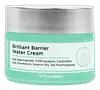
This barrier-repair moisturizer is formulated around Niacinamide and Panthenol to strengthen the skin barrier and hydrate skin.
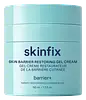
This barrier-repair moisturizer is formulated around Squalane and Niacinamide to strengthen the skin barrier and hydrate skin.


What's inside
What's inside
 Key Ingredients
Benefits
Concerns
Ingredients Side-by-side
Water
Skin ConditioningNiacinamide
Smoothing











Pentaerythrityl Tetraethylhexanoate
Emollient
PPG-5 Caprylyl Ether
Skin ConditioningSqualane
Emollient
Isopentyldiol
Humectant
Panthenol
Skin Conditioning
Cetearyl Olivate


Undecane
EmollientSaccharide Isomerate
Humectant
Sorbitan Olivate
Emulsifying
Glyceryl Stearate
Emollient
Behenyl Alcohol
Emollient
Bacillus Ferment
Skin Conditioning
Ceramide AP
Skin Conditioning
Ceramide As
Skin Conditioning
Ceramide NP
Skin Conditioning
Ceramide Ns
Skin Conditioning
Cholesterol
Emollient
Ceramide EOP
Skin Conditioning
Avena Sativa Kernel Oil
Skin Conditioning
Simmondsia Chinensis Seed Oil
Emollient
Allantoin
Skin Conditioning
Naringenin
Skin ConditioningHydrogenated Lecithin
Emulsifying
Glyceryl Caprylate
EmollientTridecane
Perfuming

Panthenyl Triacetate
Sodium Stearoyl Glutamate
CleansingAcrylates/C10-30 Alkyl Acrylate Crosspolymer
Emulsion StabilisingTocopheryl Acetate
Antioxidant

Glycerin
Humectant
Caprylhydroxamic Acid
ChelatingSodium Hydroxide
BufferingTrisodium Ethylenediamine Disuccinate
ChelatingDipropylene Glycol
HumectantSucrose Distearate
Emollient
Water, Niacinamide, Pentaerythrityl Tetraethylhexanoate, PPG-5 Caprylyl Ether, Squalane, Isopentyldiol, Panthenol, Cetearyl Olivate, Undecane, Saccharide Isomerate, Sorbitan Olivate, Glyceryl Stearate, Behenyl Alcohol, Bacillus Ferment, Ceramide AP, Ceramide As, Ceramide NP, Ceramide Ns, Cholesterol, Ceramide EOP, Avena Sativa Kernel Oil, Simmondsia Chinensis Seed Oil, Allantoin, Naringenin, Hydrogenated Lecithin, Glyceryl Caprylate, Tridecane, Panthenyl Triacetate, Sodium Stearoyl Glutamate, Acrylates/C10-30 Alkyl Acrylate Crosspolymer, Tocopheryl Acetate, Glycerin, Caprylhydroxamic Acid, Sodium Hydroxide, Trisodium Ethylenediamine Disuccinate, Dipropylene Glycol, Sucrose Distearate
Water
Skin ConditioningSqualane
Emollient
Propanediol
Solvent
Jojoba Oil/Macadamia Seed Oil Esters
Skin Conditioning
Triheptanoin
Skin ConditioningNiacinamide
Smoothing
Saccharide Isomerate
Humectant
Ammonium Acryloyldimethyltaurate/Vp Copolymer
Squalene
Emollient
Zinc PCA
Humectant
Hydrolyzed Hyaluronic Acid
Humectant
Glycerin
Humectant
Camellia Sinensis Seed Extract
Humectant
Allantoin
Skin Conditioning
Phytosteryl Macadamiate
Skin Conditioning
Phytosterols
Skin Conditioning
Acetyl Glutamine
Skin ConditioningLecithin
Emollient
Caprylyl Glycol
Emollient
Amylopectin
Sodium Hyaluronate
Humectant
Folic Acid
Skin ConditioningOligopeptide-3
Skin Conditioning
Bacillus/Soybean Ferment Extract
Skin ConditioningOligopeptide-1
Skin Conditioning
Oligopeptide-2
Skin Conditioning
Hexapeptide-11
Skin Conditioning
Tocopherol
Antioxidant
Lithothamnion Calcareum Extract
Skin ConditioningLactic Acid
Buffering


Glucose
Humectant
Acetyl Heptapeptide-4
Humectant
C14-22 Alcohols
Emulsion Stabilising
C12-20 Alkyl Glucoside
EmulsifyingEthylhexylglycerin
Skin ConditioningTrisodium Ethylenediamine Disuccinate
ChelatingPotassium Sorbate
Preservative
Citric Acid
Buffering
Sodium Citrate
BufferingPentylene Glycol
Skin Conditioning
Sodium Benzoate
Masking
Xanthan Gum
EmulsifyingPhenoxyethanol
Preservative
Water, Squalane, Propanediol, Jojoba Oil/Macadamia Seed Oil Esters, Triheptanoin, Niacinamide, Saccharide Isomerate, Ammonium Acryloyldimethyltaurate/Vp Copolymer, Squalene, Zinc PCA, Hydrolyzed Hyaluronic Acid, Glycerin, Camellia Sinensis Seed Extract, Allantoin, Phytosteryl Macadamiate, Phytosterols, Acetyl Glutamine, Lecithin, Caprylyl Glycol, Amylopectin, Sodium Hyaluronate, Folic Acid, Oligopeptide-3, Bacillus/Soybean Ferment Extract, Oligopeptide-1, Oligopeptide-2, Hexapeptide-11, Tocopherol, Lithothamnion Calcareum Extract, Lactic Acid, Glucose, Acetyl Heptapeptide-4, C14-22 Alcohols, C12-20 Alkyl Glucoside, Ethylhexylglycerin, Trisodium Ethylenediamine Disuccinate, Potassium Sorbate, Citric Acid, Sodium Citrate, Pentylene Glycol, Sodium Benzoate, Xanthan Gum, Phenoxyethanol
Reviews
Ingredients Explained
These ingredients are found in both products.
Ingredients higher up in an ingredient list are typically present in a larger amount.
Allantoin is a soothing ingredient known for its protective and moisturizing properties; it's basically a quiet workhorse ingredient you can find in a huge range of cosmetics.
Though it can be derived from the comfrey plant, allantoin is produced synthetically for cosmetic products to ensure purity.
Research shows it can encourage your skin cells to turn over and renew by stimulating keratinocyte and fibroblast proliferation.
It also has mild keratolytic properties to help loosen and shed dead skin cells without being harsh.
Studies also suggest allantoin can help calm inflammation by dialing down some of the chemical signals your skin sends out when it is irritated.
This ingredient is typically used in the 0.1-0.5% range, and the FDA recognizes it as a skin protectant in OTC products up to 2%.
Overall, allantoin is a wonderful addition to most routines; it is stable across a wide pH range (~4-8), works well with other ingredients, and is considered non-sensitizing/non-irritating.
Fun fact: Allantoin is naturally occurring in comfrey root, beets, chamomile, and wheat sprouts. Our bodies even produce it as a byproduct of uric acid metabolism.
Learn more about AllantoinGlycerin (or glycerol) is a compound naturally found in your skin. It's a powerhouse humectant that pulls water into the stratum corneum.
Topically, glycerin does several things at once:
Your skin makes glycerin on its own (mostly from sebaceous oil breakdown) and shuttles it to your outermost layer of skin, or your epidermis, via aquaporin-3.
Aquaporin-3 is a transporter that is essential for normal skin hydration, elasticity, and repair. Interestingly, mice lacking in AQP3 have dry and less elastic skin that can be fully corrected with glycerin.
This ingredient is non-irritating, plays well with almost every ingredient, and works across all skin types. Typical use is anywhere between 3-10% but can go up to 79% in some leave-on products.
Just know very high concentrations (>40%) can feel tacky in low humidity.
Glycerin is the name for this ingredient in American English. British English uses Glycerol/Glycerine.
Learn more about GlycerinNiacinamide is a multitasking form of vitamin B3 that strengthens the skin barrier, reduces pores and dark spots, regulates oil, and improves signs of aging.
And the best part? It's gentle and well-tolerated by most skin types, including sensitive and reactive skin.
You might have heard of "niacin flush", or the reddening of skin that causes itchiness. Niacinamide has not been found to cause this.
In very rare cases, some individuals may not be able to tolerate niacinamide at all or experience an allergic reaction to it.
If you are experiencing flaking, irritation, and dryness with this ingredient, be sure to double check all your products as this ingredient can be found in all categories of skincare.
When incorporating niacinamide into your routine, look out for concentration amounts. Typically, 5% niacinamide provides benefits such as fading dark spots. However, if you have sensitive skin, it is better to begin with a smaller concentration.
When you apply niacinamide to your skin, your body converts it into nicotinamide adenine dinucleotide (NAD). NAD is an essential coenzyme that is already found in your cells as "fuel" and powers countless biological processes.
In your skin, NAD helps repair cell damage, produce new healthy cells, support collagen production, strengthen the skin barrier, and fight environmental stressors (like UV and pollution).
Our natural NAD levels start to decline with age, leading to slower skin repair, visible aging, and a weaker skin barrier. By providing your skin niacinamide, you're recharging your skin's NAD levels. This leads to stronger, healthier, and younger looking skin.
Another name for vitamin B3 is nicotinamide. This vitamin is water-soluble and our bodies don't store it. We obtain Vitamin B3 from either food or skincare. Meat, fish, wheat, yeast, and leafy greens contain vitamin B3.
The type of niacinamide used in skincare is synthetically created.
Learn more about NiacinamideSaccharide Isomerate comes from sugars found in corn. It is a skin hydrator.
The structure of this ingredient can be altered to be more similar to the carbohydrates found in our skin. This ability to mimic our skin gives it hydrating properties.
Specifically, saccharide Isomerate is a humectant. Humectants draw moisture from the air to our skin.
Research shows Saccharide Isomerate to be an effective moisturizer.
Learn more about Saccharide IsomerateSqualane is the hydrogenated and shelf-stable form of squalene (a lipid that naturally occurs in human sebum).
It is an emollient and skin conditioning agent that is able to integrate seamlessly into the skin's lipid barrier without clogging pores.
This is due to how structurally similar it is to what your skin already produces.
Though it is mostly an emollient that helps soften and hydrate skin, it also has some humectant and occlusive action. Humectants help the skin retain moisture while occlusives seal it in, making squalane a triple-threat moisturizer.
Research shows it has antioxidant capabilities that help protect against stressors like UV exposure, specifically UVA induced oxidative stress. This study also found that it supports collagen biosynthesis in human dermal fibroblasts.
No clinical study has reported significant adverse effects and irritation reactions are very rare from this ingredient (even at 100% concentration).
Overall, it's a fantastic ingredient for hydration and is suitable for all skin types.
This depends on the source. Squalane can be derived from both plants and animals. Most squalane used in skincare comes from plants.
Please note: the source of squalane is only known if disclosed by the brand. We recommend reaching out to the brand if you have any questions about their squalane.
Read more about squalene with an "e".
Though squalane is often called an oil, it’s technically not one. It is a hydrocarbon, meaning it is only made of carbon and hydrogen. True oils are triglycerides and made of fatty acids and glycerol.
The term “oil-free” isn’t regulated so companies can define it however they want. Some exclude all oils, while others just avoid mineral oil or comedogenic oils.
Squalane has a comedogenic rating of 1 from the original 1972 study that tested raw ingredients under occlusion on rabbit ears. This system is not standardized or peer-reviewed, and using the raw ingredients is very different from how diluted cosmetic formulations are used on human skin.
A comedogenic rating of 1 means it is "unlikely to clog pores" according to the original rating system.
The overall formula of a product matters more than the individual ingredients on whether or not it will cause clogged pores.
Learn more about SqualaneTrisodium Ethylenediamine Disuccinate is used to help stabilize a product.
It is a chelating agent, meaning it helps prevent metal ions from binding to other ingredients. This prevents unwanted reactions in products. Metal ions can come into a product via the water ingredient. They are found in trace amounts and are not known to be harmful.
Water. It's the most common cosmetic ingredient of all. You'll usually see it at the top of ingredient lists, meaning that it makes up the largest part of the product.
So why is it so popular? Water most often acts as a solvent - this means that it helps dissolve other ingredients into the formulation.
You'll also recognize water as that liquid we all need to stay alive. If you see this, drink a glass of water. Remember to stay hydrated!
Learn more about Water

