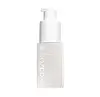
This brightening serum is formulated around Alpha-Arbutin and Phenylethyl Resorcinol to fade the look of dark spots and brighten dull-looking skin.
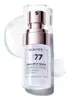
This brightening serum is formulated around Niacinamide and Acetyl Glucosamine to fade the look of dark spots and brighten dull-looking skin.


What's inside
What's inside
 Key Ingredients
Benefits
Concerns
Ingredients Side-by-side
Water
Skin ConditioningButylene Glycol
Humectant

Pentylene Glycol
Skin Conditioning
Centella Asiatica Extract
Cleansing




Citrus Junos Fruit Extract
Skin ConditioningAlpha-Arbutin
Antioxidant



Glycerin
Humectant
Hydrolyzed Sodium Hyaluronate
Skin Conditioning
Ceramide EOP
Skin Conditioning
Nonapeptide-1
Skin Conditioning
Bisabolol
Antioxidant
Ceramide AP
Skin Conditioning
Ceramide NP
Skin Conditioning
Arginine
Masking
Ceramide Ns
Skin Conditioning
Ceramide Ng
Skin Conditioning
Phenylethyl Resorcinol
Antioxidant
3-O-Ethyl Ascorbic Acid
Skin Conditioning

Panthenol
Skin Conditioning
Hydroxyethylpiperazine Ethane Sulfonic Acid
BufferingRaspberry Ketone
Masking

Diethoxyethyl Succinate
Solvent1,2-Hexanediol
Skin Conditioning
Dimethicone
Emollient
Propanediol
Solvent
Polyglyceryl-10 Myristate
Skin Conditioning

Trisiloxane
Skin Conditioning
Polyacrylate Crosspolymer-6
Emulsion StabilisingVerbascum Thapsus Extract
Skin ConditioningPEG/PPG-14/7 Dimethyl Ether
Skin ConditioningXanthan Gum
EmulsifyingSodium Hyaluronate
Humectant
Glycyrrhiza Glabra Root Extract
Bleaching
Citrus Reticulata Peel Extract
Skin ConditioningHydrogenated Lecithin
Emulsifying
Tranexamic Acid
Astringent
Sodium Acetylated Hyaluronate
Humectant
Hydrogenated Starch Hydrolysate
HumectantMaltooligosyl Glucoside
Skin ConditioningSodium Hyaluronate Crosspolymer
Humectant
Ceramide As
Skin Conditioning
Carnosine
Skin Conditioning
Decarboxy Carnosine Hcl
Skin ConditioningEctoin
Skin Conditioning
Ascorbyl Glucoside
Antioxidant
Parfum
Masking

Hydrolyzed Rice Protein
Skin ConditioningDisodium EDTA
ChelatingEthylhexylglycerin
Skin ConditioningHydroxypropyl Cyclodextrin
MaskingCitric Acid
Buffering
Sodium Benzoate
Masking
Ergothioneine
Antioxidant
Potassium Sorbate
Preservative
Water, Butylene Glycol, Pentylene Glycol, Centella Asiatica Extract, Citrus Junos Fruit Extract, Alpha-Arbutin, Glycerin, Hydrolyzed Sodium Hyaluronate, Ceramide EOP, Nonapeptide-1, Bisabolol, Ceramide AP, Ceramide NP, Arginine, Ceramide Ns, Ceramide Ng, Phenylethyl Resorcinol, 3-O-Ethyl Ascorbic Acid, Panthenol, Hydroxyethylpiperazine Ethane Sulfonic Acid, Raspberry Ketone, Diethoxyethyl Succinate, 1,2-Hexanediol, Dimethicone, Propanediol, Polyglyceryl-10 Myristate, Trisiloxane, Polyacrylate Crosspolymer-6, Verbascum Thapsus Extract, PEG/PPG-14/7 Dimethyl Ether, Xanthan Gum, Sodium Hyaluronate, Glycyrrhiza Glabra Root Extract, Citrus Reticulata Peel Extract, Hydrogenated Lecithin, Tranexamic Acid, Sodium Acetylated Hyaluronate, Hydrogenated Starch Hydrolysate, Maltooligosyl Glucoside, Sodium Hyaluronate Crosspolymer, Ceramide As, Carnosine, Decarboxy Carnosine Hcl, Ectoin, Ascorbyl Glucoside, Parfum, Hydrolyzed Rice Protein, Disodium EDTA, Ethylhexylglycerin, Hydroxypropyl Cyclodextrin, Citric Acid, Sodium Benzoate, Ergothioneine, Potassium Sorbate
Water
Skin ConditioningButylene Glycol
Humectant
Niacinamide
Smoothing


Glycerin
Humectant
Glycereth-26
Humectant
Caprylic/Capric Triglyceride
Masking
Hydroxyacetophenone
Antioxidant
1,2-Hexanediol
Skin Conditioning
Acetyl Glucosamine
Skin Conditioning
Ectoin
Skin Conditioning
Squalane
Emollient
Simmondsia Chinensis Seed Oil
Emollient
Phenylethyl Resorcinol
Antioxidant
Maris Aqua
HumectantPancratium Maritimum Extract
BleachingAllantoin
Skin Conditioning
Hydrogenated Lecithin
Emulsifying
Sodium Hyaluronate
Humectant
Acrylates/C10-30 Alkyl Acrylate Crosspolymer
Emulsion StabilisingSodium Acrylates Copolymer
Tocopheryl Acetate
Antioxidant
Ceramide NP
Skin Conditioning
Lecithin
Emollient
Diethylamino Hydroxybenzoyl Hexyl Benzoate
UV Filter
Disodium EDTA
ChelatingMethylpropanediol
SolventTocopherol
Antioxidant
Beta-Glucan
Skin Conditioning
Portulaca Oleracea Extract
Skin Conditioning
Phormidium Persicinum Extract
Antioxidant
Caprylhydroxamic Acid
ChelatingPhenoxyethanol
Preservative
Fructose
Humectant
Hydrolyzed Rhodophyceae Extract
Phosphatidylcholine
EmulsifyingAminomethyl Propanol
BufferingPolysorbate 80
Emulsifying
Ethylhexyl Methoxycinnamate
UV Absorber
Phytosterols
Skin Conditioning
Sodium Stearoyl Glutamate
CleansingWater, Butylene Glycol, Niacinamide, Glycerin, Glycereth-26, Caprylic/Capric Triglyceride, Hydroxyacetophenone, 1,2-Hexanediol, Acetyl Glucosamine, Ectoin, Squalane, Simmondsia Chinensis Seed Oil, Phenylethyl Resorcinol, Maris Aqua, Pancratium Maritimum Extract, Allantoin, Hydrogenated Lecithin, Sodium Hyaluronate, Acrylates/C10-30 Alkyl Acrylate Crosspolymer, Sodium Acrylates Copolymer, Tocopheryl Acetate, Ceramide NP, Lecithin, Diethylamino Hydroxybenzoyl Hexyl Benzoate, Disodium EDTA, Methylpropanediol, Tocopherol, Beta-Glucan, Portulaca Oleracea Extract, Phormidium Persicinum Extract, Caprylhydroxamic Acid, Phenoxyethanol, Fructose, Hydrolyzed Rhodophyceae Extract, Phosphatidylcholine, Aminomethyl Propanol, Polysorbate 80, Ethylhexyl Methoxycinnamate, Phytosterols, Sodium Stearoyl Glutamate
Reviews
Ingredients Explained
These ingredients are found in both products.
Ingredients higher up in an ingredient list are typically present in a larger amount.
1,2-Hexanediol is a synthetic liquid and another multi-functional powerhouse.
It is a:
- Humectant, drawing moisture into the skin
- Emollient, helping to soften skin
- Solvent, dispersing and stabilizing formulas
- Preservative booster, enhancing the antimicrobial activity of other preservatives
Butylene Glycol (or BG) is used within cosmetic products for a few different reasons:
Overall, Butylene Glycol is a safe and well-rounded ingredient that works well with other ingredients.
Though this ingredient works well with most skin types, some people with sensitive skin may experience a reaction such as allergic rashes, closed comedones, or itchiness.
Learn more about Butylene GlycolCeramide NP (formerly known as Ceramide 3) is one of the skin's naturally occurring lipids.
Since ceramides are the major lipid components of the skin, they are crucial for maintaining skin barrier and hydration. Ceramide NP most closely mirrors the dominant kind in human skin amongst ceramide subtypes.
This ceramide works by slotting into gaps within the stratum corneum's lipid matrix to limit trans-epidermal water loss (TEWL) and shield the skin against external irritants.
A study with 312 patients found that using a ceramide-containing routine for 4 weeks reduced the severity of atopic dermatitis by over 61%.
Another clinical study in subjects aged 60 and older found that a ceramide body wash and moisturizer improved skin dryness and itchy skin in 15 days.
Overall, ceramides are considered non-irritating and safety tests have found little to no observable adverse effects from using this ingredient.
Ceramide NP is usually sourced from plants (like soybean or rice bran), or produced synthetically.
Learn more about Ceramide NPDisodium EDTA is a chelating agent. It grabs onto and deactivates metal ions that sneak into your products from water, packaging, or air.
This ingredient mainly works behind the scenes and helps with:
On top of that, this ingredient can counteract the effects of hard water by binding to the minerals in it.
One thing worth knowing is that Disodium EDTA has been shown to be a mild penetration enhancer. It can help other ingredients absorb into skin more effectively which can be a double-edged sword (great for actives, but can also make the active too strong if you have sensitive skin).
Clinical patch testing showed no significant skin irritation at typical use concentrations and minimal dermal absorption.
You'll most likely see this ingredient near the end of an ingredient list. It's typically found in concentrations less than 1%.
Learn more about Disodium EDTAEctoin is a compound found naturally in some species of bacteria. It can be synthetically created for skincare use.
This ingredient is an osmolyte; Osmolytes help organisms survive osmotic shock (it protects them from extreme conditions). It does this by influencing the properties of biological fluids within cells.
When applied to the skin, ectoin helps bind water molecules to protect our skin. The water forms a sort of armor for the parts of our skin cells, enzymes, proteins, and more.
Besides this, ectoin has many uses in skincare:
A study from 2004 found ectoin to counteract the damage from UV-A exposure at different cell levels. It has also been shown to protect skin against both UV-A, UV-B rays, infrared light, and visible light.
Studies show ectoin to have dual-action pollution protection: first, it protects our skin from further pollution damage. Second, it helps repair damage from pollution.
In fact, ectoin has been shown to help with:
Fun fact: In the EU, ectoin is used in inhalation medication as an anti-pollution ingredient.
Ectoin is a highly stable ingredient. It has a wide pH range of 1-9. Light, oxygen, and temperature do not affect this ingredient.
The chemical name for this ingredient is Tetrahydromethylpyrimidine Carboxylic Acid.
Learn more about EctoinGlycerin (or glycerol) is a compound naturally found in your skin. It's a powerhouse humectant that pulls water into the stratum corneum.
Topically, glycerin does several things at once:
Your skin makes glycerin on its own (mostly from sebaceous oil breakdown) and shuttles it to your outermost layer of skin, or your epidermis, via aquaporin-3.
Aquaporin-3 is a transporter that is essential for normal skin hydration, elasticity, and repair. Interestingly, mice lacking in AQP3 have dry and less elastic skin that can be fully corrected with glycerin.
This ingredient is non-irritating, plays well with almost every ingredient, and works across all skin types. Typical use is anywhere between 3-10% but can go up to 79% in some leave-on products.
Just know very high concentrations (>40%) can feel tacky in low humidity.
Glycerin is the name for this ingredient in American English. British English uses Glycerol/Glycerine.
Learn more about GlycerinHydrogenated Lecithin is a more stable version of lecithin.
It's made by taking lecithin (a phospholipid commonly found in soybeans and egg yolks) and hydrogenating it. This just means the unsaturated fatty acids are turned into saturated ones so they don't go bad as easily.
This ingredient is an emollient, emulsifier, and penetration enhancer. As an emollient, it helps soften and hydrate skin by trapping moisture within. As an emulsifier, it prevents oil and water ingredients from separating.
Hydrogenated Lecithin can form tiny spherical structures made of phospholipid bilayers called liposomes. These liposomes are able to capture compounds inside their structure and deliver them through the skin barrier.
Because phospholipids are a natural component of our cell membranes, this ingredient is inherently compatible with skin.
A 2021 study found lecithin-based surfactants were less harsh and more tolerable comared to Sodium Lauryl Sulfate (SLS).
Learn more about Hydrogenated LecithinPhenylethyl Resorcinol (PR) is a synthetic antioxidant and tyrosinase inhibitor. This ingredient is found naturally in pine trees.
What is a tyrosinase inhibitor?
Tyrosinase is an enzyme that plays a key role in melanin production, which leads to skin darkening when exposed to UV light. By inhibiting this enzyme, PR can help with skin brightening and lifting dark spots.
The manufacturer states 0.5% of PR is more effective than 1% kojic acid. In 2013, a study of 80 participants found combining PR with other skin-brightening ingredients found 57% showed moderate improvement and 17% saw no change. Another study with 20 women reported a 43% reduction in uneven skin tone.
While more research is needed to fully confirm PR's efficacy, there’s no harm in trying it - especially when combined with other proven skin-brightening ingredients.
Learn more about Phenylethyl ResorcinolSodium Hyaluronate is the salt form of hyaluronic acid. It is a long sugar chain that is naturally found in your skin, joints, and connective tissue that maintains hydration and elasticity.
In skincare, it works as a humectant. It pulls water from the environment and deeper layers of skin and binds it to the surface.
Interestingly, the size of the molecule affects its behavior:
Some clinical evidence links low molecular weight versions to improved wrinkle depth, elasticity, anti-inflammatory effects, and barrier repair.
Many serums use a blend of both weights so you can get surface hydration plus longer-lasting and deeper effects.
You'll typically see concentrations between 0.1-2% for this ingredient.
Learn more about Sodium HyaluronateWater. It's the most common cosmetic ingredient of all. You'll usually see it at the top of ingredient lists, meaning that it makes up the largest part of the product.
So why is it so popular? Water most often acts as a solvent - this means that it helps dissolve other ingredients into the formulation.
You'll also recognize water as that liquid we all need to stay alive. If you see this, drink a glass of water. Remember to stay hydrated!
Learn more about Water

