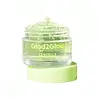
This calming moisturizer is formulated around Centella Asiatica Leaf Extract and Allantoin to calm redness and strengthen the skin barrier.
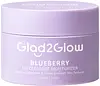
This barrier-repair moisturizer is formulated around Ceramide EOP and Centella Asiatica Leaf Extract to strengthen the skin barrier and hydrate skin.

What's inside
What's inside
 Key Ingredients
Benefits
Concerns
Ingredients Side-by-side
Water
Skin ConditioningCentella Asiatica Leaf Extract
Skin Conditioning



Methyl Gluceth-10
EmulsifyingPropylene Glycol
Humectant


Butylene Glycol
Humectant
1,2-Hexanediol
Skin Conditioning
Hydroxyacetophenone
Antioxidant
Acrylates/C10-30 Alkyl Acrylate Crosspolymer
Emulsion StabilisingGlycerin
Humectant
Allantoin
Skin Conditioning
Aminomethyl Propanol
BufferingPentylene Glycol
Skin Conditioning
Hamamelis Virginiana Extract
Antiseborrhoeic

Gentiana Scabra Root Extract
Skin ConditioningMenthyl Lactate
Masking
Ethyl Menthane Carboxamide
TonicHydroxyphenyl Propamidobenzoic Acid
Skin ConditioningPanthenol
Skin Conditioning
Royal Jelly
Castanea Sativa Seed Extract
Skin ConditioningHelianthus Annuus Seed Extract
Skin Conditioning
Viola Tricolor Extract
EmollientGlycyrrhiza Inflata Root Extract
Skin Conditioning
Salix Alba Bark Extract
Astringent

Scutellaria Baicalensis Root Extract
Astringent
Sea Water
HumectantGlycine Soja Seed Extract
Skin Conditioning
Secale Cereale Seed Extract
Abrasive
Ectoin
Skin Conditioning
Sophora Flavescens Root Extract
Antioxidant
Fomes Officinalis Extract
Skin ProtectingPyrus Cydonia Seed Extract
MaskingHibiscus Abelmoschus Seed Extract
Masking
Ascorbyl Palmitate
Antioxidant


Panicum Miliaceum Seed Extract
Skin ConditioningPEG-40 Hydrogenated Castor Oil
Emulsifying
PPG-26-Buteth-26
Skin ConditioningDisodium EDTA
ChelatingMethyl Diisopropyl Propionamide
MaskingCaprylyl Glycol
Emollient
Parfum
Masking
Bis-Ethoxydiglycol Cyclohexane 1,4-Dicarboxylate
EmollientXanthan Gum
EmulsifyingWater, Centella Asiatica Leaf Extract, Methyl Gluceth-10, Propylene Glycol, Butylene Glycol, 1,2-Hexanediol, Hydroxyacetophenone, Acrylates/C10-30 Alkyl Acrylate Crosspolymer, Glycerin, Allantoin, Aminomethyl Propanol, Pentylene Glycol, Hamamelis Virginiana Extract, Gentiana Scabra Root Extract, Menthyl Lactate, Ethyl Menthane Carboxamide, Hydroxyphenyl Propamidobenzoic Acid, Panthenol, Royal Jelly, Castanea Sativa Seed Extract, Helianthus Annuus Seed Extract, Viola Tricolor Extract, Glycyrrhiza Inflata Root Extract, Salix Alba Bark Extract, Scutellaria Baicalensis Root Extract, Sea Water, Glycine Soja Seed Extract, Secale Cereale Seed Extract, Ectoin, Sophora Flavescens Root Extract, Fomes Officinalis Extract, Pyrus Cydonia Seed Extract, Hibiscus Abelmoschus Seed Extract, Ascorbyl Palmitate, Panicum Miliaceum Seed Extract, PEG-40 Hydrogenated Castor Oil, PPG-26-Buteth-26, Disodium EDTA, Methyl Diisopropyl Propionamide, Caprylyl Glycol, Parfum, Bis-Ethoxydiglycol Cyclohexane 1,4-Dicarboxylate, Xanthan Gum
Water
Skin ConditioningGlycerin
Humectant
Butylene Glycol
Humectant
Hydrogenated Polyisobutene
EmollientPropylene Glycol Dicaprylate/Dicaprate
EmollientCyclopentasiloxane
Emollient
Ceramide EOP
Skin Conditioning
Ceramide AP
Skin Conditioning
Ceramide Ns
Skin Conditioning
Ceramide Ng
Skin Conditioning
Ceramide As
Skin Conditioning
Sodium Hyaluronate
Humectant
Centella Asiatica Leaf Extract
Skin Conditioning
Ammonium Acryloyldimethyltaurate/Vp Copolymer
Hydroxyacetophenone
Antioxidant
Betaine
Humectant
Cyclohexasiloxane
Emollient
Allantoin
Skin Conditioning
Tridecyl Trimellitate
EmollientHydroxyethyl Acrylate/Sodium Acryloyldimethyl Taurate Copolymer
Emulsion StabilisingSqualane
Emollient
Trehalose
Humectant
Sophora Flavescens Root Extract
Antioxidant
Opuntia Ficus-Indica Stem Extract
Skin Conditioning
Ophiopogon Japonicus Root Extract
Skin ConditioningPentylene Glycol
Skin Conditioning
Panicum Miliaceum Seed Extract
Skin ConditioningHibiscus Abelmoschus Seed Extract
Masking
Pyrus Cydonia Seed Extract
MaskingSecale Cereale Seed Extract
Abrasive
Glycine Soja Seed Extract
Skin Conditioning
Tocopherol
Antioxidant
Ceramide NP
Skin Conditioning
Castanea Sativa Seed Extract
Skin ConditioningVaccinium Angustifolium Fruit Extract
Skin Protecting
Helianthus Annuus Seed Extract
Skin Conditioning
Maltodextrin
Absorbent
Gentiana Scabra Extract
HumectantHydrogenated Lecithin
Emulsifying
Dimethiconol
Emollient
1,2-Hexanediol
Skin Conditioning
Polysorbate 60
Emulsifying
Sorbitan Isostearate
Emulsifying
Xanthan Gum
EmulsifyingDisodium EDTA
ChelatingWater, Glycerin, Butylene Glycol, Hydrogenated Polyisobutene, Propylene Glycol Dicaprylate/Dicaprate, Cyclopentasiloxane, Ceramide EOP, Ceramide AP, Ceramide Ns, Ceramide Ng, Ceramide As, Sodium Hyaluronate, Centella Asiatica Leaf Extract, Ammonium Acryloyldimethyltaurate/Vp Copolymer, Hydroxyacetophenone, Betaine, Cyclohexasiloxane, Allantoin, Tridecyl Trimellitate, Hydroxyethyl Acrylate/Sodium Acryloyldimethyl Taurate Copolymer, Squalane, Trehalose, Sophora Flavescens Root Extract, Opuntia Ficus-Indica Stem Extract, Ophiopogon Japonicus Root Extract, Pentylene Glycol, Panicum Miliaceum Seed Extract, Hibiscus Abelmoschus Seed Extract, Pyrus Cydonia Seed Extract, Secale Cereale Seed Extract, Glycine Soja Seed Extract, Tocopherol, Ceramide NP, Castanea Sativa Seed Extract, Vaccinium Angustifolium Fruit Extract, Helianthus Annuus Seed Extract, Maltodextrin, Gentiana Scabra Extract, Hydrogenated Lecithin, Dimethiconol, 1,2-Hexanediol, Polysorbate 60, Sorbitan Isostearate, Xanthan Gum, Disodium EDTA
Reviews
Ingredients Explained
These ingredients are found in both products.
Ingredients higher up in an ingredient list are typically present in a larger amount.
1,2-Hexanediol is a synthetic liquid and another multi-functional powerhouse.
It is a:
- Humectant, drawing moisture into the skin
- Emollient, helping to soften skin
- Solvent, dispersing and stabilizing formulas
- Preservative booster, enhancing the antimicrobial activity of other preservatives
Allantoin is a soothing ingredient known for its protective and moisturizing properties; it's basically a quiet workhorse ingredient you can find in a huge range of cosmetics.
Though it can be derived from the comfrey plant, allantoin is produced synthetically for cosmetic products to ensure purity.
Research shows it can encourage your skin cells to turn over and renew by stimulating keratinocyte and fibroblast proliferation.
It also has mild keratolytic properties to help loosen and shed dead skin cells without being harsh.
Studies also suggest allantoin can help calm inflammation by dialing down some of the chemical signals your skin sends out when it is irritated.
This ingredient is typically used in the 0.1-0.5% range, and the FDA recognizes it as a skin protectant in OTC products up to 2%.
Overall, allantoin is a wonderful addition to most routines; it is stable across a wide pH range (~4-8), works well with other ingredients, and is considered non-sensitizing/non-irritating.
Fun fact: Allantoin is naturally occurring in comfrey root, beets, chamomile, and wheat sprouts. Our bodies even produce it as a byproduct of uric acid metabolism.
Learn more about AllantoinButylene Glycol (or BG) is used within cosmetic products for a few different reasons:
Overall, Butylene Glycol is a safe and well-rounded ingredient that works well with other ingredients.
Though this ingredient works well with most skin types, some people with sensitive skin may experience a reaction such as allergic rashes, closed comedones, or itchiness.
Learn more about Butylene GlycolWe don't have a description for Castanea Sativa Seed Extract yet.
Centella Asiatica Leaf Extract comes from the leaves of an herb plant native to Southeast Asia. Centella Asiatica is rich in antioxidants and amino acids. It can help reduce irritation and soothe the skin.
Many active components found in centella asiatica, such as Madecassic Acid and Asiaticoside, encourage the skin to naturally produce hyaluronic acid. This helps keep our skin hydrated. Many of these components also show antioxidant activity and may help reduce the signs of aging.
Research shows centella asiatica can help increase Type I collagen production by increasing fibroblast production. Fibroblast helps form connective tissue.
The combination of all these properties makes centella asiatica leaf extract effective at soothing the skin.
Other components of centella asiatica leaf extract include Vitamin A, vitamin C, several B vitamins, and Asiatic Acid.
Recent studies found madecassoside may help prevent damage from UV rays by preventing UV-induced inflammation. Further research is needed.
This plant has been used as a medicine and in food for many centuries. As a medicine, it is used to treat burns, scratches, and wounds.
Learn more about Centella Asiatica Leaf ExtractDisodium EDTA is a chelating agent. It grabs onto and deactivates metal ions that sneak into your products from water, packaging, or air.
This ingredient mainly works behind the scenes and helps with:
On top of that, this ingredient can counteract the effects of hard water by binding to the minerals in it.
One thing worth knowing is that Disodium EDTA has been shown to be a mild penetration enhancer. It can help other ingredients absorb into skin more effectively which can be a double-edged sword (great for actives, but can also make the active too strong if you have sensitive skin).
Clinical patch testing showed no significant skin irritation at typical use concentrations and minimal dermal absorption.
You'll most likely see this ingredient near the end of an ingredient list. It's typically found in concentrations less than 1%.
Learn more about Disodium EDTAGlycerin (or glycerol) is a compound naturally found in your skin. It's a powerhouse humectant that pulls water into the stratum corneum.
Topically, glycerin does several things at once:
Your skin makes glycerin on its own (mostly from sebaceous oil breakdown) and shuttles it to your outermost layer of skin, or your epidermis, via aquaporin-3.
Aquaporin-3 is a transporter that is essential for normal skin hydration, elasticity, and repair. Interestingly, mice lacking in AQP3 have dry and less elastic skin that can be fully corrected with glycerin.
This ingredient is non-irritating, plays well with almost every ingredient, and works across all skin types. Typical use is anywhere between 3-10% but can go up to 79% in some leave-on products.
Just know very high concentrations (>40%) can feel tacky in low humidity.
Glycerin is the name for this ingredient in American English. British English uses Glycerol/Glycerine.
Learn more about GlycerinGlycine Soja Seed Extract comes from the seed of the wild soybean plant. Wild soybean extract contains fatty acids (linoleic, oleic, linolenic), vitamin E, and antioxidants.
The wild soybean contains soyasaponins, a bioactive compound. Soyasaponins have inflammatory, antimutagenic, anticarcinogenic, antimicrobial properties. Soyasaponin has also been found to inhibit the melanin-creation process.
Two powerful components found in the wild soybean include genistein and diadzein. These two isoflavones are potent antioxidants with anti-inflammatory properties. Genistein in particular has been found to prevent redness caused by UV exposure.
One study from South Korea found wild soybean extract to help promote hair growth at the cellular level.
The wild soybean plant is a cousin to the famous soybean that gives us tofu, soy milk, and soy sauce.
Learn more about Glycine Soja Seed ExtractHelianthus Annuus Seed Extract comes from sunflower seeds.
Sunflower seeds are rich in vitamin E. Studies show sunflowers contain antimicrobial and antioxidant properties.
The fatty acids found in sunflower seeds include (from highest amount to least): linoleic acid, myristic acid, palmitic acid, stearic acid, arachidic acid, oleic acid, and linolenic acid.
These fatty acids hydrate your skin. Emollients create a film on the skin to prevent moisture from escaping.
Learn more about Helianthus Annuus Seed ExtractHibiscus Abelmoschus Seed Extract is a fragrance.
Hydroxyacetophenone is a small phenolic molecule that earns its place in a formulas as an antioxidant and preservative booster.
As a phenol, it is able to neutralize free radicals to protect both the product and the skin from oxidative stress.
Though it can't kill microbes on its own, it works as a good supporting agent when combined with other preservatives like Phenoxyethanol or 1,2-Hexanediol.
This ingredient naturally occurs as piceol in Norwegian spruce needles (~0.4-1.1% dry weight and in cloudberries). Though the cosmetic-grade material is synthesized for purity and consistency.
You'll usually see it used at low levels and suppliers recommend up to 1% added to a water phase.
Safety testing was done at concentrations like 0.05% in SPF products and 0.5% in a Human Repeated Insult Patch Test. The safety evidence is assuring; this ingredient is safe for cosmetics in current use and also holds safety status as a food flavoring as well.
An honest caveat: the "soothing" and "anti-inflammatory" claims come mostly from supplier marketing rather than published clinical trials. The Cosmetic Ingredient Review's own literature search found no useful efficacy studies on this ingredient.
So the antioxidant and preservative-boosting roles are the well supported ones while the calming benefit is plausible but thinly evidenced.
Overall, this is a well-tolerated, low-irritation multitasker that quietly helps a formula stay fresh and stable.
Learn more about HydroxyacetophenoneWe don't have a description for Panicum Miliaceum Seed Extract yet.
Pentylene Glycol (1,2-pentanediol) is a multitasking little diol with three main roles in a formula:
Research on alkanediols (the family pentylene glycol belongs to) show they work by disrupting microbial cell membranes. This disruption helps the primary preservative system in a product work more effectively at lower doses.
On the safety side, the Cosmetic Ingredient Review Expert Panel has concluded this ingredient to be safe as used in current cosmetic practices + concentrations.
Typical use levels in a formula run about 1-5%.
Learn more about Pentylene GlycolWe don't have a description for Pyrus Cydonia Seed Extract yet.
Secale Cereale Seed Extract is an exfoliant.
Sophora Flavescens Root Extract is an antioxidant. It can help to reduce redness.
Water. It's the most common cosmetic ingredient of all. You'll usually see it at the top of ingredient lists, meaning that it makes up the largest part of the product.
So why is it so popular? Water most often acts as a solvent - this means that it helps dissolve other ingredients into the formulation.
You'll also recognize water as that liquid we all need to stay alive. If you see this, drink a glass of water. Remember to stay hydrated!
Learn more about WaterXanthan gum is used as a stabilizer and thickener within cosmetic products. It helps give products a sticky, thick feeling - preventing them from being too runny.
On the technical side of things, xanthan gum is a polysaccharide - a combination consisting of multiple sugar molecules bonded together.
Xanthan gum is a pretty common and great ingredient. It is a natural, non-toxic, non-irritating ingredient that is also commonly used in food products.
Learn more about Xanthan Gum

