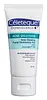
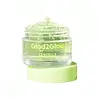
Celeteque Acne Clearing Facial Moisturizer Gel Versus Glad2Glow Centella Allantoin Soothing Moisturizer
This acne moisturizer is formulated around Salicylic Acid to clear breakouts and balance excess oil.
This calming moisturizer is formulated around Centella Asiatica Leaf Extract and Allantoin to calm redness and strengthen the skin barrier.


What's inside
What's inside
 Key Ingredients
Benefits
Concerns
Ingredients Side-by-side
Water
Skin ConditioningSea Water
HumectantPropylene Glycol
Humectant


Butylene Glycol
Humectant
Ethoxydiglycol
HumectantAmmonium Acryloyldimethyltaurate/Vp Copolymer
Phenoxyethanol
Preservative
Salicylic Acid
Masking







Maltooligosyl Glucoside
Skin ConditioningHydrogenated Starch Hydrolysate
HumectantXanthan Gum
EmulsifyingSodium Hydroxide
BufferingCaprylyl Glycol
Emollient
Chlorphenesin
Antimicrobial
Disodium EDTA
ChelatingAloe Barbadensis Leaf Juice
Skin Conditioning

Maltodextrin
Absorbent
Ceramide AP
Skin Conditioning

1,10-Decanediol
Solvent10-Hydroxydecanoic Acid
Skin ConditioningSebacic Acid
BufferingWater, Sea Water, Propylene Glycol, Butylene Glycol, Ethoxydiglycol, Ammonium Acryloyldimethyltaurate/Vp Copolymer, Phenoxyethanol, Salicylic Acid, Maltooligosyl Glucoside, Hydrogenated Starch Hydrolysate, Xanthan Gum, Sodium Hydroxide, Caprylyl Glycol, Chlorphenesin, Disodium EDTA, Aloe Barbadensis Leaf Juice, Maltodextrin, Ceramide AP, 1,10-Decanediol, 10-Hydroxydecanoic Acid, Sebacic Acid
Water
Skin ConditioningCentella Asiatica Leaf Extract
Skin Conditioning
Methyl Gluceth-10
EmulsifyingPropylene Glycol
Humectant
Butylene Glycol
Humectant
1,2-Hexanediol
Skin Conditioning
Hydroxyacetophenone
Antioxidant
Acrylates/C10-30 Alkyl Acrylate Crosspolymer
Emulsion StabilisingGlycerin
Humectant
Allantoin
Skin Conditioning
Aminomethyl Propanol
BufferingPentylene Glycol
Skin Conditioning
Hamamelis Virginiana Extract
Antiseborrhoeic
Gentiana Scabra Root Extract
Skin ConditioningMenthyl Lactate
Masking
Ethyl Menthane Carboxamide
TonicHydroxyphenyl Propamidobenzoic Acid
Skin ConditioningPanthenol
Skin Conditioning
Royal Jelly
Castanea Sativa Seed Extract
Skin ConditioningHelianthus Annuus Seed Extract
Skin Conditioning
Viola Tricolor Extract
EmollientGlycyrrhiza Inflata Root Extract
Skin Conditioning
Salix Alba Bark Extract
Astringent
Scutellaria Baicalensis Root Extract
Astringent
Sea Water
HumectantGlycine Soja Seed Extract
Skin Conditioning
Secale Cereale Seed Extract
Abrasive
Ectoin
Skin Conditioning
Sophora Flavescens Root Extract
Antioxidant
Fomes Officinalis Extract
Skin ProtectingPyrus Cydonia Seed Extract
MaskingHibiscus Abelmoschus Seed Extract
Masking
Ascorbyl Palmitate
Antioxidant

Panicum Miliaceum Seed Extract
Skin ConditioningPEG-40 Hydrogenated Castor Oil
Emulsifying
PPG-26-Buteth-26
Skin ConditioningDisodium EDTA
ChelatingMethyl Diisopropyl Propionamide
MaskingCaprylyl Glycol
Emollient
Parfum
Masking
Bis-Ethoxydiglycol Cyclohexane 1,4-Dicarboxylate
EmollientXanthan Gum
EmulsifyingWater, Centella Asiatica Leaf Extract, Methyl Gluceth-10, Propylene Glycol, Butylene Glycol, 1,2-Hexanediol, Hydroxyacetophenone, Acrylates/C10-30 Alkyl Acrylate Crosspolymer, Glycerin, Allantoin, Aminomethyl Propanol, Pentylene Glycol, Hamamelis Virginiana Extract, Gentiana Scabra Root Extract, Menthyl Lactate, Ethyl Menthane Carboxamide, Hydroxyphenyl Propamidobenzoic Acid, Panthenol, Royal Jelly, Castanea Sativa Seed Extract, Helianthus Annuus Seed Extract, Viola Tricolor Extract, Glycyrrhiza Inflata Root Extract, Salix Alba Bark Extract, Scutellaria Baicalensis Root Extract, Sea Water, Glycine Soja Seed Extract, Secale Cereale Seed Extract, Ectoin, Sophora Flavescens Root Extract, Fomes Officinalis Extract, Pyrus Cydonia Seed Extract, Hibiscus Abelmoschus Seed Extract, Ascorbyl Palmitate, Panicum Miliaceum Seed Extract, PEG-40 Hydrogenated Castor Oil, PPG-26-Buteth-26, Disodium EDTA, Methyl Diisopropyl Propionamide, Caprylyl Glycol, Parfum, Bis-Ethoxydiglycol Cyclohexane 1,4-Dicarboxylate, Xanthan Gum
Reviews
Ingredients Explained
These ingredients are found in both products.
Ingredients higher up in an ingredient list are typically present in a larger amount.
Butylene Glycol (or BG) is used within cosmetic products for a few different reasons:
Overall, Butylene Glycol is a safe and well-rounded ingredient that works well with other ingredients.
Though this ingredient works well with most skin types, some people with sensitive skin may experience a reaction such as allergic rashes, closed comedones, or itchiness.
Learn more about Butylene GlycolCaprylyl Glycol is a humectant, skin conditioner, emollient, and preservative booster derived from either caprylic acid or synthetically created.
Typical use levels vary from 0.3-1% as a preservative booster and go up to 2% to condition skin.
Because it is not a free-fatty acid, this ingredient is fungal acne safe (there's nothing for Malassezia to feed on).
Learn more about Caprylyl GlycolDisodium EDTA is a chelating agent. It grabs onto and deactivates metal ions that sneak into your products from water, packaging, or air.
This ingredient mainly works behind the scenes and helps with:
On top of that, this ingredient can counteract the effects of hard water by binding to the minerals in it.
One thing worth knowing is that Disodium EDTA has been shown to be a mild penetration enhancer. It can help other ingredients absorb into skin more effectively which can be a double-edged sword (great for actives, but can also make the active too strong if you have sensitive skin).
Clinical patch testing showed no significant skin irritation at typical use concentrations and minimal dermal absorption.
You'll most likely see this ingredient near the end of an ingredient list. It's typically found in concentrations less than 1%.
Learn more about Disodium EDTAPropylene Glycol is a synthetic, colorless, odorless liquid that has been a staple in cosmetics for decades. It is a skin conditioning agent, humectant, and solvent.
As a humectant, it draw water to the skin to reduce flaking and restore suppleness. It's also a solvent that helps dissolve other actives and keeps formulas stable across temperature changes.
The CIR Expert Panel has confirmed this ingredient to be nontoxic and clinical studies show no sensitization at cosmetic use concentrations.
True allergic reactions are quite rare: a 15-year retrospective study of 6,751 patients found only 0.31% had a positive reaction (and less than half were considered clinically relevant).
It seemed that when sensitization does occur, it's most commonly linked to topical medication (like corticosteroids) and not cosmetics. Allergic contact dermatitis also appears largely limited to individuals with underlying skin conditions.
Overall, propylene glycol is a well-studied ingredient that most people can tolerate without issue.
Learn more about Propylene GlycolWater. It's the most common cosmetic ingredient of all. You'll usually see it at the top of ingredient lists, meaning that it makes up the largest part of the product.
So why is it so popular? Water most often acts as a solvent - this means that it helps dissolve other ingredients into the formulation.
You'll also recognize water as that liquid we all need to stay alive. If you see this, drink a glass of water. Remember to stay hydrated!
Learn more about WaterXanthan gum is used as a stabilizer and thickener within cosmetic products. It helps give products a sticky, thick feeling - preventing them from being too runny.
On the technical side of things, xanthan gum is a polysaccharide - a combination consisting of multiple sugar molecules bonded together.
Xanthan gum is a pretty common and great ingredient. It is a natural, non-toxic, non-irritating ingredient that is also commonly used in food products.
Learn more about Xanthan Gum

